
The Tree of Life
Steel and glass in DNA form.
RoyKabanlit — CC BY-SA 4.0 · Judgefloro — CC0 · Judgefloro — CC0 · Kabu Sawsaw — CC BY-SA 4.0
The newest of the National Museum's buildings and the favourite of families, housed in a neoclassical building built in 1940 for the Department of Agriculture and Commerce, destroyed in the Battle of Manila in 1945, rebuilt to the same design, and opened as a museum in 2018. The first thing you see inside is the Tree of Life, a huge structure of steel and glass shaped like a strand of DNA, rising through the central court to the glass roof and carrying the lift between floors. From the upper floors the tree and the galleries around it appear in a single view. The twelve galleries show the variety of Philippine nature: mountains, forests, caves, coral reefs and mangroves, with models and figures of animals and plants. The best-known exhibit is Lolong, the saltwater crocodile that was once the largest crocodile in captivity in the world, more than six metres long, preserved in a gallery of its own. Entry is free and the museum closes on Mondays. It is a great hit with children, so allow an hour or two.
Steel and glass in DNA form.
Once the largest captive crocodile.
Philippine nature in twelve halls.
Agrifina Circle, Rizal Park, Manila
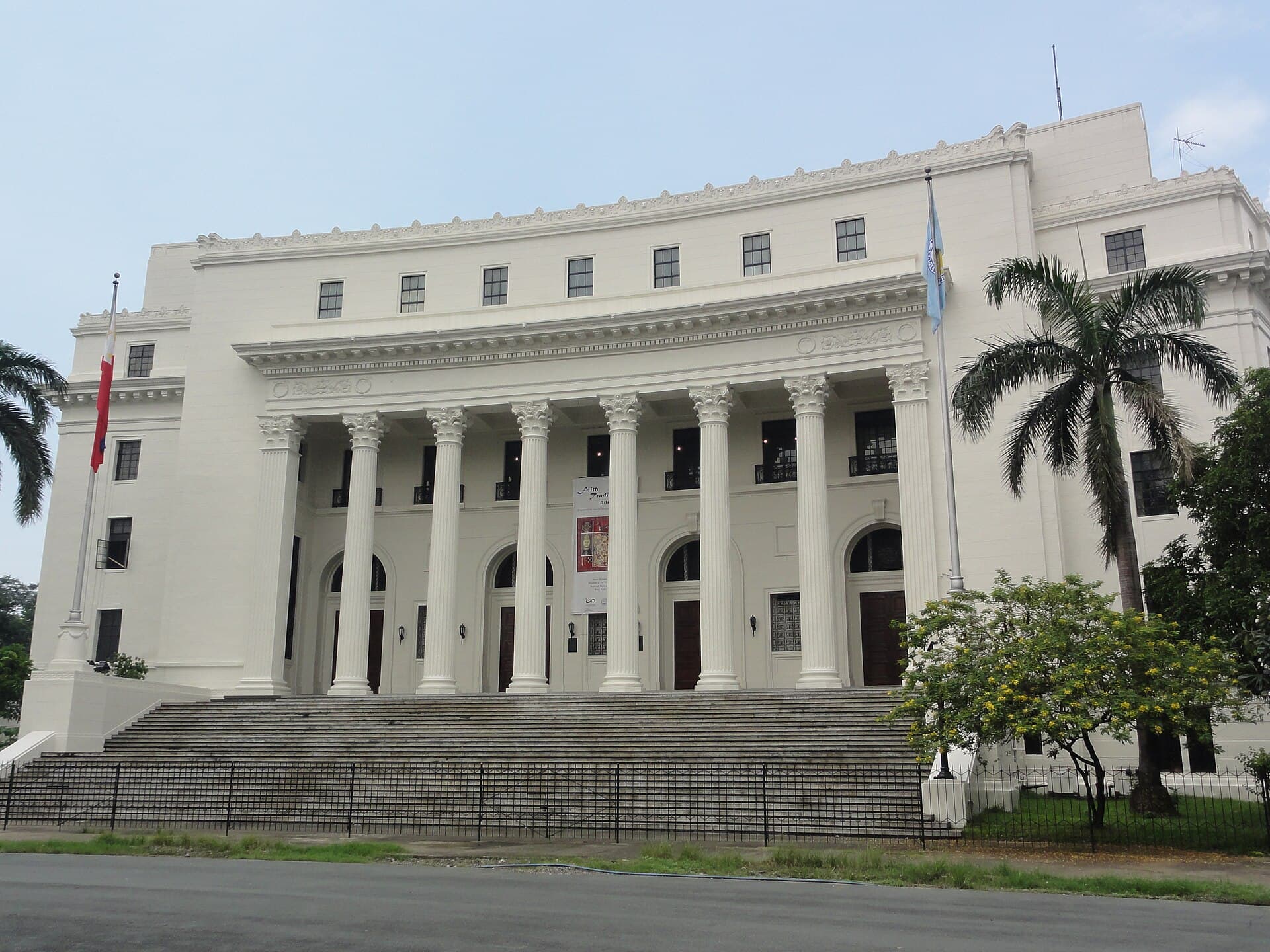 National Museum of AnthropologyThe museum of the history and archaeology of the Filipino peoples, in a neoclass3 minutes walk4.7
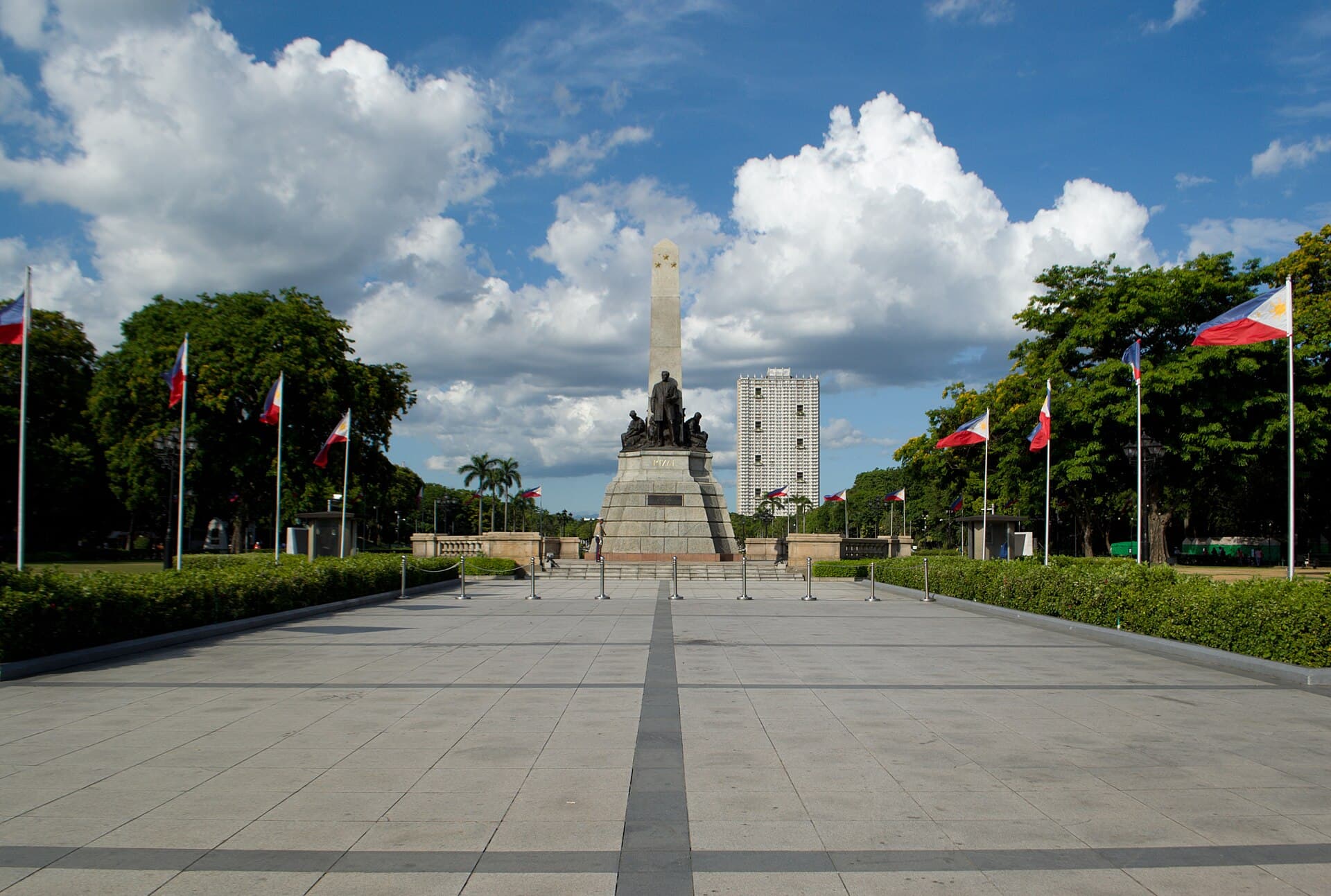 Rizal Park (Luneta)Manila's best-known and largest park, covering 58 hectares between the walled ci5 minutes walk4.6
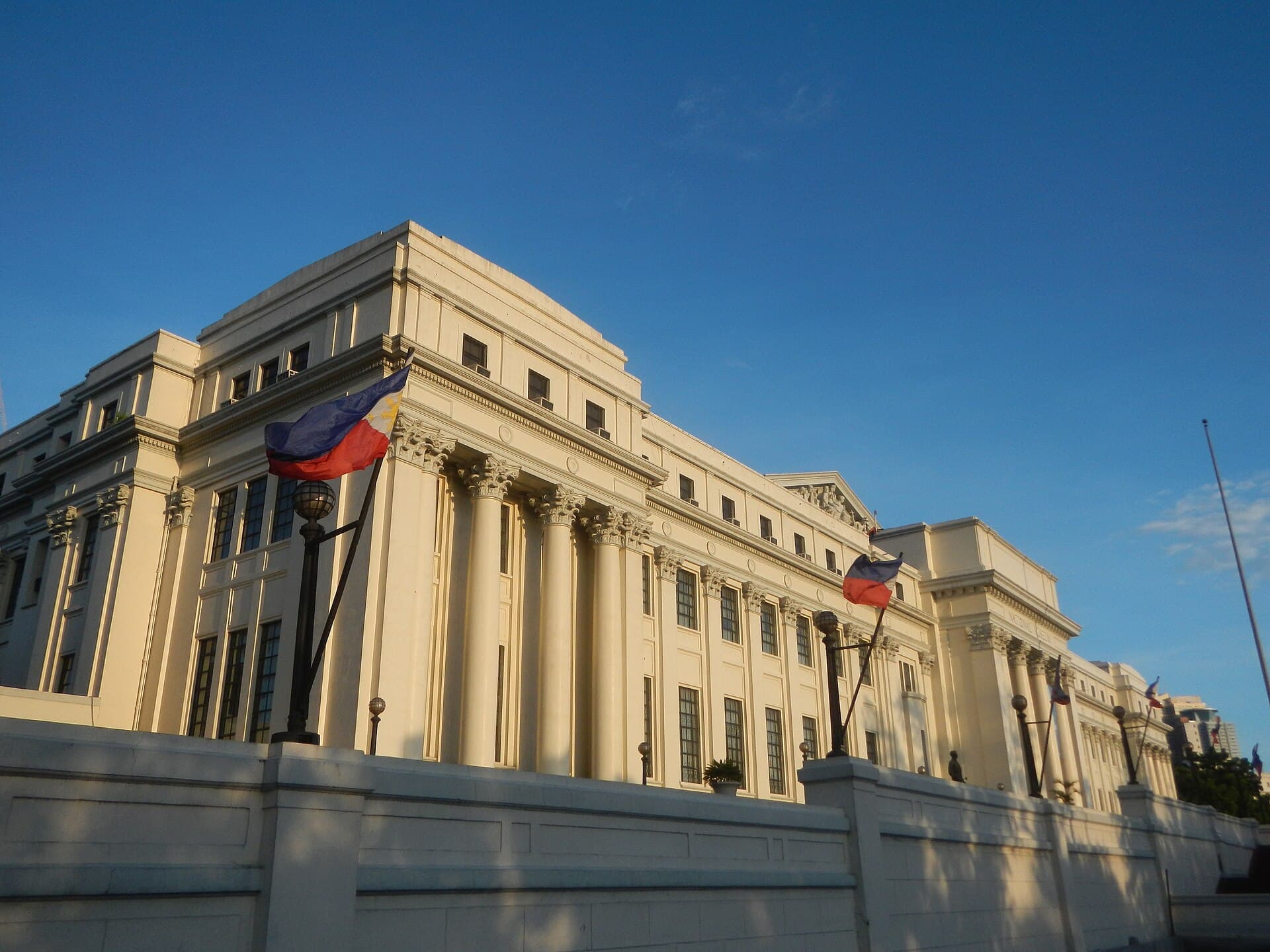 National Museum of Fine ArtsThe largest art museum in the Philippines, housed in the Old Legislative Buildin5 minutes walk4.6
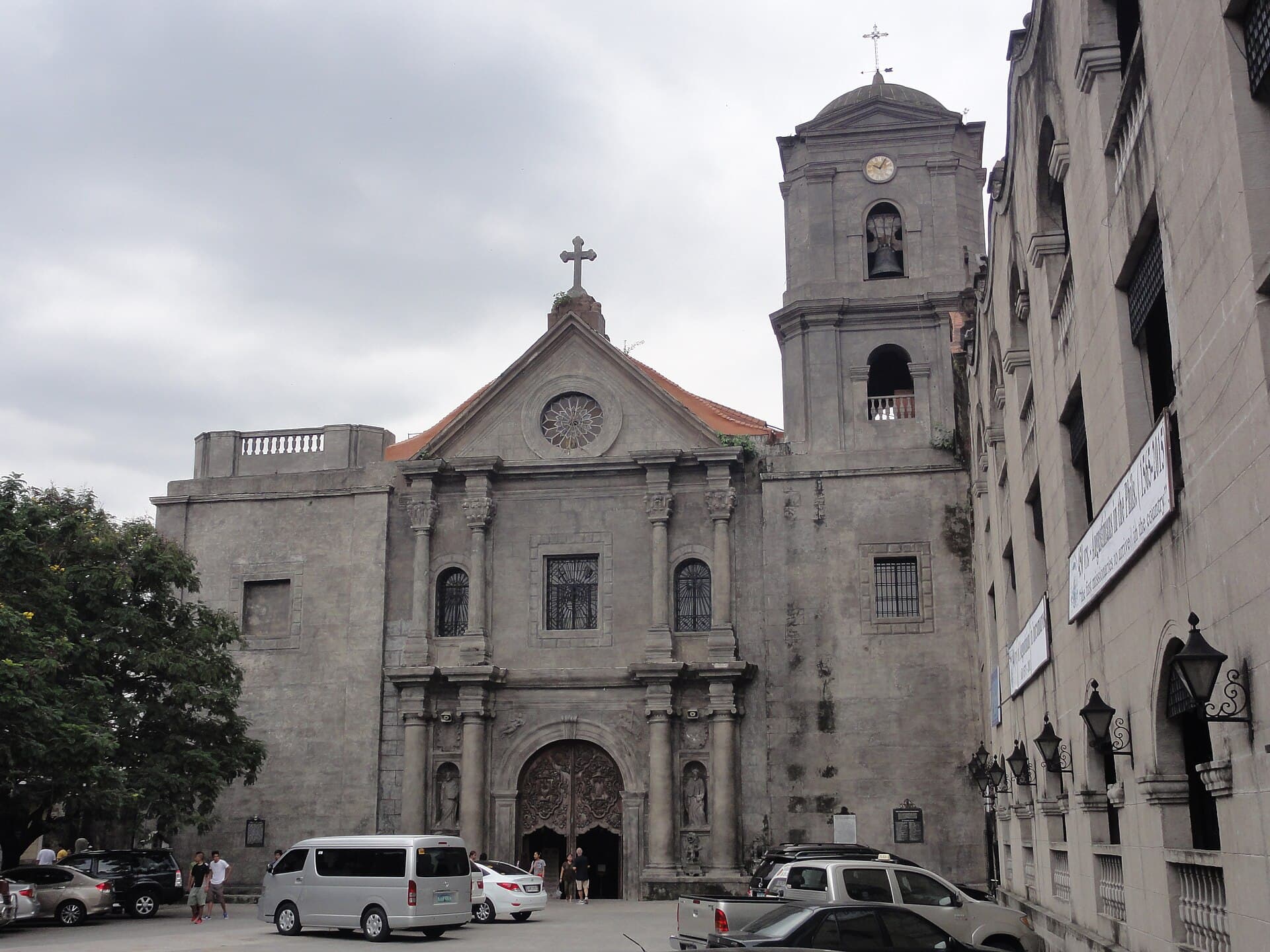 San Agustin ChurchThe oldest stone church in the Philippines, completed in 1607 within the walls o12 minutes walk4.5
 IntramurosThe old walled city at the heart of Manila; its Spanish name means «within the w13 minutes walk
Yes, it is a family favourite, with the giant Tree of Life, animal displays and Lolong the crocodile, and entry is free.