
Mallard
Holder of the world steam speed record since 1938 (126 mph), usually standing by the turntable in the Great Hall where you can walk right up to it.
CC BY 2.0 · The Basingstoker — CC BY-SA 2.0 · Virgil Lucky — CC BY-SA 4.0 · Irid Escent — CC BY-SA 2.0
In the summer of 1938 a streamlined blue locomotive called Mallard ran down Stoke Bank, south of Grantham in Lincolnshire, at 126 miles an hour and set a world record for steam that nobody has broken since. That same engine now stands a few minutes' walk from York station, and you can stand right beside it for nothing. That is the National Railway Museum in a sentence: Britain's biggest collection of trains, under two enormous roofs, free of charge, in the city that was once the country's locomotive workshop. The museum is two separate buildings. The Great Hall is the original engine shed, with the locomotives fanned around a working turntable like the hands of a clock: Mallard, a Chinese engine that is the largest in the collection (built in Lancashire in 1935 and later given back by China), and a driving car from a Japanese Shinkansen, the only bullet train on display in Britain and one of just two outside Japan, whose seats you are welcome to sit in. Across the site, Station Hall is an old goods station whose platforms hold the royal carriages, Queen Victoria's velvet-and-mirrors saloon among them. To my eye it is the finest and the least crowded part of the place. The celebrated Flying Scotsman belongs to the museum but spends most of the year touring, so check the website before promising it to children. An important caveat for 2026: the museum has just begun building Central Hall, the new welcome building that will finally link the two halls under one entrance. Construction started in summer 2026 and is expected to take around two years, and the works sit right in the middle of the site. Each hall therefore has its own door and you walk between them outdoors beside the hoardings. The route from the station has changed too: you go through the Marble Arch pedestrian tunnel and along Hudson Boulevard, a level, step-free walk of about ten minutes that is fine with a pushchair. Entry is genuinely free, but in busy periods the museum asks you to book a free timed ticket online; in the summer holidays it is worth the two minutes. Open daily 10:00 to 17:00, closed only 24 to 26 December, which makes it a first-rate refuge on a wet northern day. Is it worth it if you are not a railway enthusiast? Yes, provided you give it two hours rather than a day, and understand that what keeps families longer are the paid extras: the hands-on Wonderlab science gallery in the Great Hall (from about £8.60 a head, under-twos free) and the miniature railway outside. The car park is £10 a day and is often full before eleven at weekends and in the holidays, so arrive by train or ride the road train that shuttles between the museum and York Minster in about fifteen minutes for around £3.50.
Holder of the world steam speed record since 1938 (126 mph), usually standing by the turntable in the Great Hall where you can walk right up to it.
The only bullet train on display in Britain and one of just two outside Japan, and you can step inside and sit down.
Queen Victoria's saloon and later monarchs' carriages on the platforms of an old goods station, the quietest and loveliest part.
Leeman Road, York YO26 4XJ
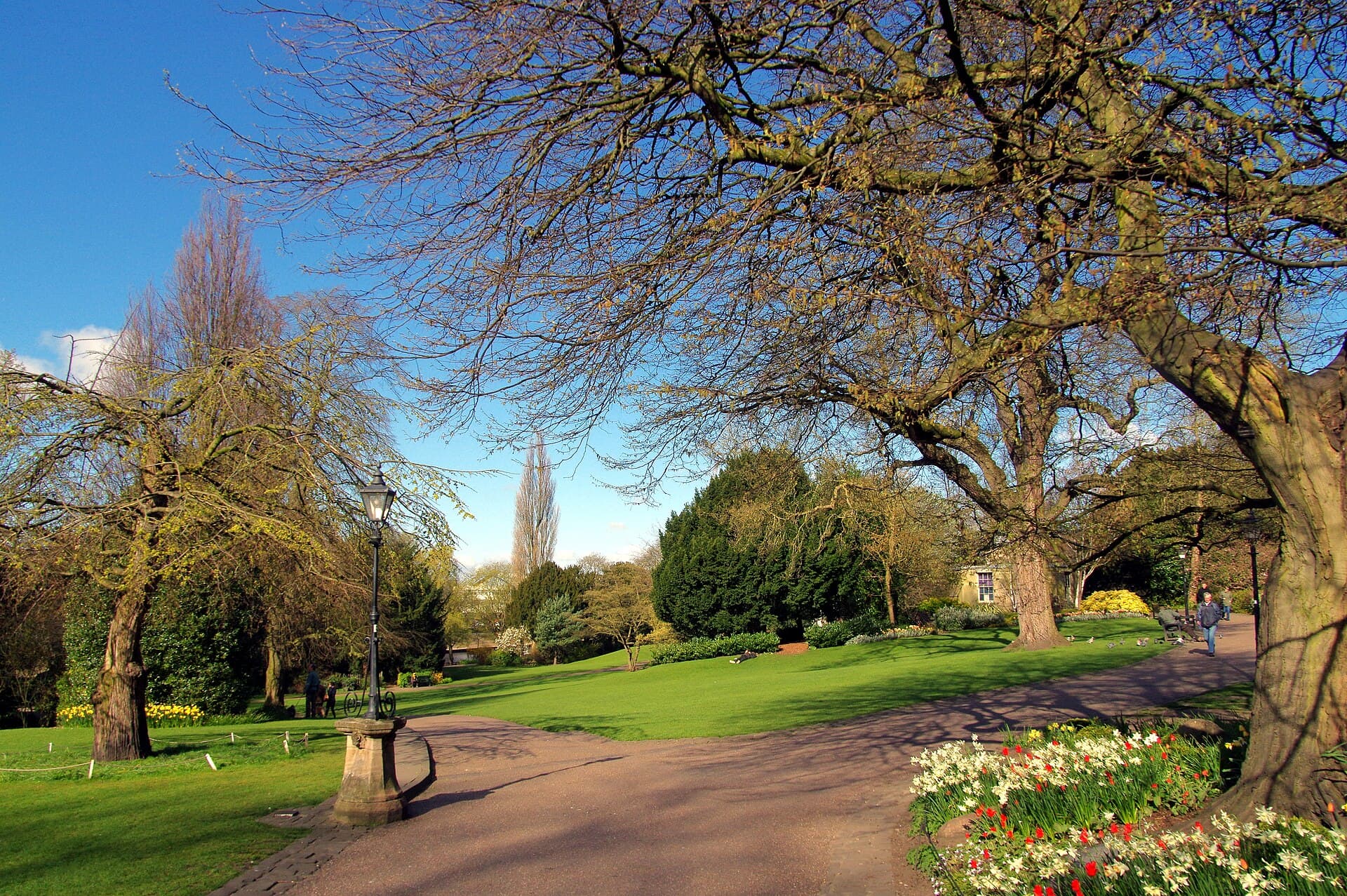 York Museum GardensA vast roofless wall with empty Gothic windows framing the sky stands in ten acr8 minutes walk4.6
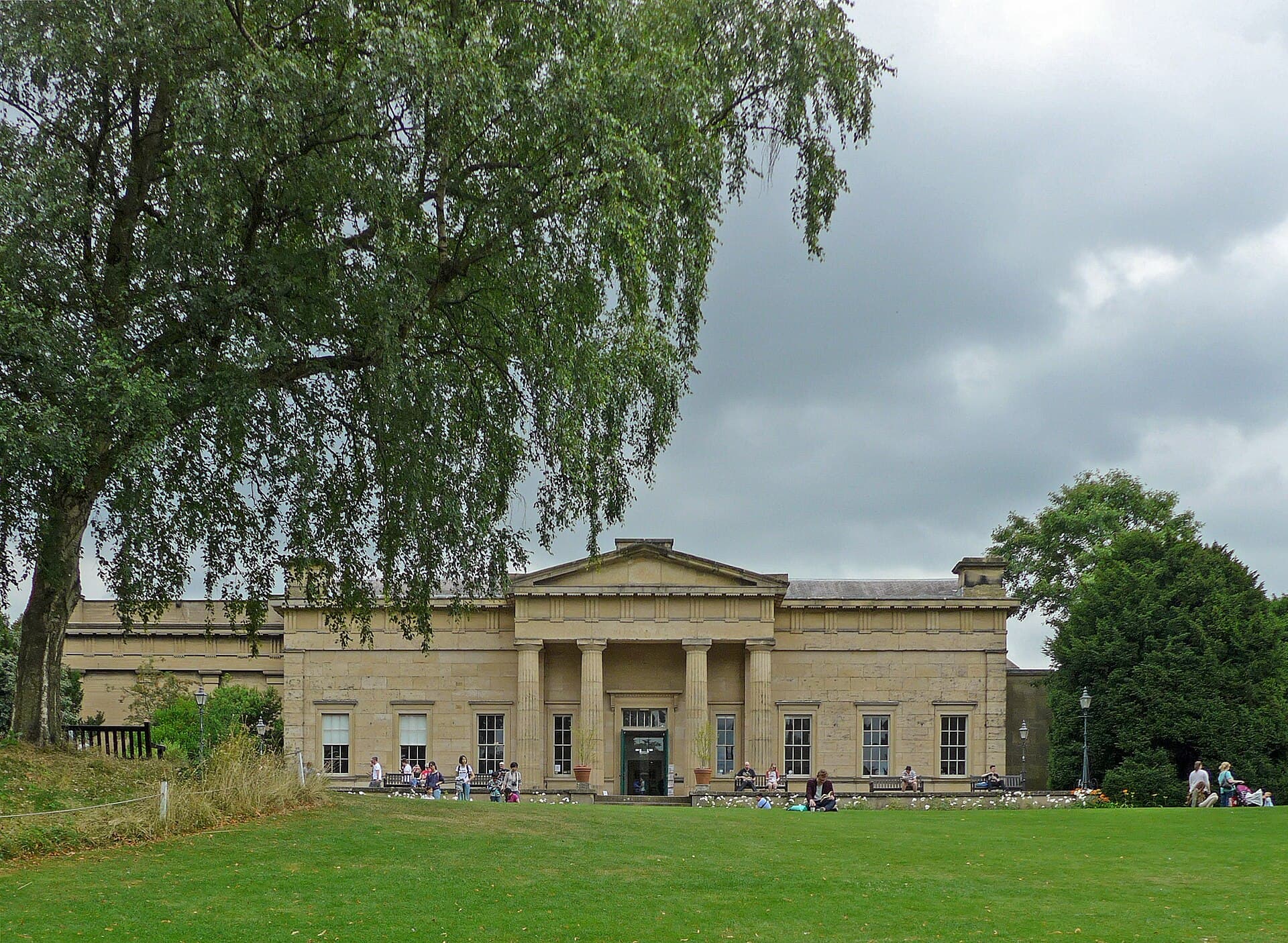 Yorkshire MuseumThe largest hoard of Iron Age metalwork ever found in Britain, more than eight h9 minutes walk4.4
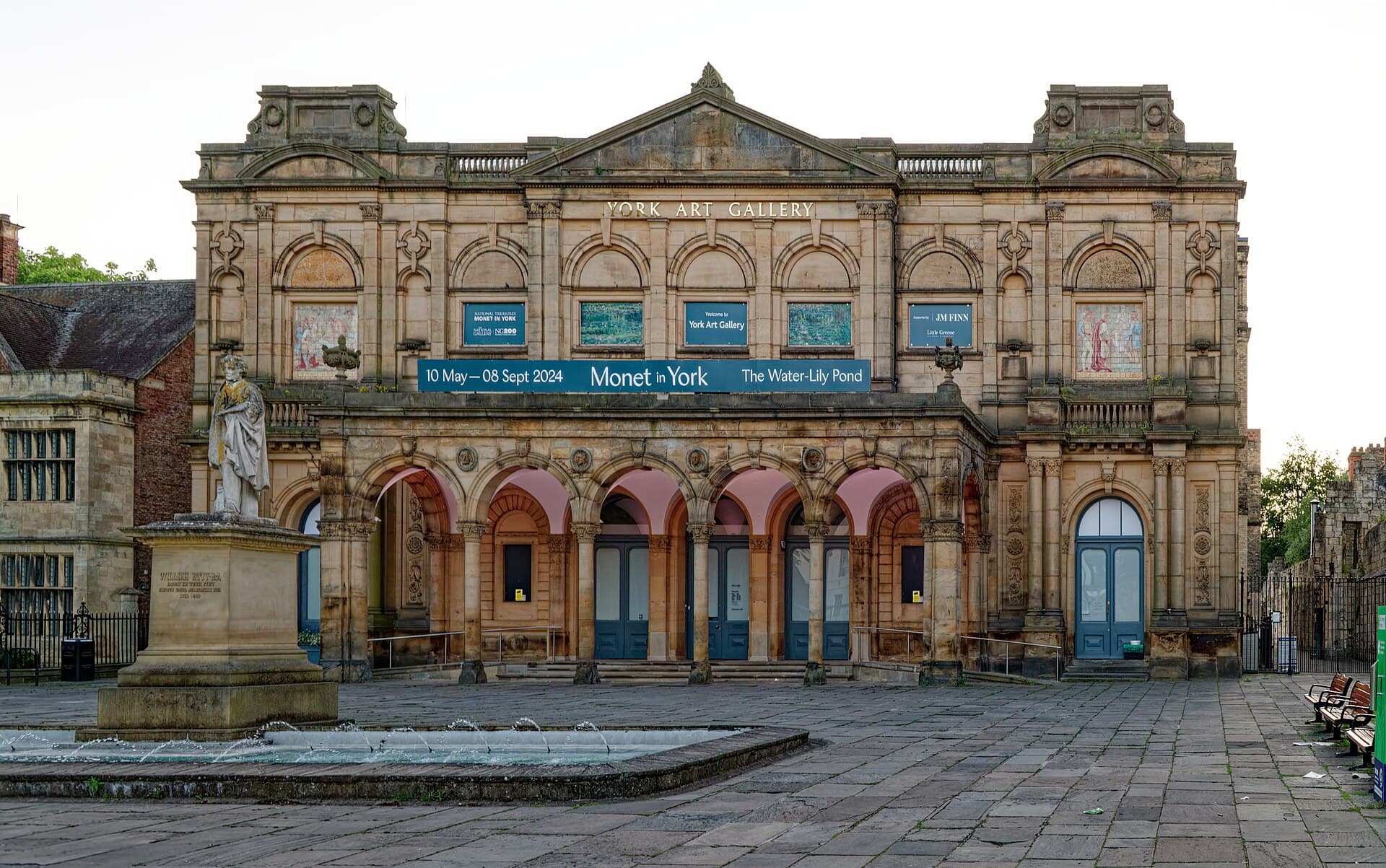 York Art GalleryA seventeen-metre wall stacked with more than a thousand pots, from Roman potter10 minutes walk4.3
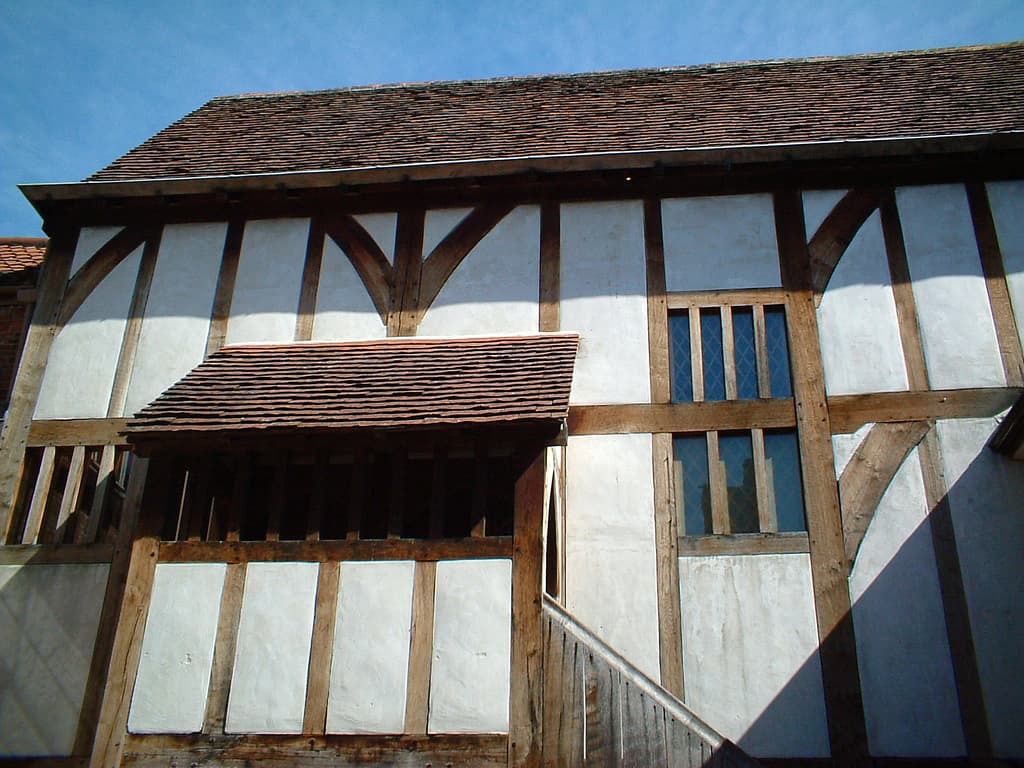 Barley HallFor most of the twentieth century nobody paid this house any attention. Its four12 minutes walk4.5
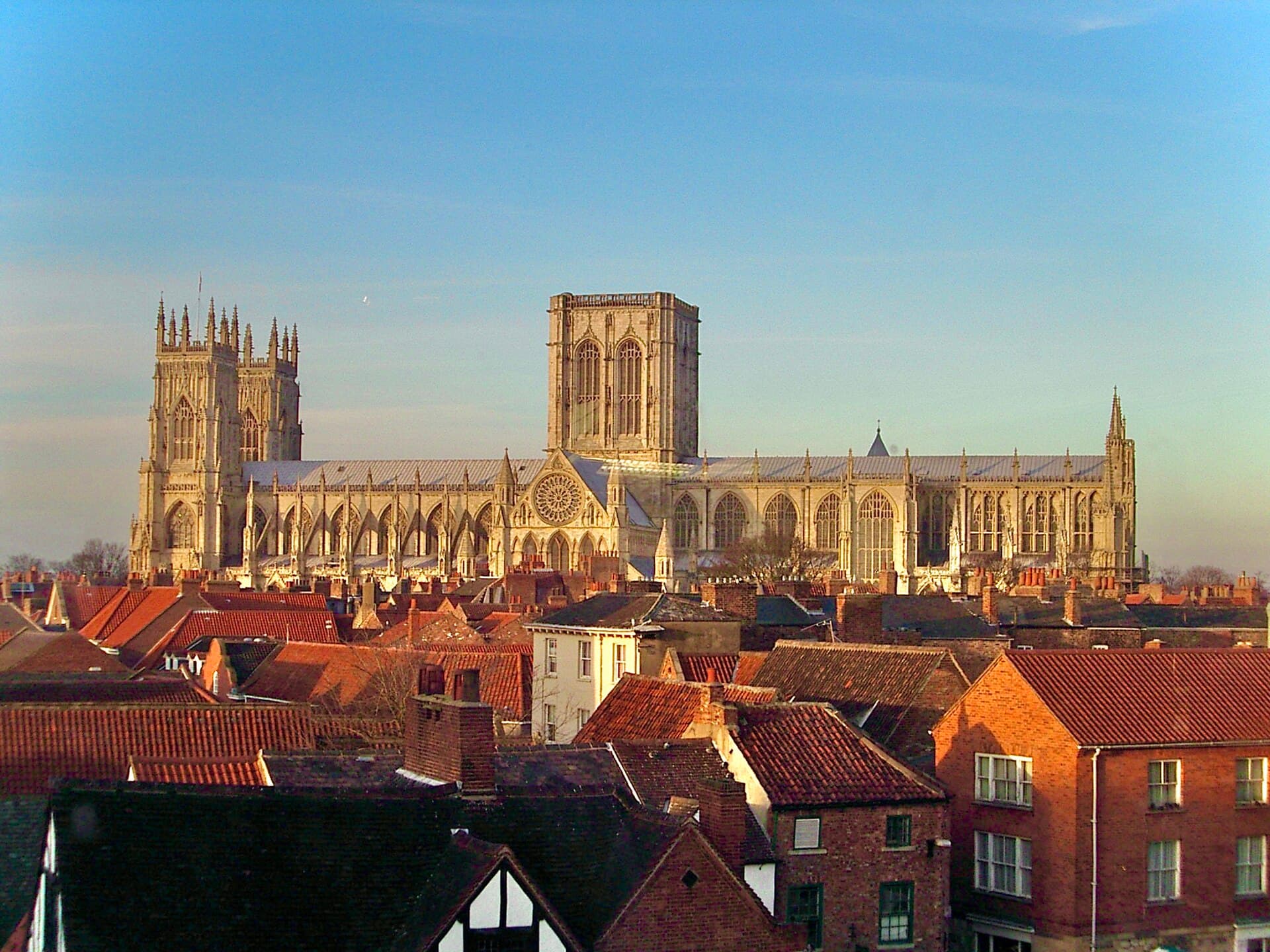 York MinsterThe Great East Window alone is roughly the size of a tennis court: more than thr13 minutes walk4.8
Children aged roughly 3 to 10 usually enjoy it more than the adults, especially climbing aboard the trains and riding the miniature railway. The two big halls are free and take about two hours; what stretches the day is the paid Wonderlab gallery (from about £8.60 a head). If your children are not into trains and you skip Wonderlab, an hour and a half is plenty.
It is not compulsory; walk-up entry is available every day. But in the summer and British school holidays the museum asks you to book a free timed ticket on its website, usually released about six weeks ahead, so book to avoid a wait. Wonderlab tickets are timed, can sell out in the holidays and need a separate booking.