
Ibsen on stage
His plays still staged here regularly.
Godot13 — CC BY-SA 4.0 · Holger Uwe Schmitt — CC BY-SA 4.0 · Leonhard Lenz — CC0 · Leonhard Lenz — CC0
Oslo's National Theatre opened in 1899, and its position halfway along Karl Johans gate between the parliament and the palace is no accident: it was meant to be a national institution on the same footing as both. The context explains it. Norway in 1899 was still in union with Sweden and not yet independent, and building a national theatre was a cultural statement: Norwegian on the stage, Norwegian plays, and an institution answering to neither Copenhagen nor Stockholm. In front of the entrance stand statues of two writers: Henrik Ibsen and Bjørnstjerne Bjørnson. Ibsen in particular is why this theatre matters internationally — A Doll's House, Ghosts and Peer Gynt changed European drama, and they are still staged here regularly. The theatre holds an Ibsen Festival every two years. Performances are mostly in Norwegian, some with English surtitles — check the programme.
His plays still staged here regularly.
Between parliament and palace on the same axis.
Johanne Dybwads plass 1, 0161 Oslo
 The National Museum of Art, Architecture and DesignNorway's National Museum is all Nordic Europe's largest: opened (2022) in a mass4 minutes walk4.5
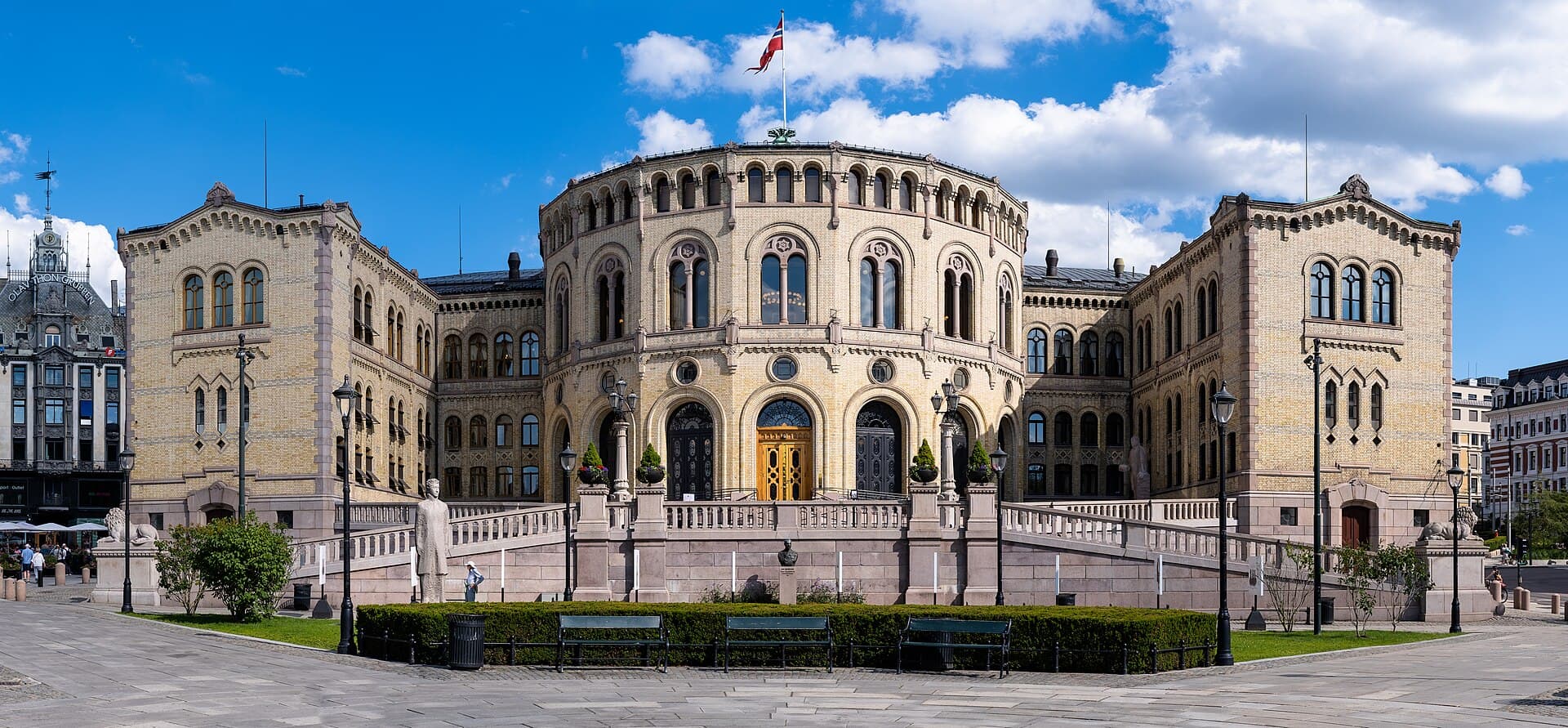 The Storting BuildingThe Storting is the seat of the Norwegian parliament, standing at one end of Kar4 minutes walk4.3
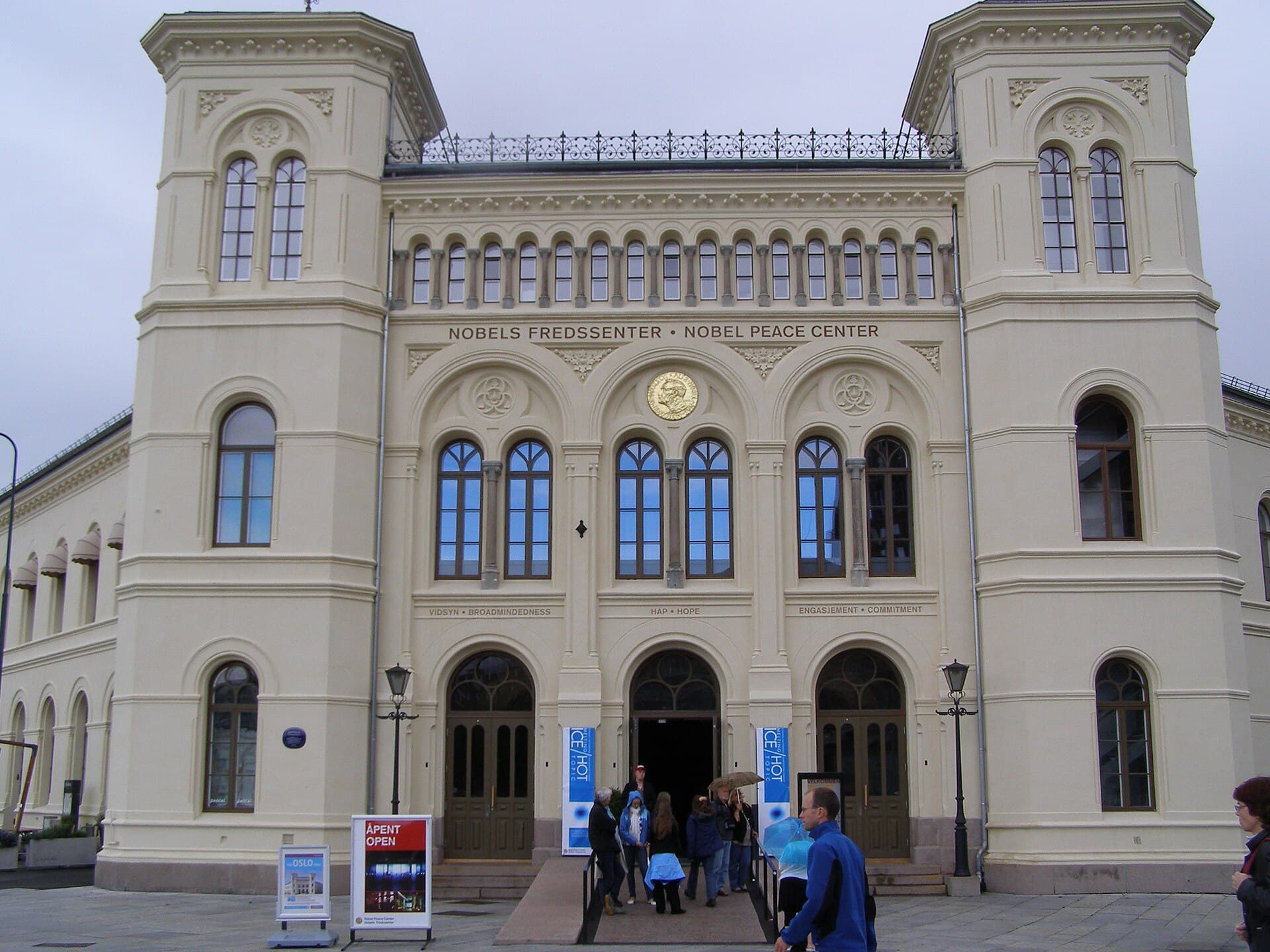 The Nobel Peace CenterThe Nobel Peace Center is the one house telling history's strangest bequest: Alf5 minutes walk4.3
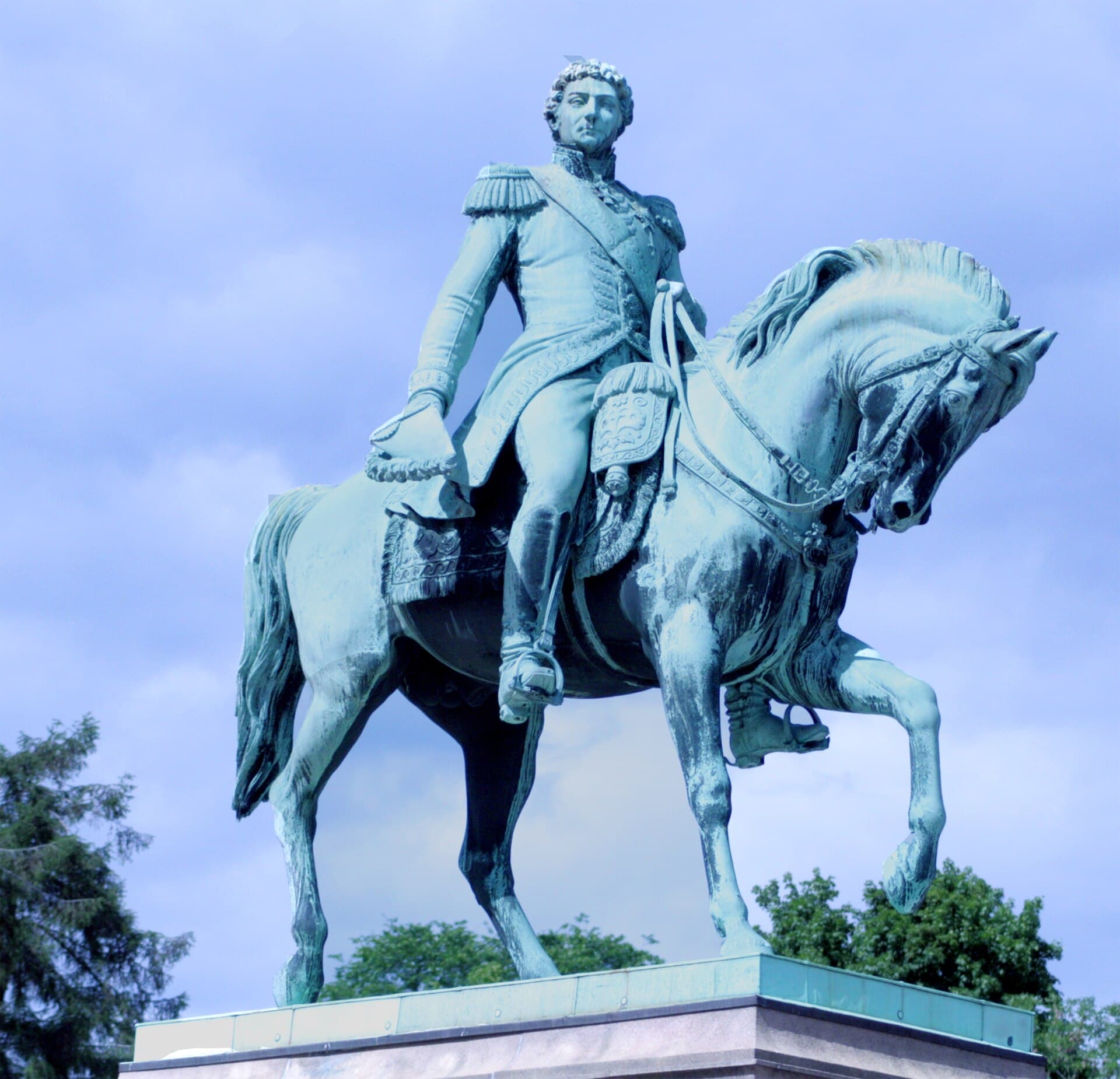 Karl Johan MonumentAn equestrian statue of King Carl Johan in front of the Royal Palace in Oslo, at5 minutes walk4.5
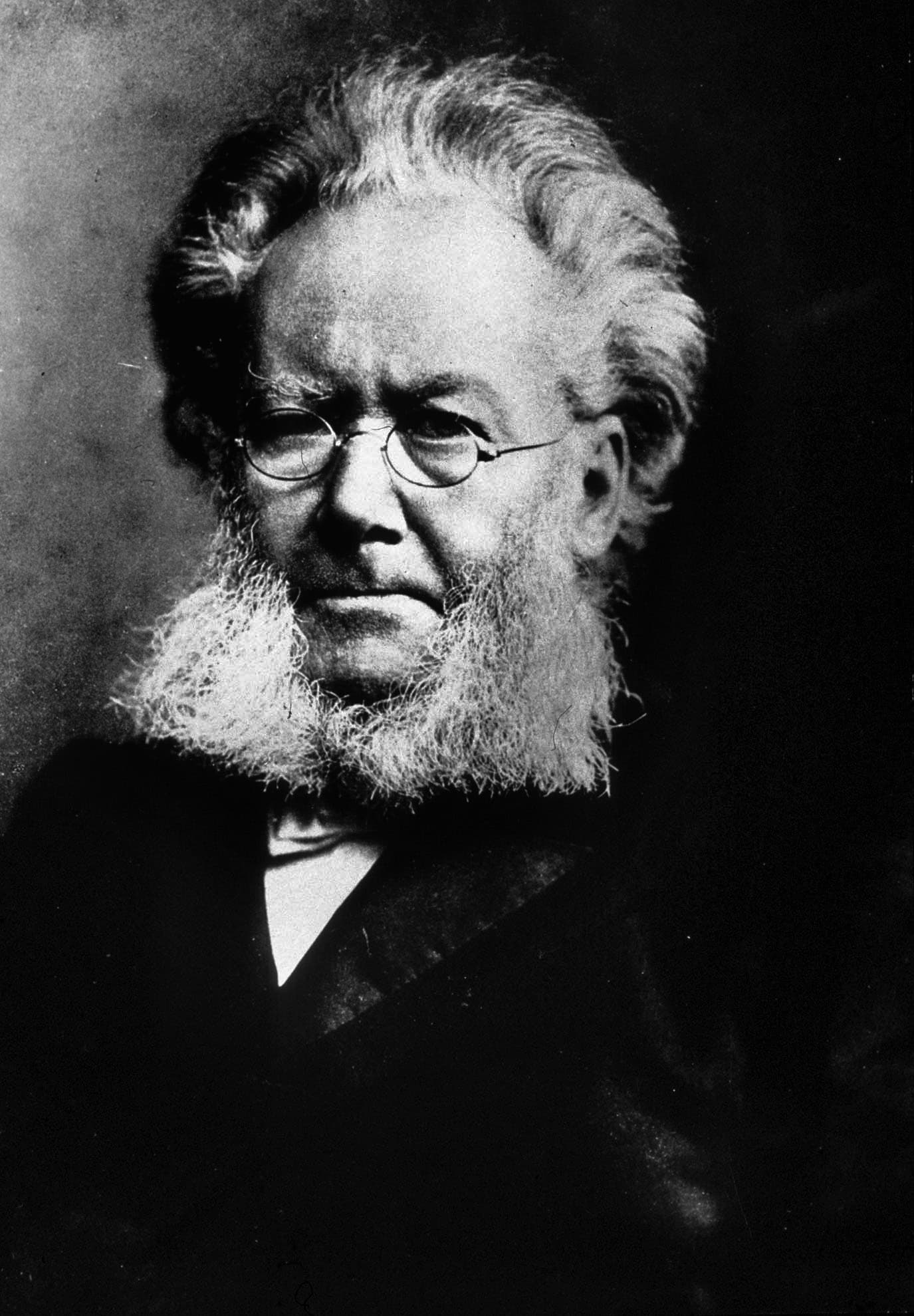 The Ibsen Museum and TheatreThe Ibsen Museum occupies the apartment where Henrik Ibsen spent the last eleven5 minutes walk4.4
A Norwegian playwright (1828-1906) usually called the father of modern drama. He moved theatre from melodrama and history into the living room: ordinary characters, social and moral conflict, and endings without comfortable resolution. A Doll's House (1879) ended with a woman leaving her husband and children, and caused a European scandal at the time. He influenced Chekhov, Shaw and Miller, and is the second most performed playwright in the world after Shakespeare.