
The laureates' hall
From Dunant in 1901 to youngest Malala.
Sean Hayford O'Leary — CC BY 2.0 · Bahnfrend — CC BY-SA 4.0 · Jenny Andersson / News Oresund — CC BY 2.0 · Holger Uwe Schmitt — CC BY-SA 4.0
The Nobel Peace Center is the one house telling history's strangest bequest: Alfred Nobel, the Swedish inventor of dynamite, willed (1895) his fortune to a yearly prize rewarding whoever does most for the brotherhood of peoples — and for a reason never fully explained, chose the Norwegian parliament, not the Swedish, to award it, making Oslo the world's peace capital while every other Nobel is given in Stockholm. The centre itself (a renovated former railway station) is a yearly-refreshed interactive exhibition: a portrait hall of every laureate since 1901 (from Red Cross founder Henri Dunant to youngest laureate Malala Yousafzai), a dedicated exhibit for the latest year's winner, and screens engaging what peace means today alongside ongoing conflicts. The neighbouring City Hall (Rådhuset) is where the prize is actually awarded each December (the 10th, Nobel's death anniversary) before the king — free to visit outside the ceremony and well worth pairing with the centre.
From Dunant in 1901 to youngest Malala.
Where the prize is actually given each December.
Brattørkaia, 0250 Oslo
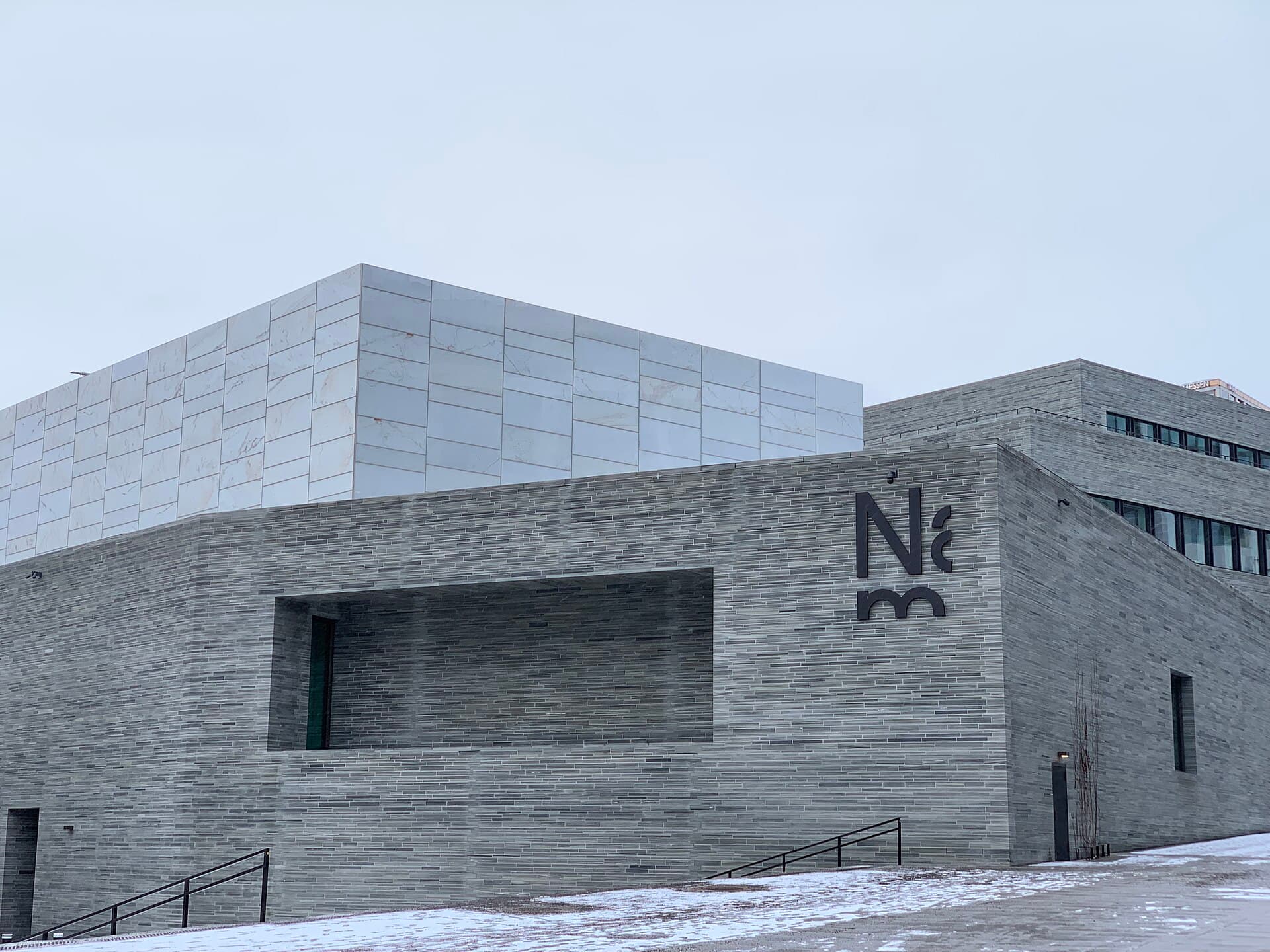 The National Museum of Art, Architecture and DesignNorway's National Museum is all Nordic Europe's largest: opened (2022) in a mass1 minute walk4.5
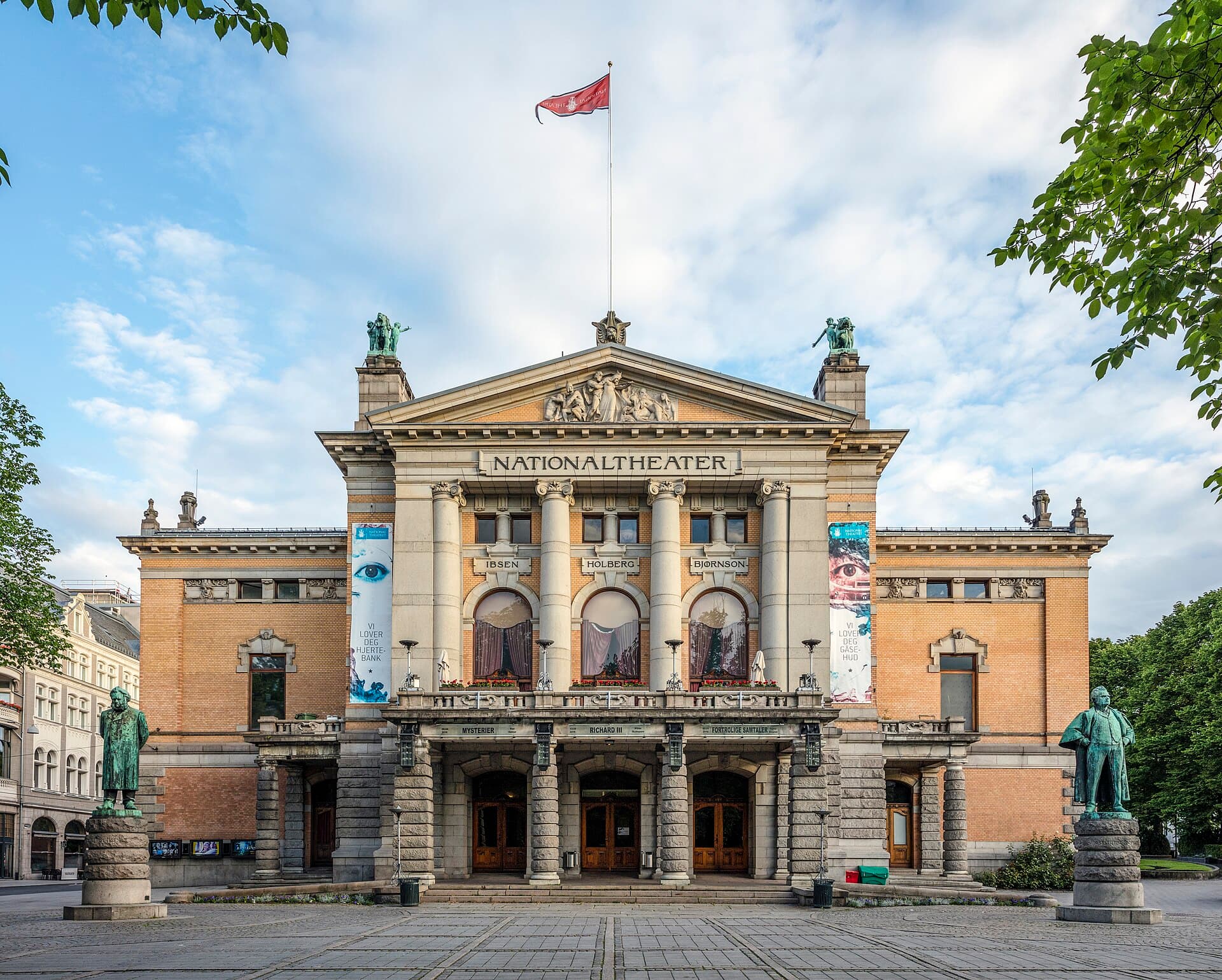 The National TheatreOslo's National Theatre opened in 1899, and its position halfway along Karl Joha5 minutes walk4.7
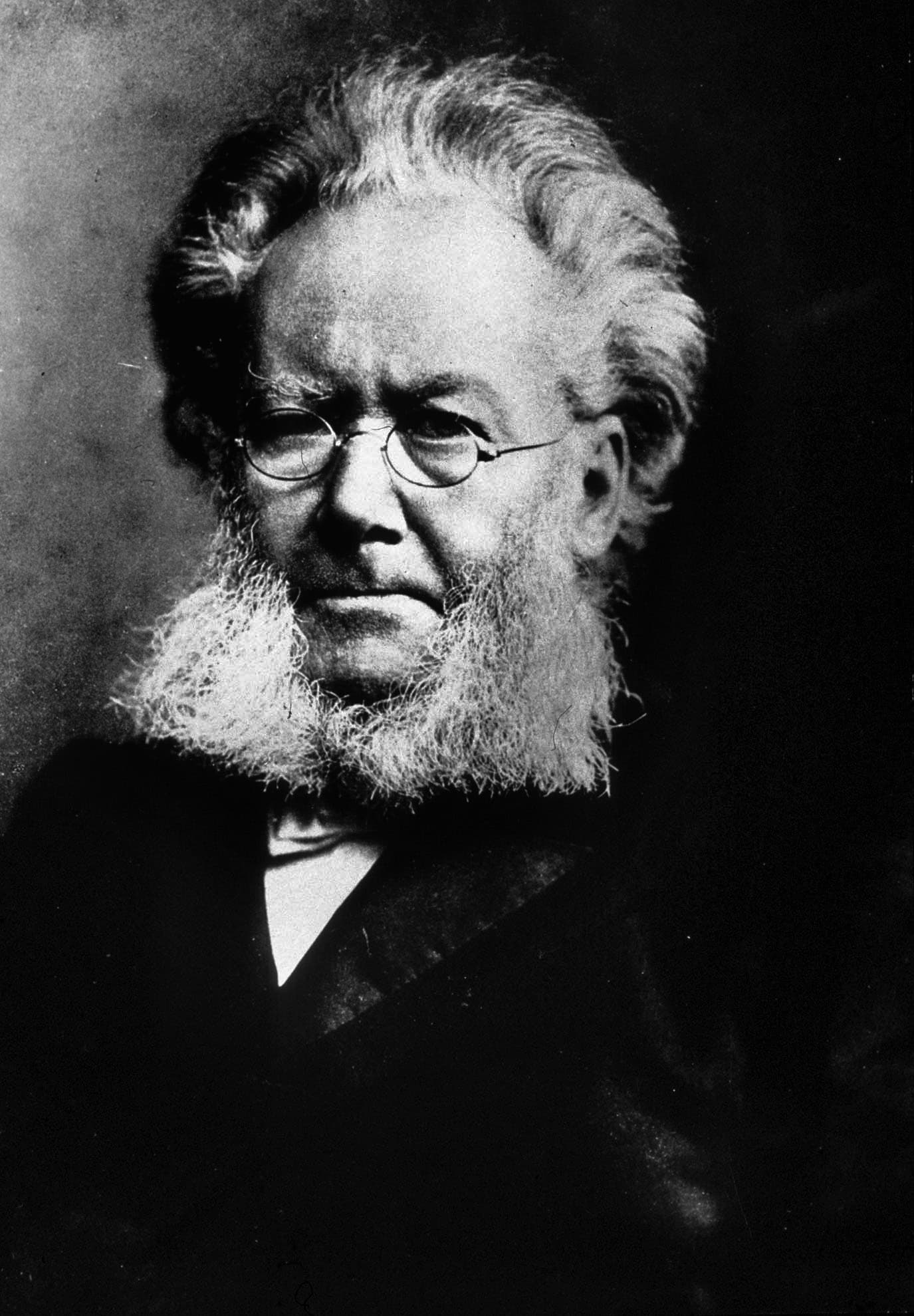 The Ibsen Museum and TheatreThe Ibsen Museum occupies the apartment where Henrik Ibsen spent the last eleven5 minutes walk4.4
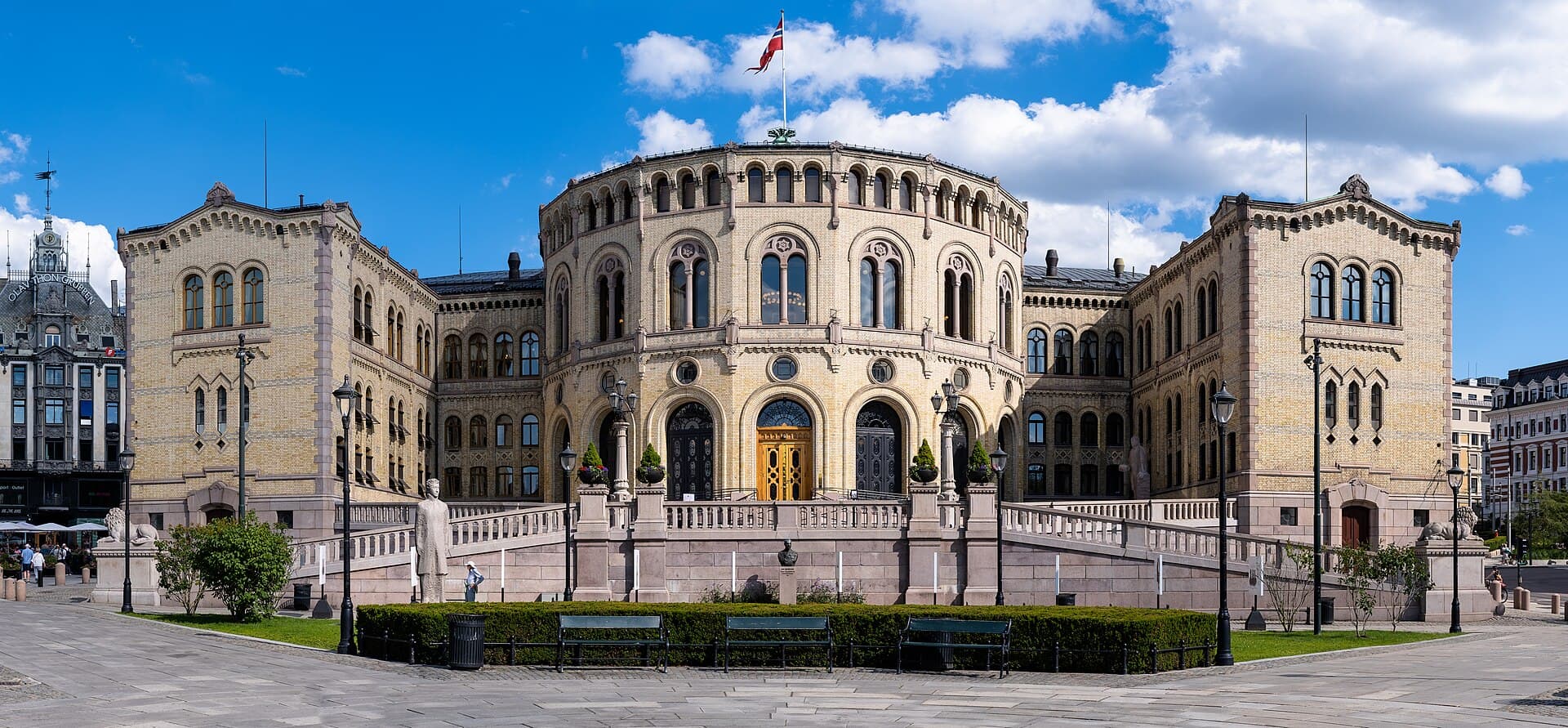 The Storting BuildingThe Storting is the seat of the Norwegian parliament, standing at one end of Kar7 minutes walk4.3
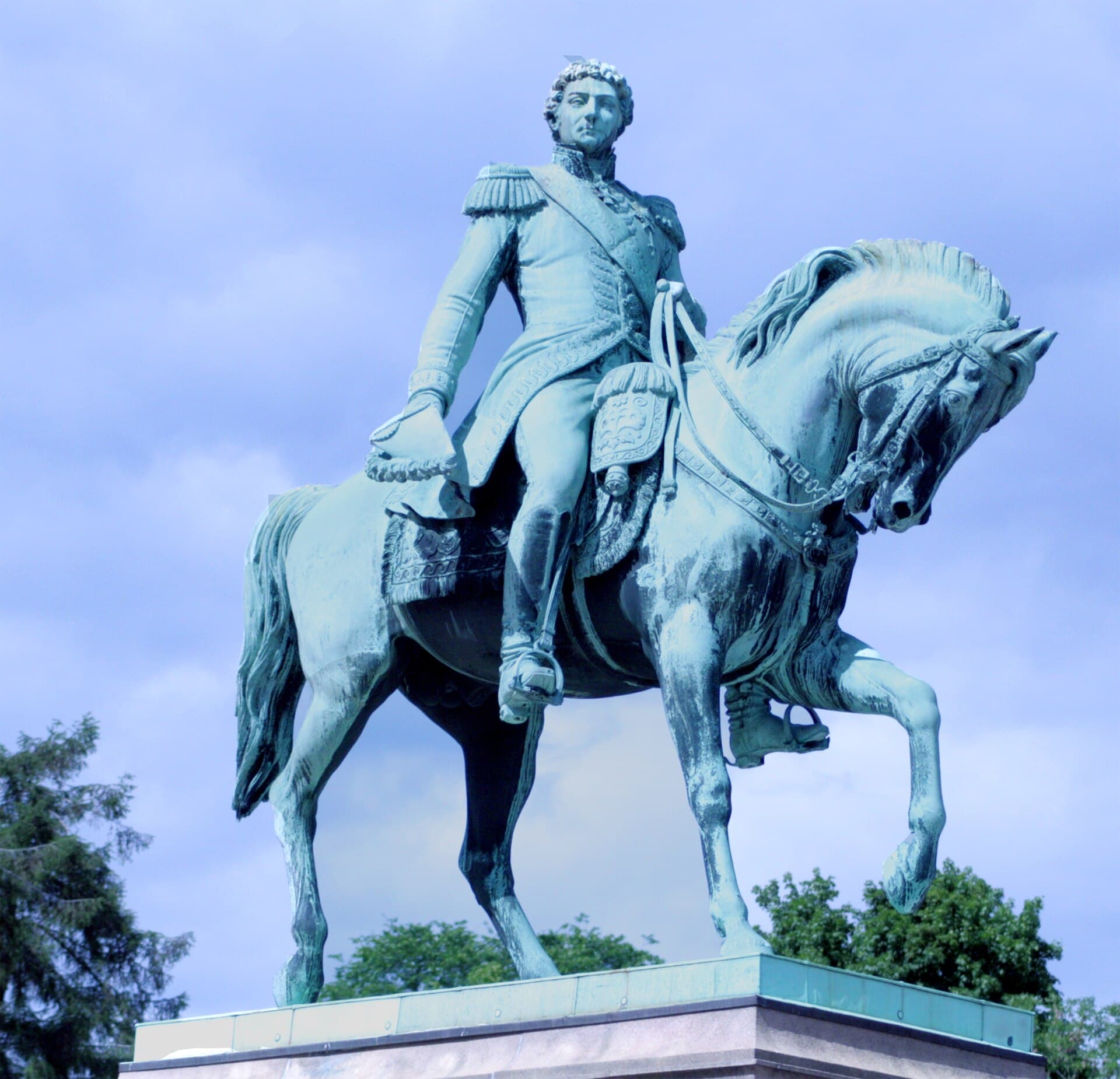 Karl Johan MonumentAn equestrian statue of King Carl Johan in front of the Royal Palace in Oslo, at7 minutes walk4.5
No definitive document explains it — most likely Nobel saw the Norwegian parliament (then federated with Sweden but less entangled in its colonial wars) as more neutral for a peace prize, or was swayed by friendships with Norwegian peace activists. The arrangement has stood unchanged since 1901 with barely a dispute between the two countries.