
The Victorian suspension bridges
Iron bridges of 1853-54 replaced the 1828 originals swept away in the 1849 flood, and they still sway under your feet.
Lucas Kendall — CC BY-SA 4.0 · Bill Harrison — CC BY-SA 2.0 · Bill Harrison — CC BY-SA 2.0 · Stuart Locke — CC BY-SA 3.0
Twenty minutes' walk upstream from Inverness city centre, the River Ness splits around a string of small wooded islands, threaded to each other and to both banks by iron suspension footbridges that have been swaying gently under walkers since the 1850s. The first bridges of 1828 lasted barely two decades before the great flood of 1849 carried them off; William Dredge's replacements of 1853-54 are the ones you cross today. Before 1828 there was no bridged crossing here at all. There is no gate, no ticket and no closing time. The islands are a public park, open around the clock, with level paths beneath Scots pine, beech and towering imported sequoia, benches along the water, and a scattering of carved wooden sculptures, including a fallen-tree Nessie that children love to be photographed with. In summer, anglers stand waist-deep in the fast current after salmon; at dusk, with luck, an otter. The classic loop starts at the cathedral, follows Ness Walk along the river, hops the islands bridge by bridge and returns down Ladies Walk on the far bank, about an hour at an easy pace and, frankly, the best free thing to do in Inverness. Most of it is pushchair-friendly, and the west bank drops you straight into Whin Park: playground, boating pond and a miniature railway that runs from Easter to late October at weekends and daily in the school holidays. Two honest caveats. After heavy rain the river can flood sections of path, and in winter the sun is down before four in the afternoon, which takes most of the magic with it. Aim for May to September, and if you are driving, park beside Bught Park on the west bank.
Iron bridges of 1853-54 replaced the 1828 originals swept away in the 1849 flood, and they still sway under your feet.
From the cathedral along Ness Walk, across the islands bridge by bridge, and back down Ladies Walk on the far bank.
Playground, boating pond and a miniature railway on the west bank, running from Easter to late October.
Ness Walk, Inverness IV3 5NE
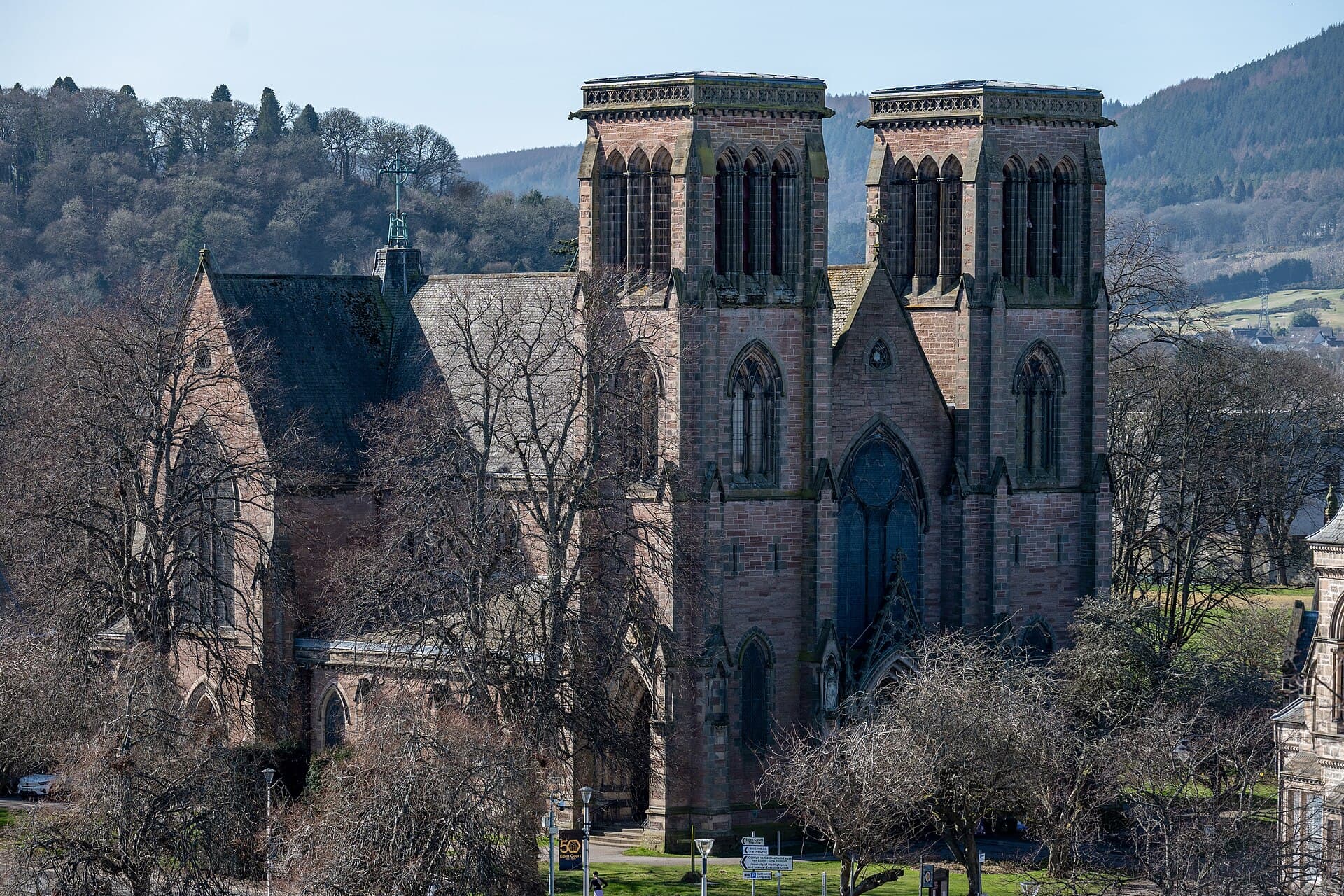 Inverness CathedralTwo square towers, cut off flat as if someone forgot to finish them. That is how16 minutes walk
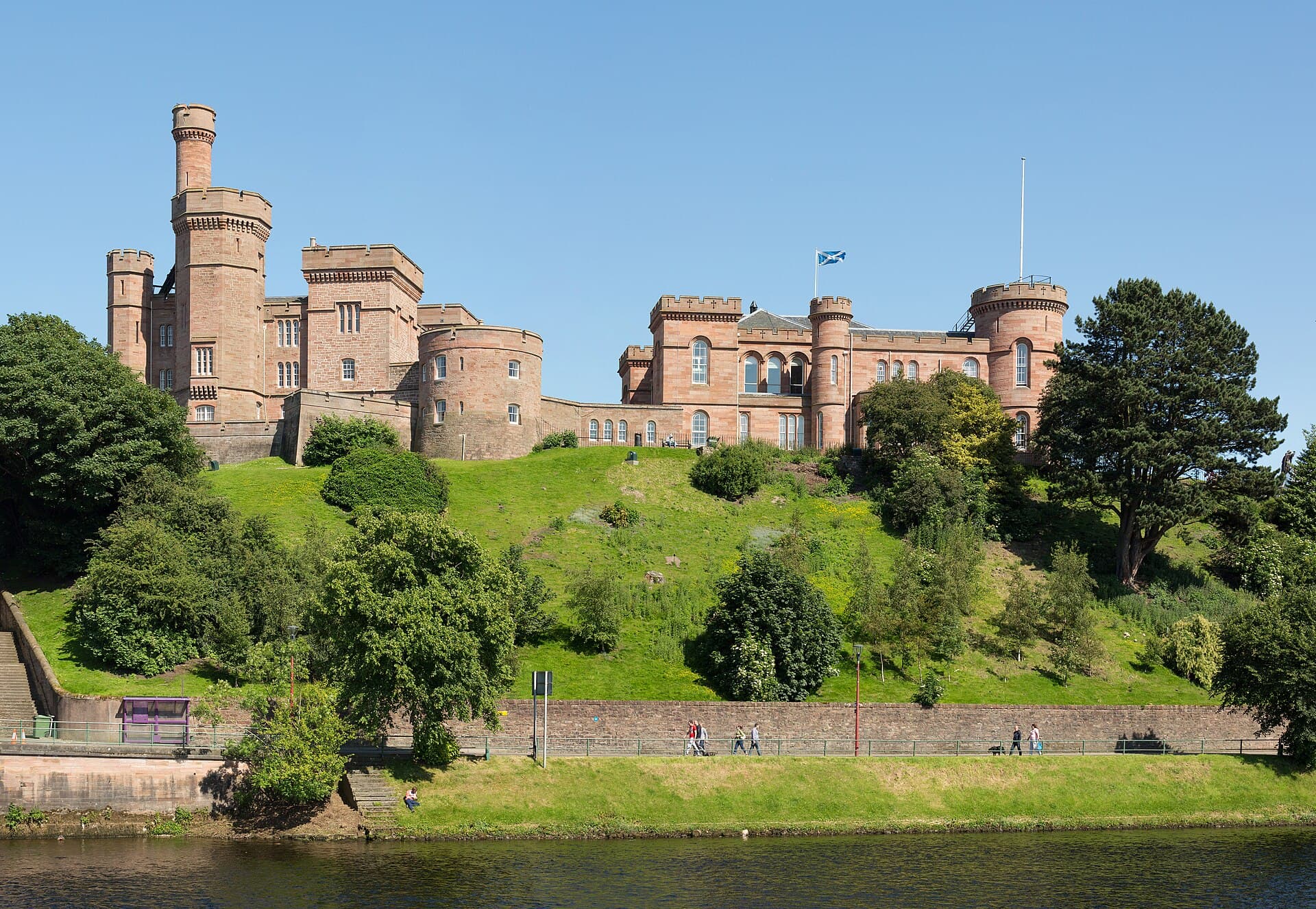 Inverness CastleThe red castle you see from every bridge in Inverness was a working courthouse r19 minutes walk
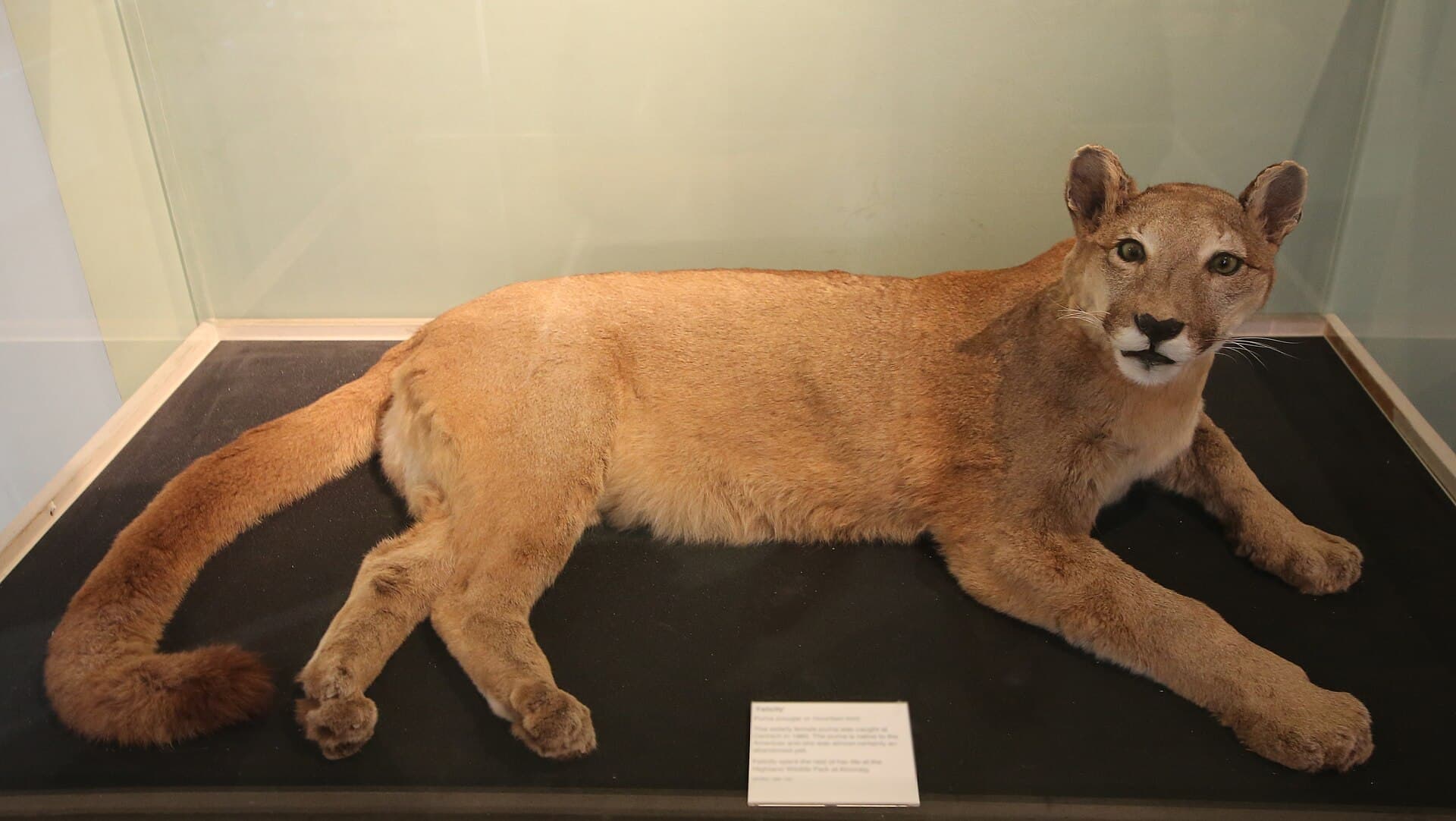 Inverness Museum and Art GalleryIn the ground-floor natural history room stands a stuffed puma, caught alive in 20 minutes walk
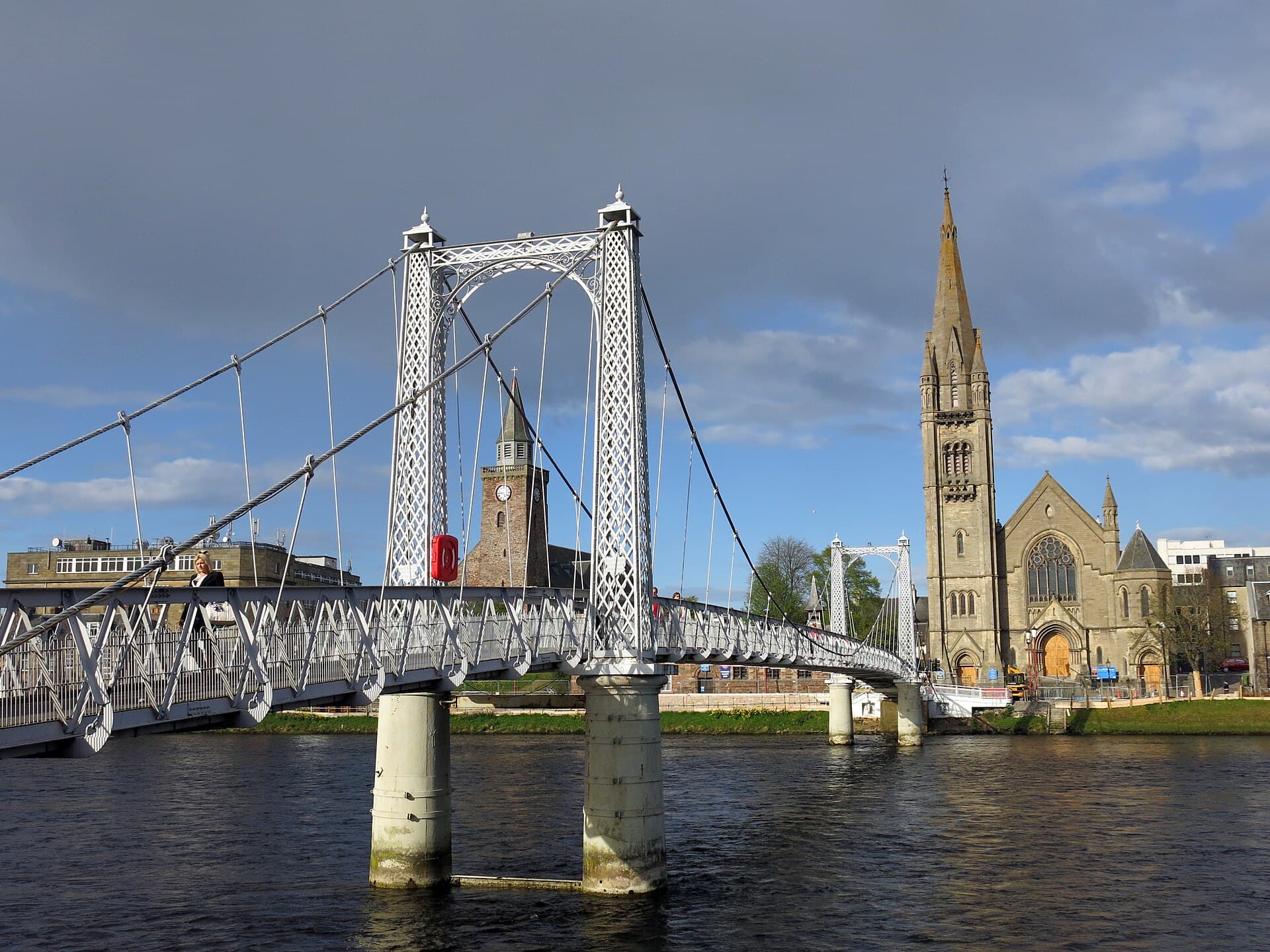 Greig Street BridgeInvernessians call it the Bouncy Bridge, and they are not exaggerating: get four22 minutes walk
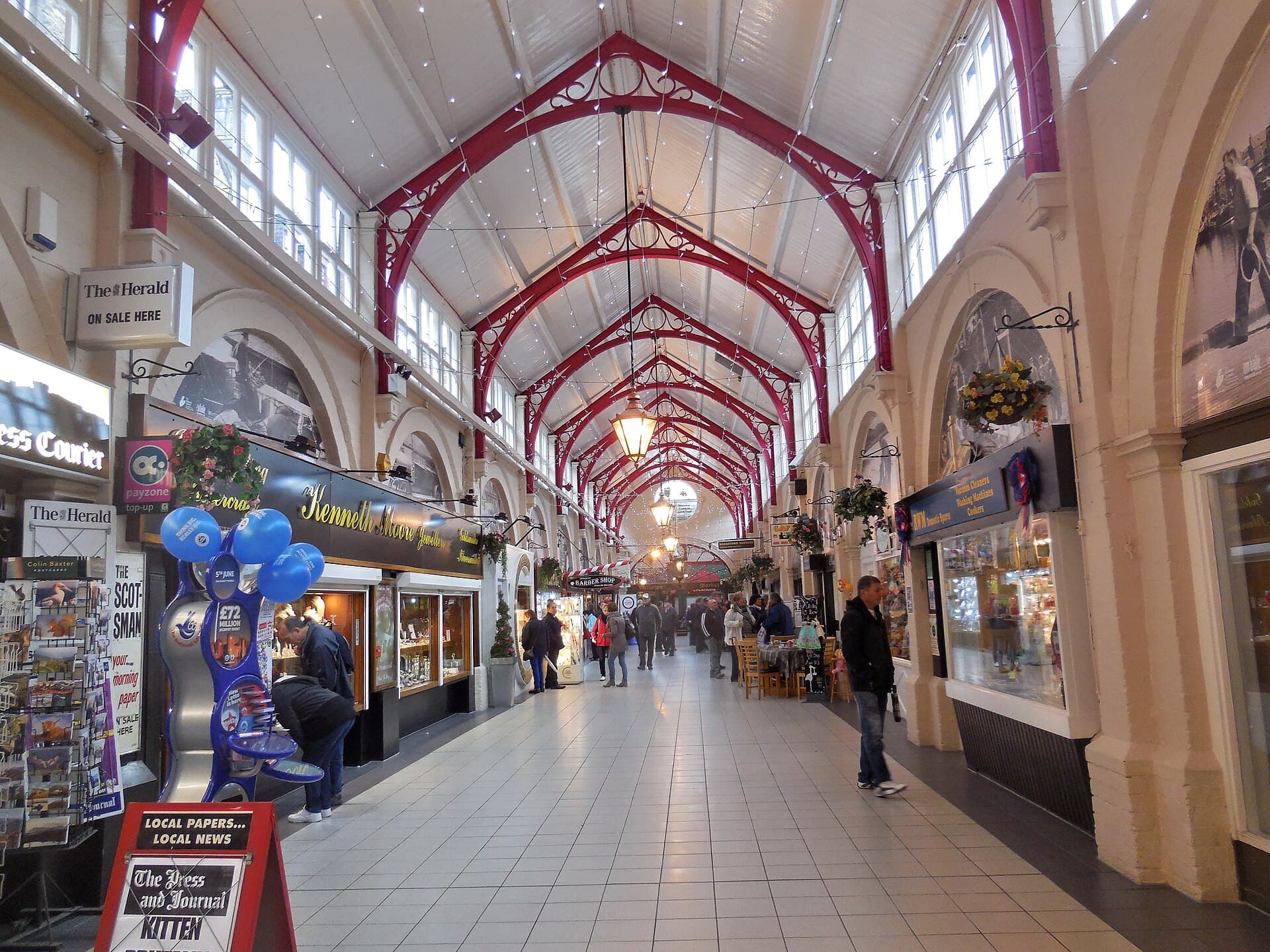 Victorian MarketIn 1889 this market burned to the ground, and the story told here is a bleak one22 minutes walk
If time is tight, Loch Ness and Urquhart Castle win, no contest. But the islands are the best hour you can spend inside Inverness itself and cost nothing, and in June and July the light lasts until around ten at night, so make them an after-dinner stroll rather than fighting them into the daytime plan.
Yes. The paths are level and mostly pushchair-friendly, and the suspension bridges themselves are a treat for children. What makes it worthwhile for a family with under-tens is Whin Park on the west bank, with its playground and miniature railway. After heavy rain, or in winter when the sun is down before four, pick another day.