
The central pulpit
A form the worship imposed on the building.
M.Minderhoud — CC BY-SA 3.0 · Rijksmuseum — CC0 · Rijksmuseum — CC0 · Rijksmuseum — CC0
The Nieuwe Kerk in The Hague was built between 1649 and 1656 as a Protestant church, and its design explains a theology: a star-shaped plan with two crossing naves and the pulpit at the centre, with no altar and no sanctuary — because Calvinist worship turns on the sermon rather than the sacrament, so the architecture places the preacher in the middle of the congregation. This was new at the time. The first Protestant churches were seized Catholic ones emptied of images; this was among the first in the Netherlands built as Protestant from the foundations, so its form came directly from its function. In the churchyard is the grave of Baruch Spinoza, the Dutch philosopher of Sephardic Jewish descent whose community expelled him and whose books the Christian churches condemned, and who died poor in 1677 grinding lenses. He was buried here although he was neither a Christian nor a believing Jew — and the present grave is a later monument, because the original position was lost.
A form the worship imposed on the building.
A churchyard monument to a philosopher both his community and the churches rejected.
Spui 175, 2511 The Hague
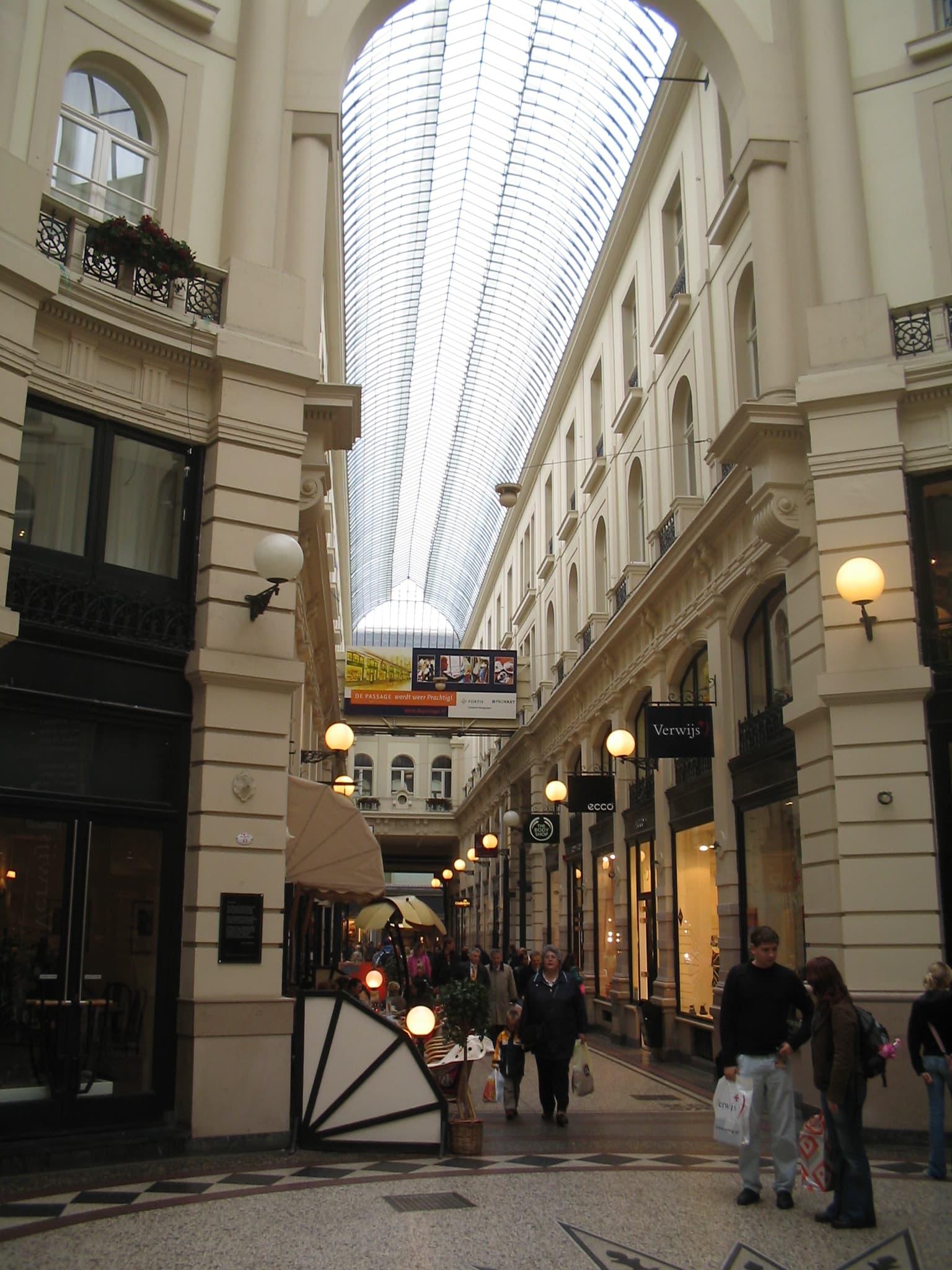 De PassageDe Passage is the oldest covered shopping arcade in the Netherlands, opened in 15 minutes walk4.3
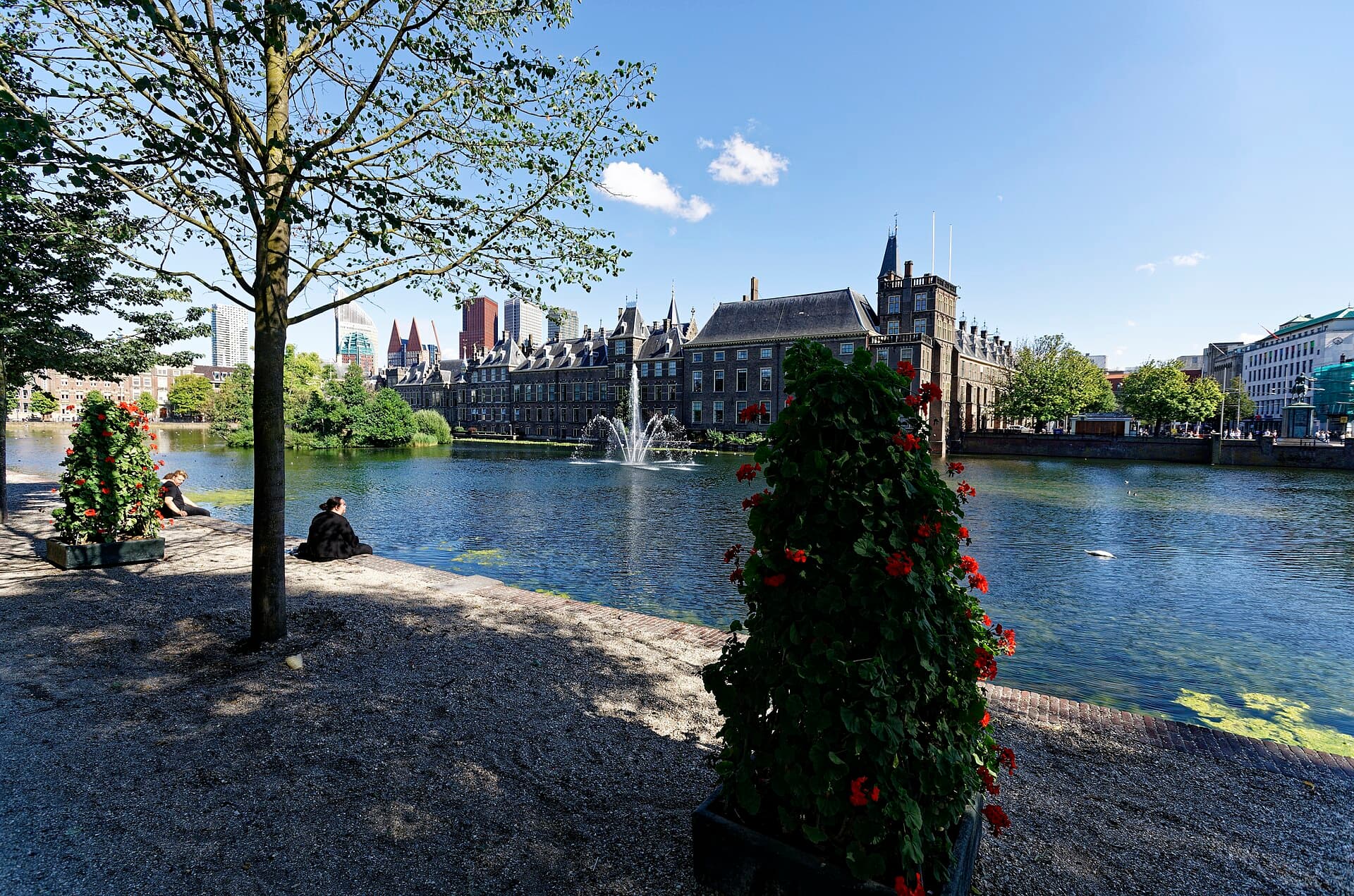 The BinnenhofThe world's oldest working parliament as building: the Binnenhof — 'inner court'5 minutes walk4.6
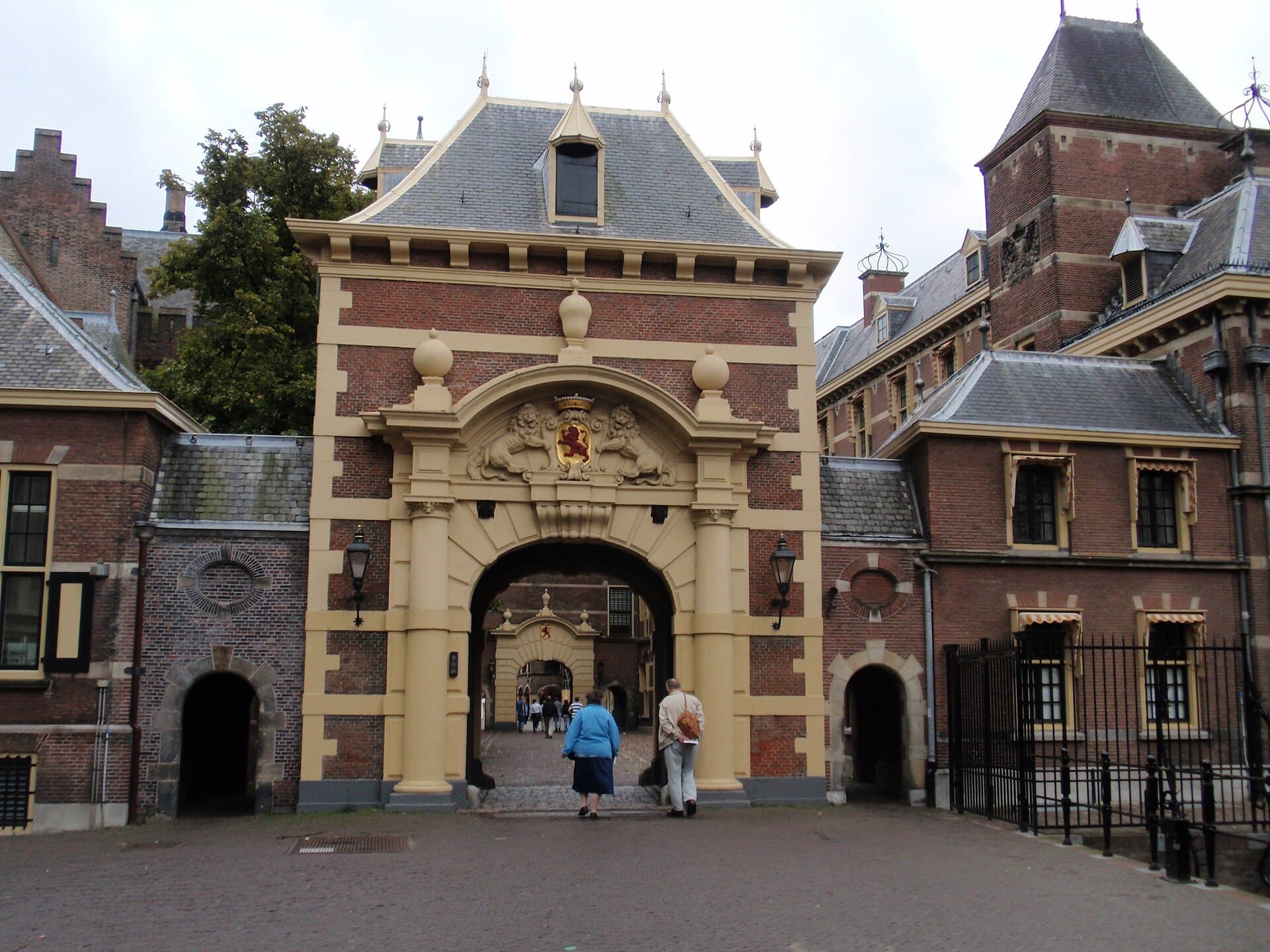 Grenadierspoort (Mauritspoort)A historic gate at the Binnenhof in The Hague, known by two names both in use: t5 minutes walk4.3
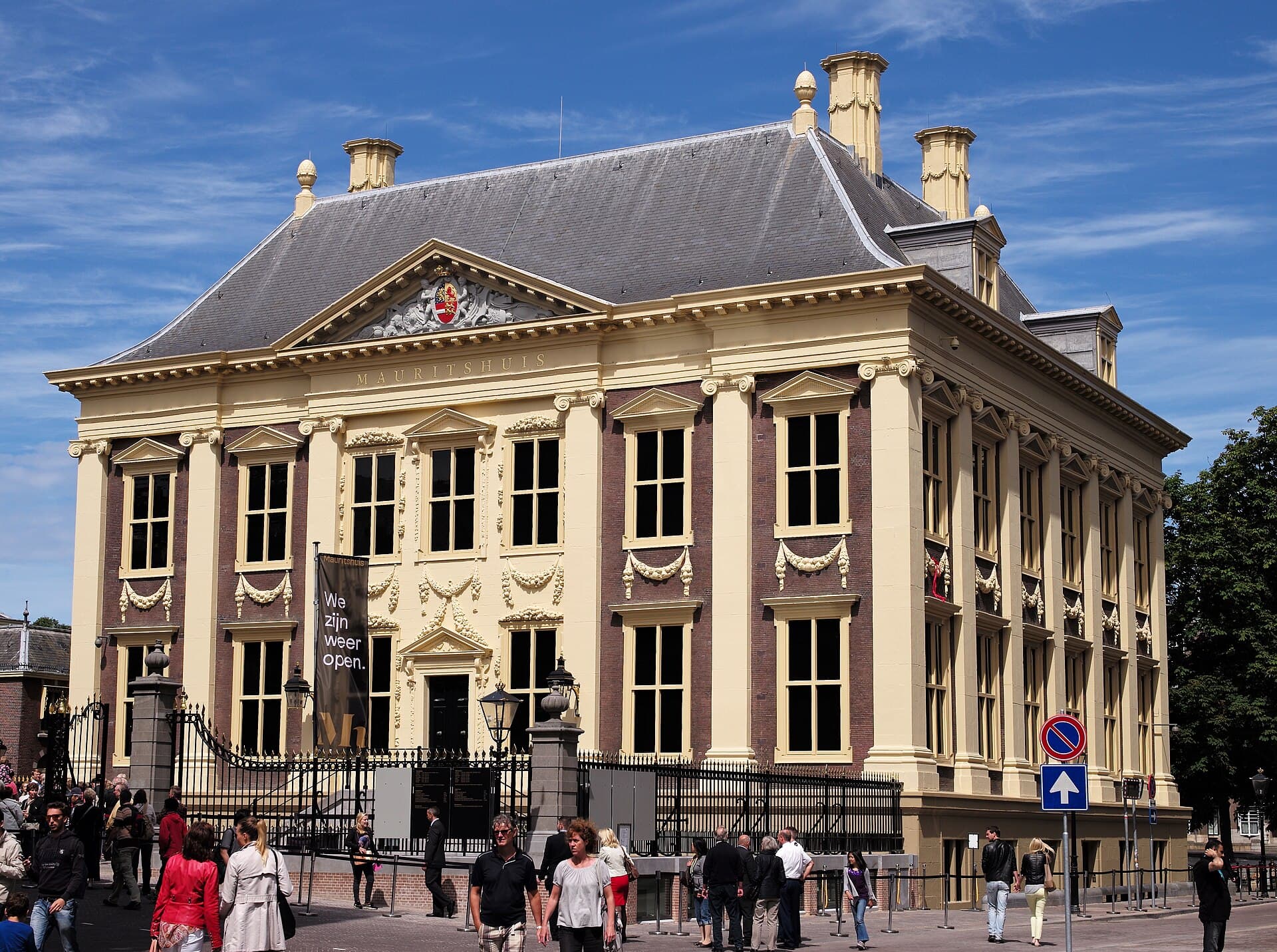 MauritshuisA small seventeenth-century palace in central The Hague, holding one of the fine6 minutes walk4.8
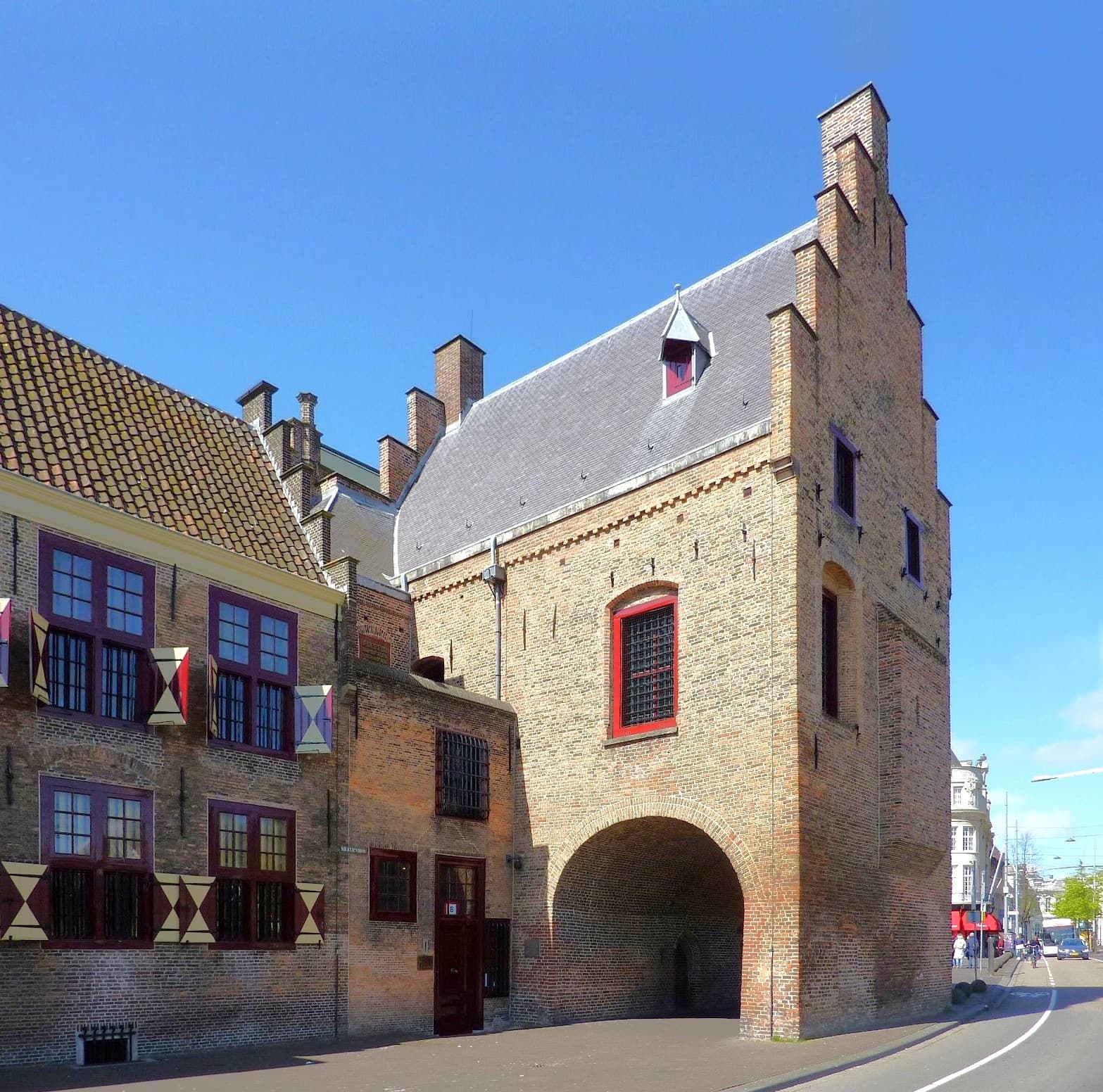 The Prison Gate MuseumA castle gate that became a prison that became a museum: the Gevangenpoort was b7 minutes walk4.3
A philosopher from Amsterdam (1632-1677), from a Sephardic Jewish family that had fled the Portuguese Inquisition. He argued that God and nature are one, that scripture is a historical text to be read critically, and that the state must guarantee freedom of thought. The Amsterdam Jewish community expelled him with a harsh ban at twenty-four, and the churches banned his books. He is now counted among the founders of the European Enlightenment, and the Netherlands treats him as the emblem of its tradition of intellectual tolerance.