
The class cells
Shared for the poor, private for those who paid.
Chris06 — CC BY-SA 4.0 · Foto: Johan Winkelman — CC BY-SA 4.0 · Johannes Petrus Albertus Antonietti — CC BY-SA 4.0 · Unknown authorUnknown author — CC BY-SA 4.0
A castle gate that became a prison that became a museum: the Gevangenpoort was built around 1370 as the entrance to the palace of the Counts of Holland, then served as the court prison from the fifteenth century until 1828 — and its rooms and cells were left as they were, making it the most completely preserved medieval prison in the Netherlands. The guided tour (the only way in) walks the shared cells of the poor and the private rooms of the wealthy, who paid for comfort, the torture chamber with its original instruments, and the courtroom — explaining how the law distinguished between classes even in punishment. The most famous thing that happened here was not inside: in 1672 a mob stormed the gate, dragged out the De Witt brothers, leaders of the Republic, killed them and mutilated their bodies in front of it — one of the most violent scenes in Dutch history. It stands on the Buitenhof beside the Hofvijver lake, with the Mauritshuis steps away.
Shared for the poor, private for those who paid.
1672, directly before the gate.
Buitenhof 33, The Hague
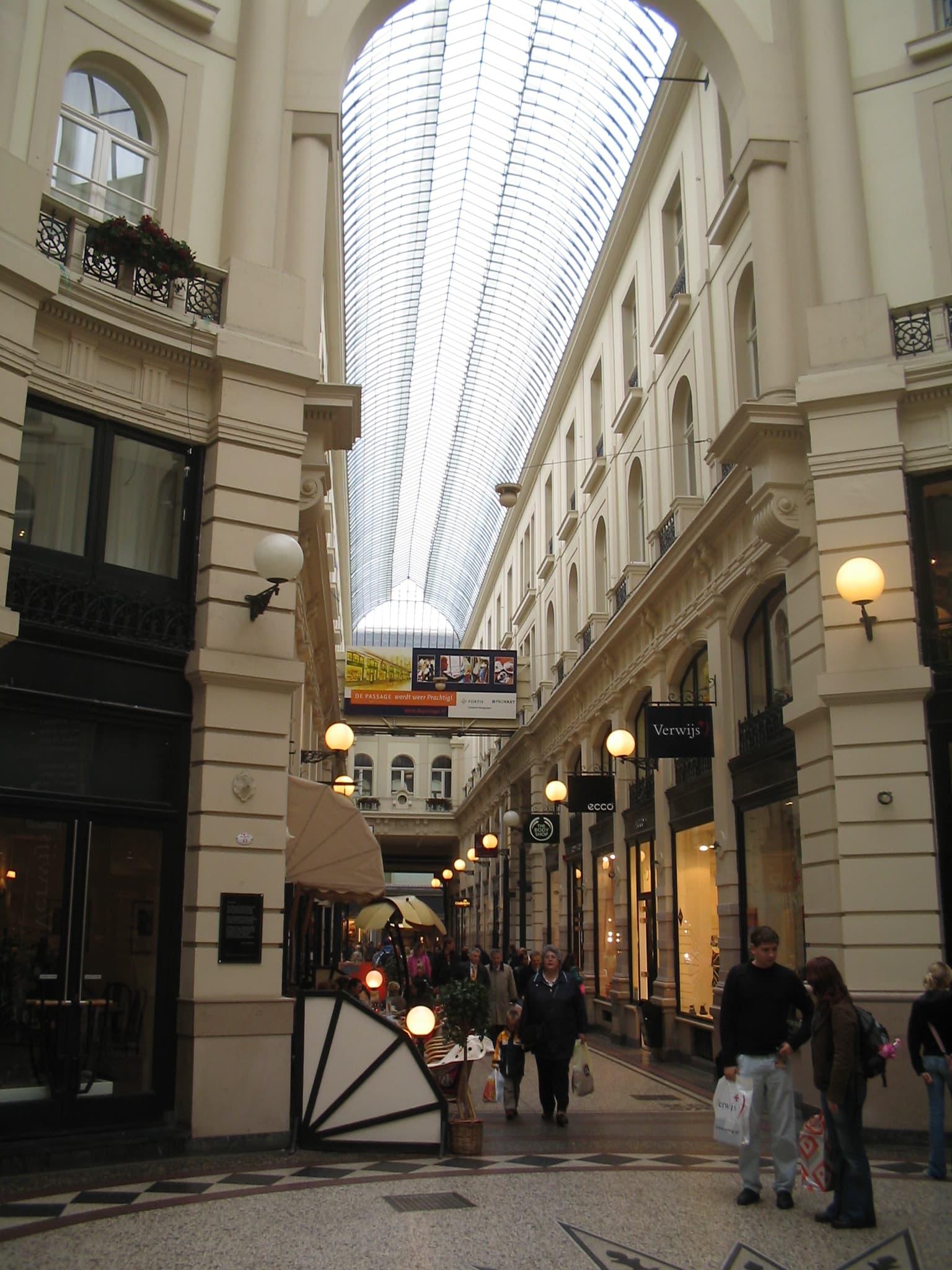 De PassageDe Passage is the oldest covered shopping arcade in the Netherlands, opened in 12 minutes walk4.3
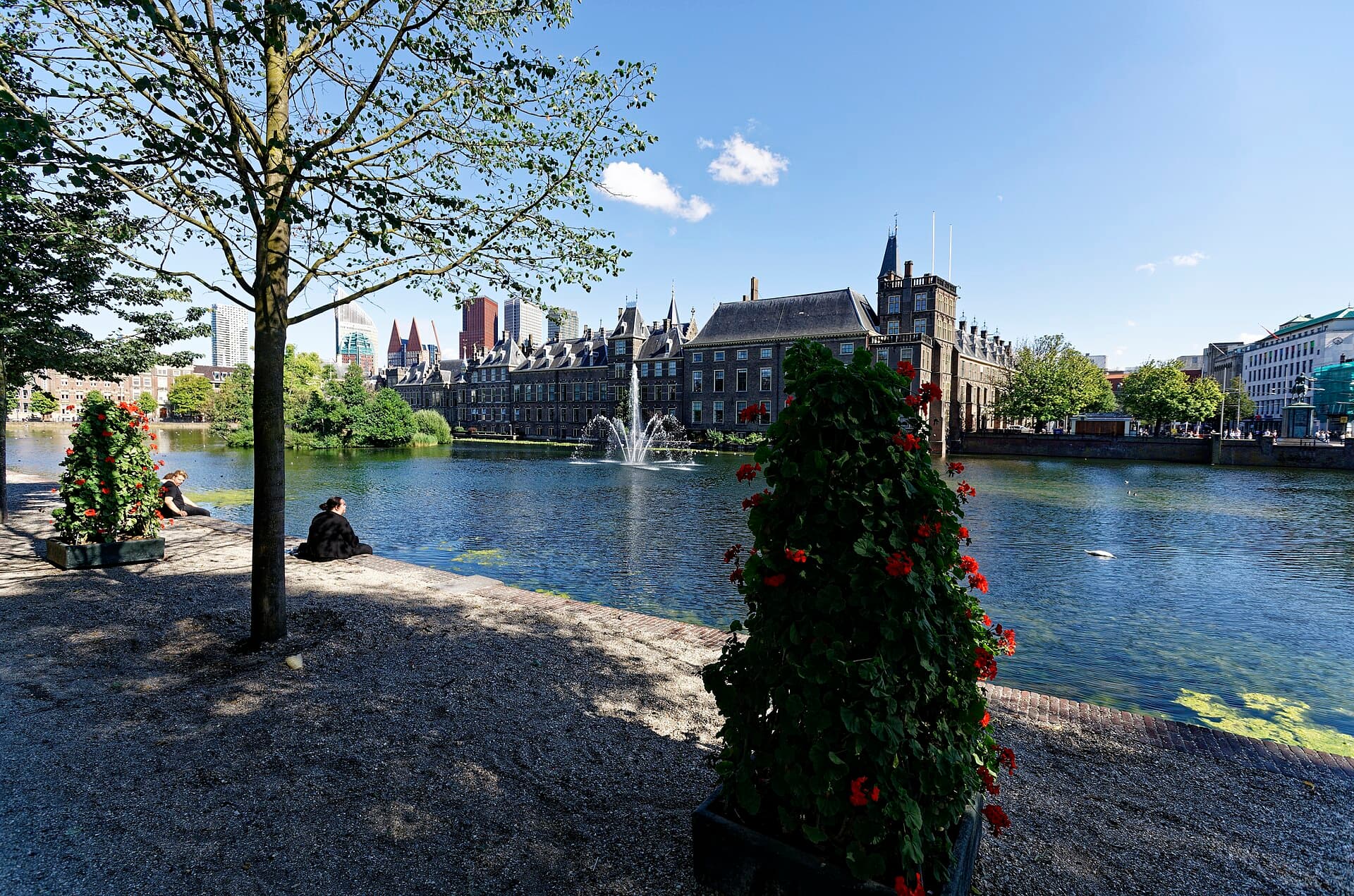 The BinnenhofThe world's oldest working parliament as building: the Binnenhof — 'inner court'3 minutes walk4.6
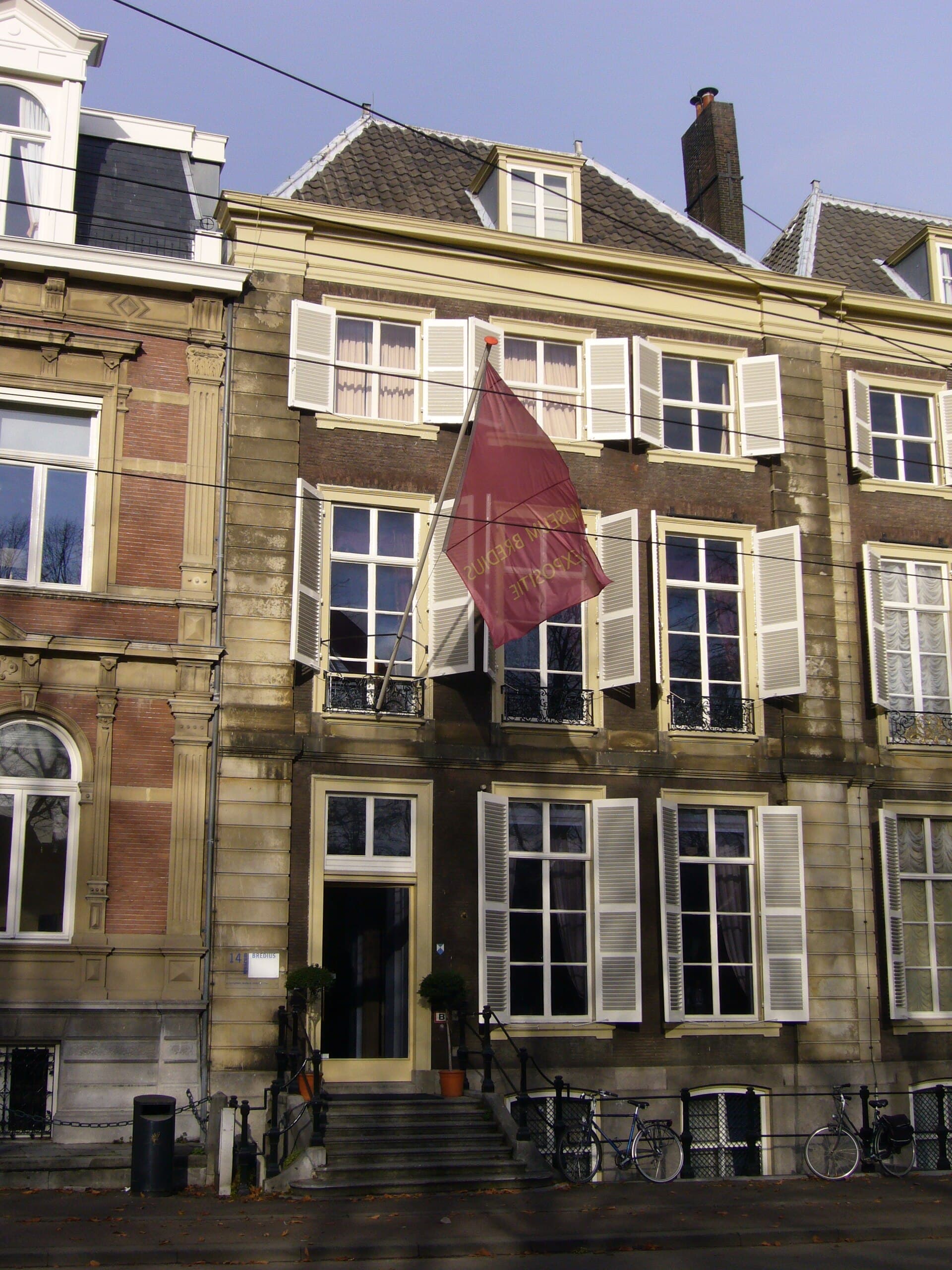 Museum BrediusMuseum Bredius is an eighteenth-century house on a canal near the Binnenhof, hol3 minutes walk4.6
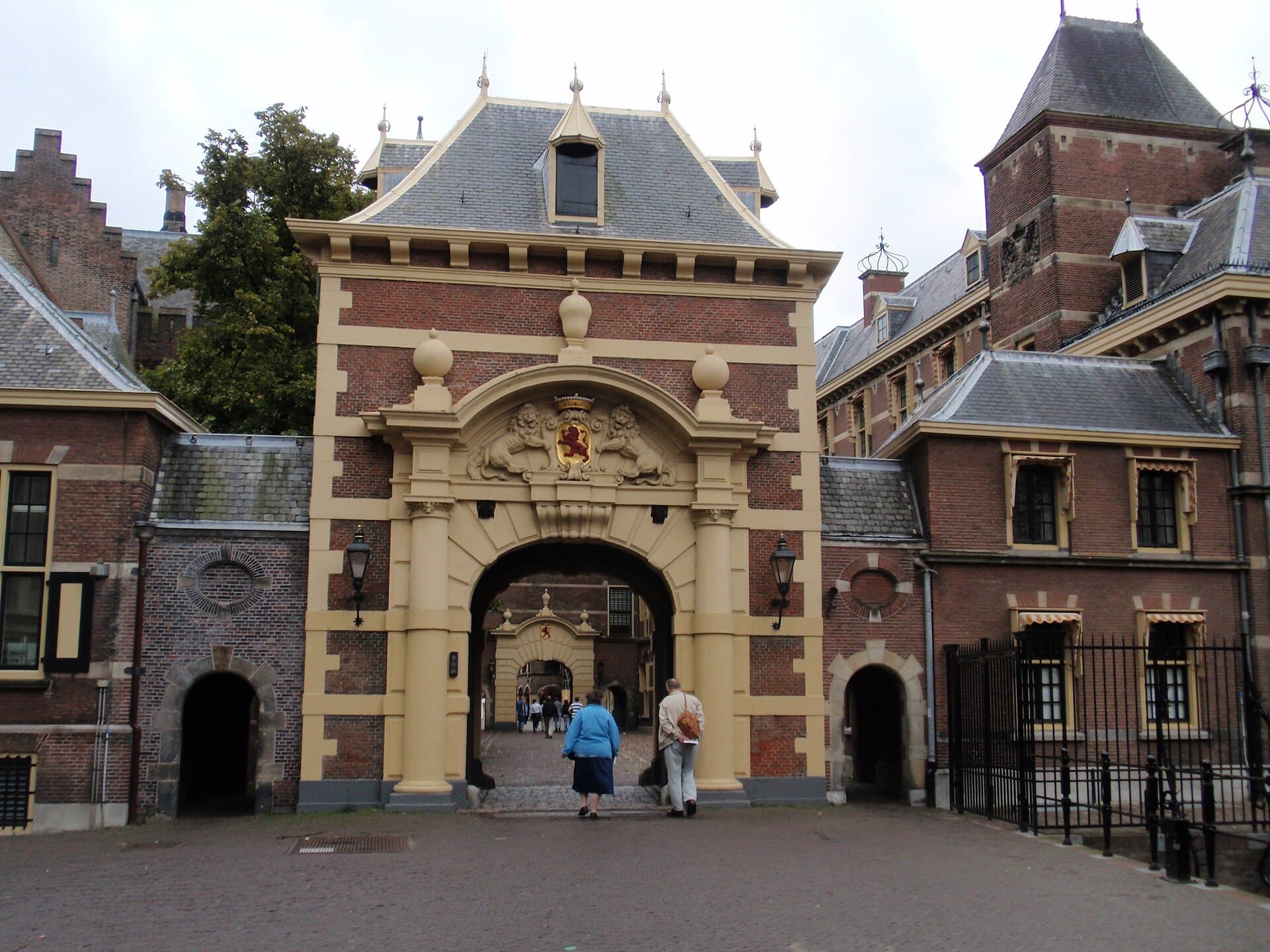 Grenadierspoort (Mauritspoort)A historic gate at the Binnenhof in The Hague, known by two names both in use: t3 minutes walk4.3
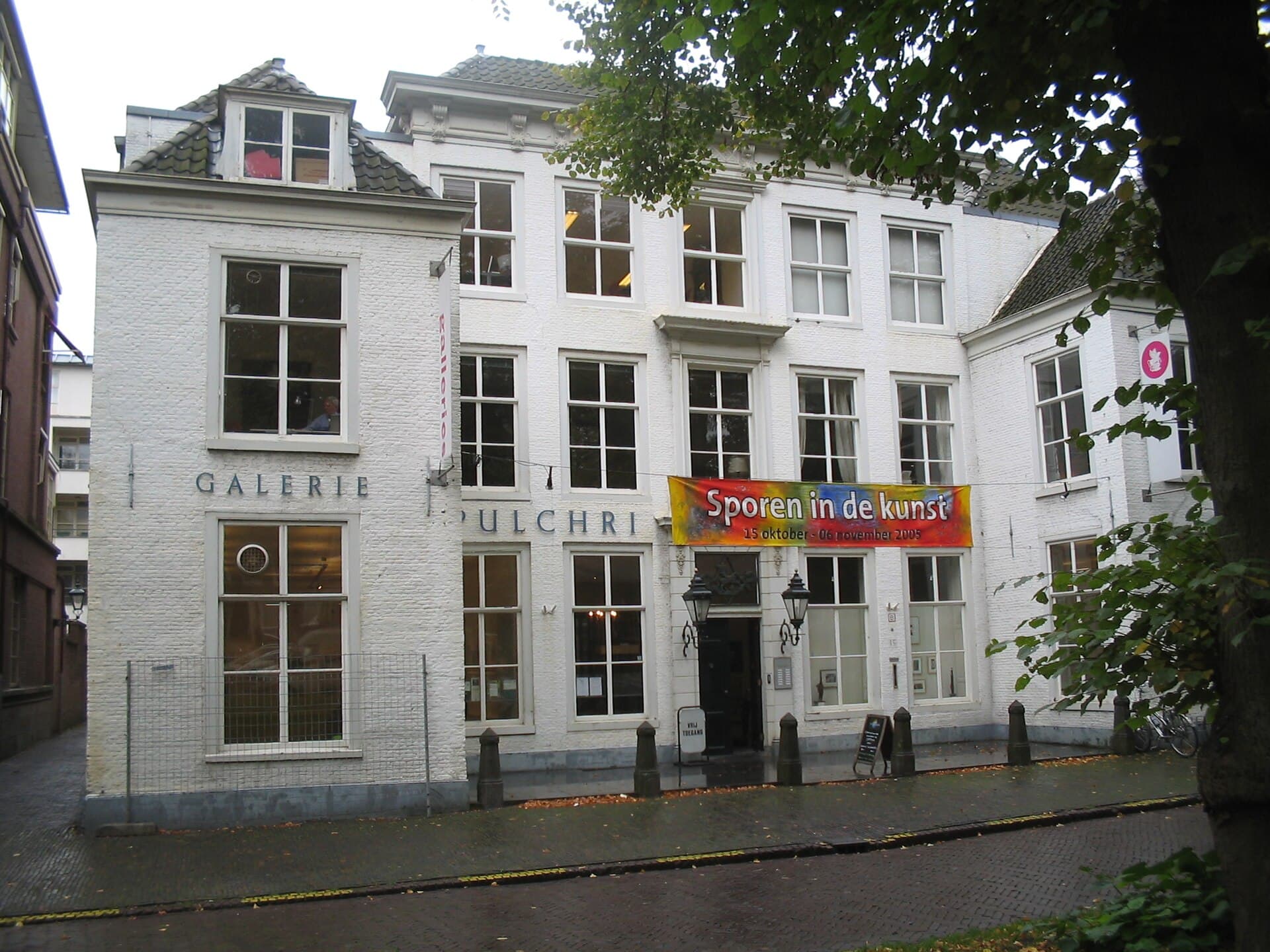 Pulchri StudioAn artists' society and exhibition rooms in an eighteenth-century mansion on the3 minutes walk4.3
Johan and Cornelis de Witt, leaders of the Dutch Republic in its golden age; blamed for the disaster of 1672 and killed by a mob — their fate a Dutch byword for the danger of crowd fury.