
The Zeiss projector
A machine that survived the war underground.
DALIBRI — CC BY-SA 3.0 · DALIBRI — CC BY-SA 3.0 · DALIBRI — CC BY-SA 3.0 · DALIBRI — CC BY-SA 3.0
A municipal planetarium standing at Plaerrer beside the city energy company's tower, named after Copernicus. Its story begins well before the present building. Nuremberg's first planetarium opened on the tenth of April nineteen twenty-seven on Rathenauplatz, designed by the architect Otto Ernst Schweizer, and was among the earliest built anywhere in the world. It did not last. In February nineteen thirty-four the order came to demolish it, on the pretext that the domed building looked like a synagogue, and by May of that year nothing was left. The Zeiss projector, however, was dismantled and put into storage, survived the war in the art bunker under the old town, was overhauled at the company's works and installed in the new building that opened on the eleventh of December nineteen sixty-one. The machine, in other words, outlived the ideology that pulled down its house. A visit here means one show rather than an exhibition to wander through. Performances run at fixed times: children's programmes on Wednesday, Saturday and Sunday afternoons, family programmes after them, and adult shows on Thursday, Friday and Saturday evenings. The programme is largely in German, which is the single most important thing to know before booking. The auditorium is air-conditioned, admission starts about ten minutes before each show, and then the door closes.
A machine that survived the war underground.
One show of about an hour beneath the dome.
Am Plaerrer 41, 90429 Nuremberg
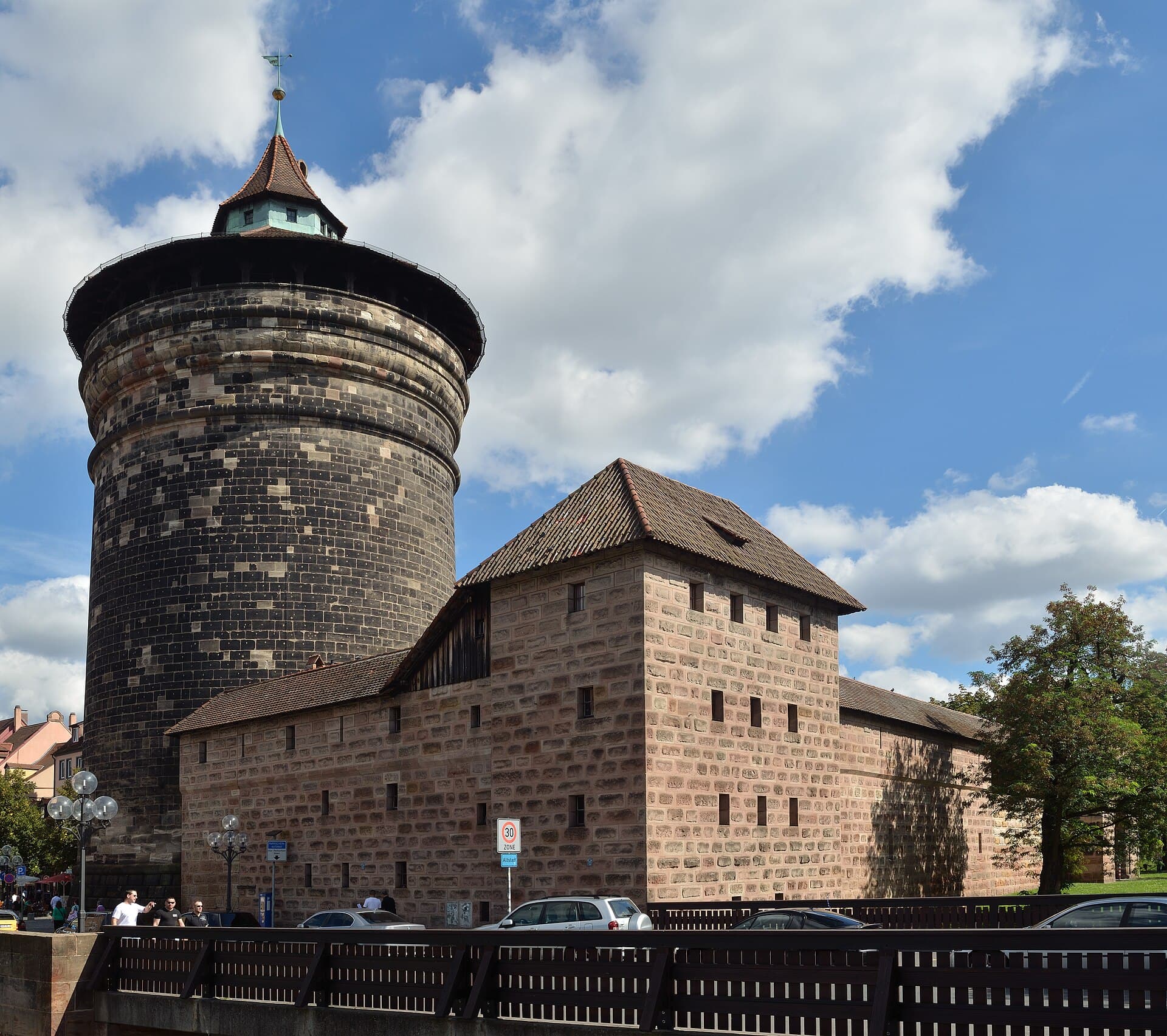 Spittlertor TowerOne of the four great round towers of Nuremberg's last city wall, standing at th4 minutes walk4.6
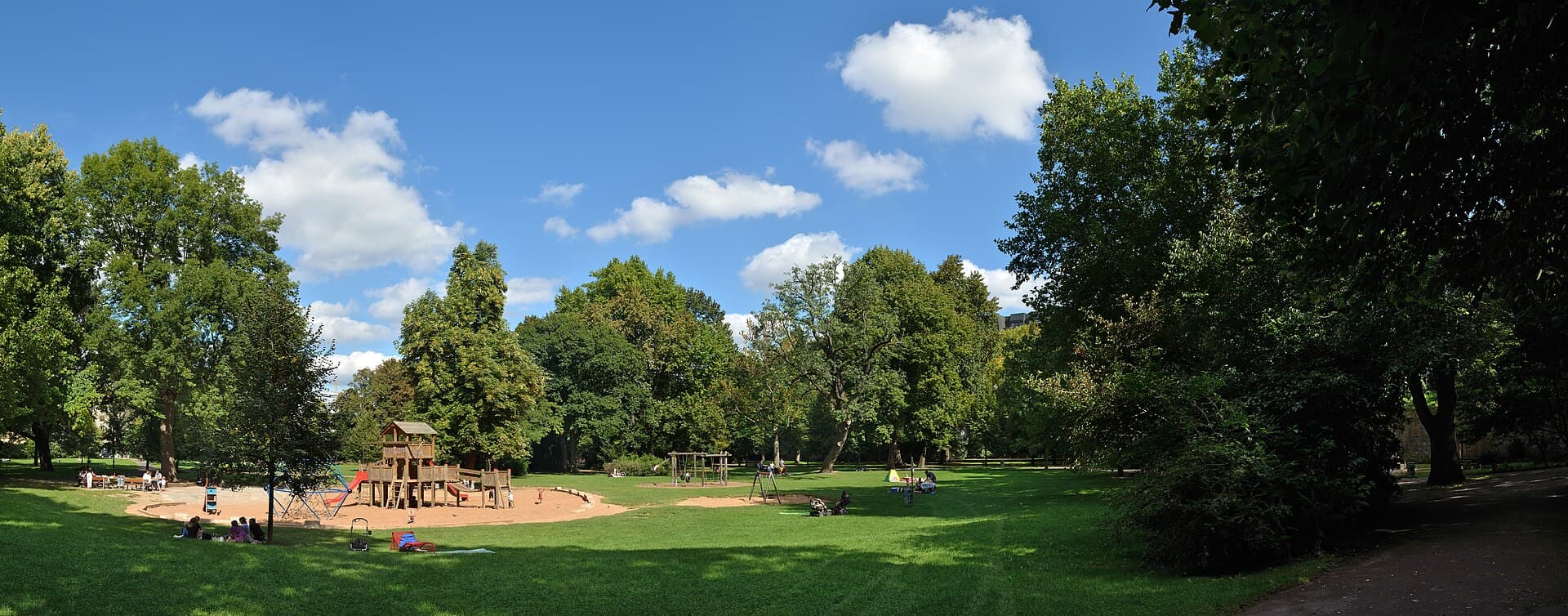 Rosenau ParkA park of about three hectares west of the old town beyond the Fuerther Tor, in 5 minutes walk4.4
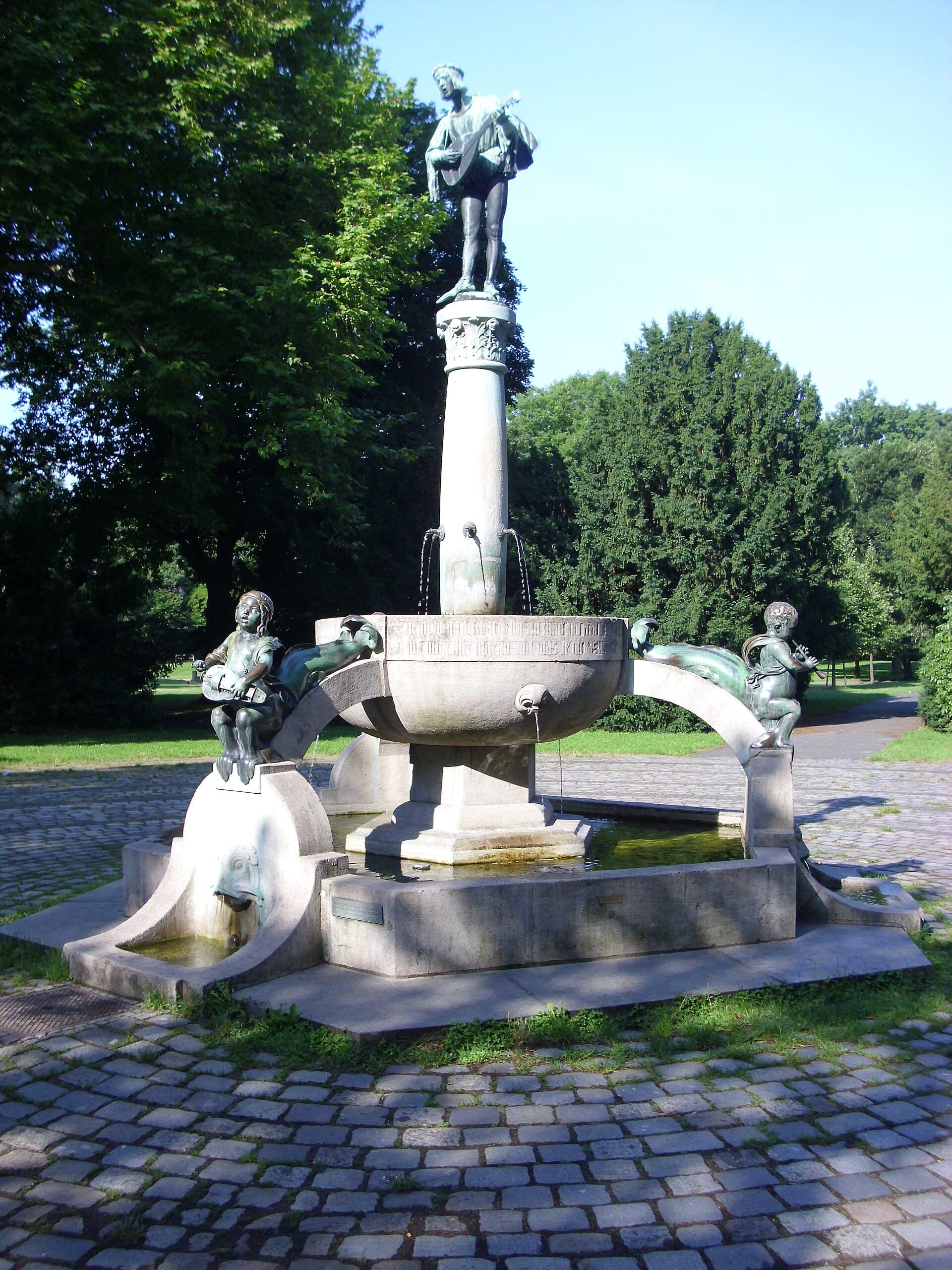 The Minnesinger FountainA stone fountain with a hexagonal basin in the Kleinweidenmühle district of Nure5 minutes walk4.5
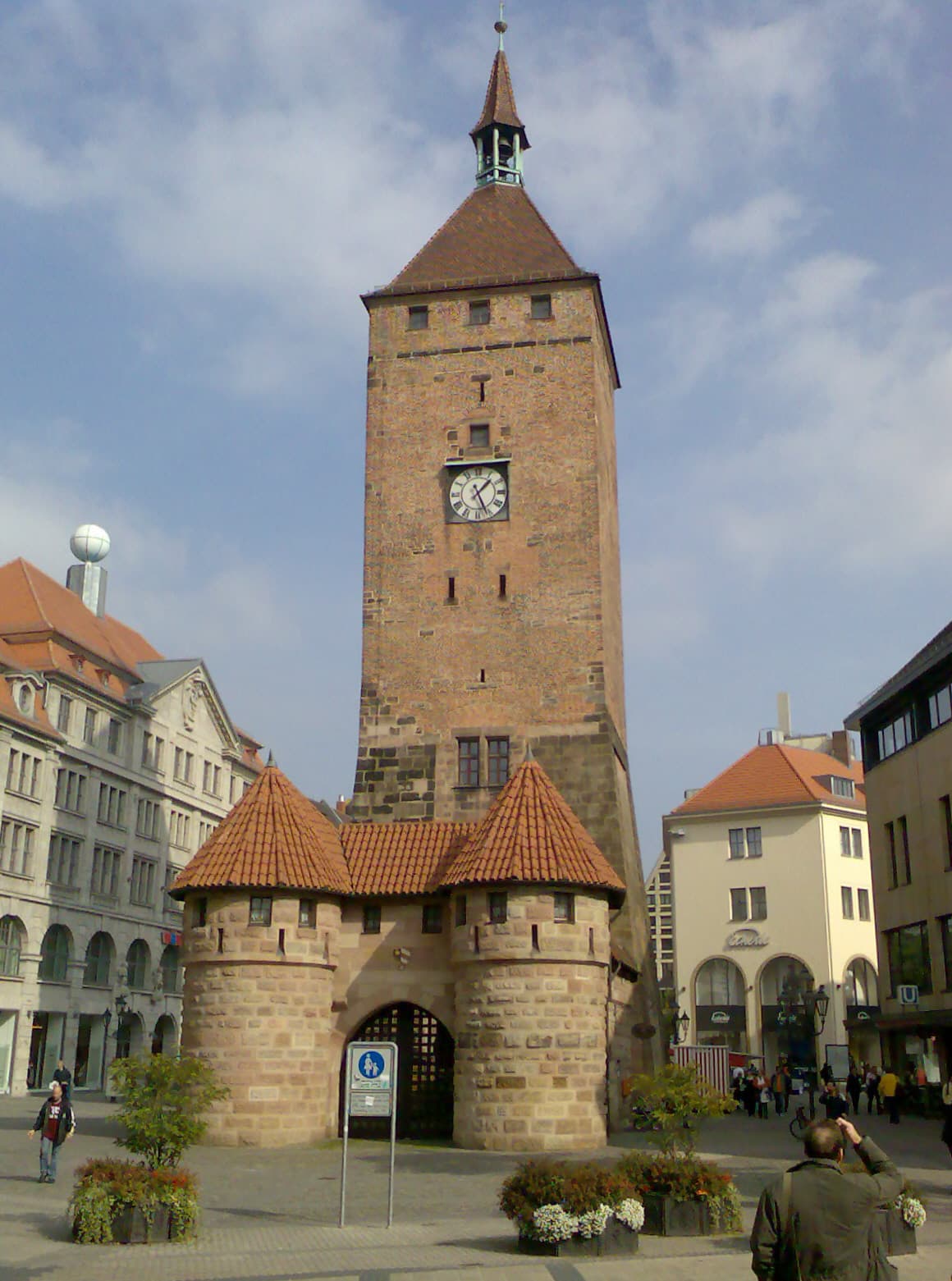 Weisser TurmThe Weisser Turm is an old gate from Nuremberg's inner wall, built in the thirte8 minutes walk4.7
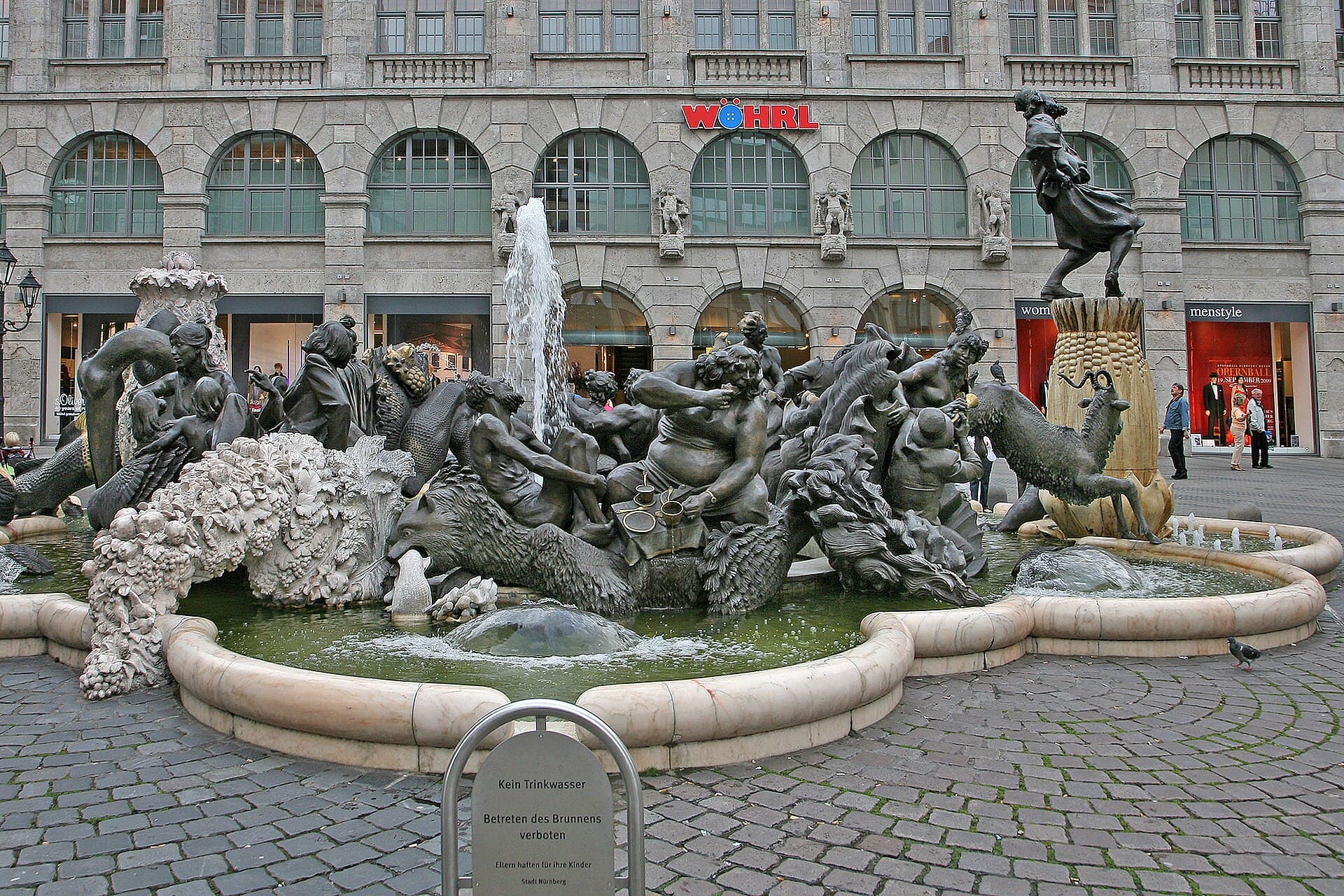 Ehekarussell FountainThe Ehekarussell is a strange modern fountain on Ludwigsplatz, near the Frauento8 minutes walk4.5
The regular programme is in German, and shows in other languages are the exception rather than the rule. If you have no German, the imagery alone carries some of the purely visual sky shows, but the live presentations and lectures depend entirely on the commentary. Check the schedule before booking and do not assume a translation.