
The minnesinger fountain
Philipp Kittler's sculpture of nineteen hundred and five.
André Karwath aka Aka — CC BY-SA 2.5 · Rijksmuseum — CC0 · Aarp65 at German Wikipedia — Public domain · Verschiedene — Public domain
A park of about three hectares west of the old town beyond the Fuerther Tor, in the Kleinweidenmuehle district. The ground has been in use a long time: the Teutonic Order bought land in this corner of Nuremberg in the thirteenth century to lay out supply gardens, and the site was long known as the knights' bleaching field, because linen was spread here to whiten in the sun. It has only been called the Rosenau since eighteen twenty-eight. Its liveliest chapter was short. In eighteen twenty-seven the businessman Johann David Wiss bought the ground and in very little time turned it into a large pleasure garden by the standards of the day, with ornamental bridges, a rock cellar, an inn and a dance pavilion in the Chinese manner. From eighteen eighty-four a company took it over and ran it commercially. The Second World War destroyed it almost completely, and its lake was filled in afterwards as the district around it was built up. What is left is far smaller: broad lawns, groups of trees some of them old, a large playground and a kiosk at the northern end selling drinks and light food. Its one monument is the minnesinger fountain by the sculptor Philipp Kittler, made in nineteen hundred and five and moved here from a nearby garden after the war. This is a neighbourhood park rather than a sight, worth half an hour if you are staying close by or walking on to the Hesperides gardens.
Philipp Kittler's sculpture of nineteen hundred and five.
The park's biggest and busiest feature.
Rosenaustrasse, 90429 Nuremberg
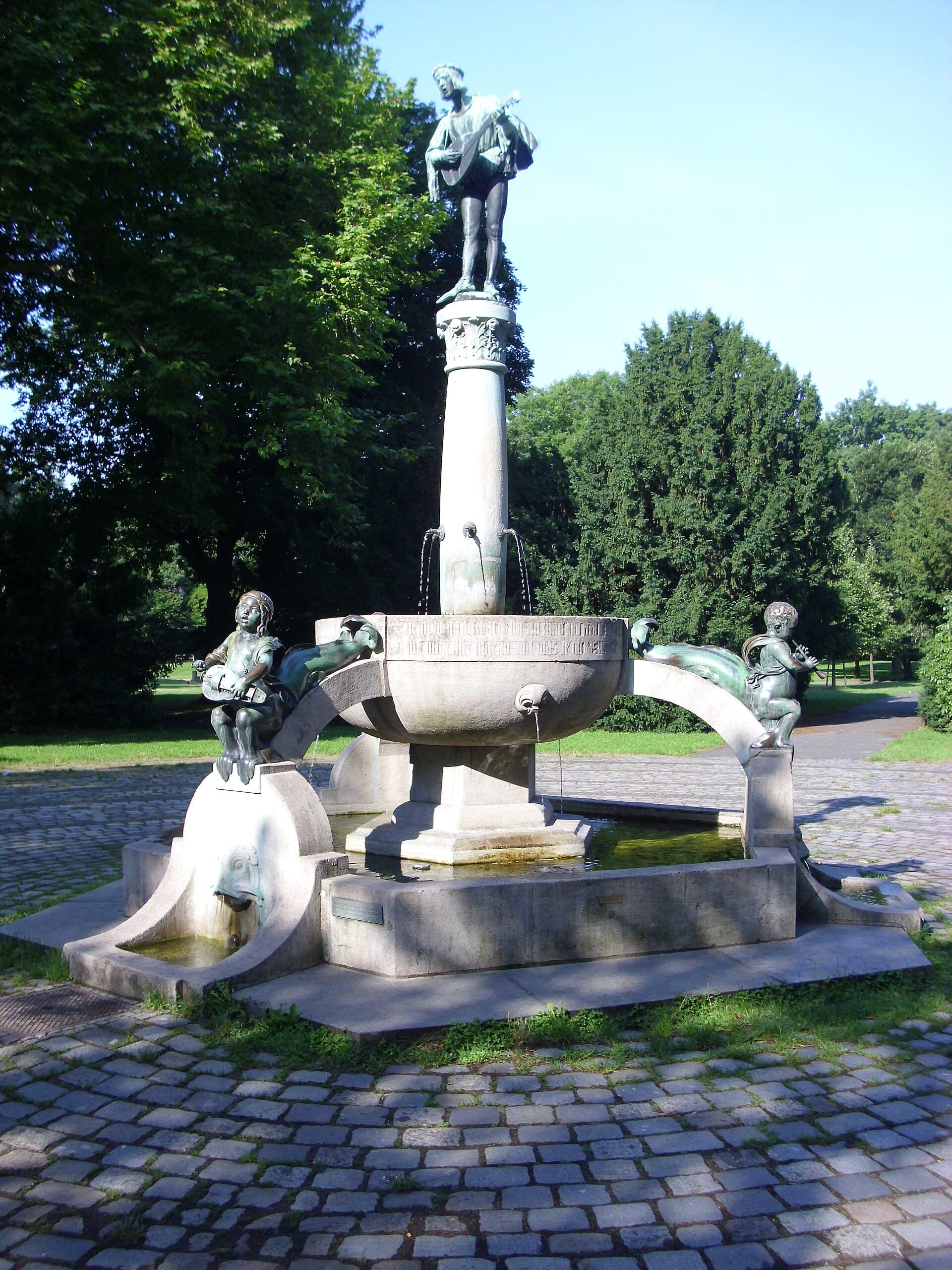 The Minnesinger FountainA stone fountain with a hexagonal basin in the Kleinweidenmühle district of Nure1 minute walk4.5
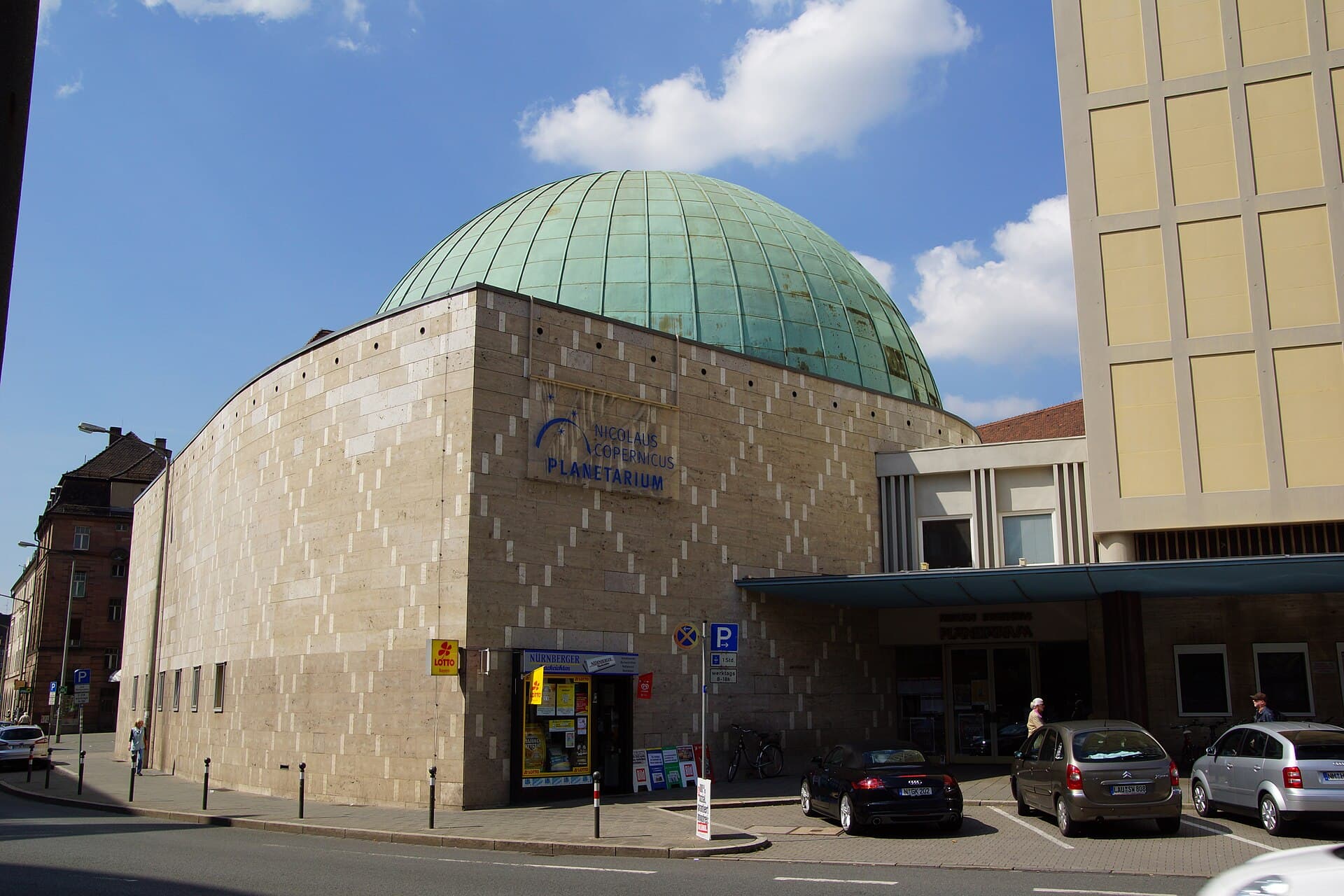 Nicolaus Copernicus PlanetariumA municipal planetarium standing at Plaerrer beside the city energy company's to5 minutes walk4.4
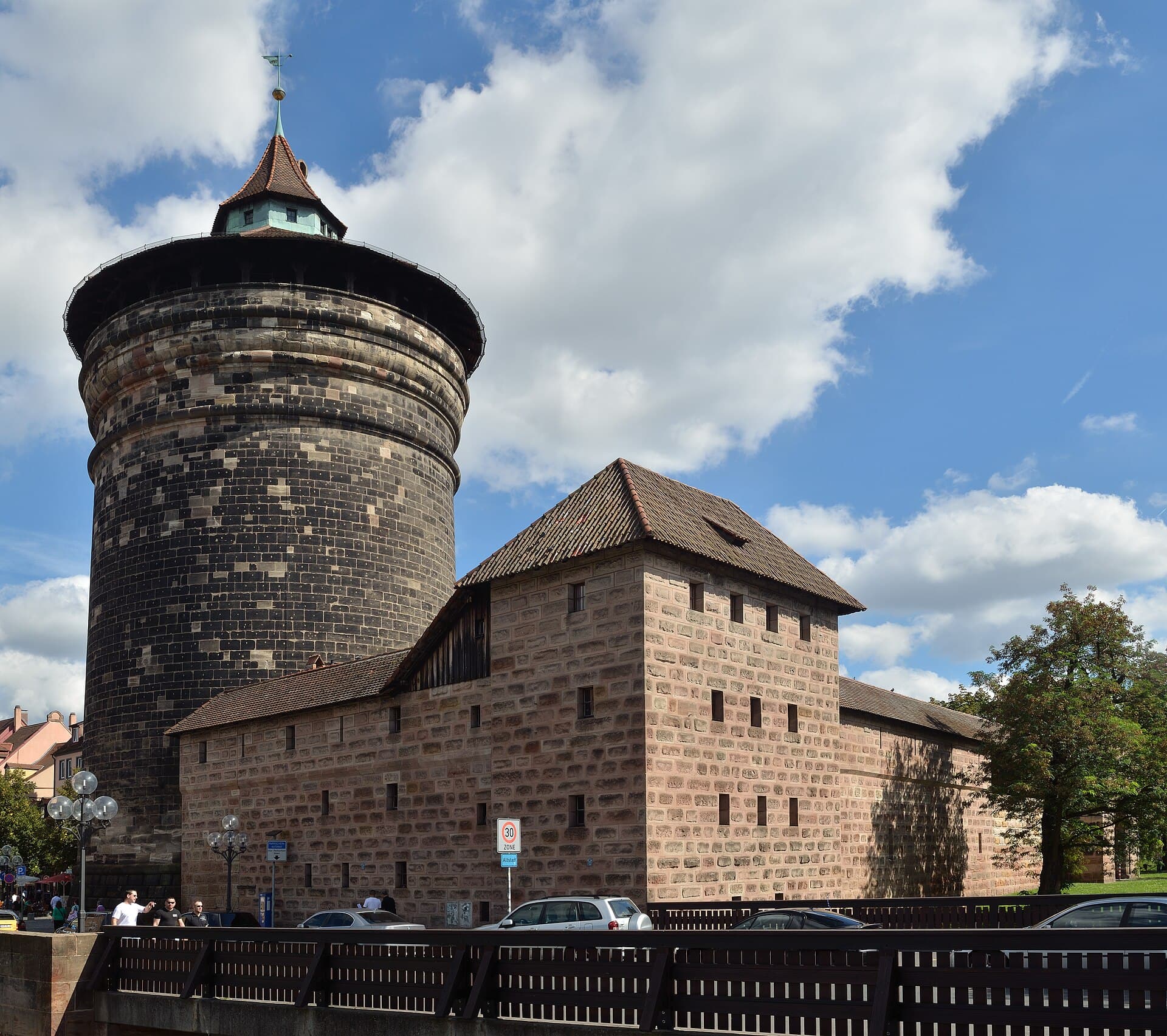 Spittlertor TowerOne of the four great round towers of Nuremberg's last city wall, standing at th5 minutes walk4.6
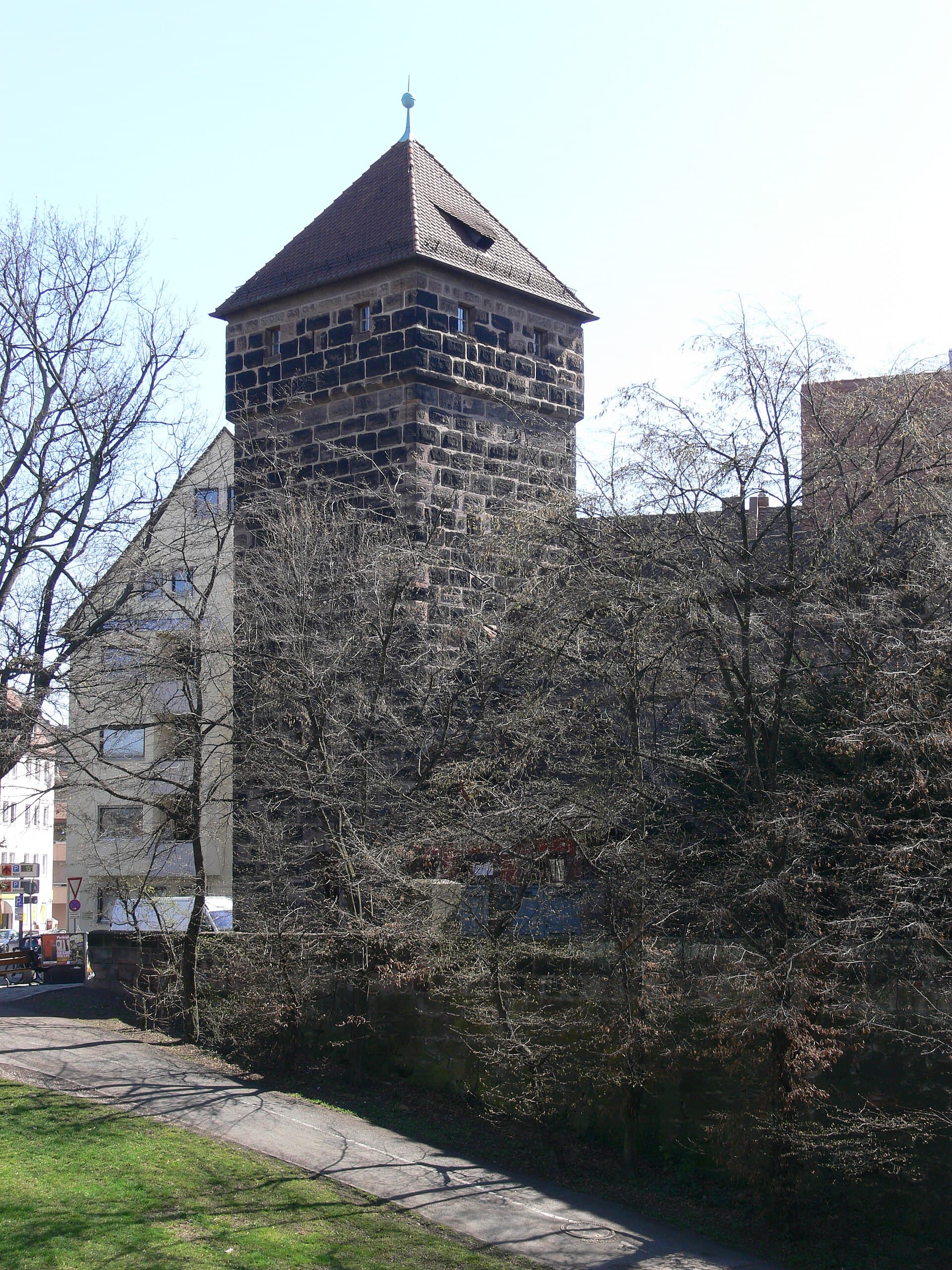 The Tower of the SensesThe Turm der Sinne is an interactive science museum inside a medieval defensive 5 minutes walk4.1
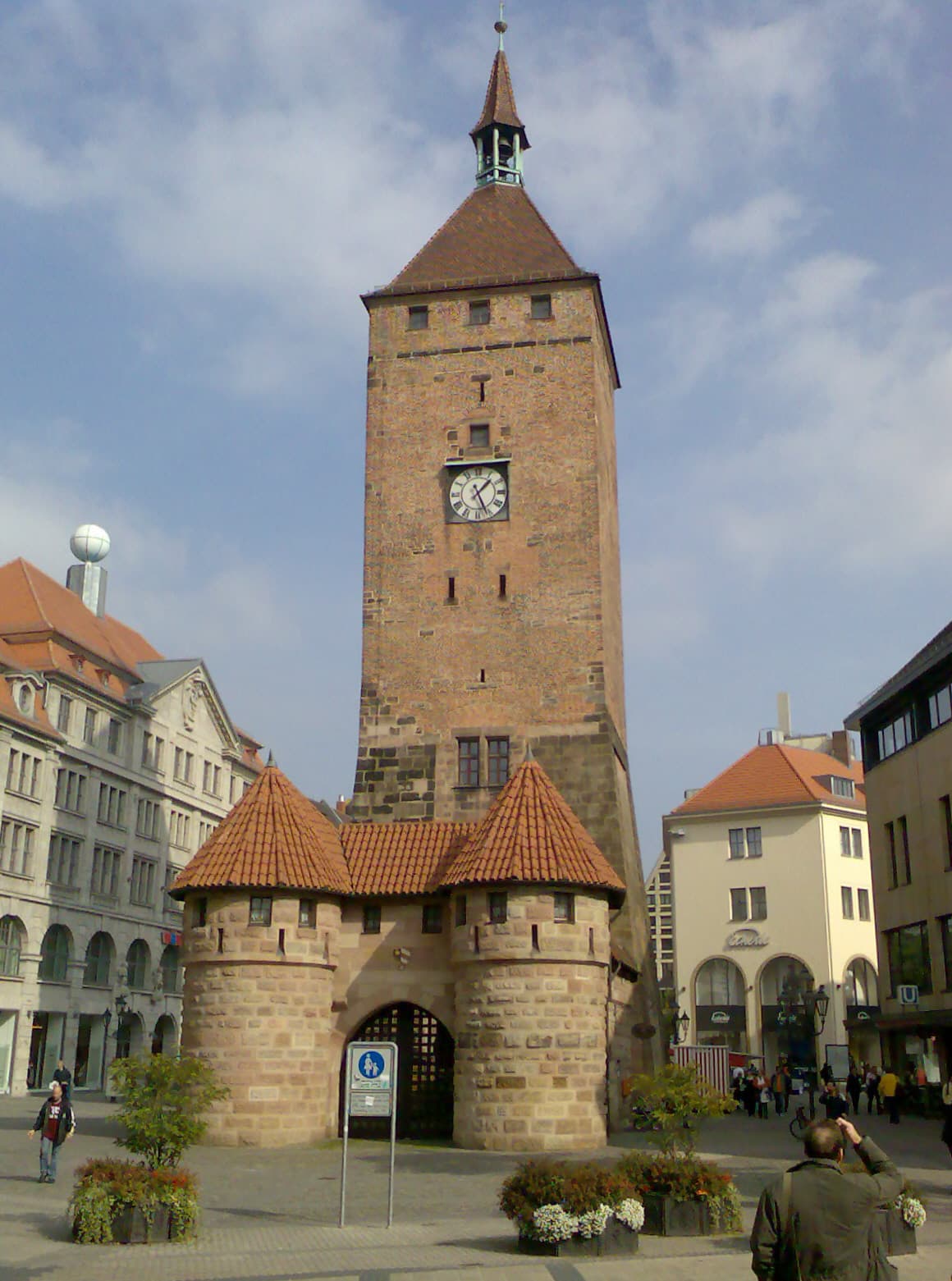 Weisser TurmThe Weisser Turm is an old gate from Nuremberg's inner wall, built in the thirte6 minutes walk4.7
It was filled in after the Second World War. Until nineteen thirty-nine the Rosenau was a pleasure garden with its own lake, bridges and restaurants; the war destroyed it, and as the surrounding district was built up the lake could no longer be maintained and was covered over. What you see today is lawn on a much smaller footprint than the original park.