
From nobles to craftsmen
Minnesingers were courtly; Meistersingers were craftsmen in poetic guilds.
Aarp65 — Public domain · Public domain · Aarp65 — CC BY-SA 3.0 · Aarp65 — CC BY-SA 3.0
A stone fountain with a hexagonal basin in the Kleinweidenmühle district of Nuremberg, listed as a protected heritage structure, named after the Minnesingers, the German poets of the Middle Ages. The Minnesingers were poets and singers at the German courts between the twelfth and fourteenth centuries, composing and performing lyric poetry about courtly love — the German parallel to the troubadours of southern France. Many were nobles, some are known by name, and their work survives in illuminated manuscripts. Nuremberg was later associated with a different tradition that grew out of it: the Meistersingers, middle-class craftsmen who organised themselves into poetic guilds with strict rules of composition and performance, and who flourished in the city in the fifteenth and sixteenth centuries. Hans Sachs, the Nuremberg shoemaker and poet, is the best known, and Wagner made him the hero of his opera The Mastersingers of Nuremberg. Practical points: the fountain is on a public street, free and always open, outside the historic centre. The visit is minutes and does not justify a dedicated trip.
Minnesingers were courtly; Meistersingers were craftsmen in poetic guilds.
Nuremberg's poetic guilds set written rules for composition and performance.
A shoemaker and poet, and the hero of Wagner's Mastersingers of Nuremberg.
Kleinweidenmühle district, Nuremberg
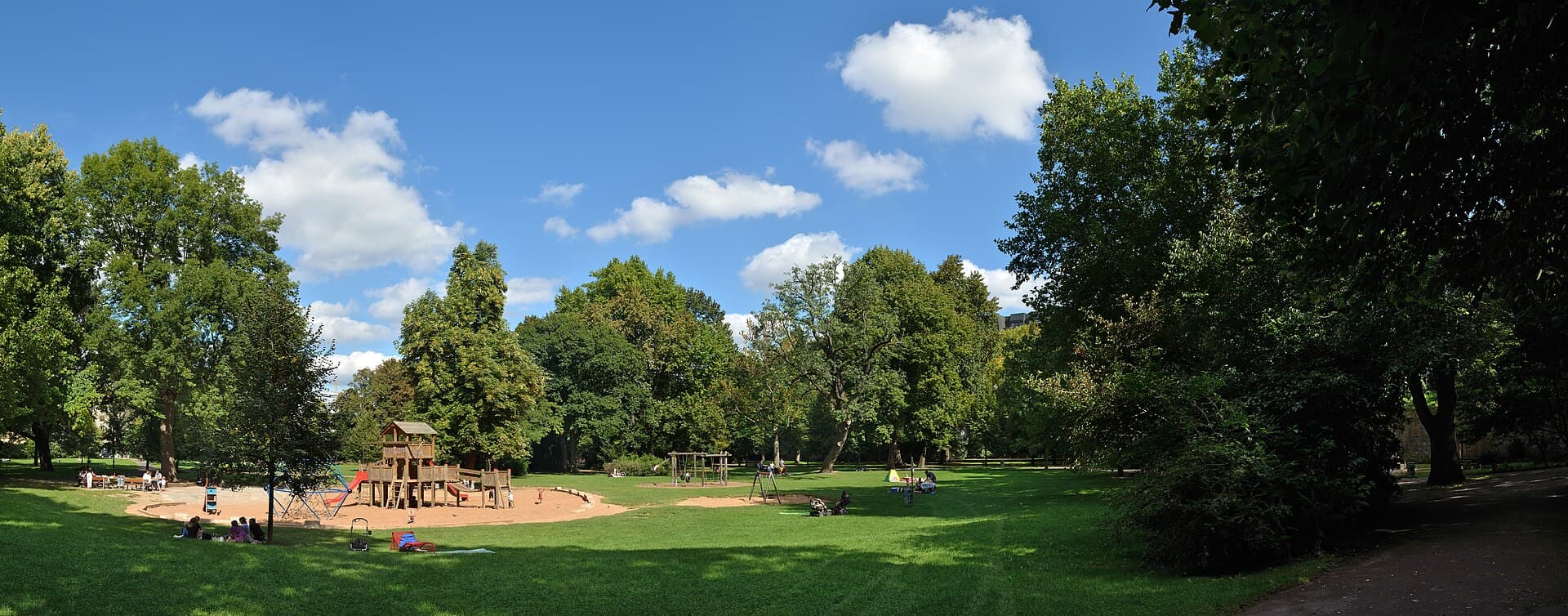 Rosenau ParkA park of about three hectares west of the old town beyond the Fuerther Tor, in 1 minute walk4.4
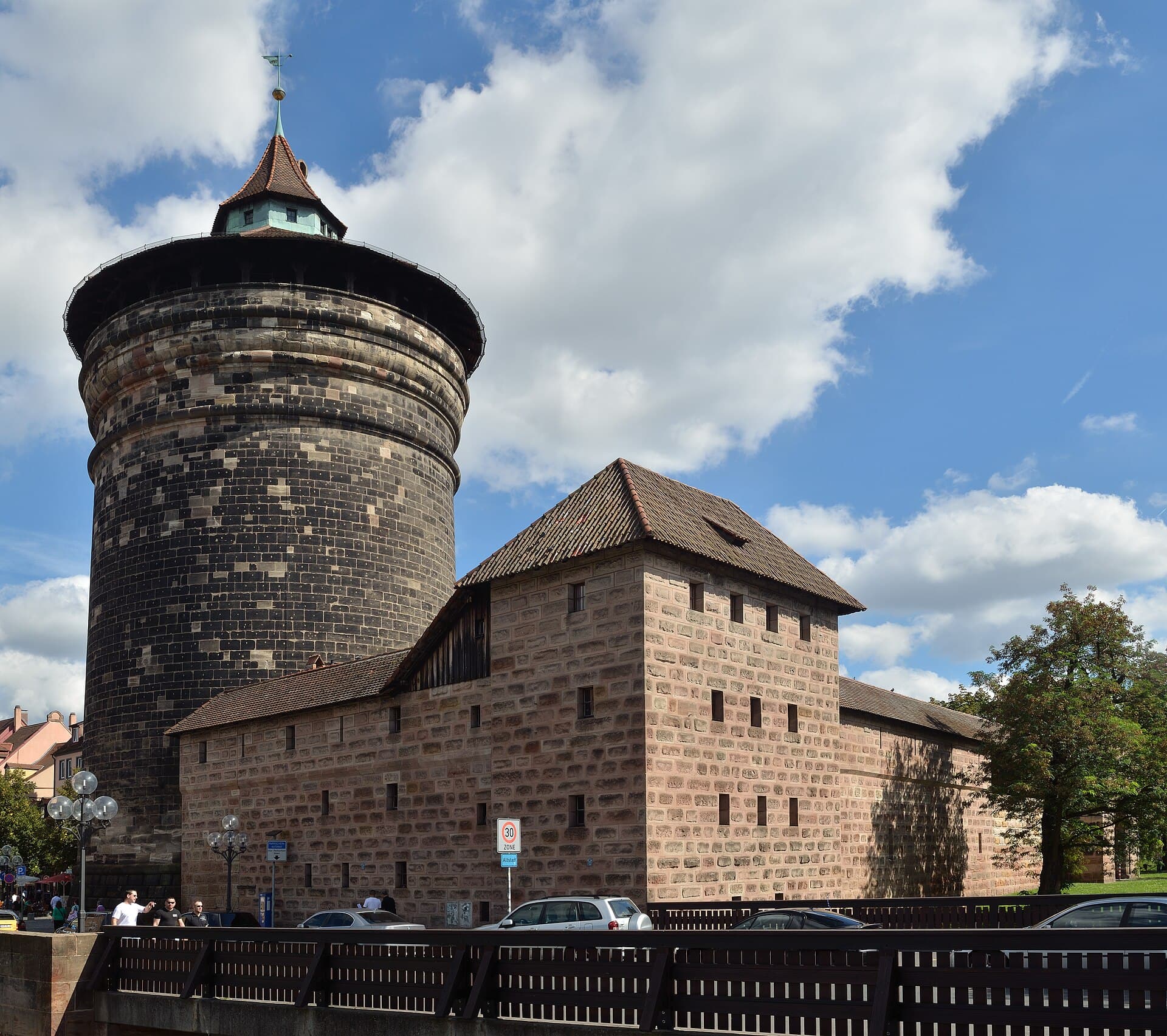 Spittlertor TowerOne of the four great round towers of Nuremberg's last city wall, standing at th4 minutes walk4.6
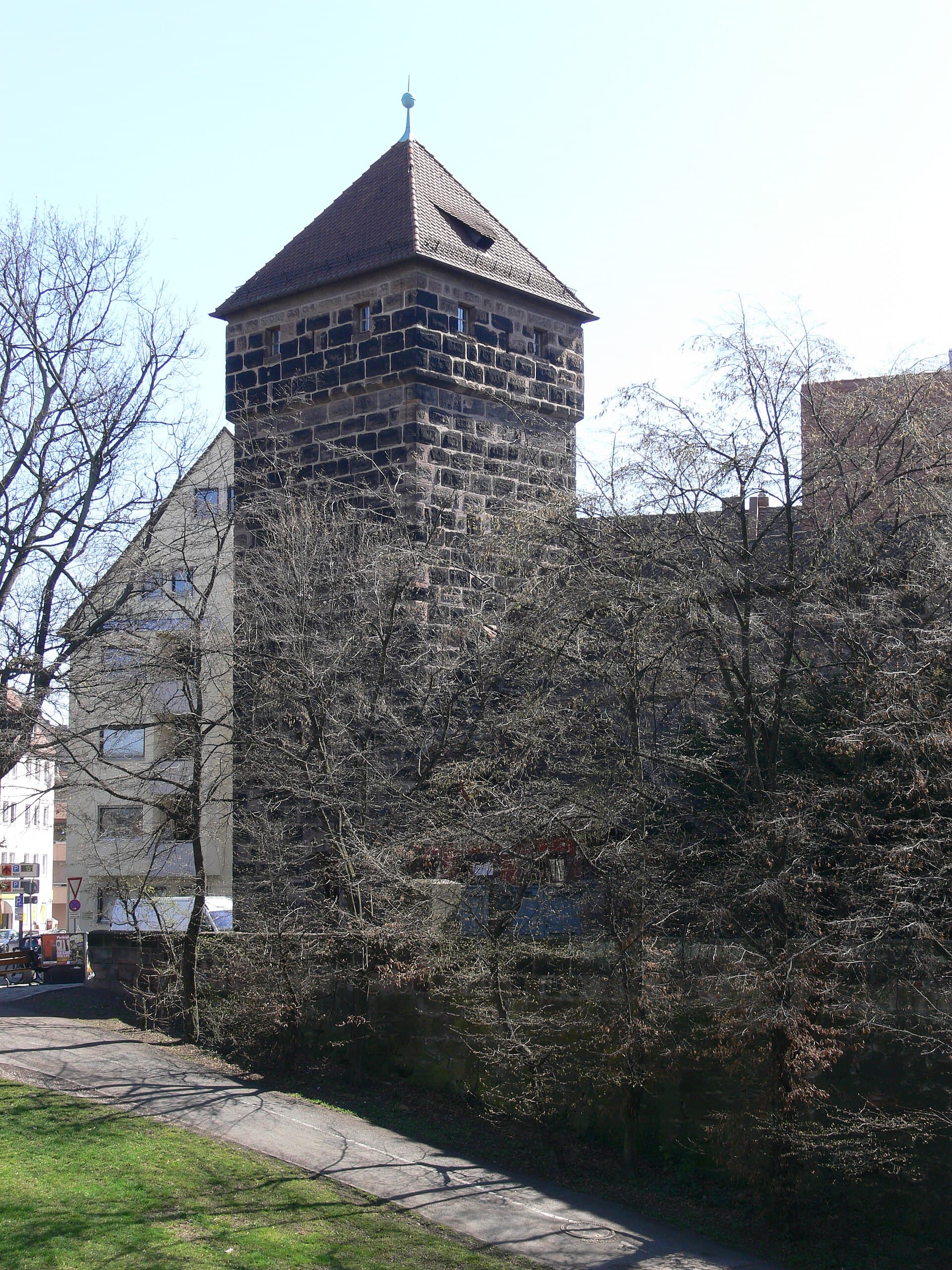 The Tower of the SensesThe Turm der Sinne is an interactive science museum inside a medieval defensive 4 minutes walk4.1
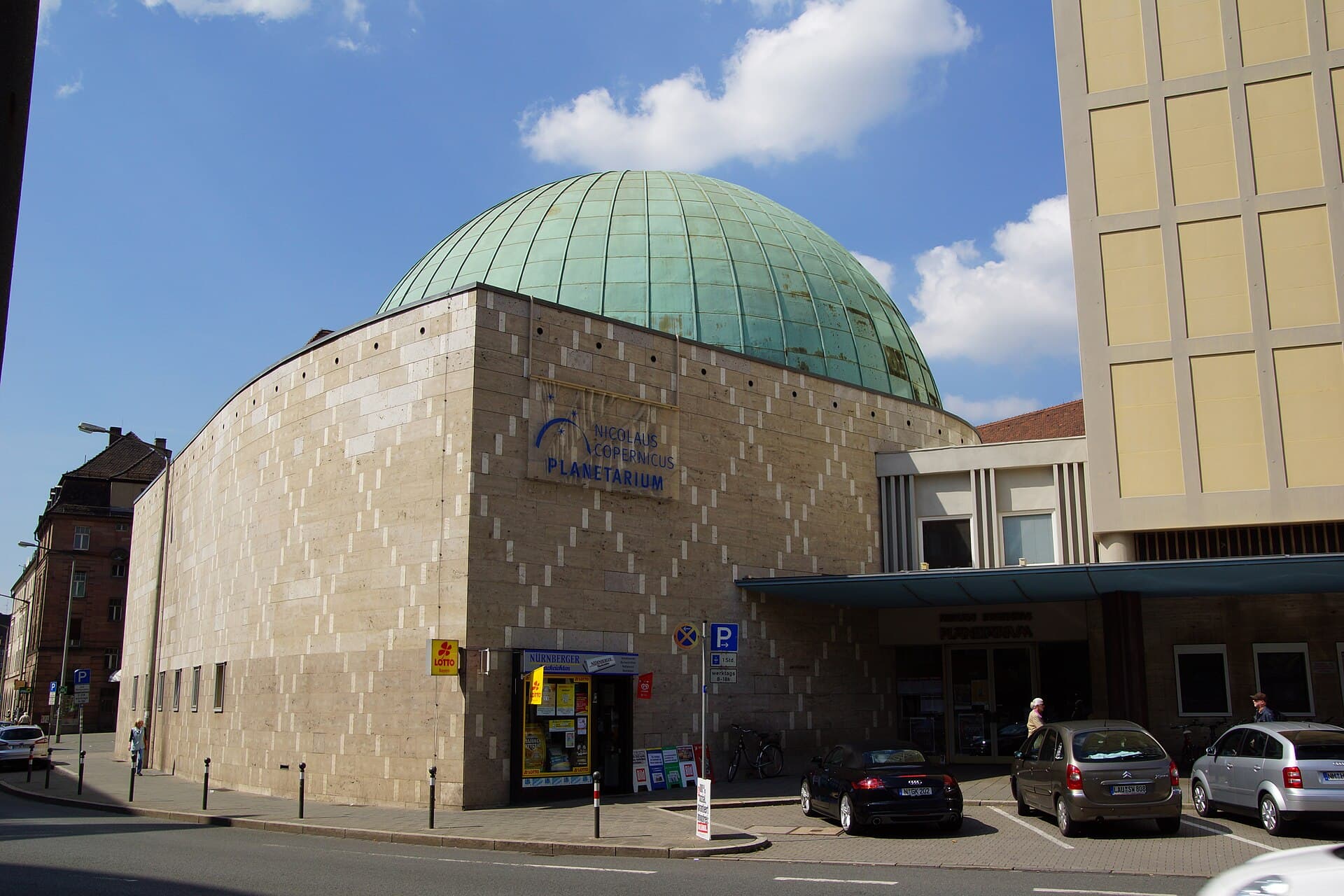 Nicolaus Copernicus PlanetariumA municipal planetarium standing at Plaerrer beside the city energy company's to5 minutes walk4.4
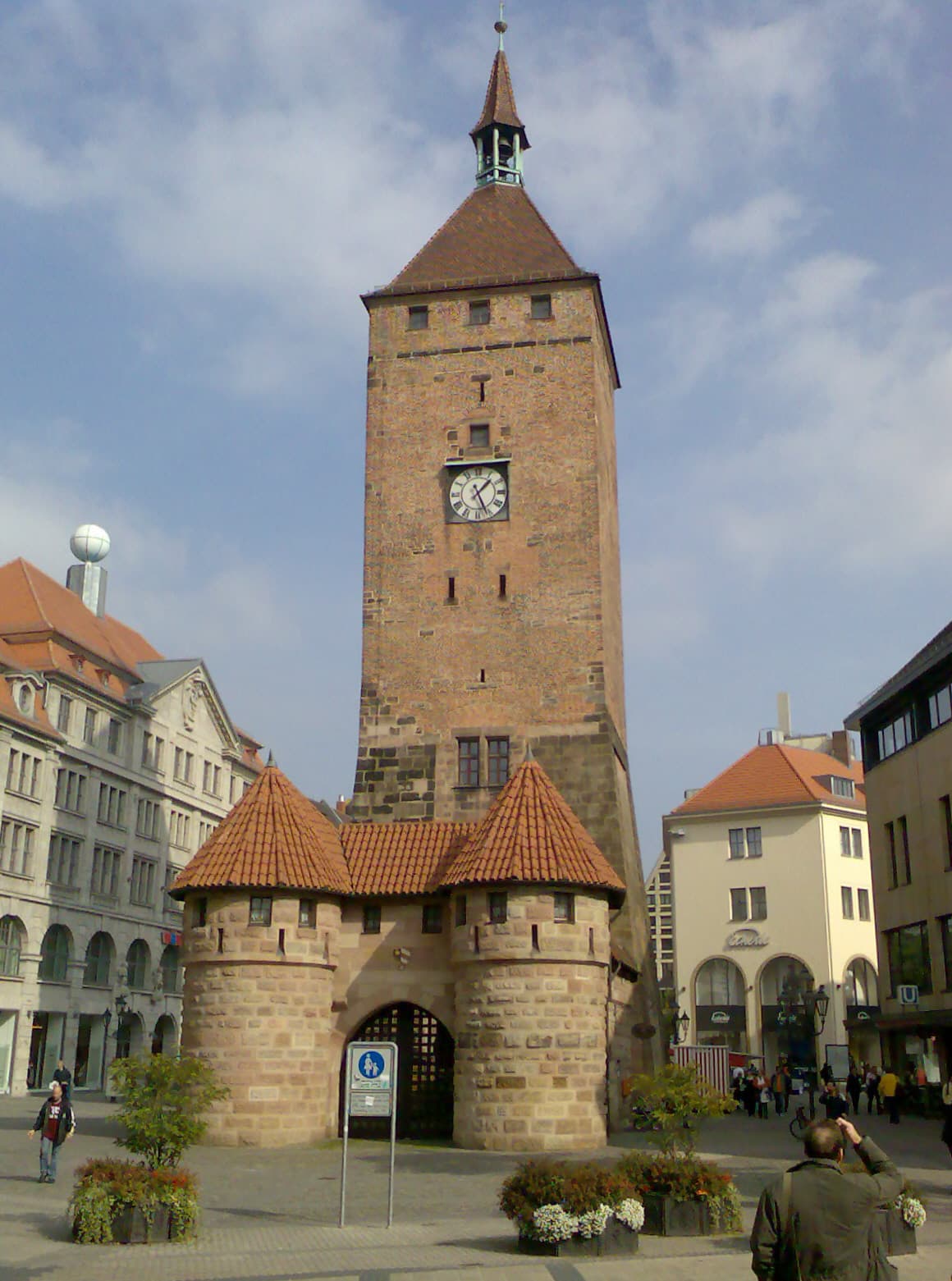 Weisser TurmThe Weisser Turm is an old gate from Nuremberg's inner wall, built in the thirte5 minutes walk4.7
Class, period and rules. The Minnesingers were nobles or professionals serving the courts between the twelfth and fourteenth centuries, their poetry about courtly love and their performance individual. The Meistersingers were urban craftsmen of the fifteenth and sixteenth centuries — bakers, shoemakers, smiths — who organised into guilds with written rules, contests, examinations and grades of membership, exactly like craft guilds. The passage of poetry from the court to the craftsman's workshop is the social shift they represent.
The Germanisches Nationalmuseum, the Kaiserburg castle, the Documentation Centre at the Nazi Party Rally Grounds, and Courtroom 600 where the Nuremberg trials were held. The city confronts its Nazi past with unusual directness, and those two sites are among the most important things to visit there.