
Plants without soil
Felt layers and a nutrient solution let plants grow vertically on stone.
Celette — CC BY-SA 4.0 · Guilhem Vellut from Paris, France — CC BY 2.0 · Benoît Prieur — CC0 · Guilhem Vellut from Paris, France — CC BY 2.0
A large vertical garden on the face of a building at the corner of Rue d'Aboukir, designed by the French botanist Patrick Blanc and completed in 2013. Blanc invented the living wall as an architectural technique: a system letting plants grow vertically on a building's face without soil, using layers of felt and a nutrient solution. This wall holds thousands of plants across hundreds of species, arranged to form a pattern of colour that shifts with the seasons. The work belongs to a wider argument in Paris about bringing plants into a dense urban fabric: a city built in stone at high density with little green space in its central arrondissements. A wall like this is a partial and symbolic answer at once. A plain practical point: this is a wall on a building in an ordinary street — minutes are enough. The quarter around it, the Sentier, is a clothing and trade district, not touristic, with a character of its own. The wall looks its best in spring and summer.
Felt layers and a nutrient solution let plants grow vertically on stone.
Thousands of plants arranged in a colour pattern that shifts by season.
A clothing and trade district, not touristic, with its own character.
Corner of Rue d'Aboukir, 2nd arrondissement, Paris
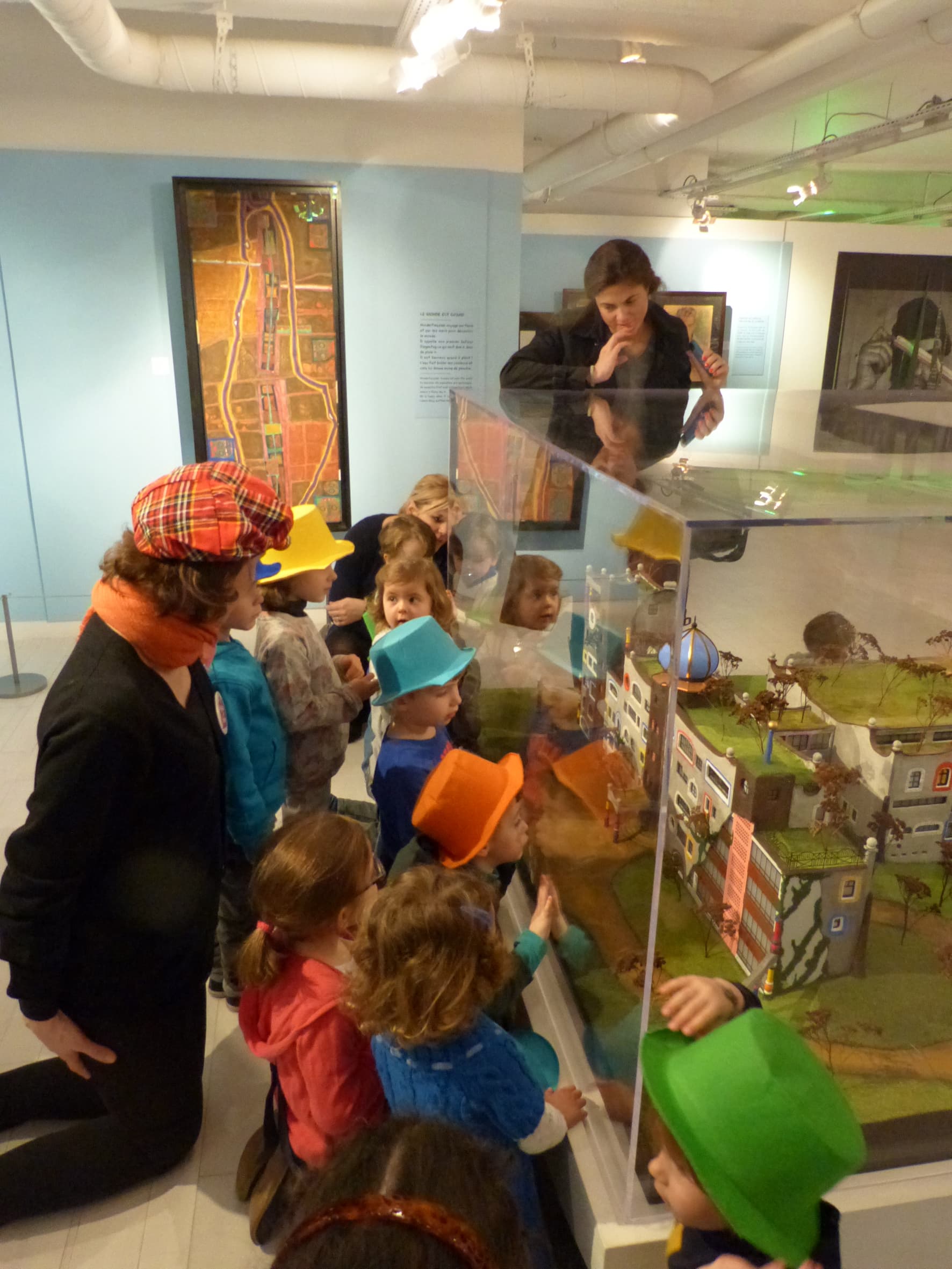 Musée en HerbeAn art museum for children in central Paris, presenting exhibitions about major 7 minutes walk4.1
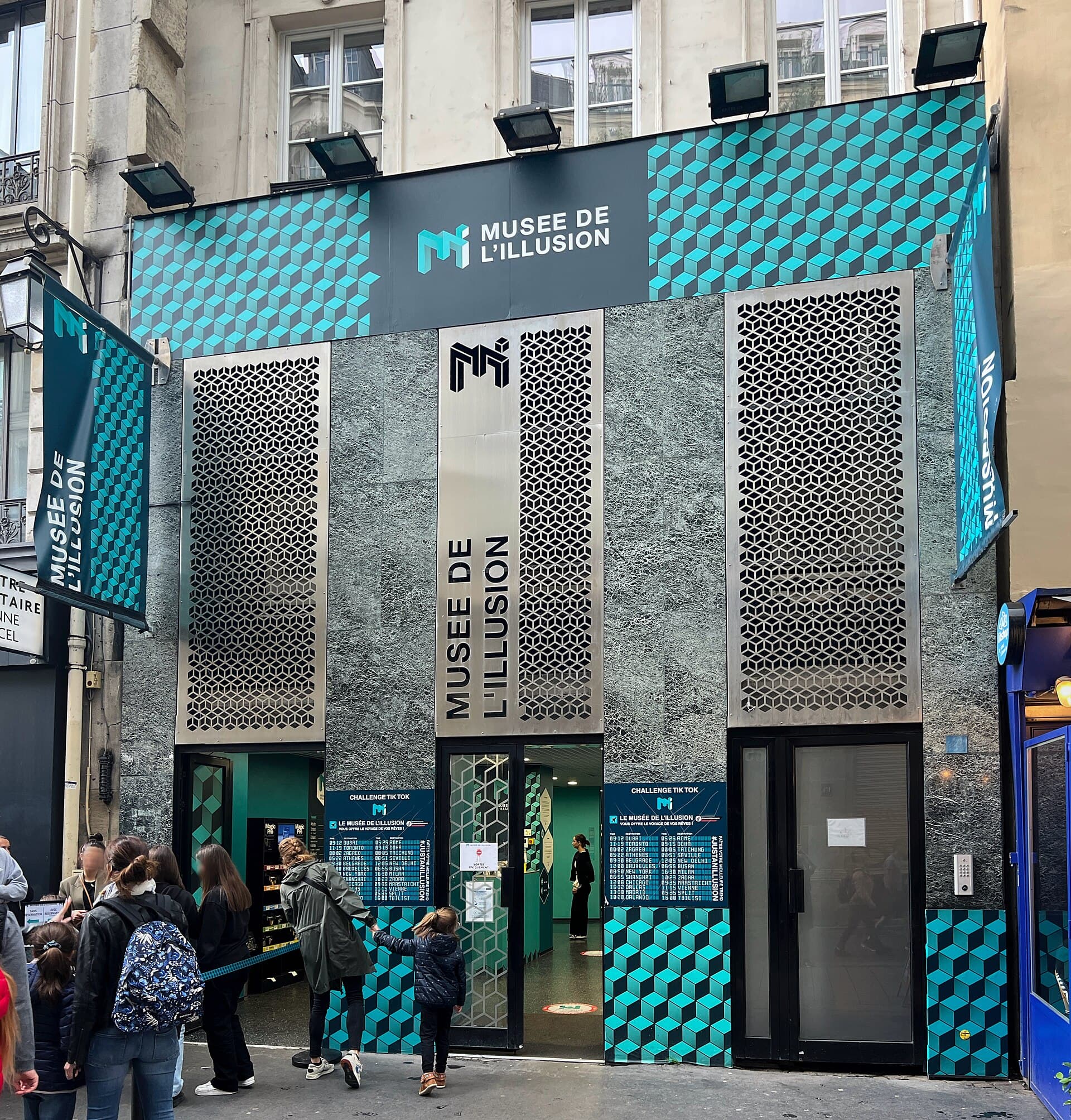 Musée de l'IllusionA museum of optical illusion in central Paris, a branch of an international chai7 minutes walk4.1
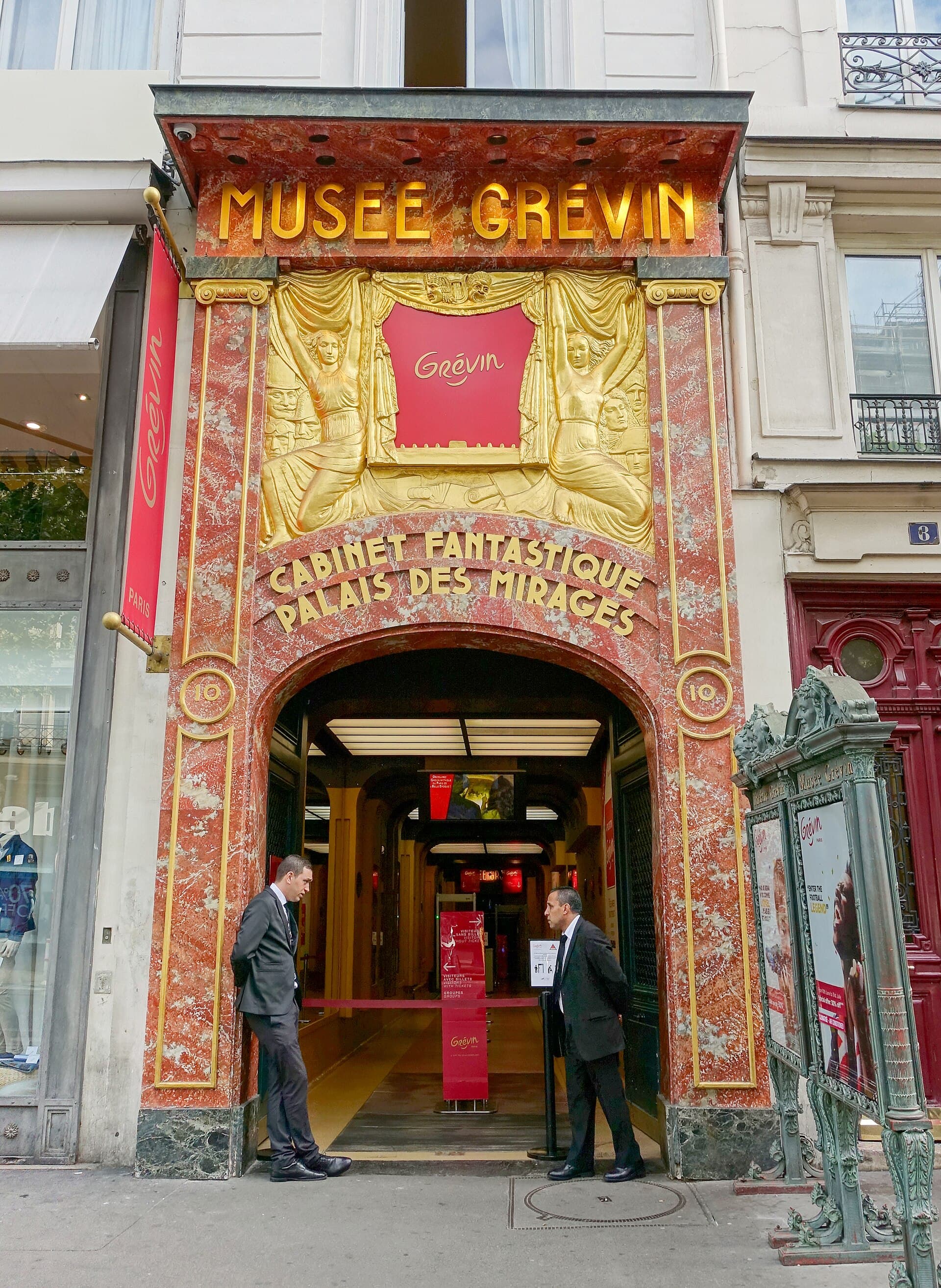 Musée GrévinSince 1882, Grévin has been casting Paris's celebrities in wax — a full generati7 minutes walk4.3
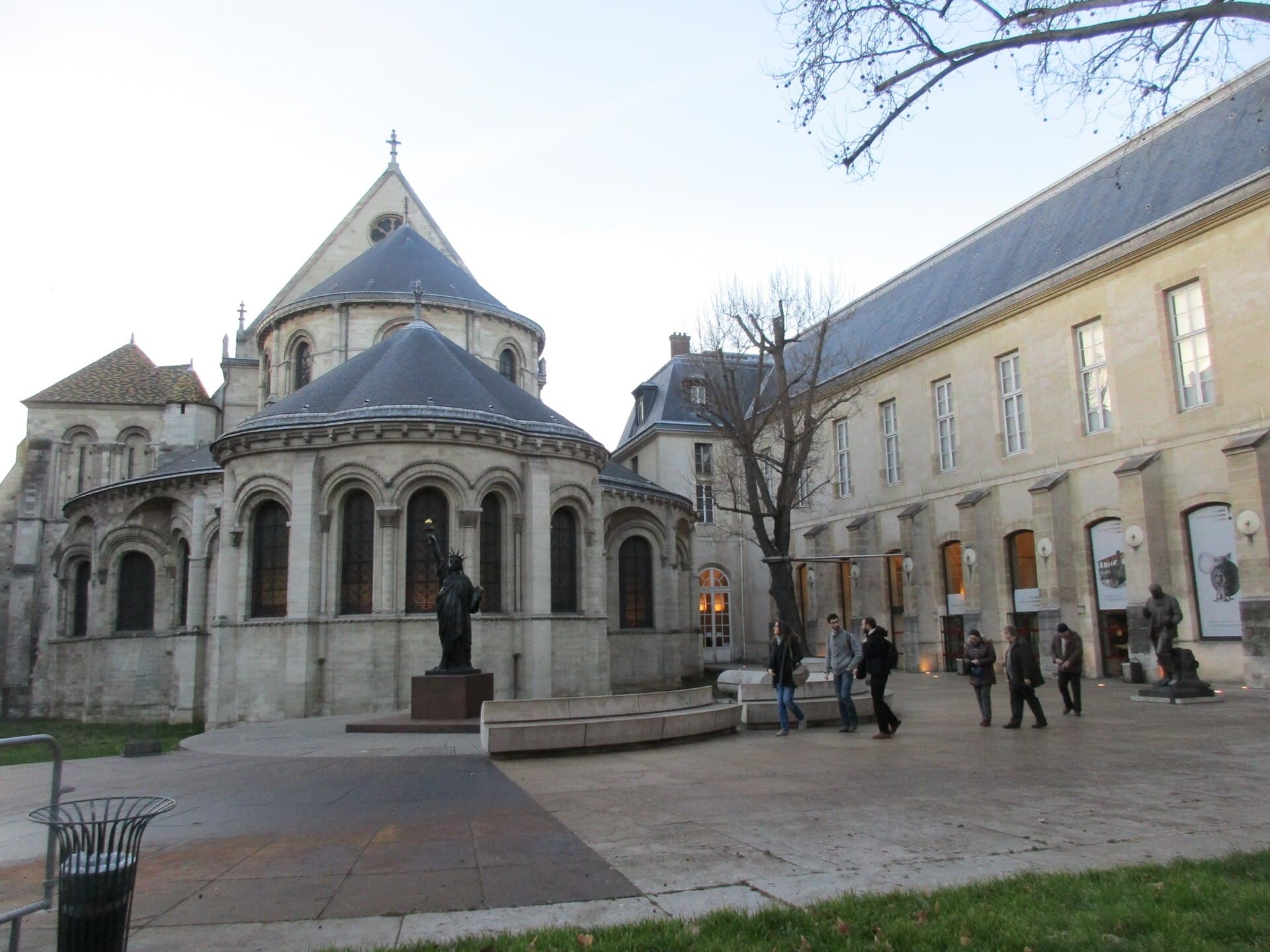 Musée des Arts et MétiersThe world's oldest science and technology museum (1794), and the most astonishin8 minutes walk4.5
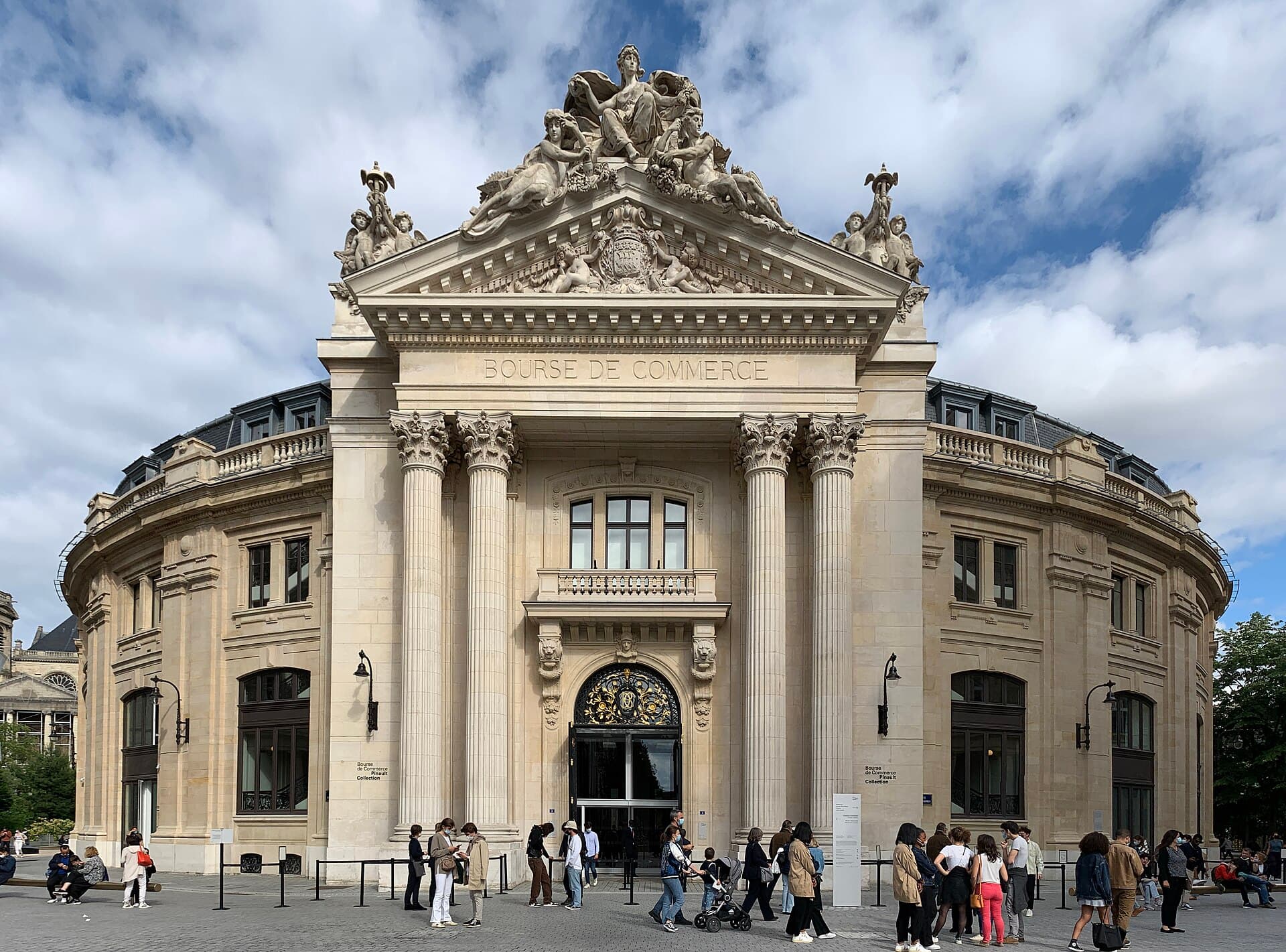 Bourse de commerceThe newest of Paris's major museums and its boldest architecturally: the histori9 minutes walk4.3
Looking for halal food near Oasis d'Aboukir? There are several options nearby, from Moroccan and Indian kitchens to quick casual spots and places with a view. Confirm the halal status and opening hours before you go — these can change.
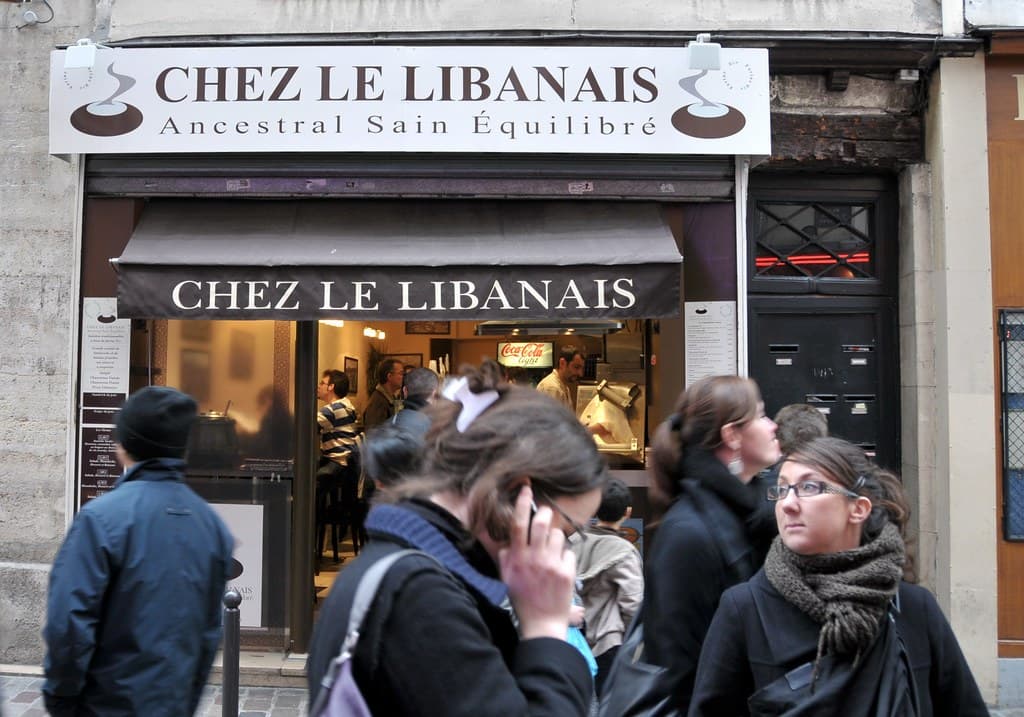 Chez le LibanaisHalalA small counter on Rue Saint-André des Arts, one of the busiest pedestrian stree21 minutes walk · $4.5DeryaHalalDerya is a Turkish grill house on Rue du Faubourg Saint-Denis, the street Parisi10 minutes walk · $4.9Al DarHalalAl Dar is a Lebanese restaurant in the Latin Quarter, a few minutes on foot from24 minutes walk · $$4.1
Not on its own — it is a wall on a street and minutes cover it. But it is a short distance from Paris's covered passages and the Montorgueil quarter, so make it a stop on a walk taking those in. In winter you may find it far less striking.
The best known is on the Musée du Quai Branly beside the Seine near the Eiffel Tower, also by Patrick Blanc, far larger and in a visited location. If you are seeing only one, that combines the wall and the collection.