
The double-fronted altar wall
A late sixteenth-century altar screen with three openings splits the church into two facing halves, one for the public and one for the nuns.
Didier Descouens — CC BY-SA 4.0 · This Photo was taken by Wolfgang Moroder. Feel free to use my photos, but please mention me as the author and send me a message. This image is not in the public domain. Please respect the copyright pr — CC BY-SA 3.0 · This Photo was taken by Wolfgang Moroder. Feel free to use my photos, but please mention me as the author and send me a message. This image is not in the public domain. Please respect the copyright pr — CC BY-SA 3.0 · CC0
The church of San Lorenzo shut its doors to the public in 1865 and stayed silent for a century and a half. Push them open today and the first thing that reaches you is sound: rushing water, whale song, the groan of metal somewhere below the surface, echoing around a bare stone shell stripped of most of its decoration since Napoleon's time, when it was deconsecrated in 1810. This is Ocean Space, opened in March 2019 by TBA21–Academy as a centre where contemporary art argues the case for the ocean, and it is one of the strangest rooms you will walk into in Venice. The building alone justifies the detour. Rebuilt between 1580 and 1616 to Simone Sorella's design, it is cut in half by a rare double-fronted altar wall with three openings, designed by Girolamo Campagna, which divided the nave into two facing spaces: one for the congregation, one for the nuns of the Benedictine convent next door. Marco Polo is said to have asked to be buried here; excavations early last century went looking for him and found nothing. What is left is a vast, empty, grey-lit hall with a very long echo, unlike any other church in the city. Know what you are getting before you go. There are usually two newly commissioned works at a time, sharing the whole space, and the programme changes completely from season to season — two visits years apart will feel like two different places. It also means the doors stay shut right through the winter between seasons. The season generally runs from late March to mid-October — 28 March to 11 October in 2026 — Wednesday to Sunday, and entry is free with no booking, which in Venice is close to a miracle. It sits in Castello, in a quiet corner well away from the San Marco crush, on one of the few campi where you still see local children playing. The nearest stops are San Zaccaria and Ospedale, and the centre says the route from the San Zaccaria vaporetto stop has no architectural obstacles, with a step-free entrance by the cloister — which helps with pushchairs and slower walkers. Give it an hour and fold it into a route towards the Arsenale or the nearby Scuola di San Giorgio degli Schiavoni — but do not cross the city for it without first checking the official site that the season is open and something is actually installed.
A late sixteenth-century altar screen with three openings splits the church into two facing halves, one for the public and one for the nuns.
Usually two large commissions fill the space with sound and image, and the programme changes completely from season to season.
A crowd-free local campo, reached from San Zaccaria on a route the centre describes as free of architectural obstacles.
Chiesa di San Lorenzo, Castello 5069, 30122 Venezia VE
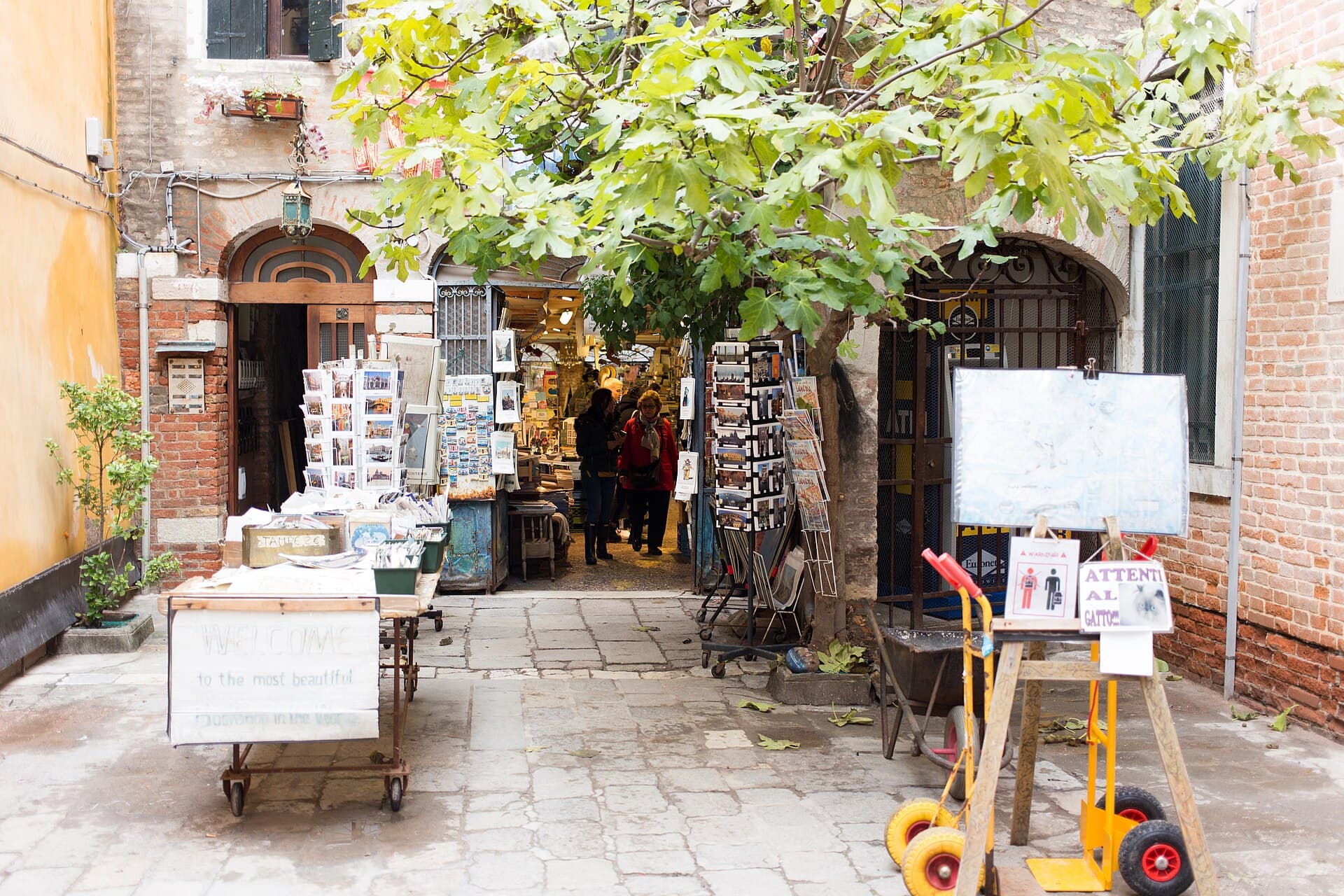 Libreria Acqua AltaThere is a full-size gondola in the middle of this shop, and it is not a prop: i3 minutes walk4.3
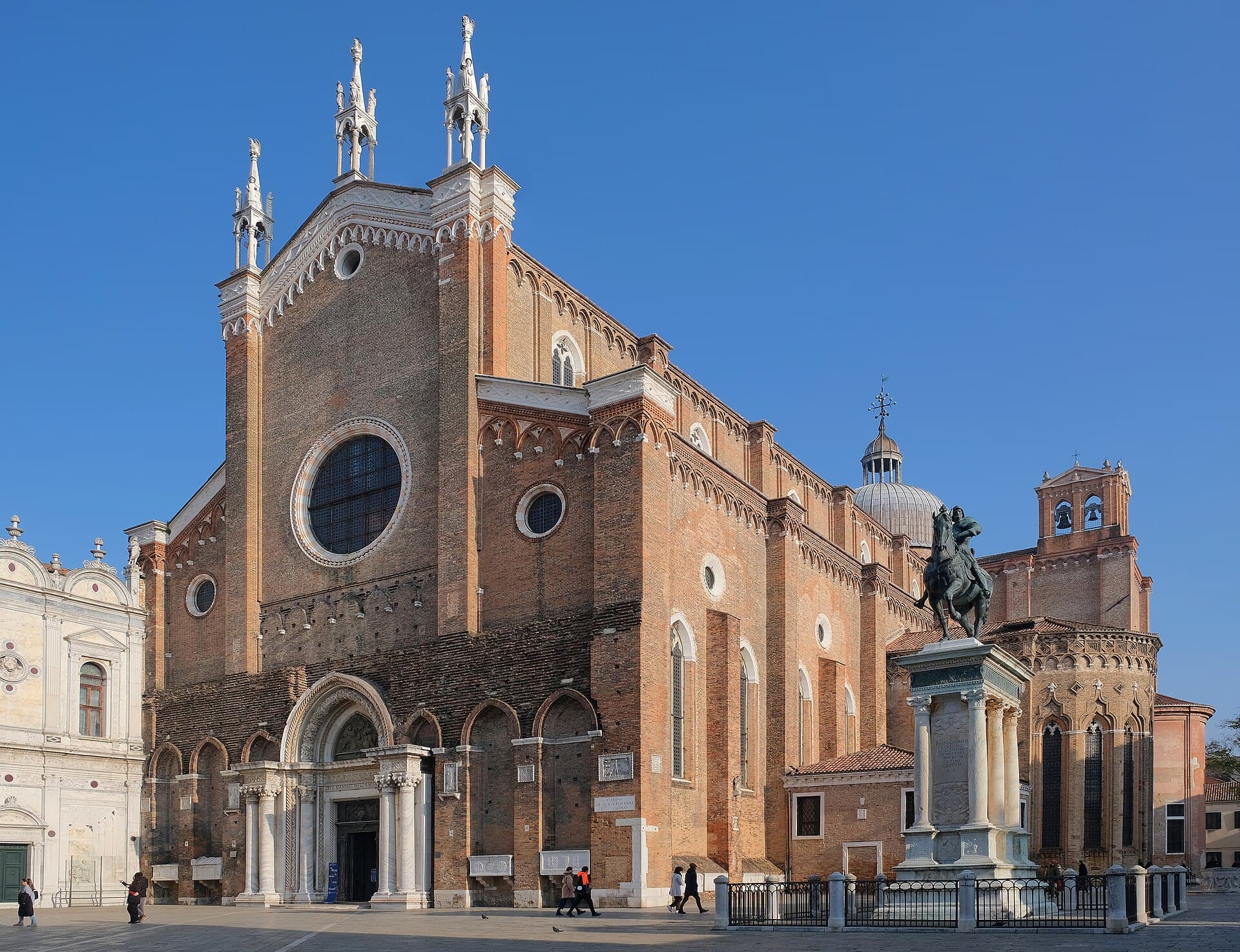 Santi Giovanni e PaoloSanti Giovanni e Paolo — "San Zanipolo" in Venetian — is the Republic's pantheon4 minutes walk4.6
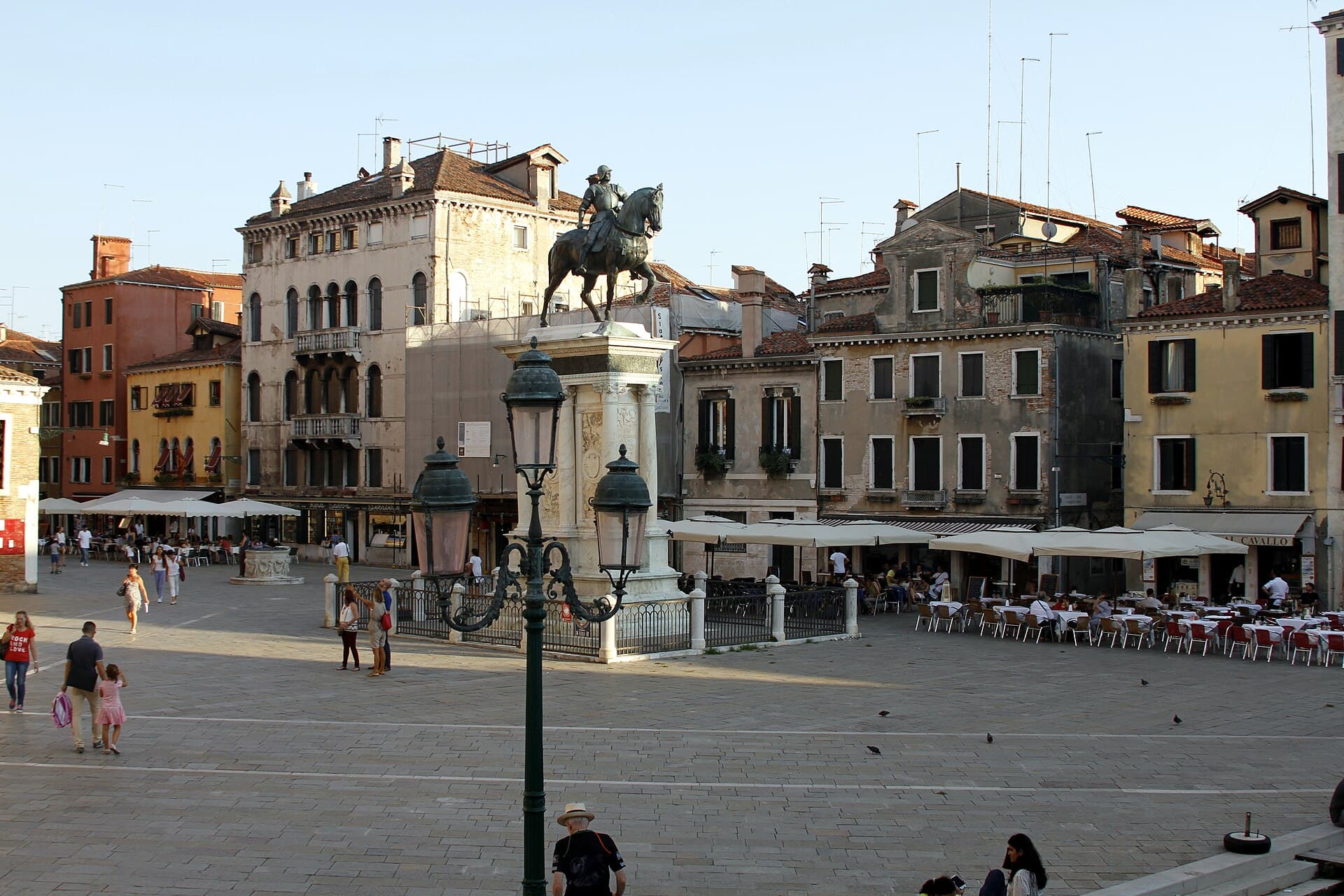 Campo Santi Giovanni e PaoloAmong the widest squares in Venice and the most densely packed with monuments, h5 minutes walk4.6
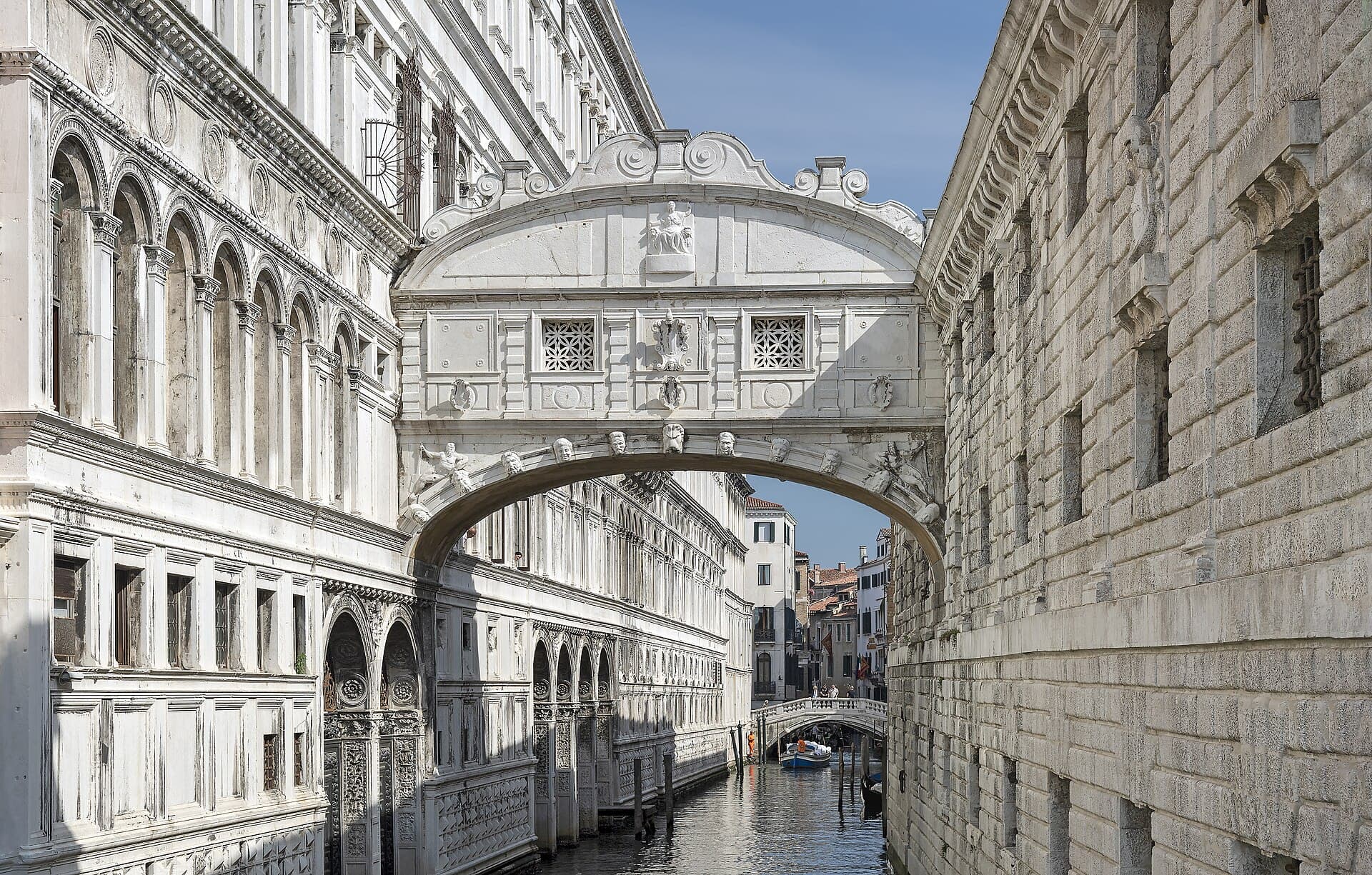 Bridge of SighsThe Bridge of Sighs is a small covered bridge of white marble crossing the canal6 minutes walk4.7
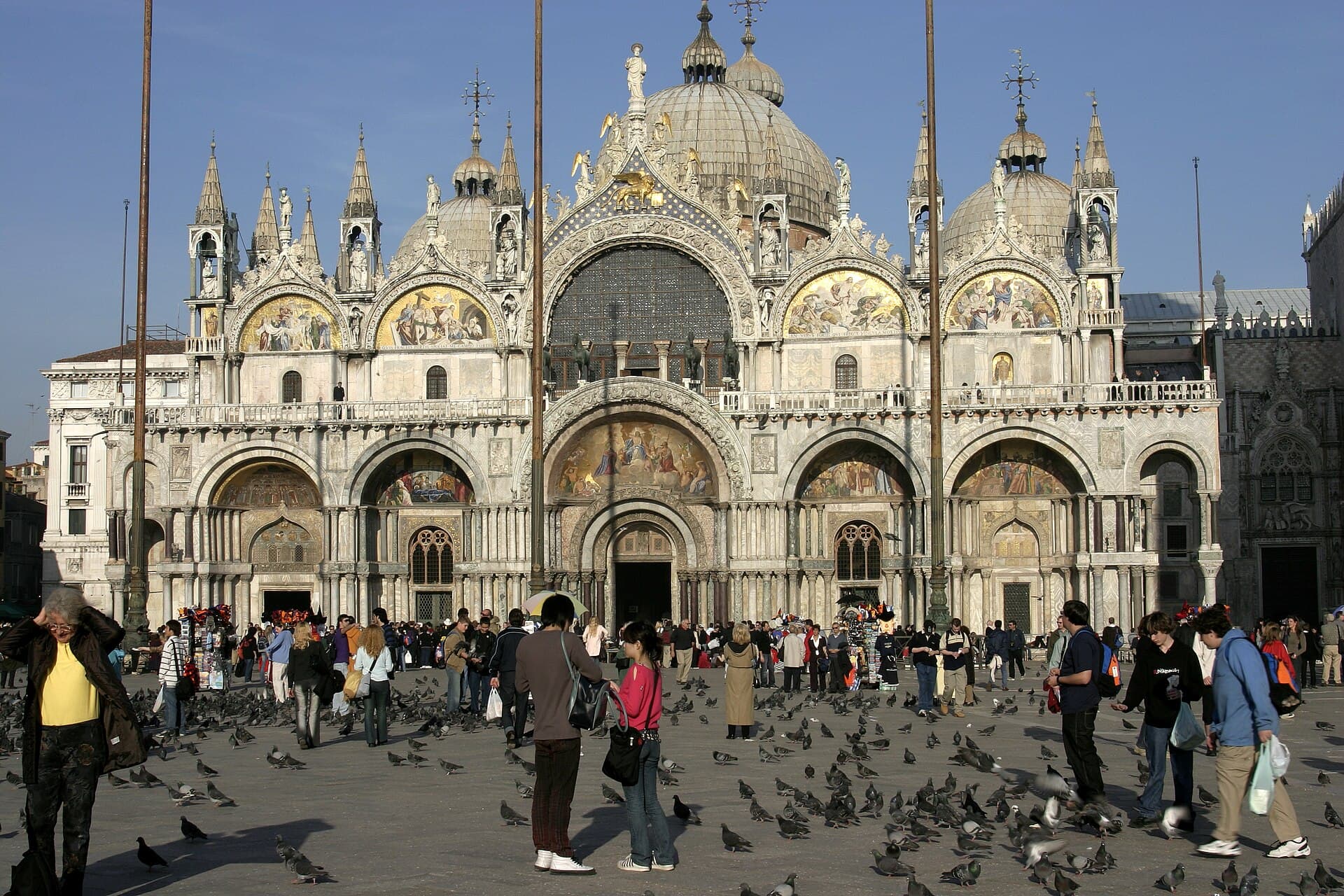 St Mark's BasilicaSt Mark's is Venice's most famous building and its strangest: a church of Byzant7 minutes walk4.6
Yes, if you are already in Castello. Half an hour is enough, it costs nothing, and the real reward is the church itself: the double-fronted altar wall and the bare hall that stayed locked for a century and a half. If the day is hot, your schedule is tight and the current show does not appeal, skip it with a clear conscience.
Probably not. It runs in seasons, usually late March to mid-October (28 March to 11 October in 2026), and closes on Mondays and Tuesdays; outside those dates the church is shut altogether. Always check tba21.org the day before — there is no ticketing system to warn you.