
A legal trick
Colleoni demanded a statue in San Marco's square; it was set before the Scuola di San Marco.
José Luiz — CC BY-SA 4.0 · This Photo was taken by Wolfgang Moroder. Feel free to use my photos, but please mention me as the author and send me a message. This image is not in the public domain. Please respect the copyright pr — CC BY-SA 3.0 · Kent Wang from Barcelona, Spain — CC BY-SA 2.0 · Abxbay — CC BY-SA 3.0
Among the widest squares in Venice and the most densely packed with monuments, holding the basilica of Santi Giovanni e Paolo — San Zanipolo in Venetian. The basilica is the burial place of the doges: twenty-five doges of Venice are buried in it, and their funerary monuments form a complete gallery of sculpture from the Gothic to the baroque. It is sometimes called the Pantheon of Venice. In the middle of the square stands a bronze equestrian statue of Bartolomeo Colleoni, the mercenary commander who served Venice and left it his fortune on condition that a statue of him be raised in the square of San Marco. The Republic refused to put a statue of an individual in its central square, and placed it here instead — before the Scuola di San Marco rather than the Piazza San Marco, a legal trick that took the money without breaking the rule. The statue is by Verrocchio, Leonardo's master, and is counted among the greatest equestrian sculptures in the world. The square is public and free; entry to the basilica is ticketed.
Colleoni demanded a statue in San Marco's square; it was set before the Scuola di San Marco.
The statue is among the world's greatest equestrian works.
The doges' monuments form a gallery from Gothic to baroque.
The Castello district, Venice
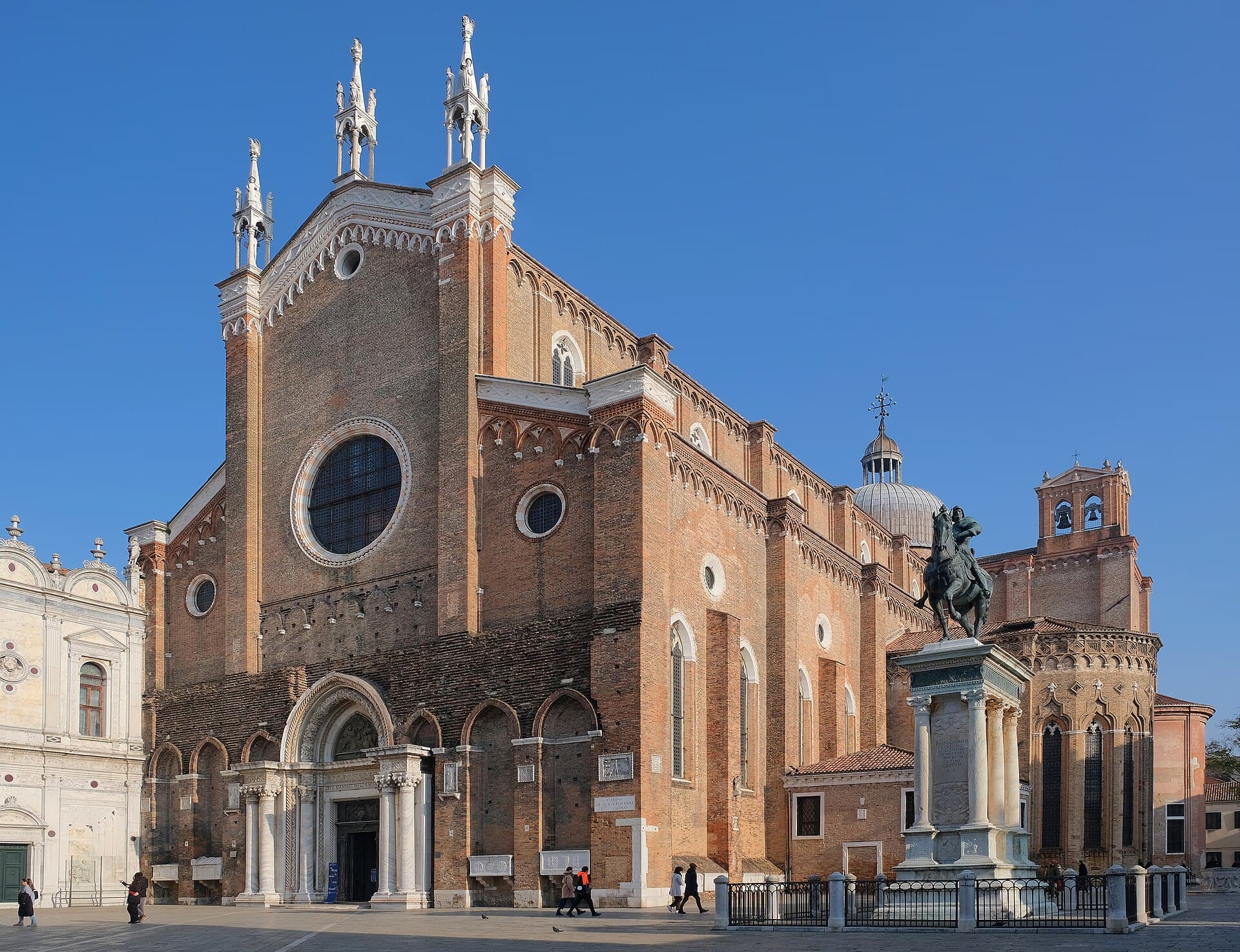 Santi Giovanni e PaoloSanti Giovanni e Paolo — "San Zanipolo" in Venetian — is the Republic's pantheon1 minute walk4.6
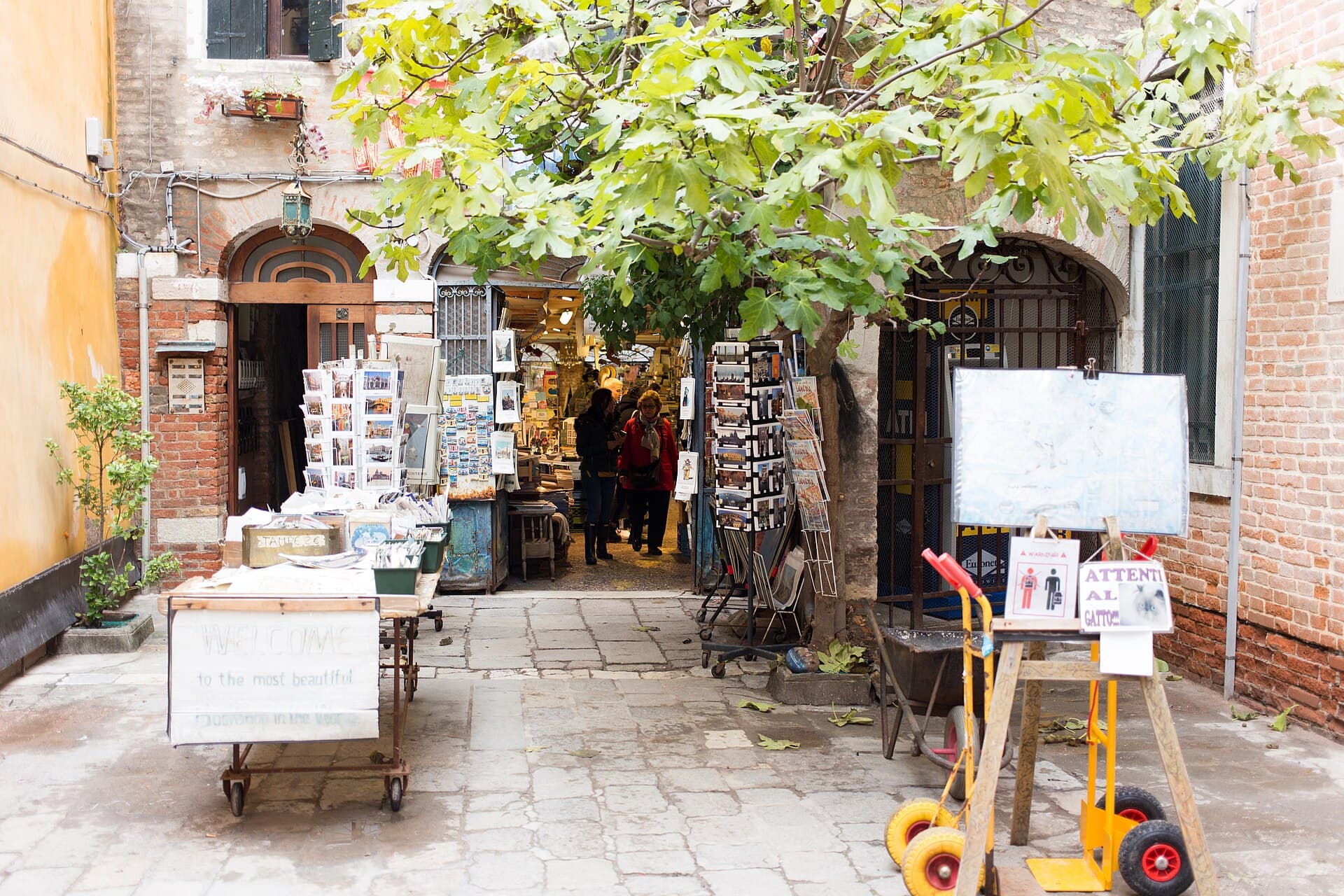 Libreria Acqua AltaThere is a full-size gondola in the middle of this shop, and it is not a prop: i2 minutes walk4.3
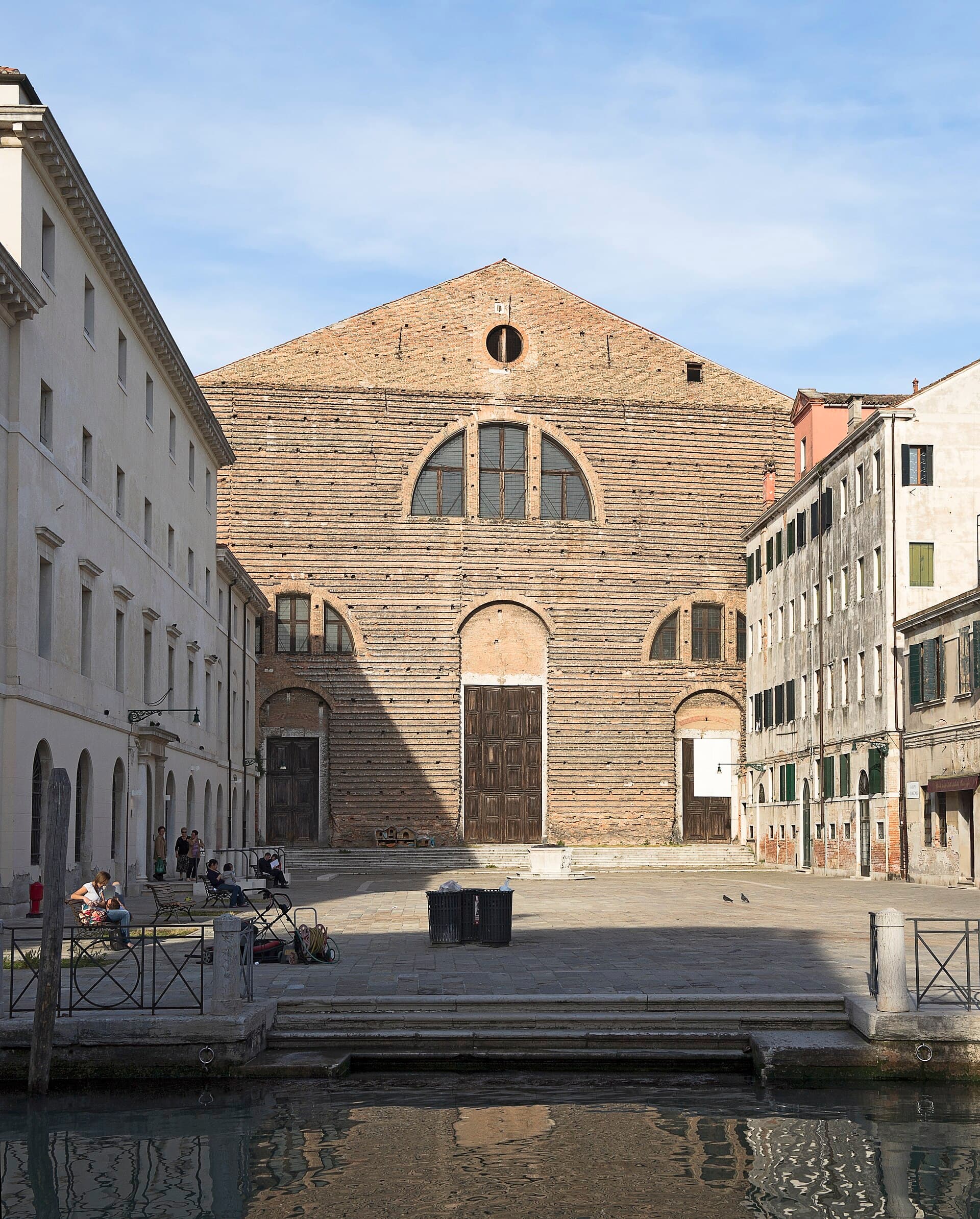 Ocean Space (Church of San Lorenzo)The church of San Lorenzo shut its doors to the public in 1865 and stayed silent5 minutes walk4.6
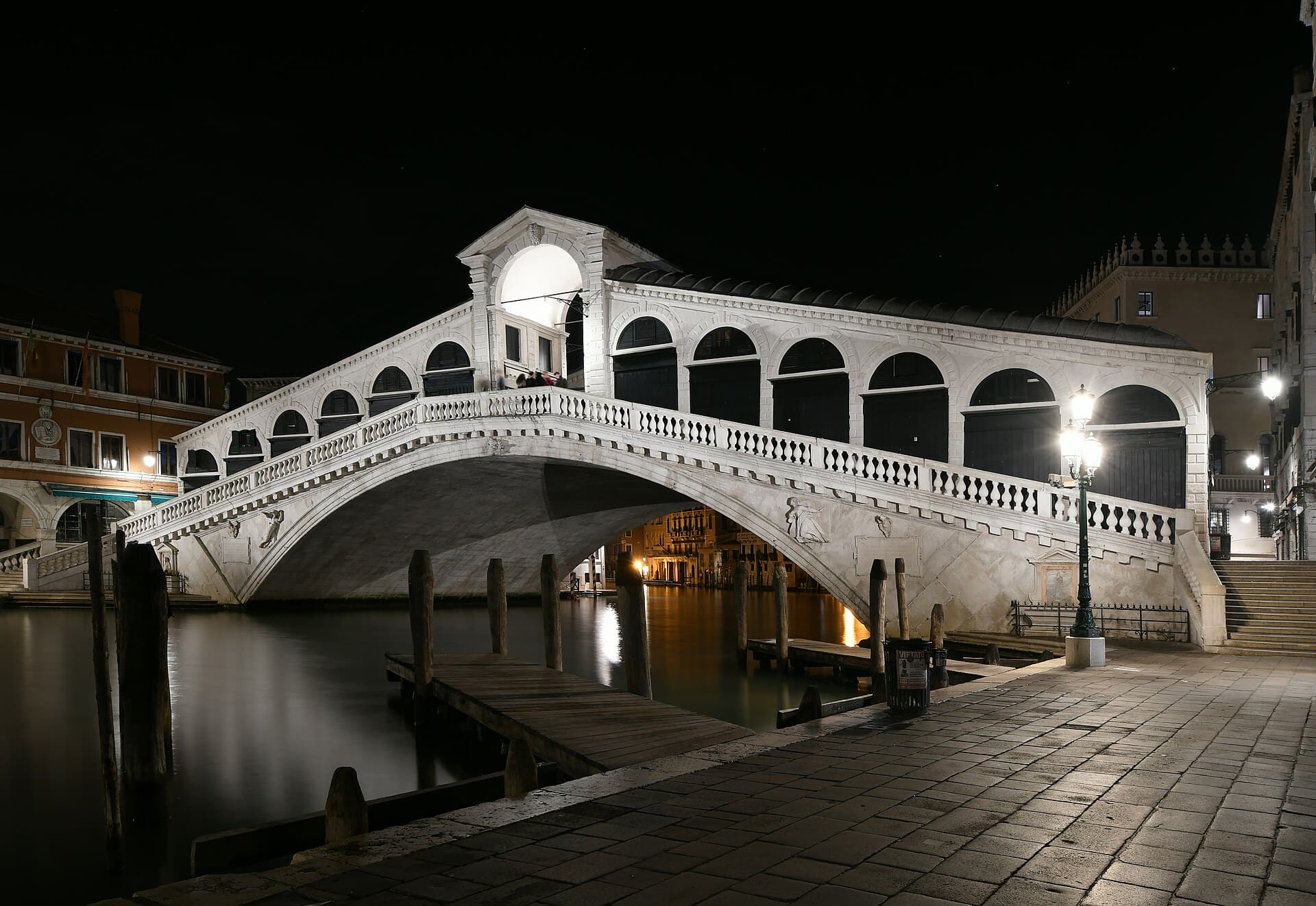 Rialto BridgeThe Rialto is Venice's most famous bridge and the oldest crossing of the Grand C6 minutes walk4.8
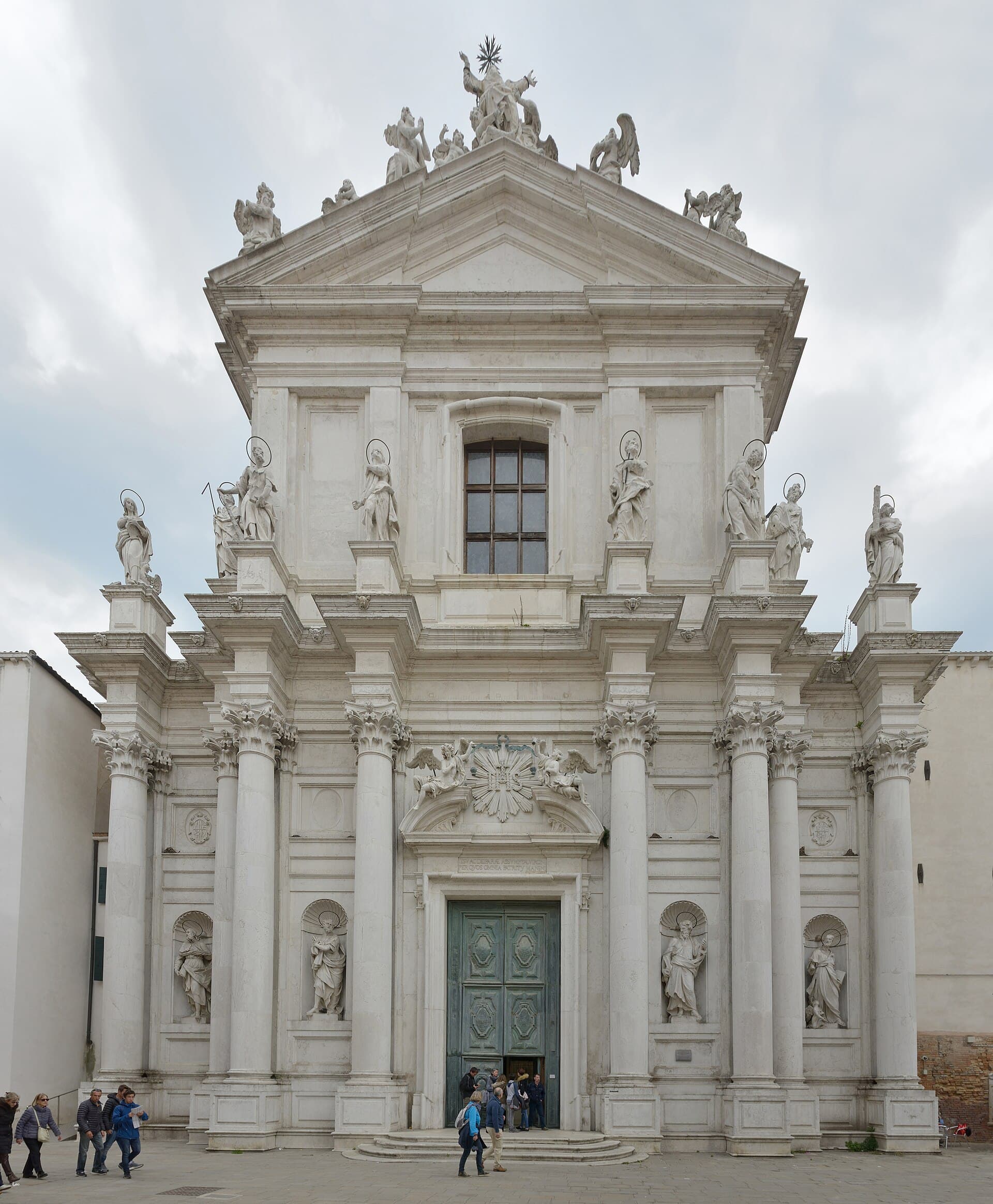 I Gesuiti (Santa Maria Assunta)You walk in convinced the walls are hung with heavy green-and-white damask, fold6 minutes walk4.8
Because the Venetian Republic was built on a strict principle: no glorification of individuals. Even the doge held an office bound by laws preventing him from acting as a prince — no portraits of him in public places, no inheritance of the office by his family, and a review of his conduct after death. The fear was the personal tyranny that had brought down other Italian republics. This is why Venice, unlike Florence or Milan, has almost no statues of individuals in its central squares.
It is Venice's largest district and, at its edges, the least crowded with tourists. Its main sights: the basilica and its square; the Arsenale with its imposing gateway — the largest industrial complex in Europe before the industrial revolution; the Scuola di San Giorgio degli Schiavoni with its Carpaccio paintings; and the Biennale gardens. The further east you go the thinner the crowds and the more residential Venice appears.