
The shark tunnel
A long glass passage with sharks and rays passing overhead.
Steven Lek — Public domain · AgainErick — CC BY-SA 4.0 · Lennart Tange from Eindhoven, The Netherlands — CC BY 2.0 · Sander van der Wel from Netherlands — CC BY-SA 2.0
The oceans section inside Rotterdam's Blijdorp Zoo, opened in 2001 and regarded as among Europe's most significant aquariums. The design is built on the idea of a journey: the visitor begins on the North Atlantic coast, crosses the Gulf of Mexico and the Caribbean to the north-west coast of America, and ends at a long glass tunnel with sharks and rays passing overhead. The point is that the ordering is geographic rather than taxonomic: you see the creatures of each sea together as they live, rather than sorted into separate tanks. Among its notable sections are a wave tank that reproduces surf striking coastal rock with real repeating motion, a puffin section and another for sea otters. Blijdorp itself is a zoo of 1857, and its layout dates from the 1930s by the architect Sybold van Ravesteyn and is protected as a national monument. The ticket covers the whole zoo.
A long glass passage with sharks and rays passing overhead.
Reproduces surf striking rock with real repeating motion.
The 1930s layout by Van Ravesteyn is officially protected.
Inside Blijdorp Zoo
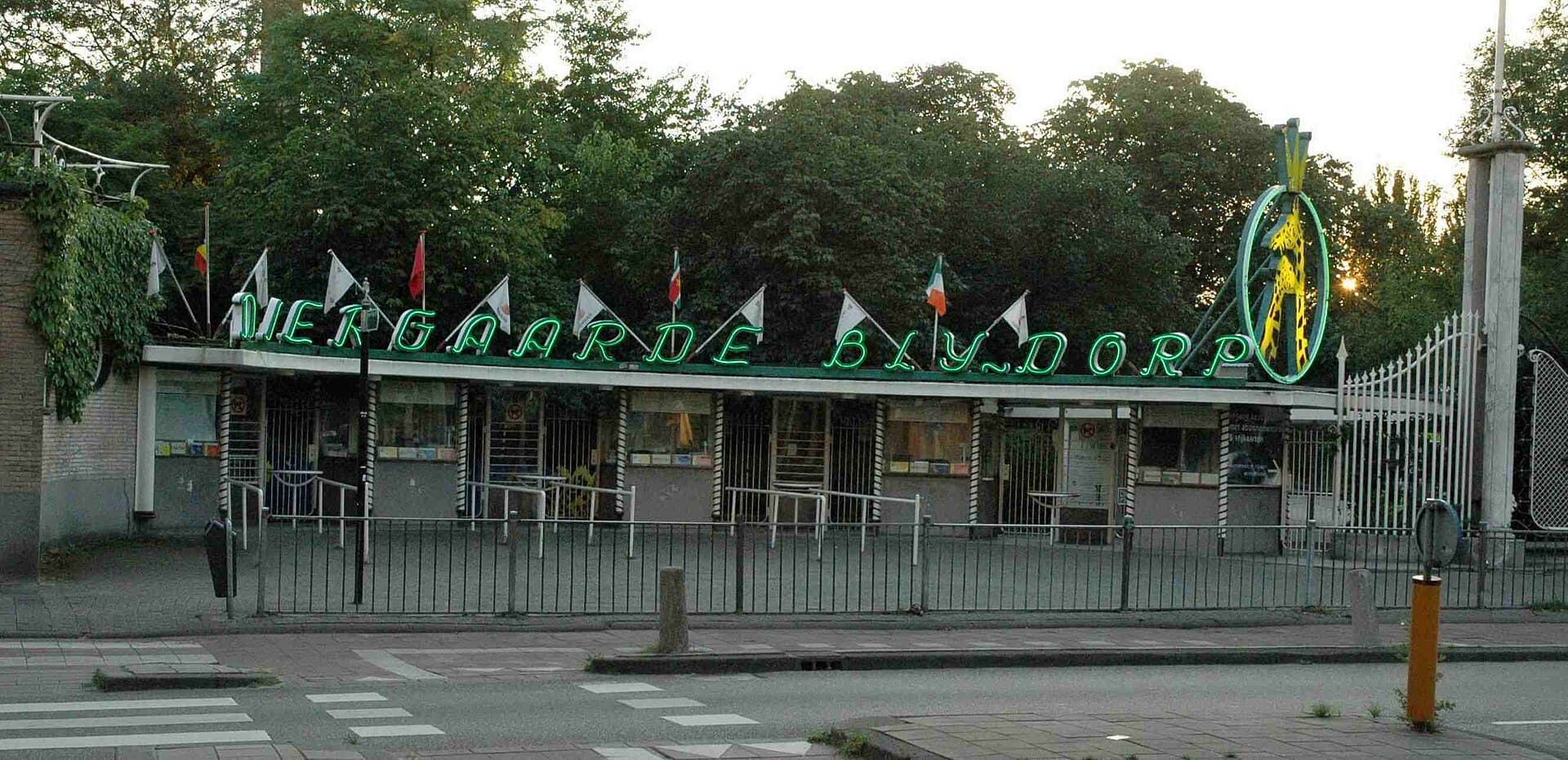 Blijdorp ZooRotterdam's venerable garden (1857) ranked among Europe's loveliest: Blijdorp is7 minutes walk4.5
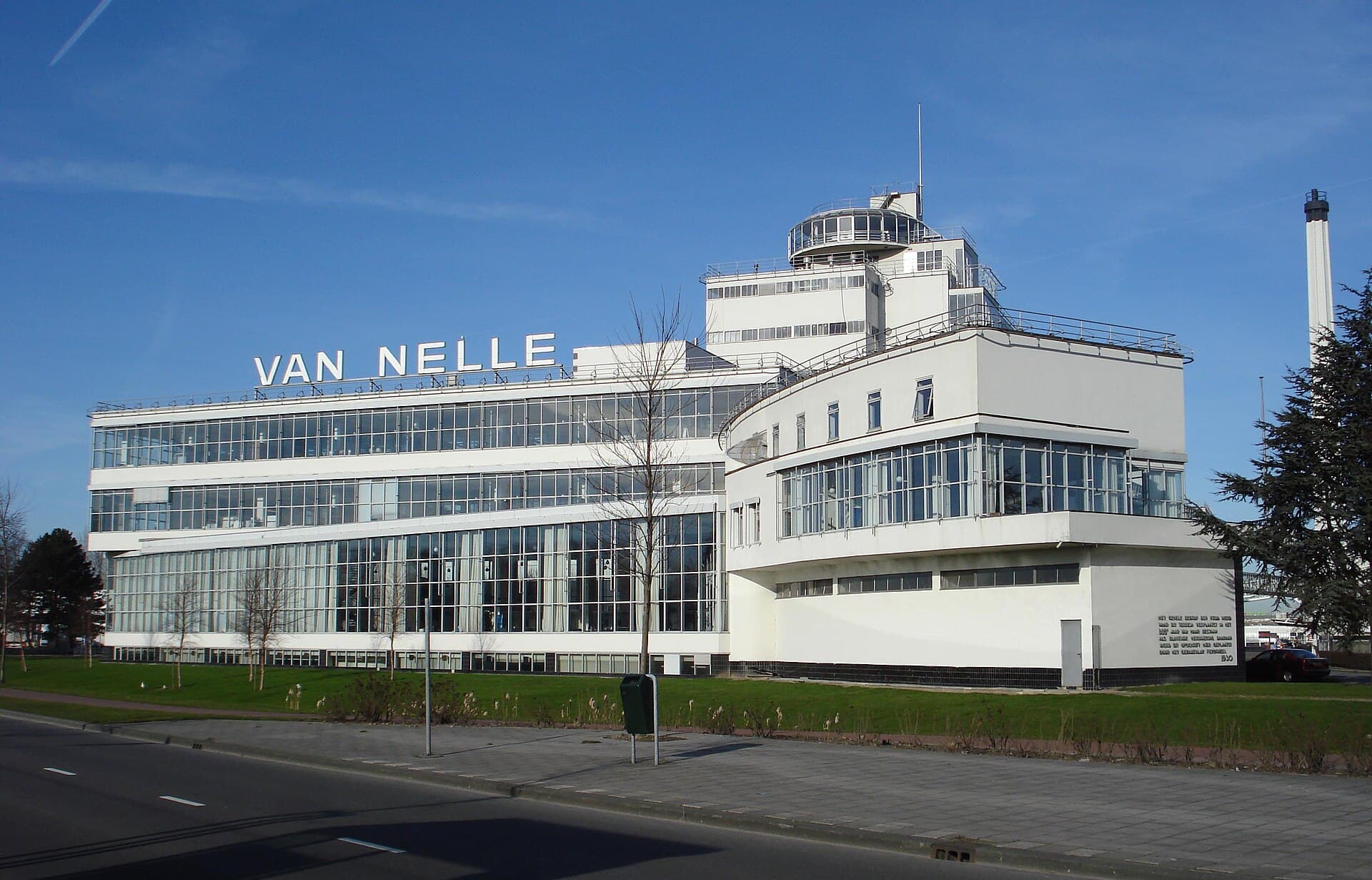 The Van Nelle FactoryThe Van Nelle Factory is on the UNESCO World Heritage list, a coffee, tea and to13 minutes walk3.9
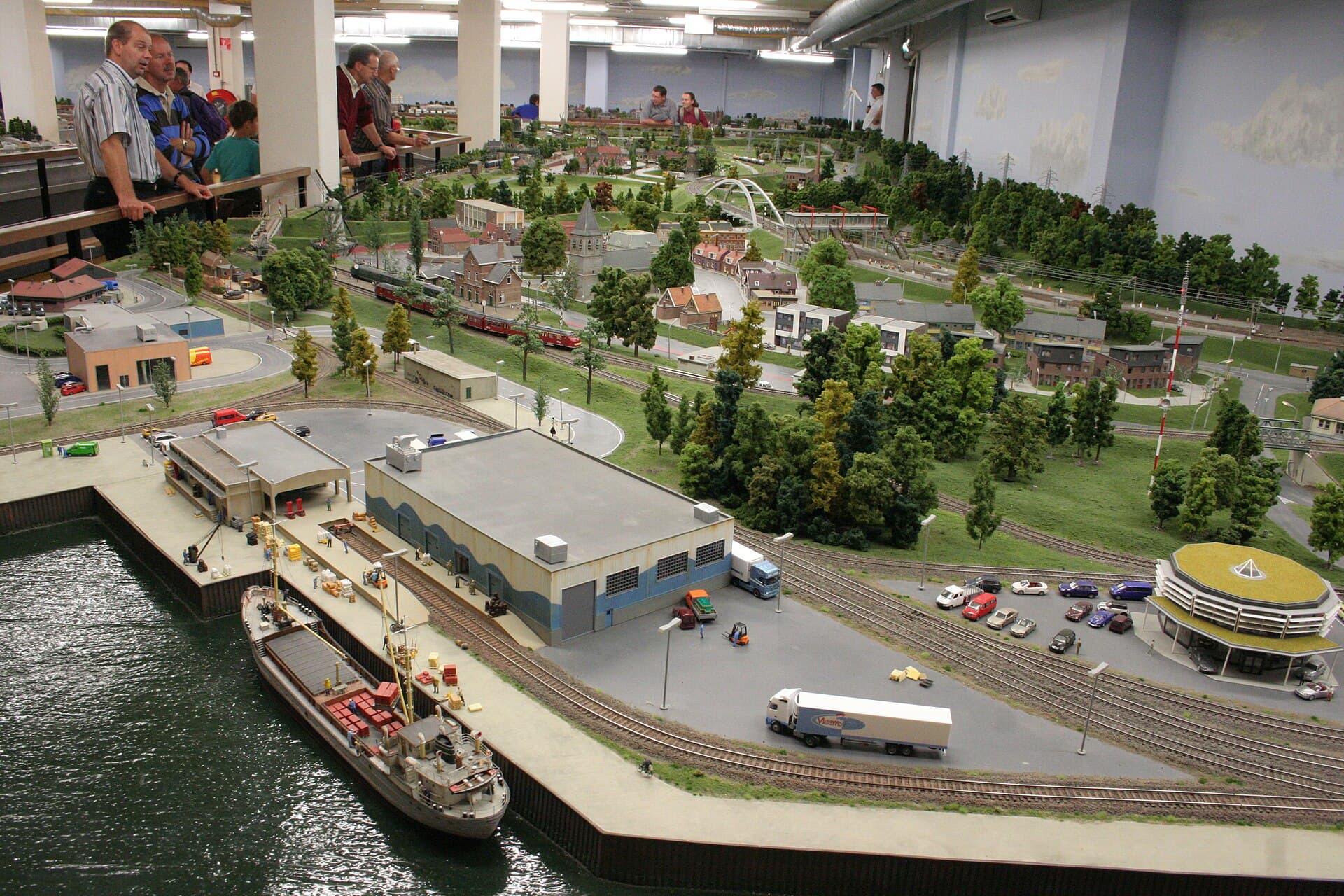 Miniworld RotterdamAll Holland at 1:87 under one roof: the Benelux's largest indoor miniature world19 minutes walk4.5
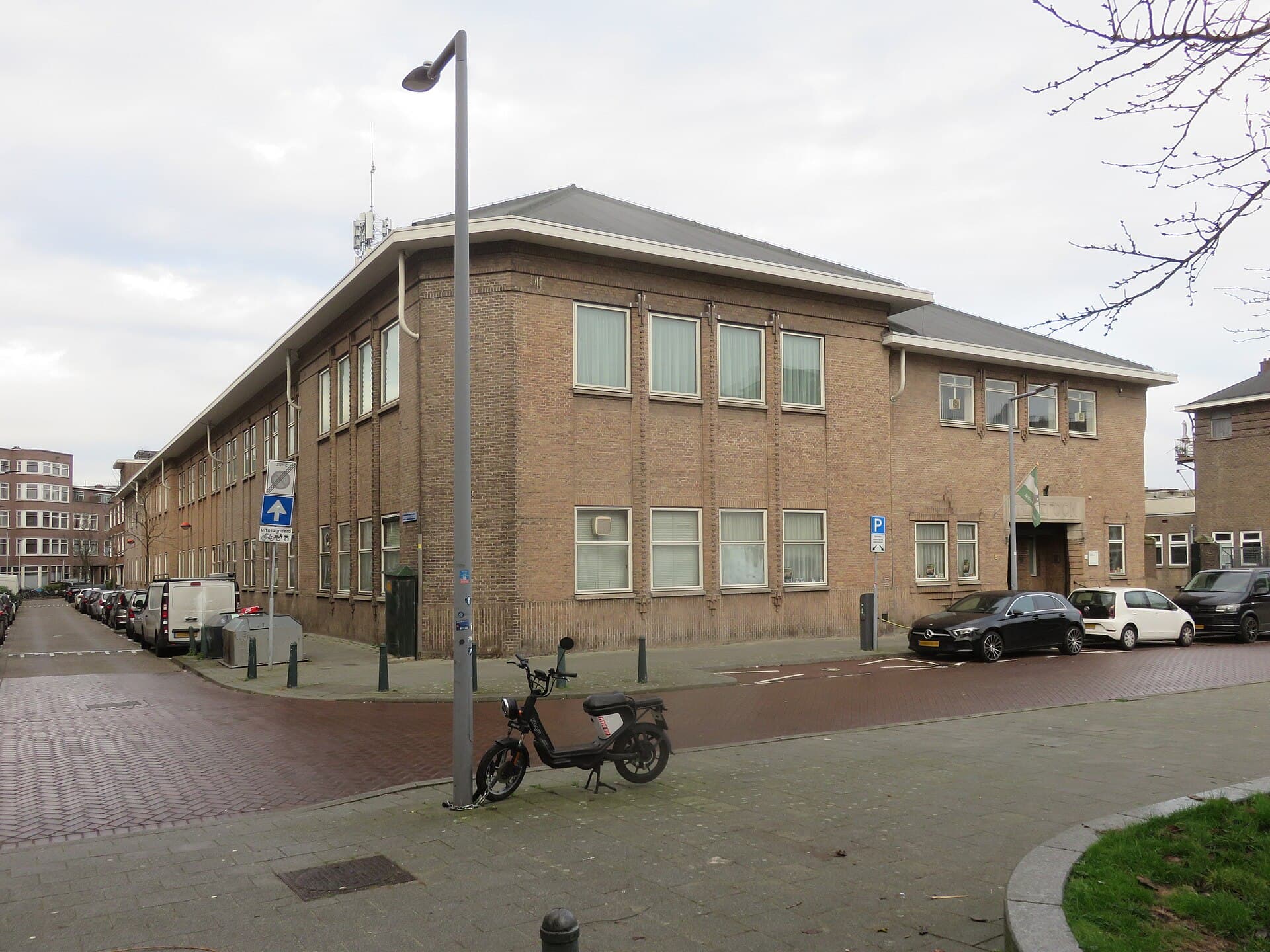 Houweling Telecom MuseumA museum of the history of telecommunications, showing a collection of telephone21 minutes walk4.6
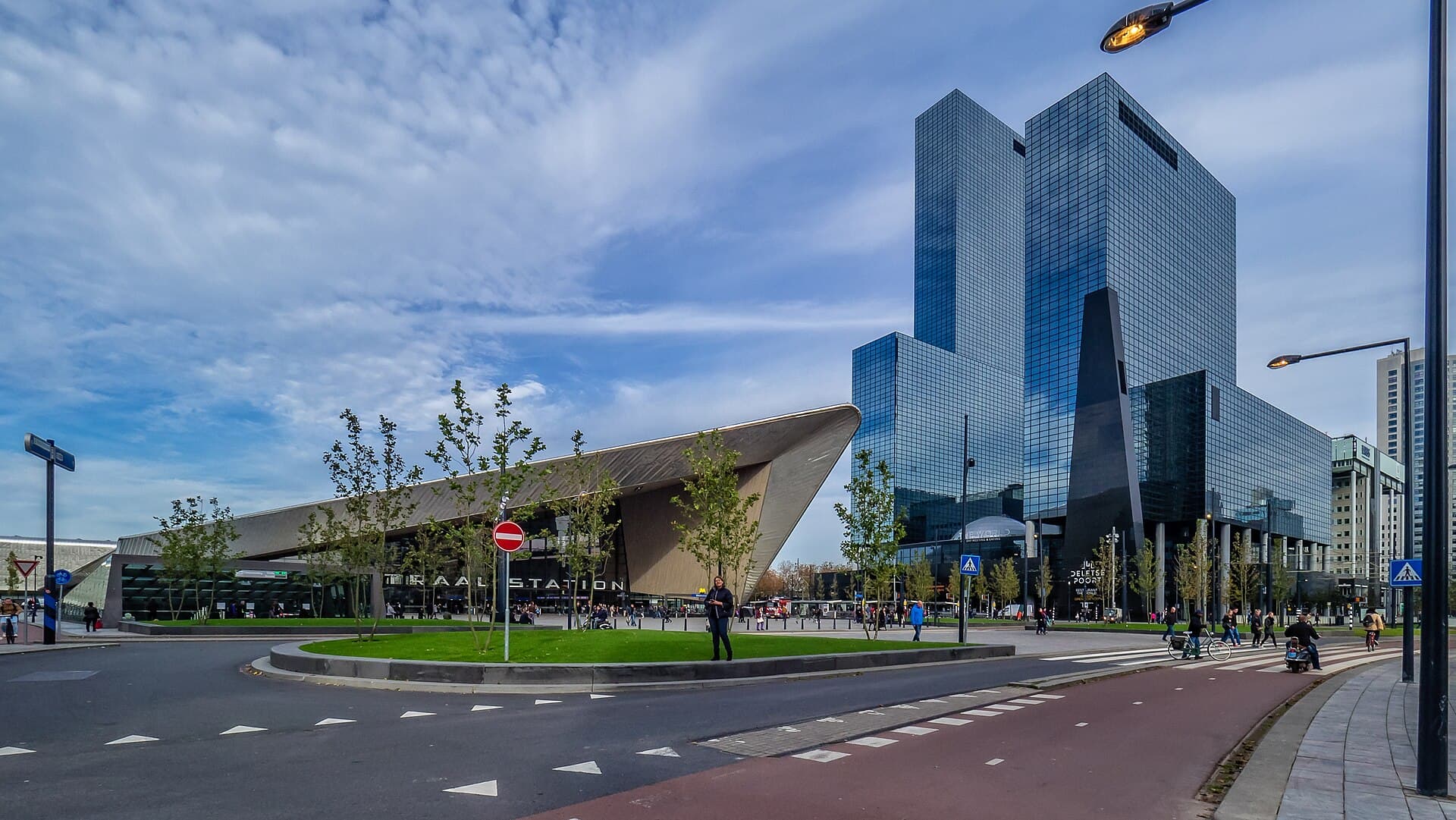 Stationsplein, RotterdamThe square in front of Rotterdam Centraal, the first thing an arriving visitor s23 minutes walk4.5
Yes, and it is among the best things in Rotterdam for families. The Oceanium routes are covered so rain does not disrupt the visit, and there are play areas and restaurants inside the zoo. Pushchairs go everywhere. The only caveat is that the zoo is large and the walking long — plan for breaks, and a morning visit is quieter.
The metro to Blijdorp station and a short walk, or a tram from the centre. The distance from the central station is about ten minutes by metro. There is a car park but it fills on holidays and its fee is separate from the ticket. Booking online in advance saves on the price and avoids the counter queue.