
The conveyor bridges
Glazed spans carrying goods between buildings in the air.
F.Eveleens — CC BY 3.0 · Wouter Hagens — CC BY-SA 4.0 · Davidh820 — CC BY-SA 4.0 · Kris Roderburg — CC BY-SA 4.0
The Van Nelle Factory is on the UNESCO World Heritage list, a coffee, tea and tobacco works built between 1927 and 1931 and reckoned among the most important buildings of industrial modernism anywhere. The idea was radical at the time: instead of load-bearing walls, a concrete frame on internal columns with complete glass facades from floor to ceiling. The result is production halls flooded with daylight — and this was not only aesthetic but socially intended: the owner wanted his workers in light and air rather than the dark factories of the nineteenth century. The striking detail is the glazed conveyor bridges carrying goods between the buildings through the air, which give the factory its distinctive image. It closed as a factory in 1996 and was converted to offices, studios and a conference venue. The site is a working office complex and cannot be wandered: the facades are seen free from outside, and the interior by booked architectural tour on set dates.
Glazed spans carrying goods between buildings in the air.
Internal columns instead of bearing walls, new then.
Van Nelleweg 1, 3044 Rotterdam
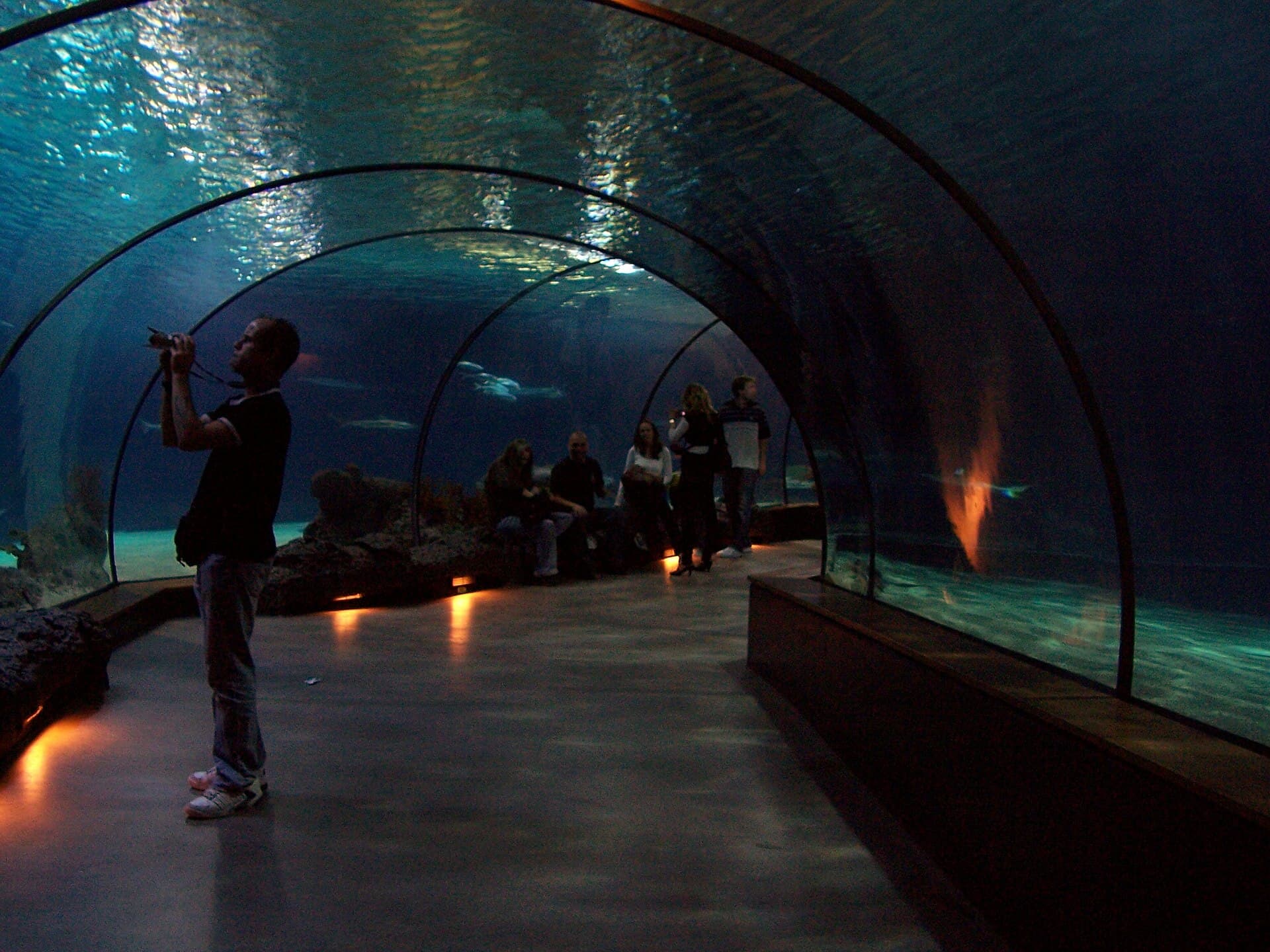 The Oceanium at Blijdorp ZooThe oceans section inside Rotterdam's Blijdorp Zoo, opened in 2001 and regarded 13 minutes walk4.6
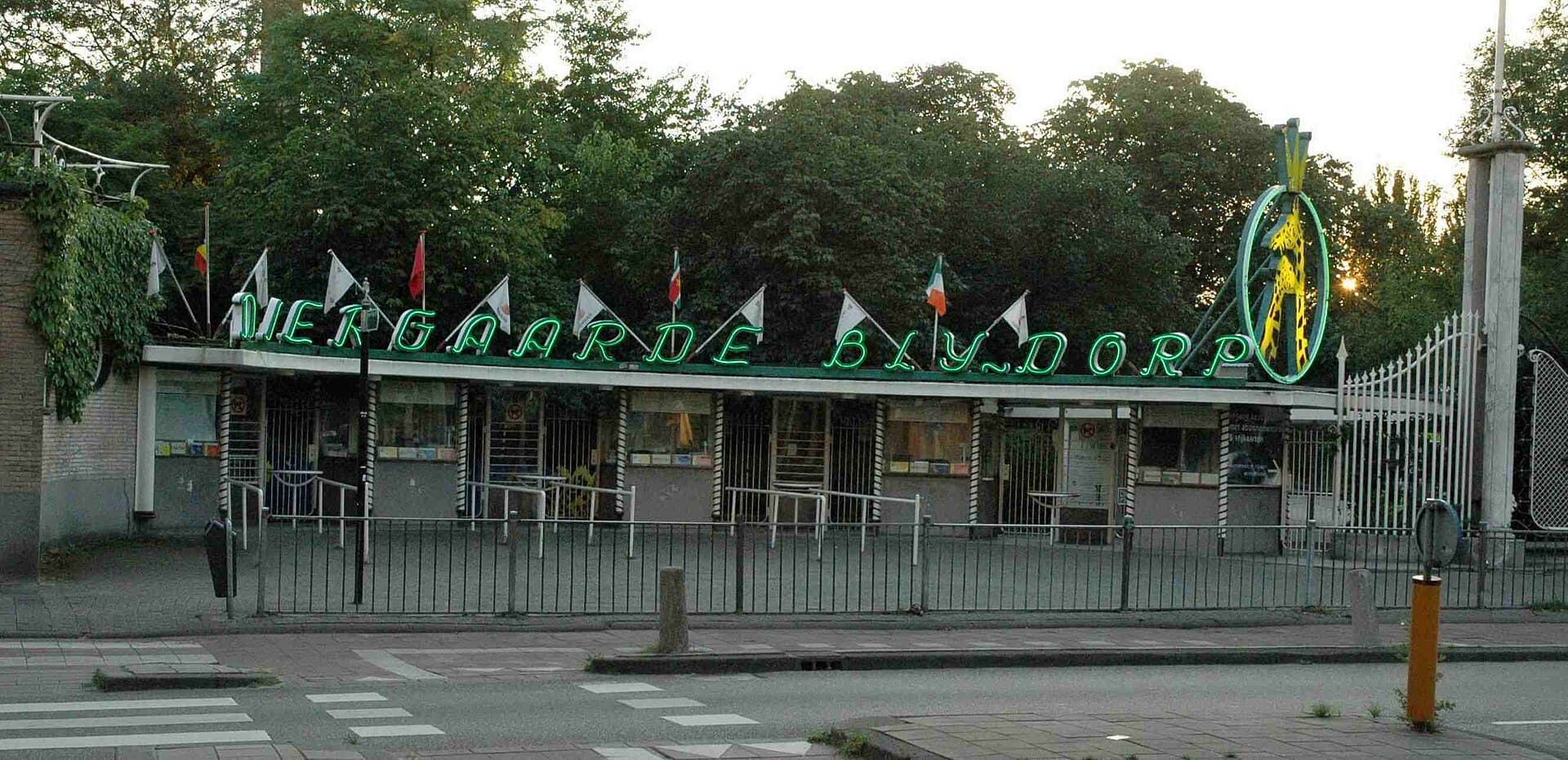 Blijdorp ZooRotterdam's venerable garden (1857) ranked among Europe's loveliest: Blijdorp is18 minutes walk4.5
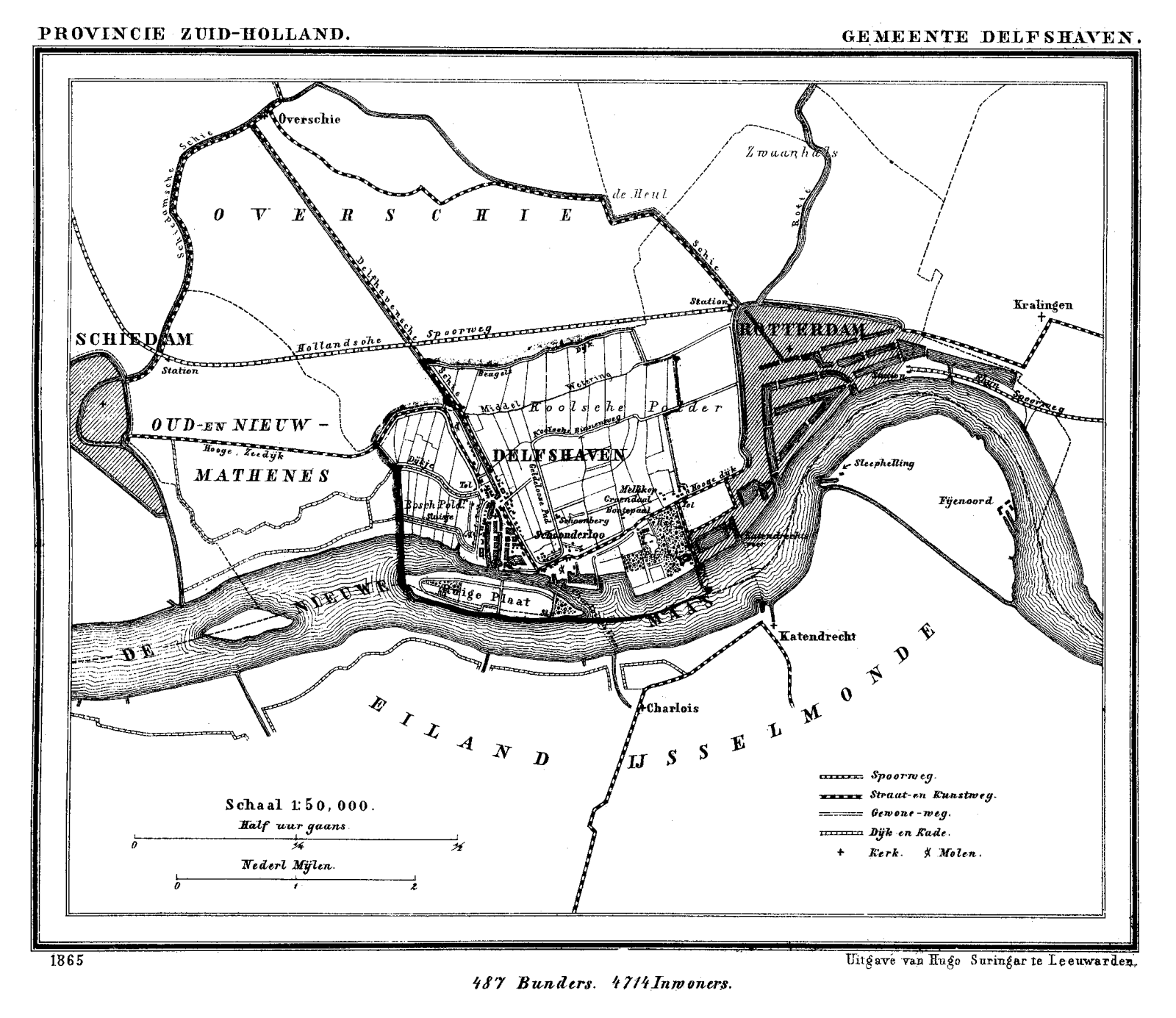 Historic DelfshavenDelfshaven is the one part of Rotterdam that looks like an old Dutch town — and 23 minutes walk4.7
Because it lost its past. On 14 May 1940 the city centre was almost entirely destroyed in a German bombardment lasting about a quarter of an hour, which burned some twenty-five thousand houses. When rebuilding came, the city refused to reproduce what had been there and decided to build wholly anew. The result is that Rotterdam is the only large Dutch city without a historic centre — and correspondingly the best place in Europe to see twentieth and twenty-first century architecture side by side.