
Botticelli and Ghirlandaio, face to face
Two frescoes from 1480 across the nave, moved here when the old choir screen came down.
Lucarelli — CC BY-SA 3.0 · Zairon — CC BY 4.0 · Zairon — CC BY 4.0 · Zairon — CC BY 4.0
Under a round marble slab set into the floor of a modest church by the Arno lies Sandro Botticelli. There is no queue at the door, no ticket, no booking window: you push open a door on Borgo Ognissanti and find yourself in one of the calmest rooms of great art in a city that does not do calm. Most people walk straight over the slab, in a chapel of the right transept, without noticing that it marks a family grave rather than a single one. The Latin on it commemorates the sons of Mariano Filipepi, and Filipepi is what the man was actually called before his nickname became shorthand for the Birth of Venus. The two walls facing each other across the nave hold a silent duel from 1480. On one, Botticelli's St Augustine sits in his study with a tight face and restless hands, a thought about to detonate behind his eyes. Opposite him, Domenico Ghirlandaio's St Jerome is serene among his papers, his scissors and his inkpot, a man who has made his peace with the world. The Vespucci commissioned the pair at the same moment from two artists at the height of their rivalry; they were painted for the old choir screen and moved onto the nave walls when it was pulled down. Seeing them square off on a church wall, rather than behind museum glass in a room a thousand people an hour pass through, is precisely what makes half an hour here worth spending. This was the Vespucci parish church, and in Ghirlandaio's Madonna della Misericordia the whole family shelters under the Virgin's cloak, the boy among them traditionally identified as a young Amerigo, whose name two continents ended up carrying. Simonetta Vespucci, widely thought to be the face Botticelli gave his Venus, was buried here too, though nothing of her tomb survives to be pointed at. The much-repeated story that the painter asked to be laid at her feet is tradition rather than documented fact, and what is certain is plainer: he was buried in his own family's grave, in the church where he had been baptised. It is still a fine thing to believe while you are standing on the spot. Giotto's Ognissanti Madonna also came from this church and now hangs among the Uffizi's treasures, so you are effectively standing in the gap that one of that gallery's most famous panels left behind. Be honest with yourself about the trade-off. With two days in Florence, the Uffizi, the Accademia and the Duomo come first, and Ognissanti is not among them and should not be. But on a second visit, or when your hotel sits near Santa Maria Novella station and you have a spare half hour before check-in, there is very little free time in this city better spent. Entry costs nothing, the church closes on Tuesdays and shuts between one and three, and modest dress is expected as in every Italian church. Ghirlandaio's Last Supper in the old convent refectory next door is a genuinely separate proposition, with its own door, its own small ticket and very narrow hours, and it is currently listed as temporarily closed by the Tuscan state museums, so do not build a morning around it without checking. The street itself is quiet and easy with children, and halal kebab and Middle Eastern places are a few minutes away around Via Palazzuolo and the station.
Two frescoes from 1480 across the nave, moved here when the old choir screen came down.
A round floor slab over the Filipepi family grave, walked over daily by people who never look down.
Ghirlandaio's fresco has its own door, ticket and rare hours, and is currently closed, so confirm first.
Borgo Ognissanti 42, 50123 Florence
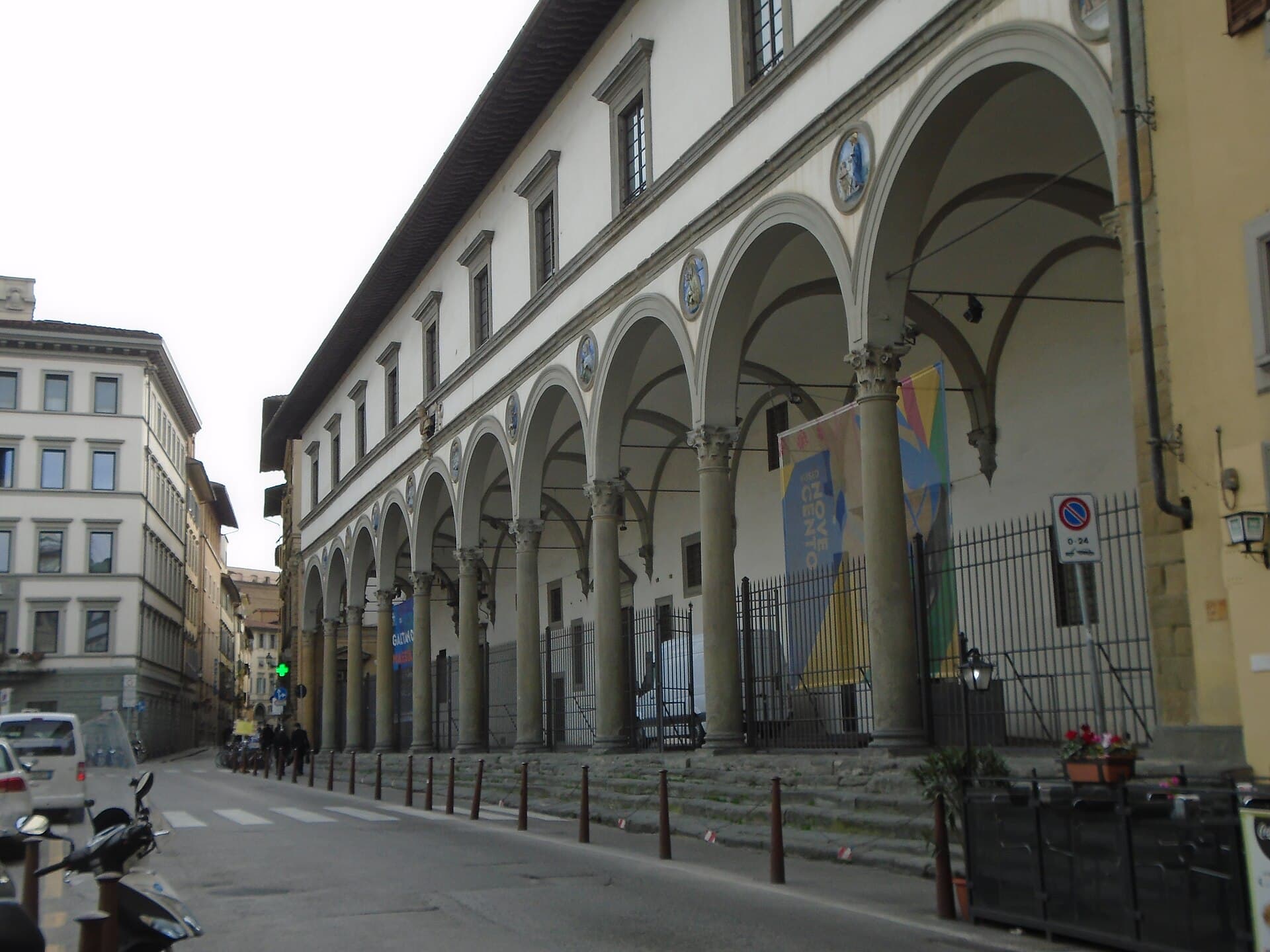 Museo NovecentoA museum of twentieth-century Italian art on the Piazza Santa Maria Novella in c3 minutes walk3.8
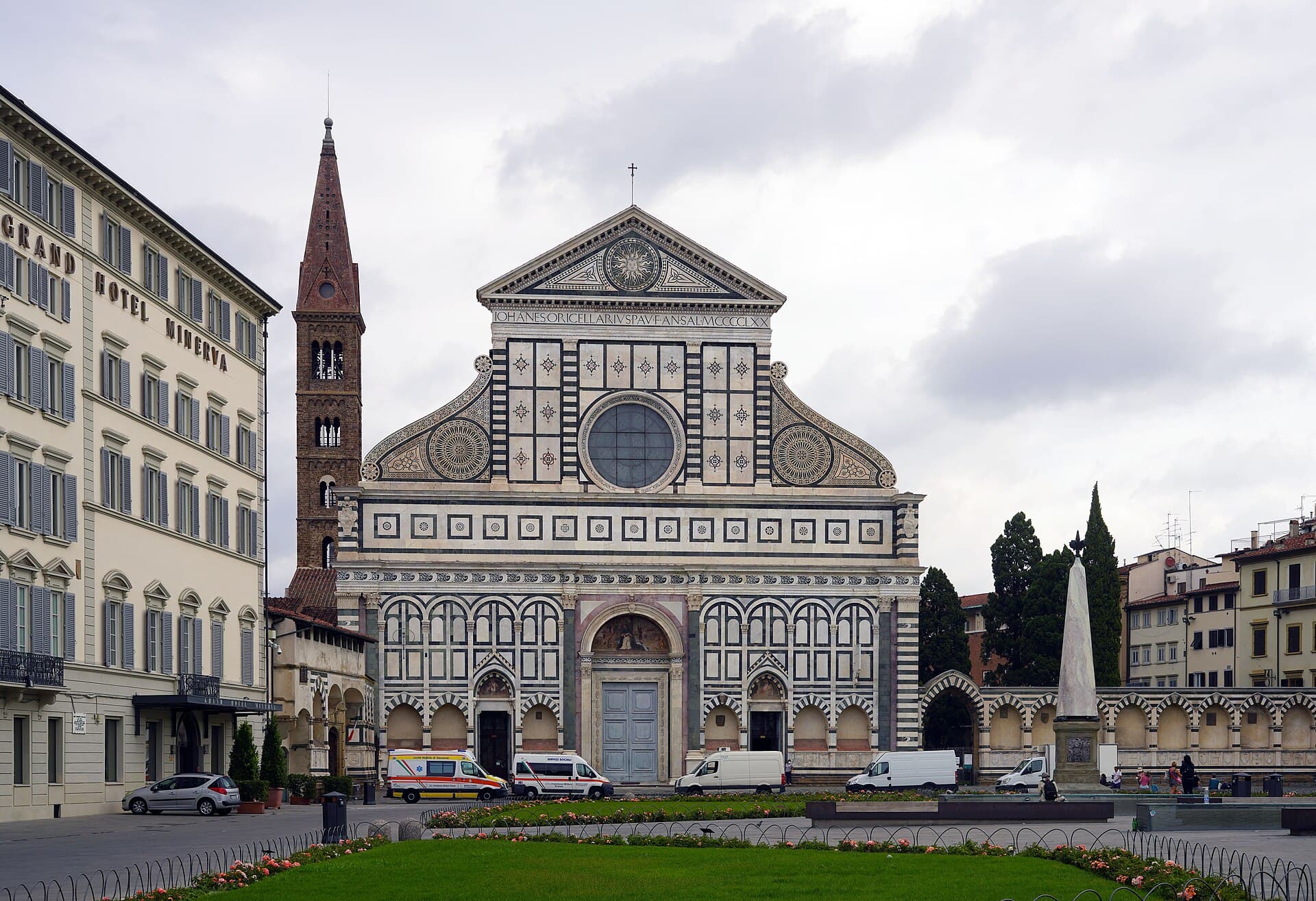 Santa Maria NovellaSanta Maria Novella is your first sight of Florence — facing its main station — 4 minutes walk4.6
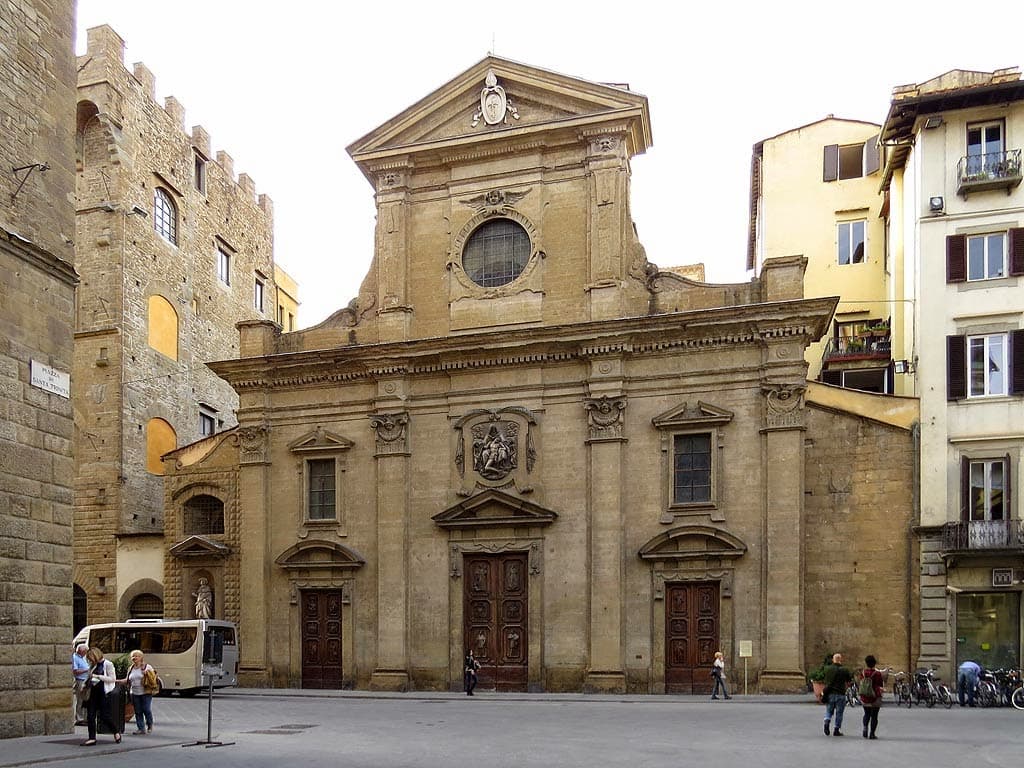 Basilica di Santa TrinitaStand in Piazza Santa Trinita, walk through the door, and you will find the same6 minutes walk4.5
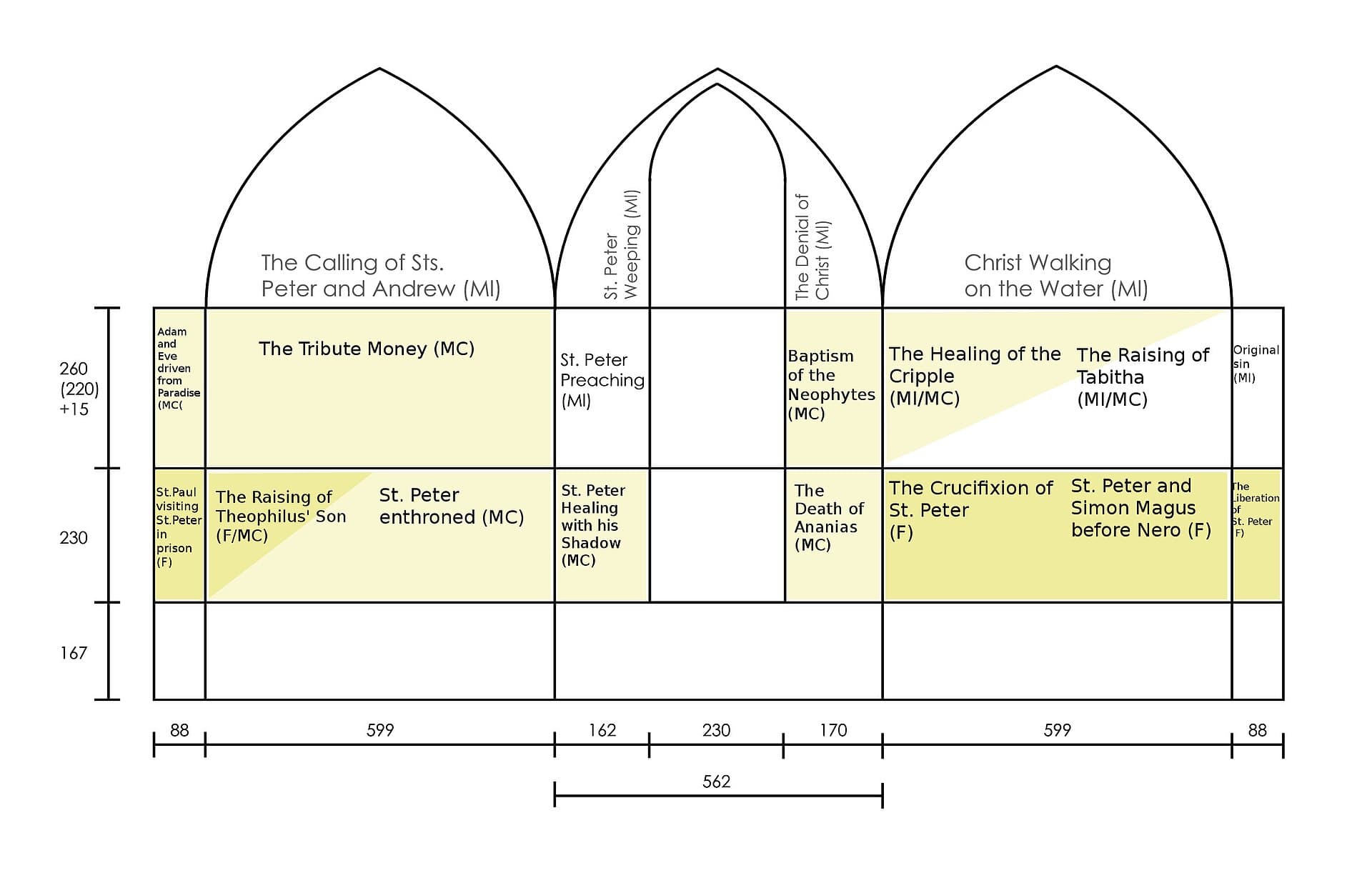 Brancacci ChapelThis is the small room, only a few paces across, where Michelangelo had his nose6 minutes walk4.5
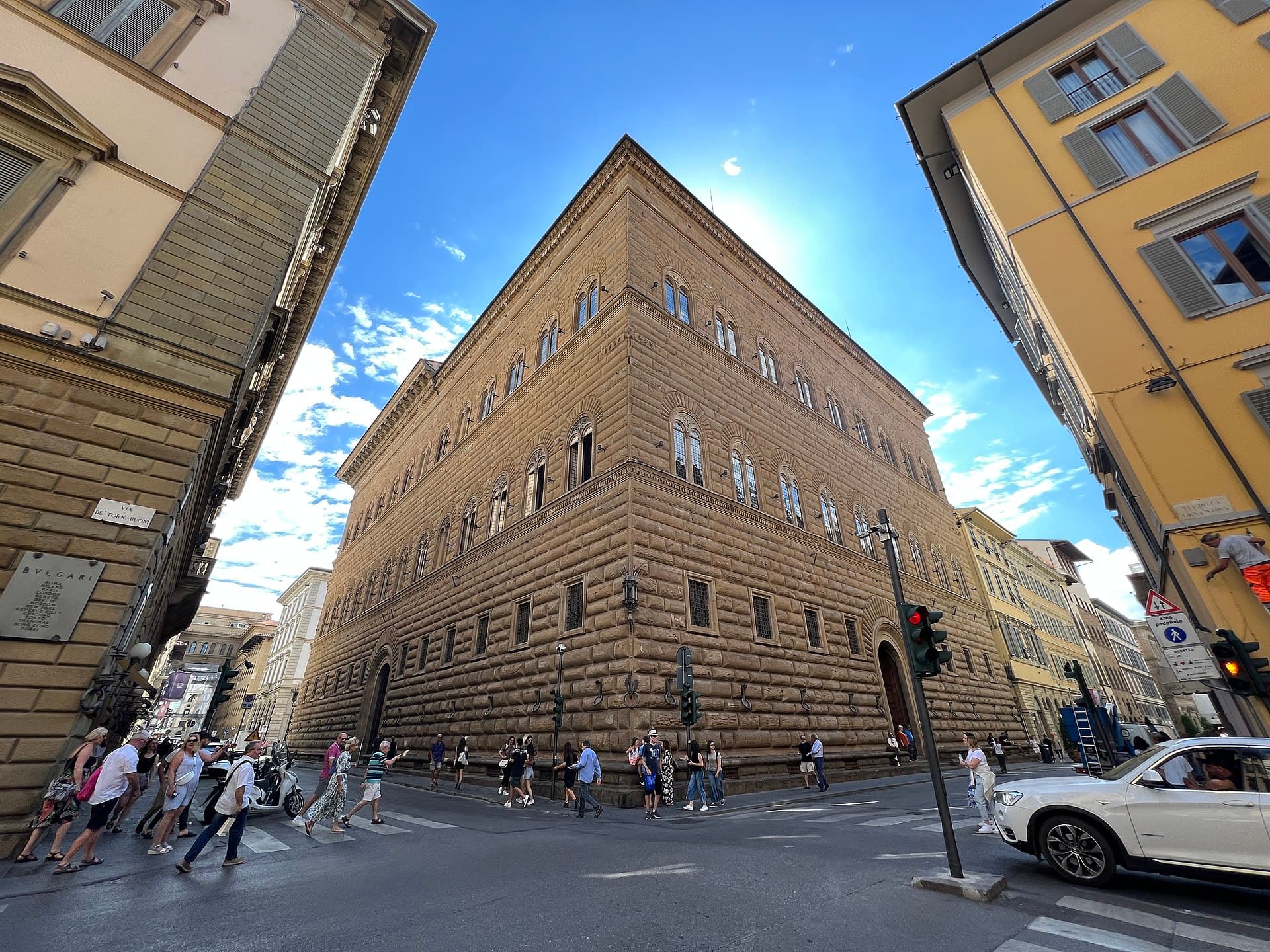 Palazzo StrozziFlorence's most complete private Renaissance palace — and today its exhibition p7 minutes walk4.7
Honestly, no. Two days go to the Uffizi, the Accademia and the Duomo, all of which need booking weeks ahead, and a small parish church should not be competing with them. Ognissanti is a second-visit place, or a spare half hour if your hotel is near the station anyway. On those terms it is one of the best free stops in the city. Just note it is closed on Tuesdays and between 13:00 and 15:00.
Probably not at the moment. The refectory has its own entrance and a EUR 5 ticket, its usual hours are Thursday to Saturday 09:00-13:00 only because it depends on volunteer staffing, and it is currently listed as temporarily closed by the Tuscan state museums. If that fresco is your sole reason for coming, phone or check the official site before crossing town; if you are here for the church anyway, treat the refectory as a bonus you may or may not get.