
Florence after the Renaissance
What Italy made four centuries after its peak — a gap this museum fills.
Eugenio Hansen, OFS — CC BY-SA 4.0 · Pietroprosperi — CC BY-SA 4.0 · Manuelarosi — CC BY-SA 4.0 · Sailko — CC BY 3.0
A museum of twentieth-century Italian art on the Piazza Santa Maria Novella in central Florence. Its presence here is the point: Florence is a city people come to for the Renaissance — the Uffizi, Botticelli, Michelangelo — and few think about its modern art. This museum fills that gap, showing what Italy produced four hundred years after that peak. The collection covers the early twentieth century to its end: the avant-garde movements, art under fascism, the post-war period, abstraction, photography and film. The building is a thirteenth-century hospital, altered over the centuries and then restored as a museum, and that contrast — twentieth-century art inside a medieval building — is part of the experience. Its practical value is that it is quiet: while the queues at the Uffizi and the Accademia run for hours, you can walk straight in here and look at serious work in a near-empty space. In a city this crowded, that alone justifies the visit.
What Italy made four centuries after its peak — a gap this museum fills.
While the Uffizi queues run for hours, you walk straight in here.
Modern art inside a medieval building — the contrast is part of it.
Piazza Santa Maria Novella, central Florence
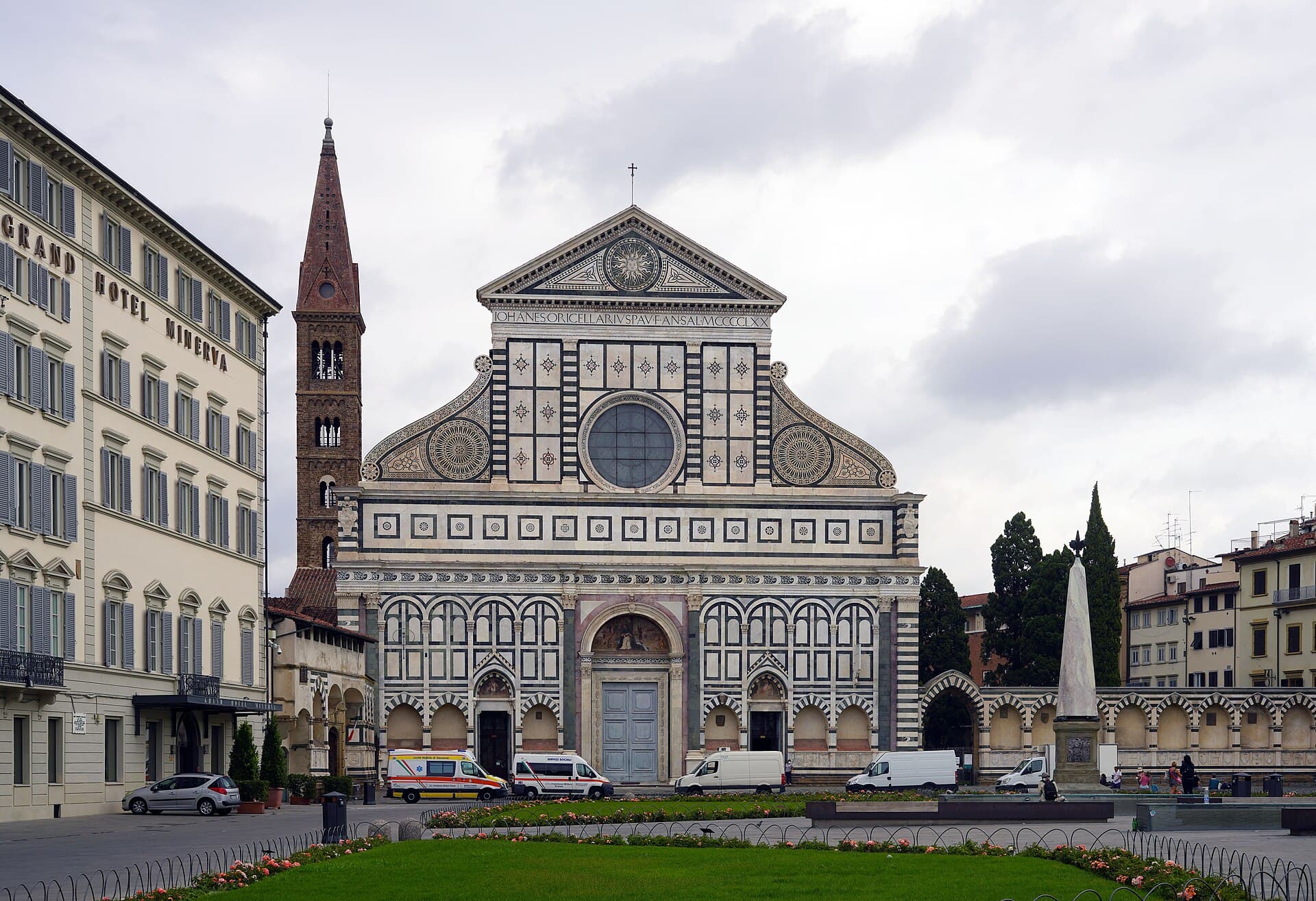 Santa Maria NovellaSanta Maria Novella is your first sight of Florence — facing its main station — 2 minutes walk4.6
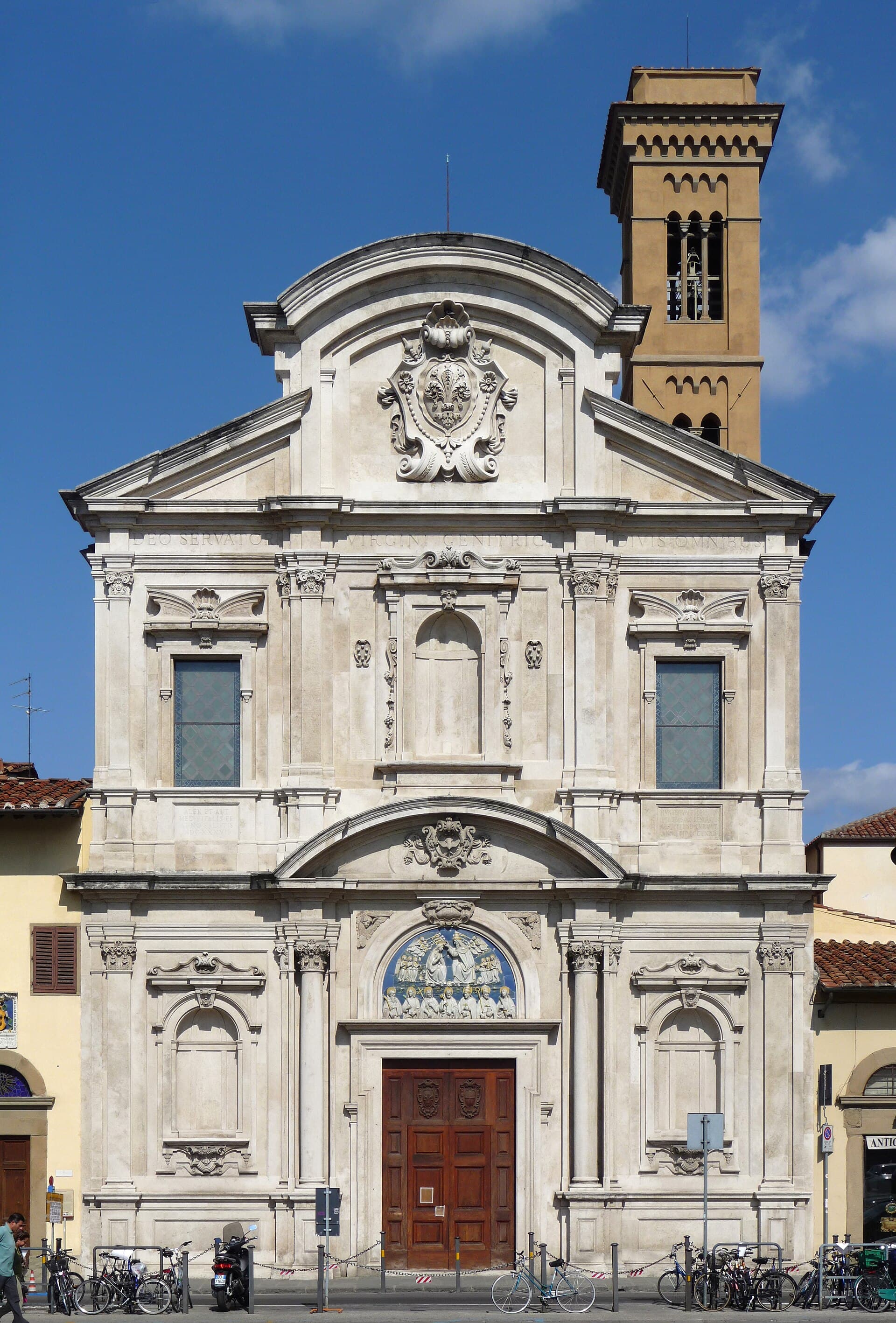 Ognissanti ChurchUnder a round marble slab set into the floor of a modest church by the Arno lies3 minutes walk4.7
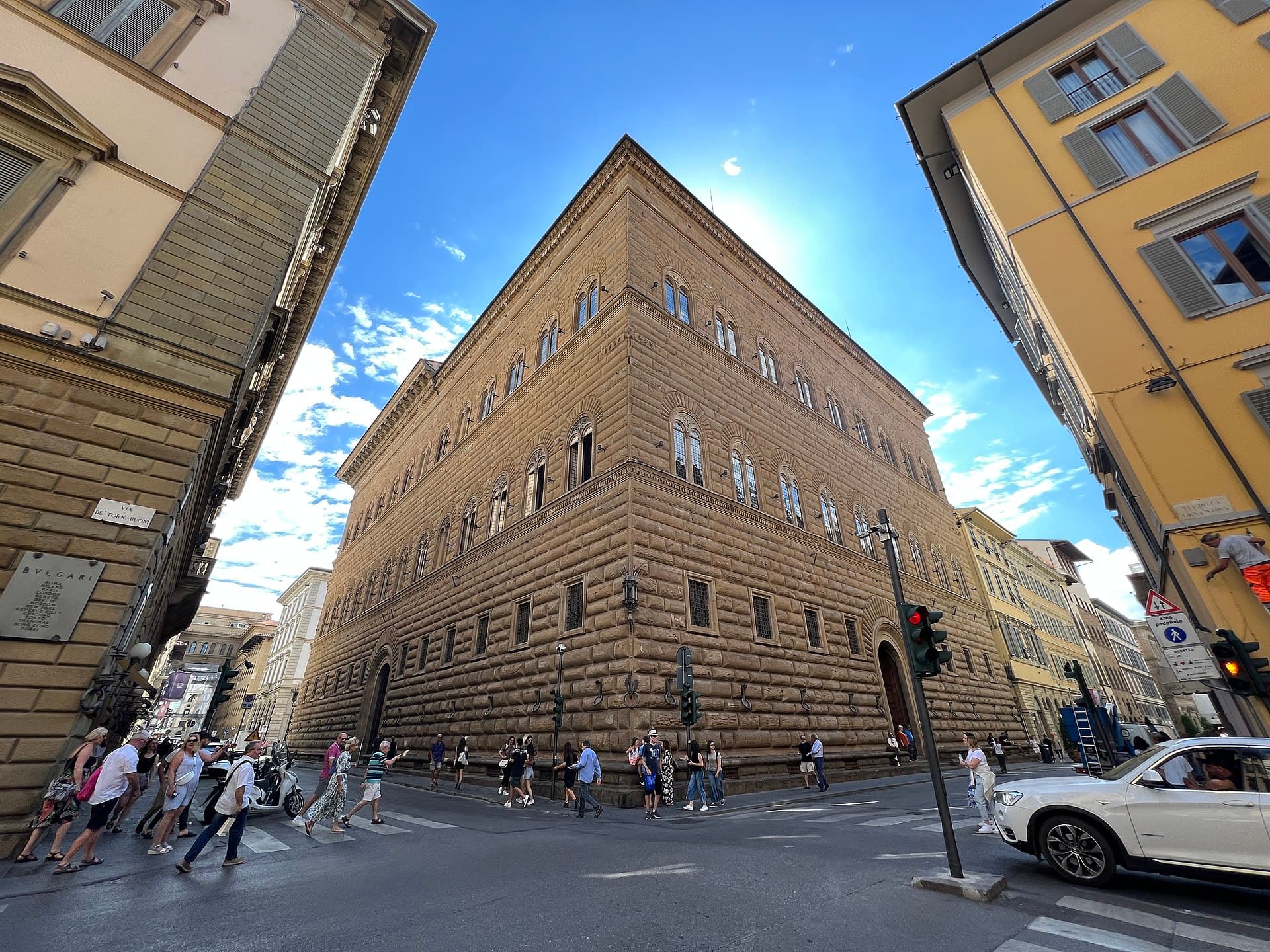 Palazzo StrozziFlorence's most complete private Renaissance palace — and today its exhibition p4 minutes walk4.7
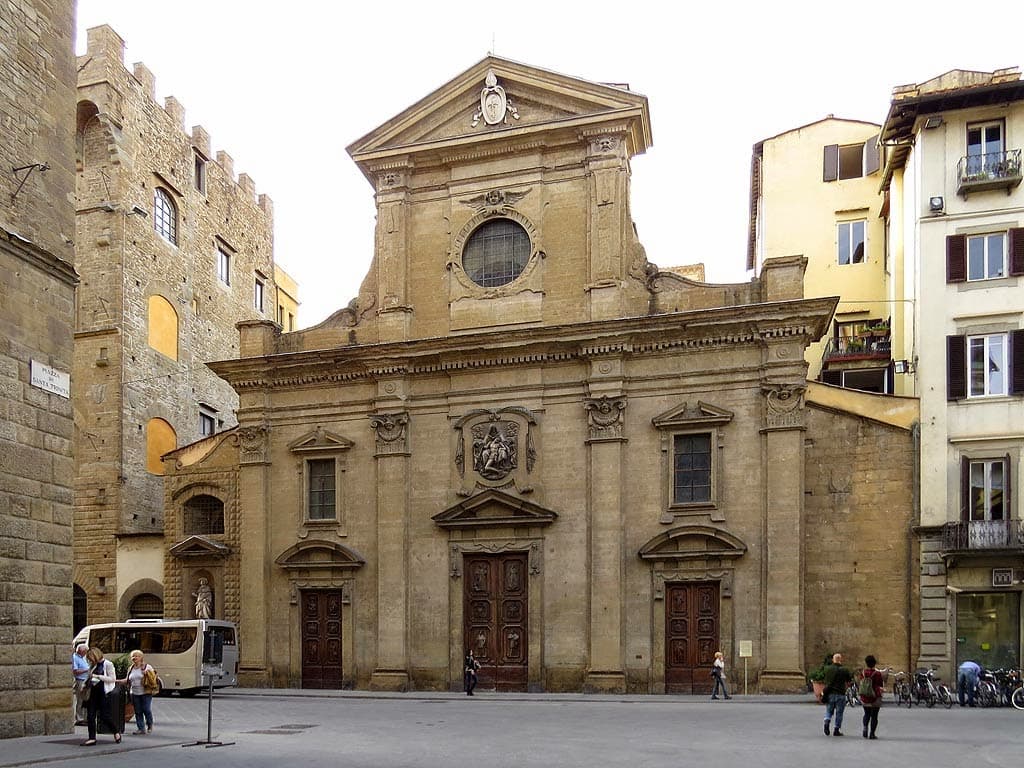 Basilica di Santa TrinitaStand in Piazza Santa Trinita, walk through the door, and you will find the same4 minutes walk4.5
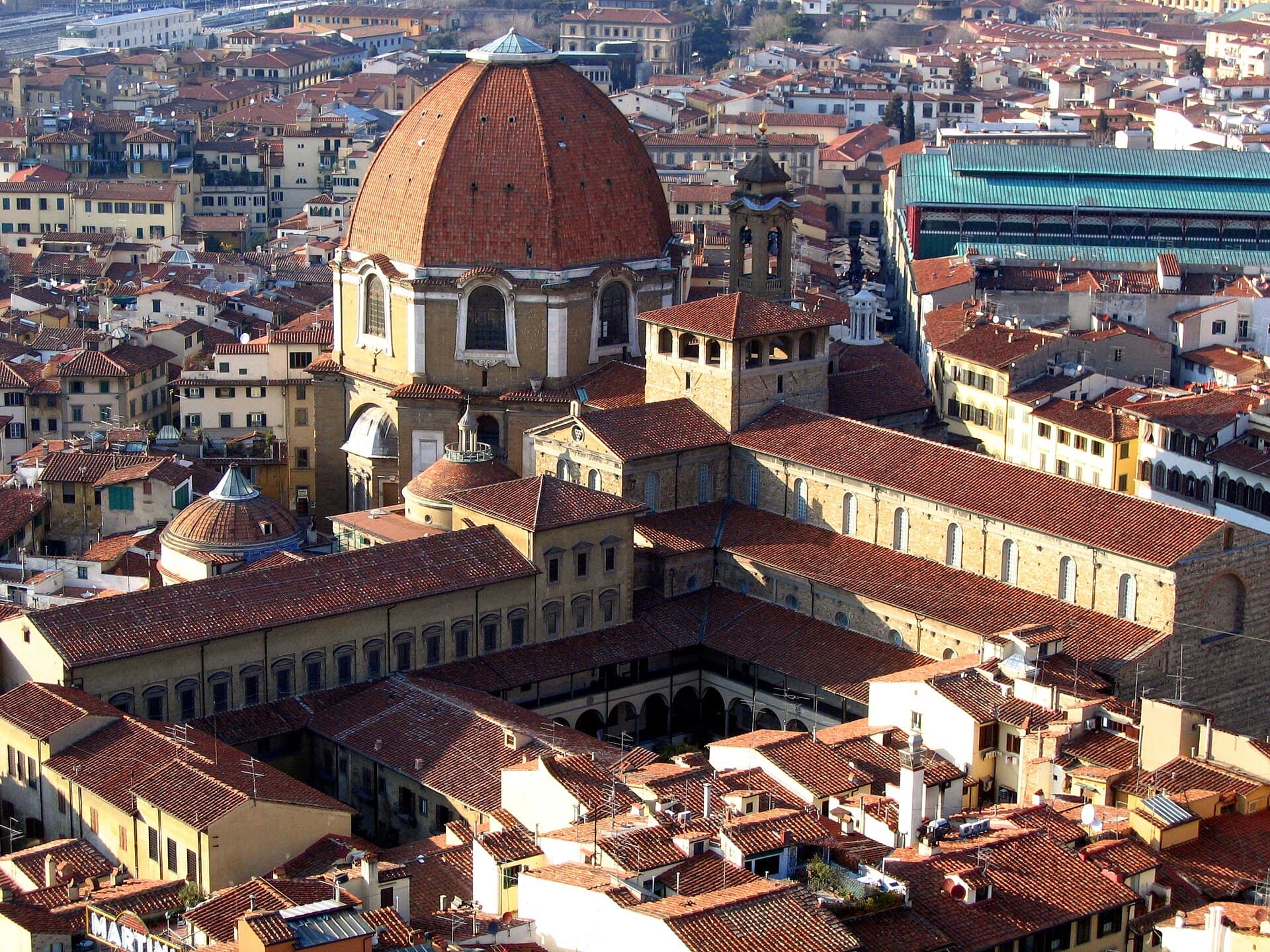 Medici ChapelsThe Medici Chapels are the mausoleum of the dynasty that made Florence: behind S5 minutes walk4.6
On a first visit with few days, no — the Uffizi, the Accademia, the Duomo and the Ponte Vecchio are the Florence you came for. But on a second visit, or when you are worn out by crowds and want a quiet hour in front of serious work, it is an excellent choice.
The church of Santa Maria Novella is on the same square, its marble front among Florence's finest and its interior holding important frescoes. The main railway station is minutes away, so the museum is a good option for an hour before leaving the city.