
The slavery monument
Site of the official 1 July commemoration.
S Sepp — CC BY-SA 3.0 · Ceescamel — CC0 · Ceescamel — CC0 · Ceescamel — CC0
The Oosterpark was Amsterdam's first large municipal park, opened in 1891 on what had been farmland outside the city, and laid out in the English manner with curving paths, ponds and mature trees. The park today carries monuments that make a visit more than a stroll. At its centre stands the National Monument of Slavery History, raised in 2002 to commemorate Dutch slavery in Suriname and the Caribbean islands — and it is the site of the official annual commemoration of abolition on the first of July, an occasion called Keti Koti. Nearby is another memorial: De Schreeuw, the Scream, for the film-maker Theo van Gogh, assassinated close to the park in 2004. The surrounding district of Amsterdam-Oost is among the most ethnically diverse in the city, and the park is its shared ground. Entry is free and it is always open.
Site of the official 1 July commemoration.
Curving paths, ponds and trees from 1891.
Oosterpark, 1092 Amsterdam
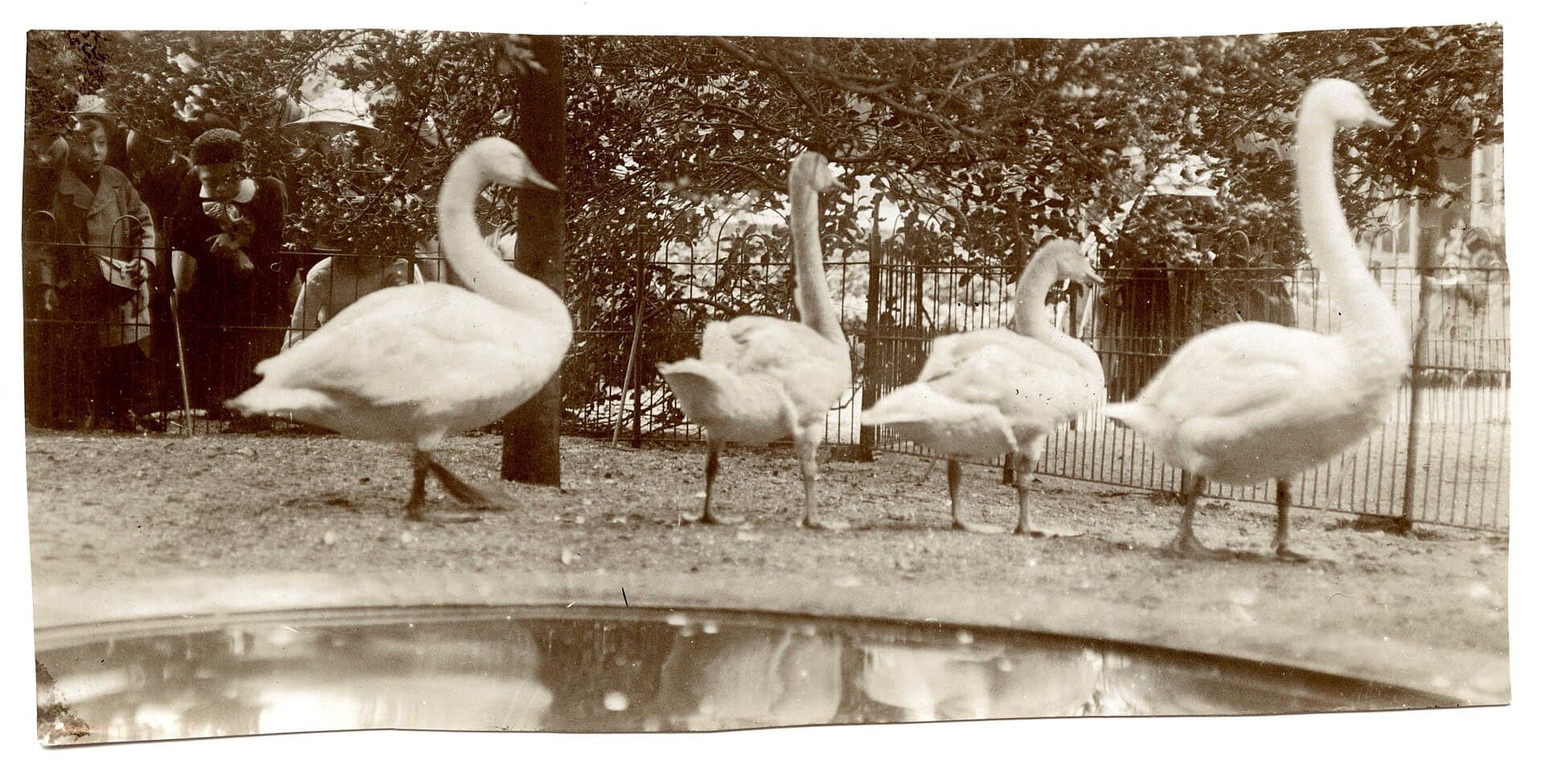 ARTIS Royal ZooARTIS is the Netherlands' oldest zoo and one of Europe's oldest (1838) — and mor9 minutes walk4.4
 The Groote Museum at ARTISThe Groote Museum is an 1855 building inside the ARTIS zoo, built originally as 10 minutes walk4.5
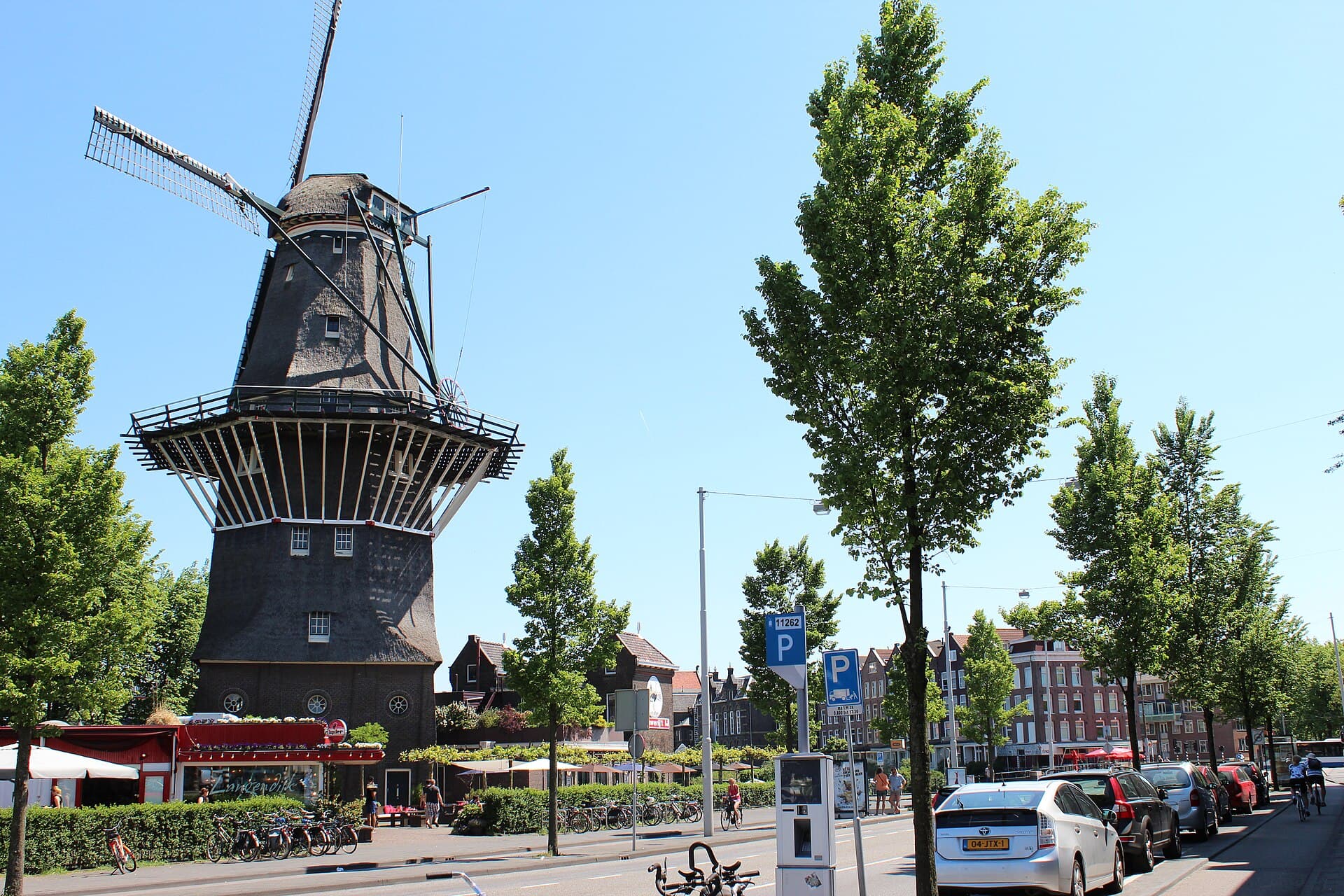 The De Gooyer WindmillDe Gooyer is the tallest wooden windmill in the Netherlands at about twenty-six 11 minutes walk4.5
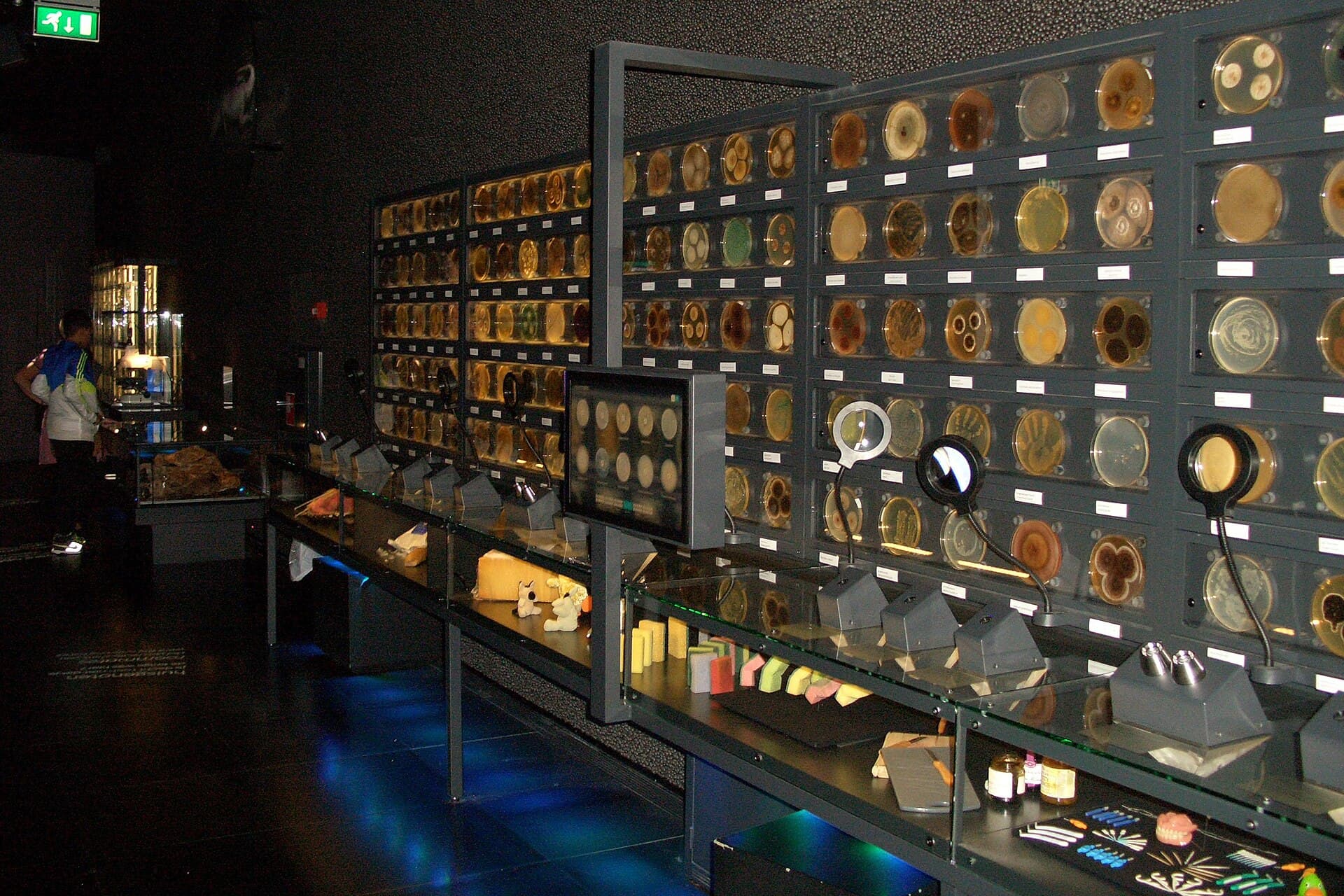 MicropiaMicropia is the only museum in the world devoted to microorganisms: bacteria, fu12 minutes walk4.6
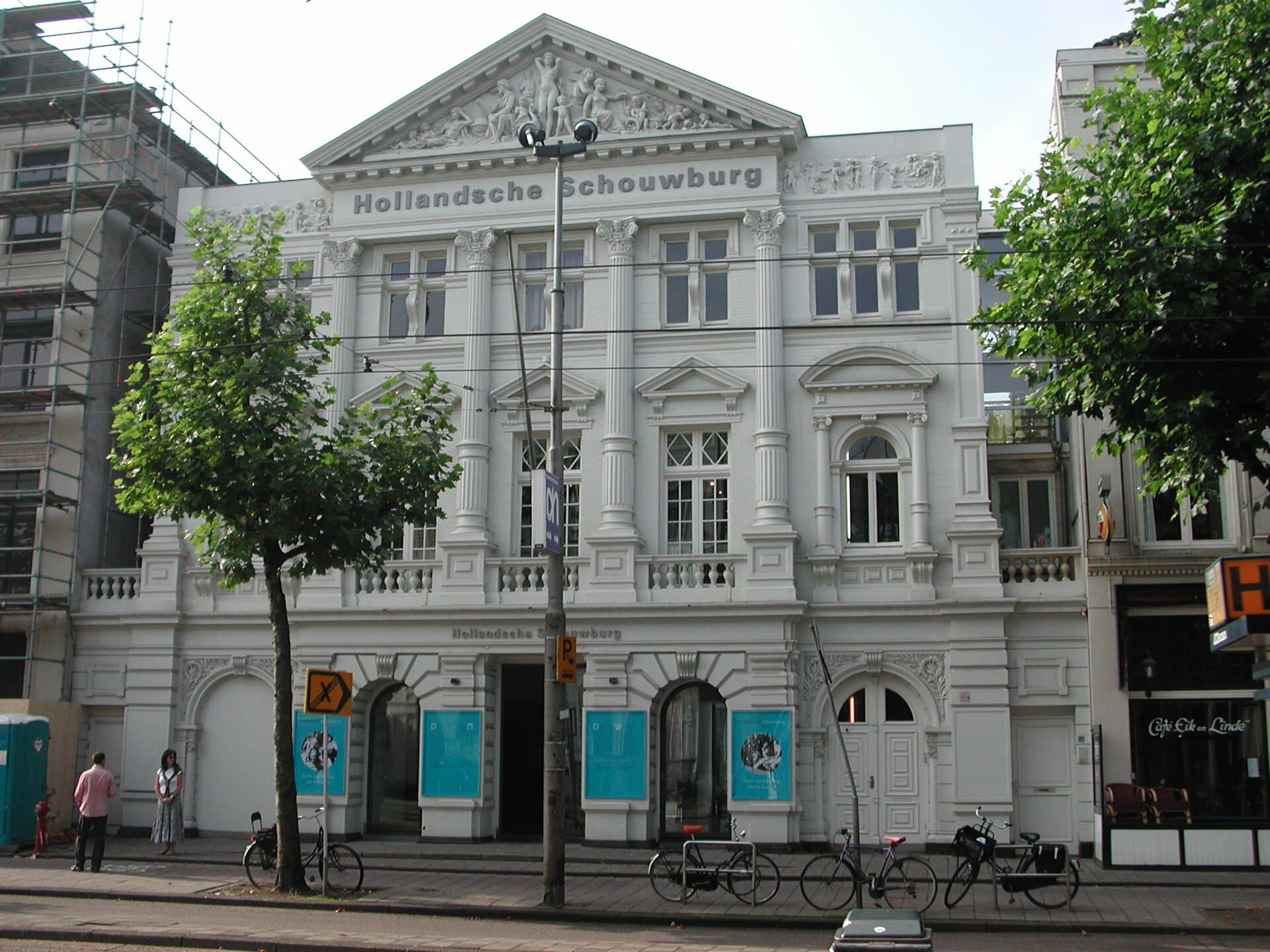 The Hollandsche Schouwburg MemorialThe Hollandsche Schouwburg was an ordinary theatre in the Jewish quarter until t12 minutes walk4.6
A phrase in Sranan Tongo, the language of Suriname, meaning broken chains, and the name of the annual commemoration of the Netherlands abolishing slavery in its colonies on the first of July 1863 — though it in fact continued another ten years under a transitional arrangement. The official ceremony is held in this park with state attendance, and the Dutch government issued a formal apology for the slavery past in December 2022. The subject is strongly present in Dutch public debate today.