
The mountain guides
They smuggled people and messages over the Tatras to Hungary and the Polish army.
Piotrekwas — CC BY-SA 3.0 pl · Cybularny — CC BY 4.0 · Cybularny — CC BY 4.0 · User:Piotrus — CC BY-SA 4.0
A residential villa in central Zakopane that served during the Second World War as a Gestapo headquarters and a place of interrogation and torture, and is today a museum. Before the war the building was a hotel. Between 1940 and 1945 the German secret police used it as the prison for the whole Podhale mountain region. Hundreds were held here — resistance members, mountain guides who smuggled people and messages across the border into Hungary and on to the Polish army in the West, and ordinary residents. The mountain routes made Zakopane a principal crossing point for the resistance, and that is why the Gestapo concentrated on it. The cellars are preserved as they were, and on the cell walls the prisoners' inscriptions, names and dates have been left in place. The displays are documents, photographs and testimony. This is a harsh and unflinching museum, not designed to entertain. It is unsuitable for children. But it explains a side of Zakopane that never shows on the tourist thoroughfare of Krupówki.
They smuggled people and messages over the Tatras to Hungary and the Polish army.
Names and dates written by prisoners, left where they are.
A side that never shows on the tourist thoroughfare of Krupówki.
Chramcówki street, central Zakopane
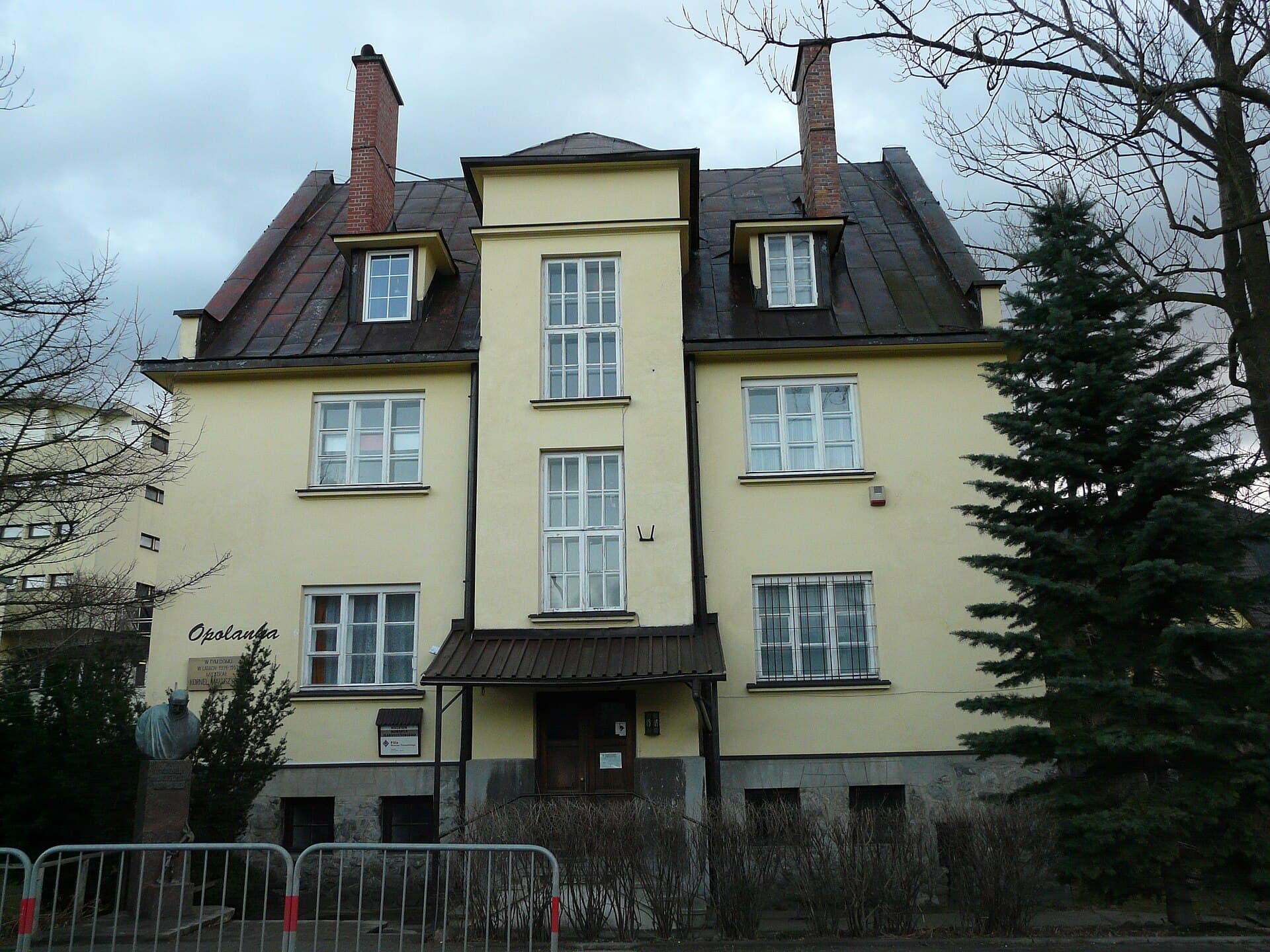 Kornel Makuszyński MuseumThe flat of the writer Kornel Makuszyński in Zakopane, kept as he left it and op8 minutes walk4.6
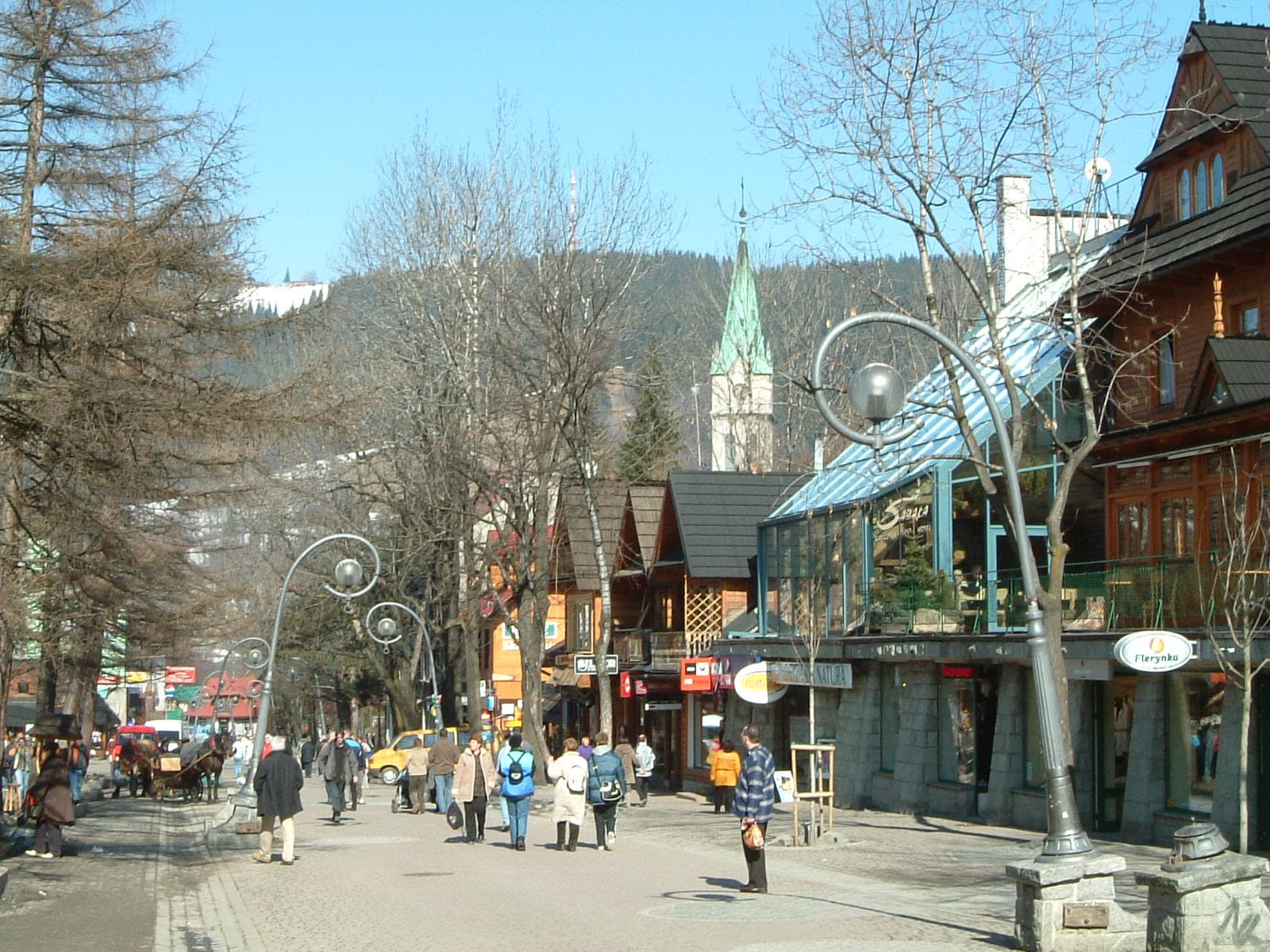 Krupówki StreetKrupówki is Zakopane's heart and artery: a kilometre of descending pedestrian st11 minutes walk4.3
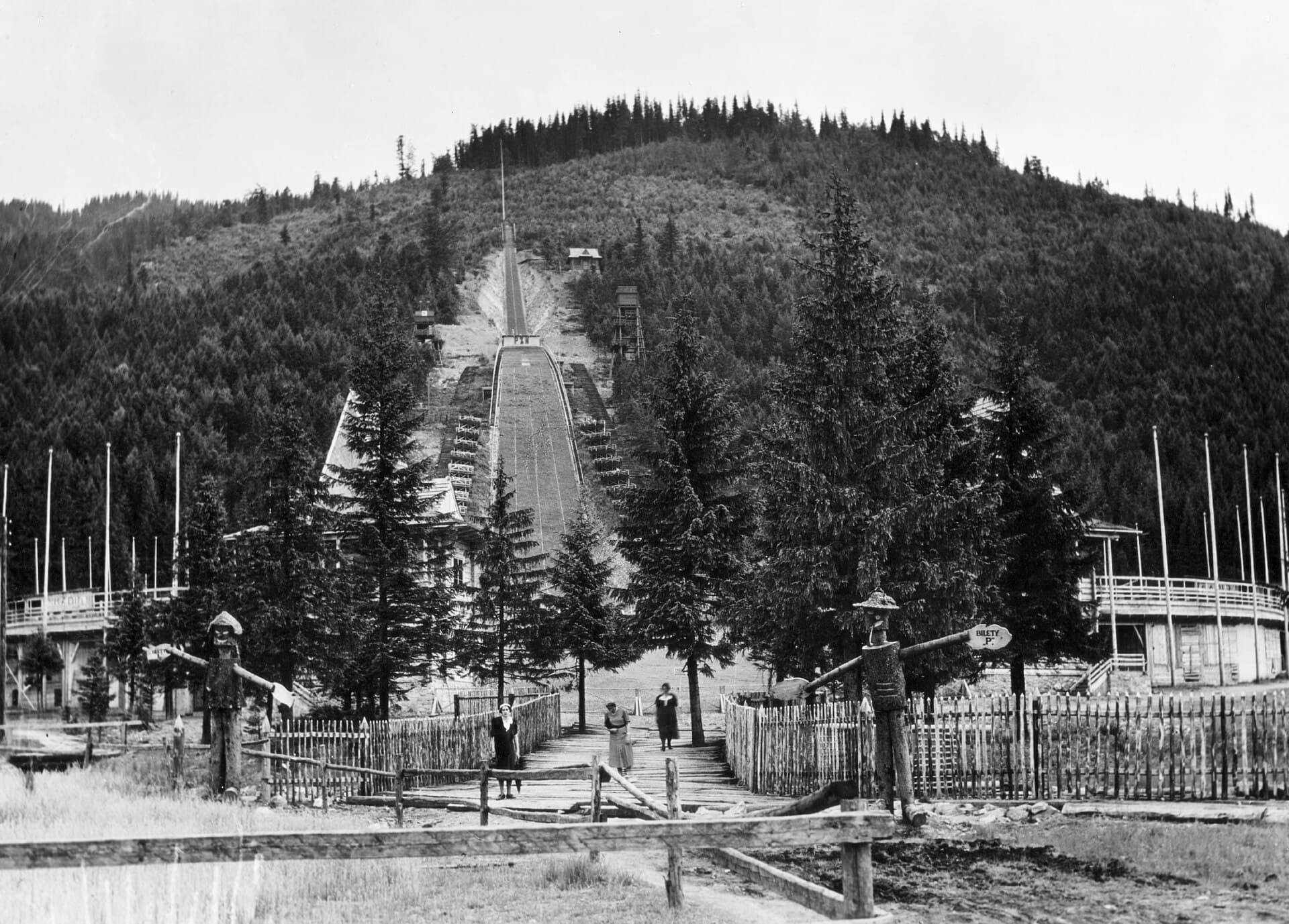 The Wielka Krokiew Ski JumpWielka Krokiew is Poland's winter temple: the great jump (1925) on Krokiew's slo14 minutes walk4.5
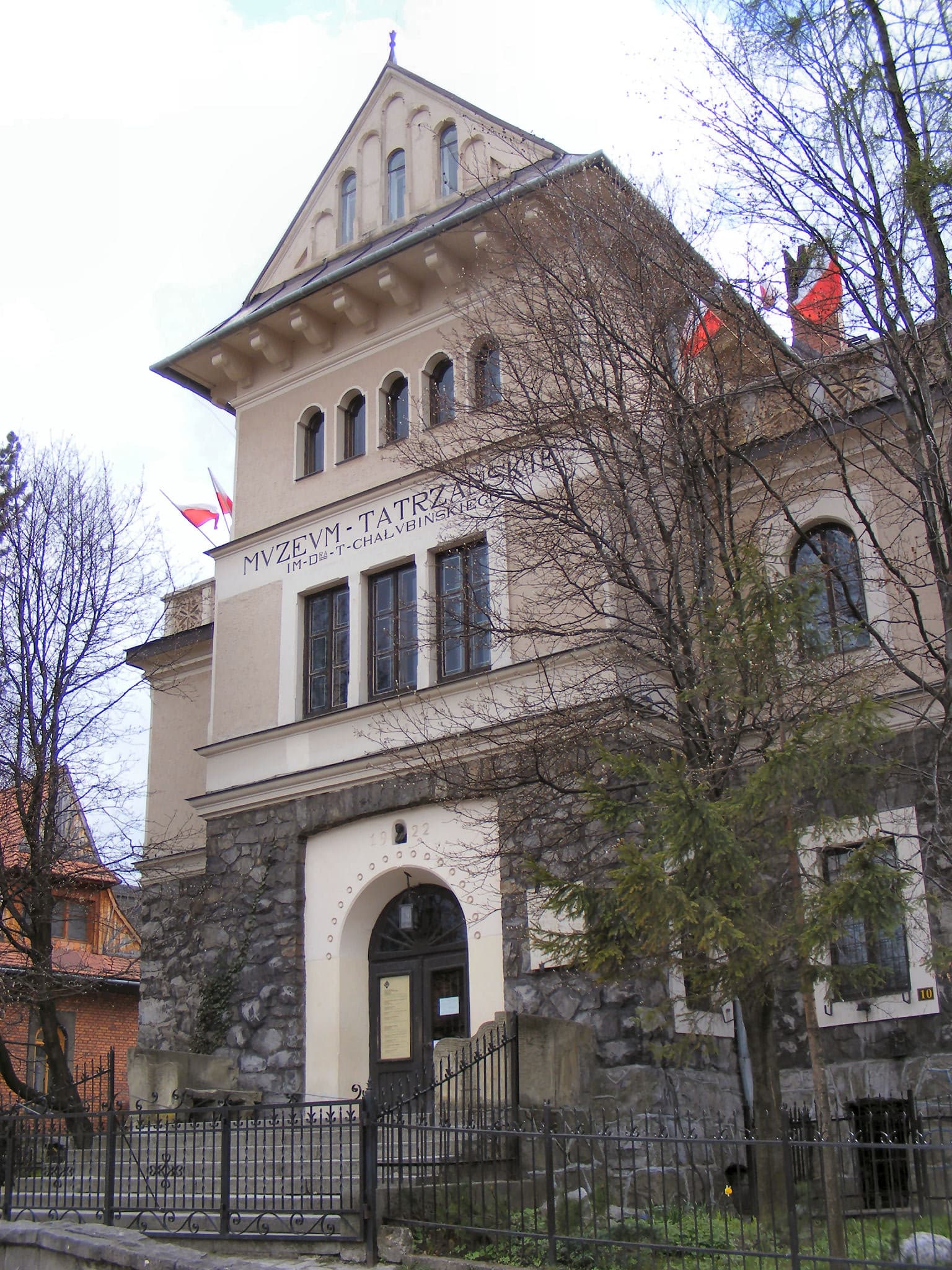 The Tatra MuseumThe Tatra Museum is the mountain's and its people's memory: among Poland's oldes15 minutes walk4.5
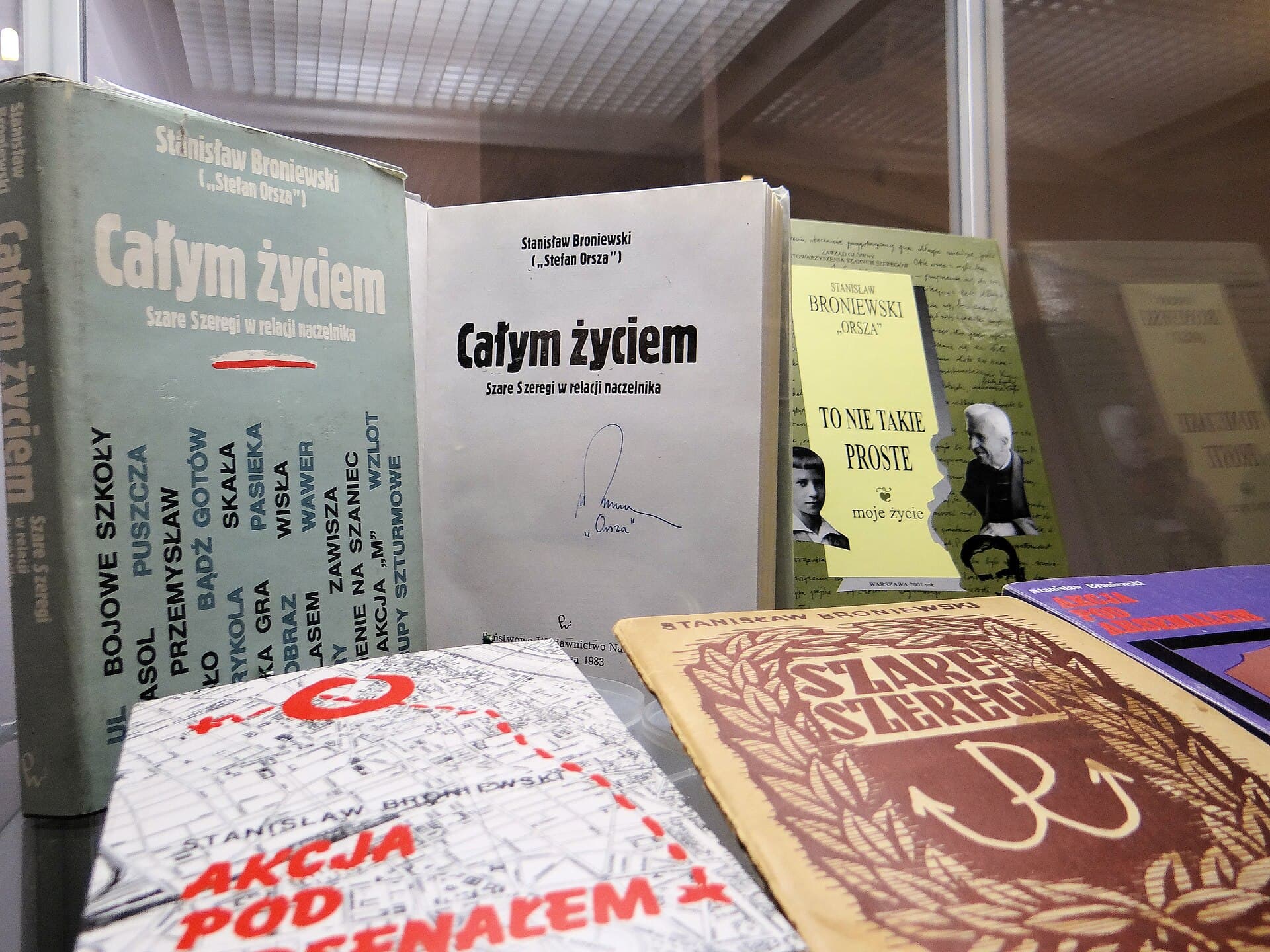 Scouting MuseumA small museum devoted to the history of the scouting movement in Poland, named 17 minutes walk4.6
Because it sits on the border with what were then Slovakia and Hungary, and its mountain routes were known only to local guides. Those routes were used to smuggle people, documents and money out of occupied Poland into Hungary, from where people continued to France and Britain to join the Polish army abroad. Many of the guides who led those crossings paid for it in this building.
That is your call. Zakopane is a mountain holiday destination and this museum is its opposite — a heavy hour in cellars. But it is short and honest, and it gives the town a depth you will not find on the cable cars and market stalls. If you decide to go, make it the start of the day rather than the end.