
The start gate
Where the jumper stands, Tatras opposite.
MZSL/Károly Ofner — CC BY-SA 3.0 · Unknown authorUnknown author — Public domain · Rj1979 — Public domain · Trututu — CC BY-SA 3.0
Wielka Krokiew is Poland's winter temple: the great jump (1925) on Krokiew's slope, named for an Olympic hero — and here the yearly World Cup night gathers forty thousand flag-bearing Poles each January: the nation's holiest sporting evening, ski jumping being Poland's winter religion since the legend of Adam Małysz. Outside race days a chairlift raises you beside the start gate: standing where the jumper stands, valley and Tatras opposite, explains the sport's madness instantly — and the jump works summers on plastic, training sessions watched free from the stands when they coincide. Ten minutes' walk south of Krupówki — the perfect hour between street and park valleys, its floodlit night the town's second emblem after Giewont.
Where the jumper stands, Tatras opposite.
The jump lit as the town's second emblem.
Bronisława Czecha, 34-500 Zakopane
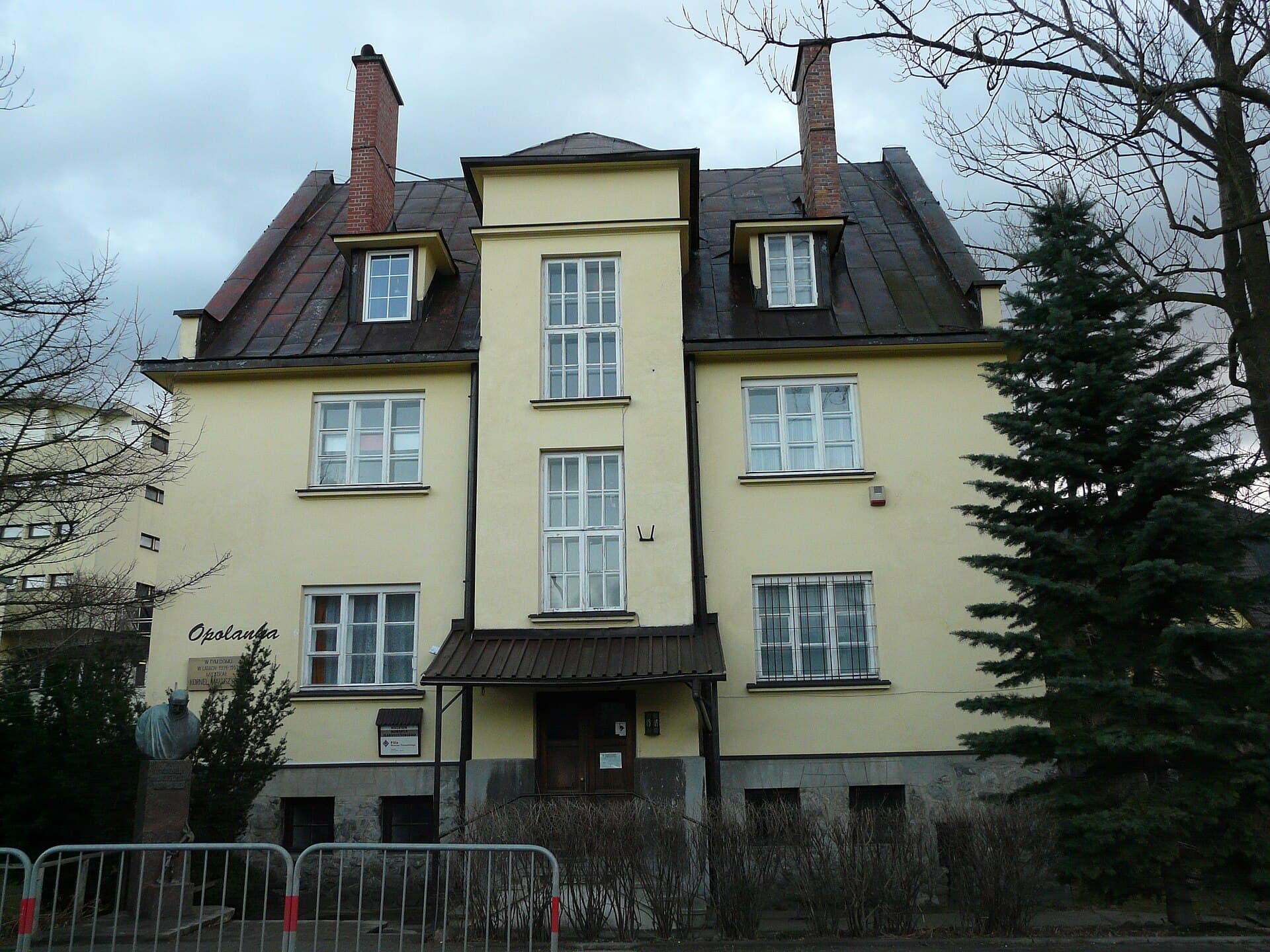 Kornel Makuszyński MuseumThe flat of the writer Kornel Makuszyński in Zakopane, kept as he left it and op11 minutes walk4.6
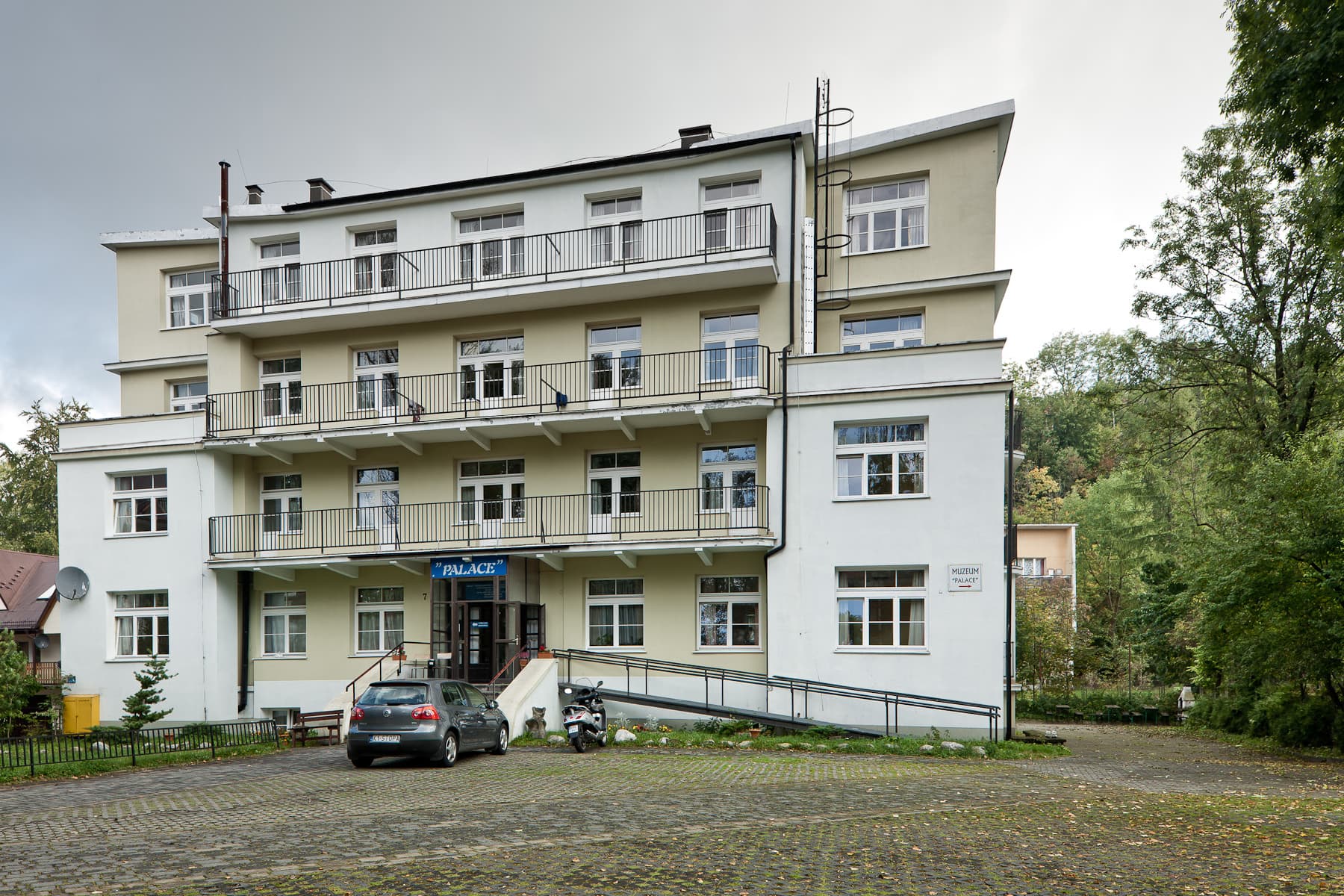 Palace Museum of Struggle and MartyrdomA residential villa in central Zakopane that served during the Second World War 14 minutes walk4.9
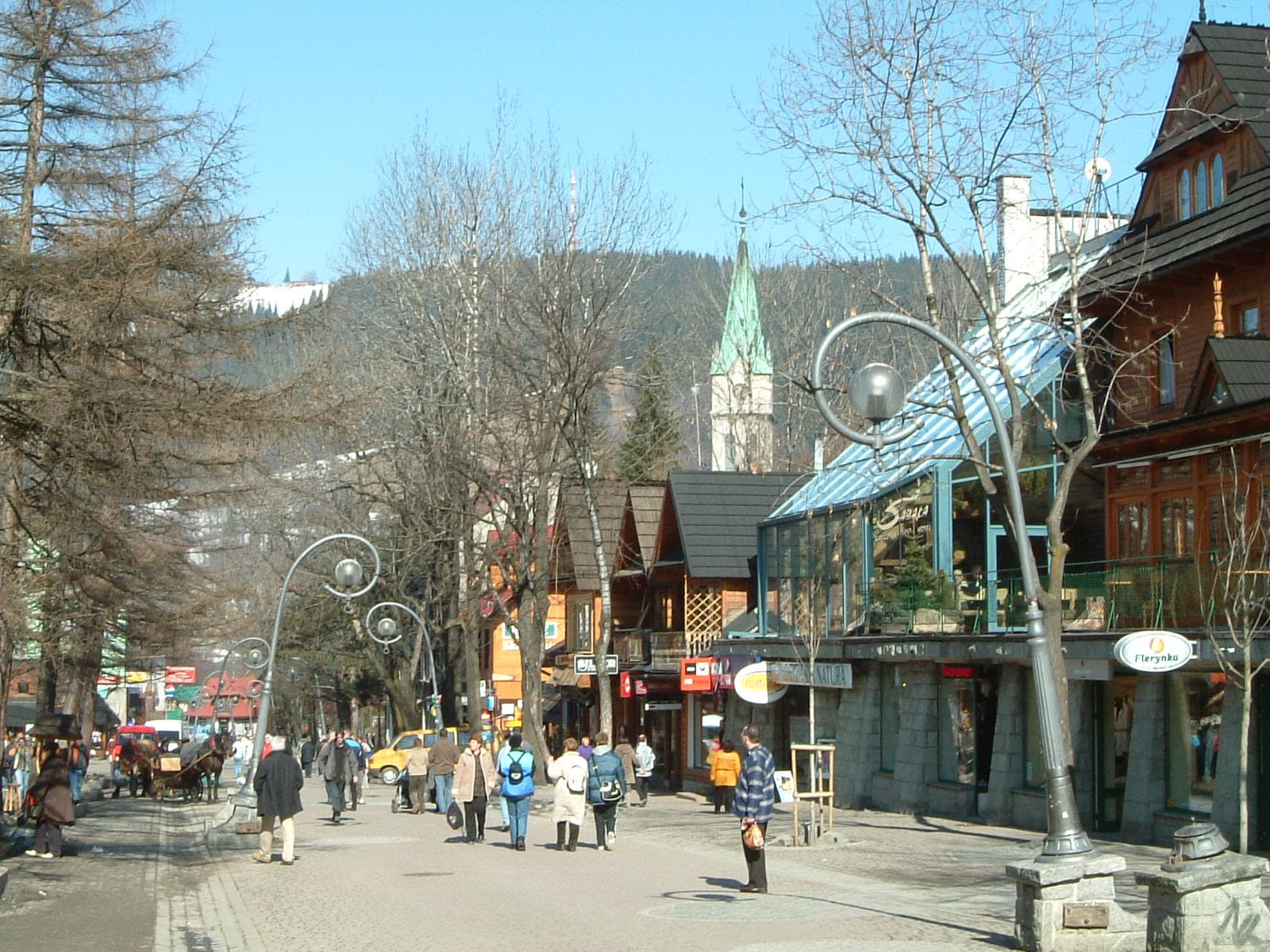 Krupówki StreetKrupówki is Zakopane's heart and artery: a kilometre of descending pedestrian st17 minutes walk4.3
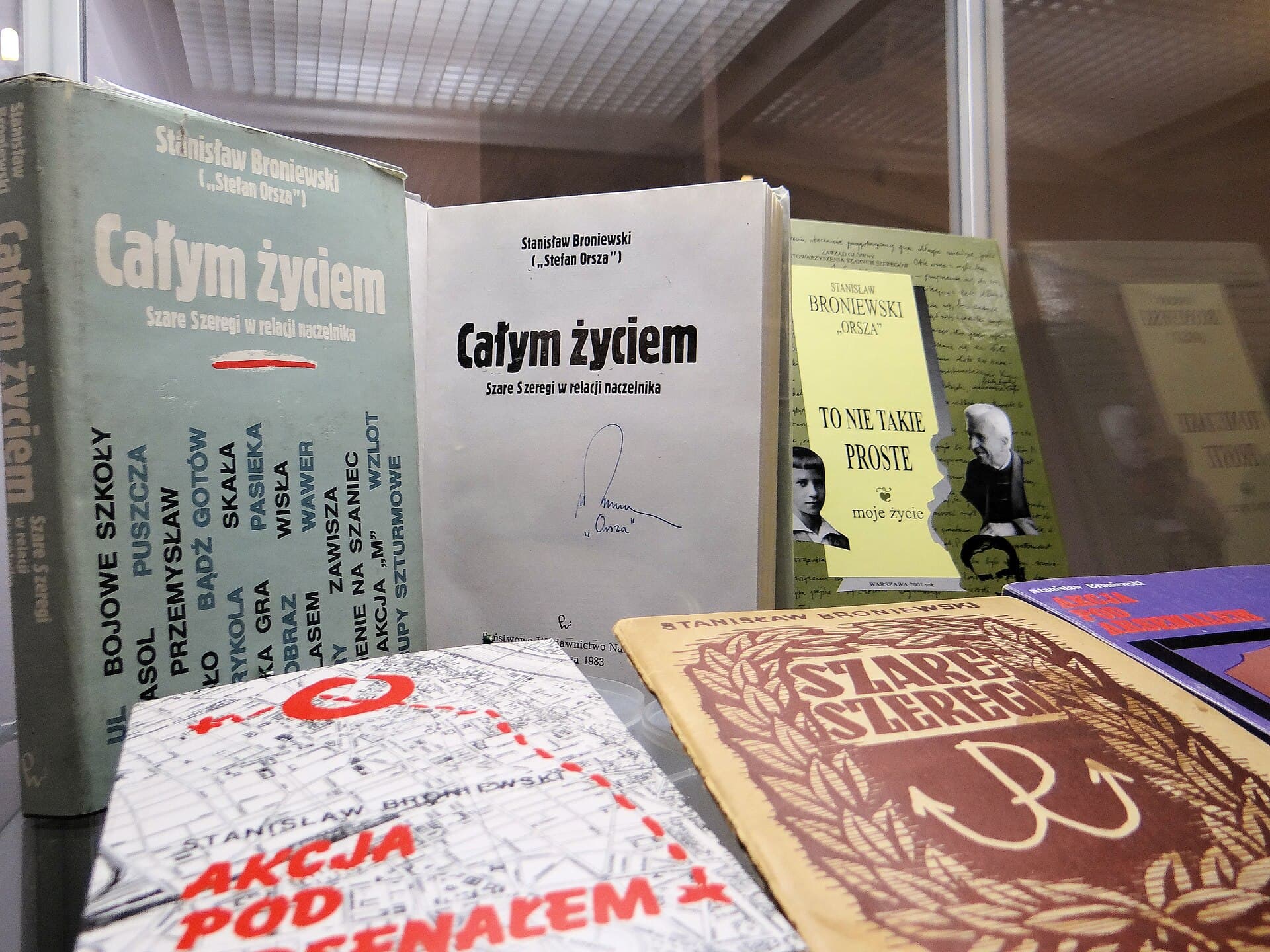 Scouting MuseumA small museum devoted to the history of the scouting movement in Poland, named 17 minutes walk4.6
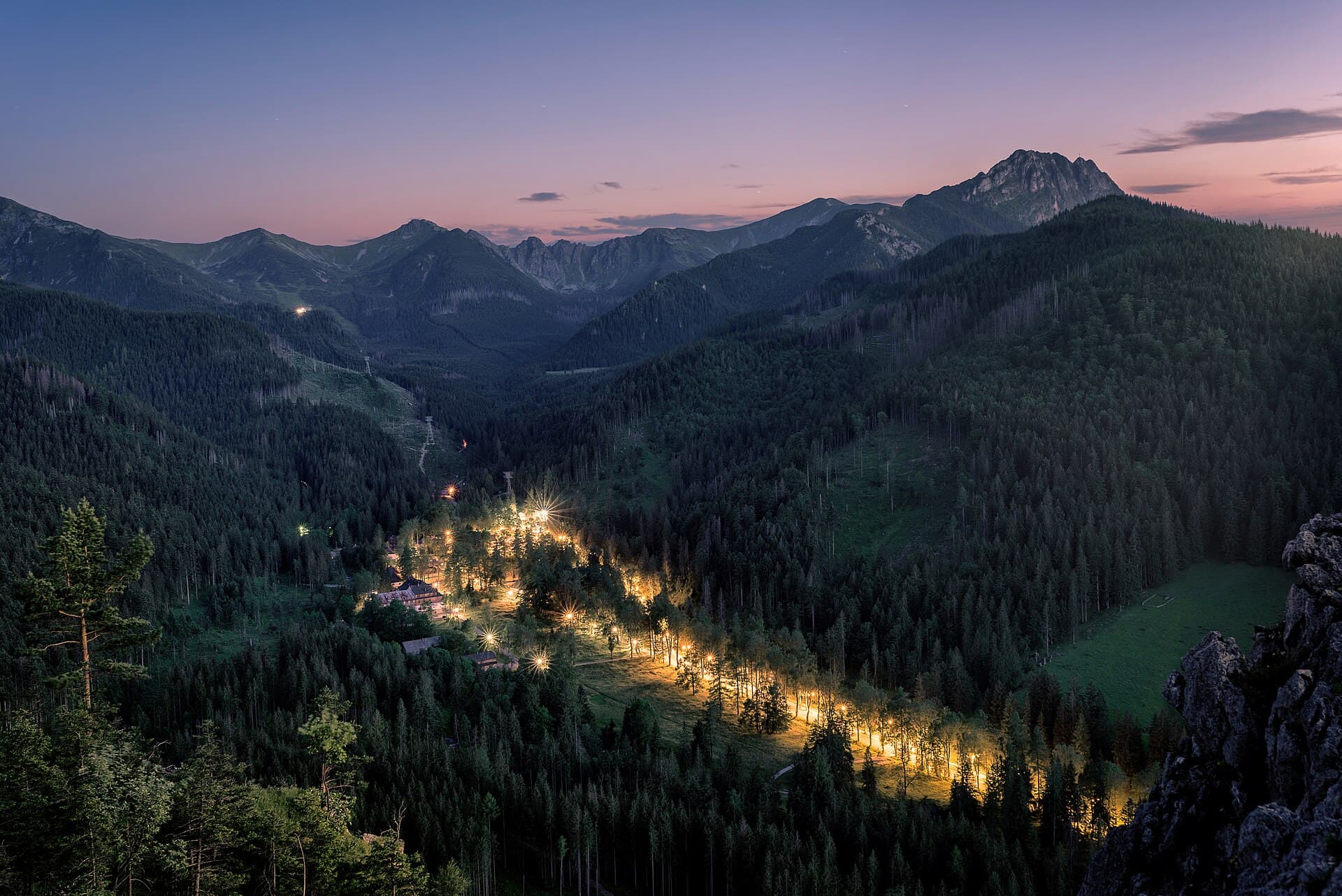 Nosal PeakA rocky summit of one thousand two hundred and six metres at the northern edge o21 minutes walk4.8
Adam Małysz — a modest Wisła craftsman become his generation's greatest jumper (2001-2011), converting an entire country into addicts: live broadcasts stopping the nation, Małysz-mania a studied social term. Stoch's Olympic golds followed — jumping now literally Poland's winter football.