
Scouting as resistance
Teenagers carried messages and weapons under occupation; many were killed.
Jolanta Dyr — CC BY-SA 3.0 · Jolanta Dyr — CC BY-SA 3.0 · Jolanta Dyr — CC BY-SA 3.0 · Jolanta Dyr — CC BY-SA 3.0
A small museum devoted to the history of the scouting movement in Poland, named after Olga and Andrzej Małkowski, who founded Polish scouting. Scouting in Poland is not the ordinary youth activity it is elsewhere, and that is what makes the museum more interesting than its name suggests. Under German occupation in the Second World War the scouting organisation became part of the underground resistance: teenagers carried messages and weapons and took part in operations, and many were killed in the Warsaw Rising. The displays are documents, uniforms, badges, photographs and personal effects, with sections on the war years and on the communist period when the state tried to take control of the movement. It should be clear that this is a very small local museum on an emphatically national subject. Labelling is primarily in Polish, and anyone without a background in Polish history will find the content closed to them. Half an hour is enough, and hours are limited and may be seasonal. Check before going.
Teenagers carried messages and weapons under occupation; many were killed.
Olga and Andrzej Małkowski, who founded Polish scouting.
A section on the state's attempt to take over the organisation after the war.
Zakopane, town centre
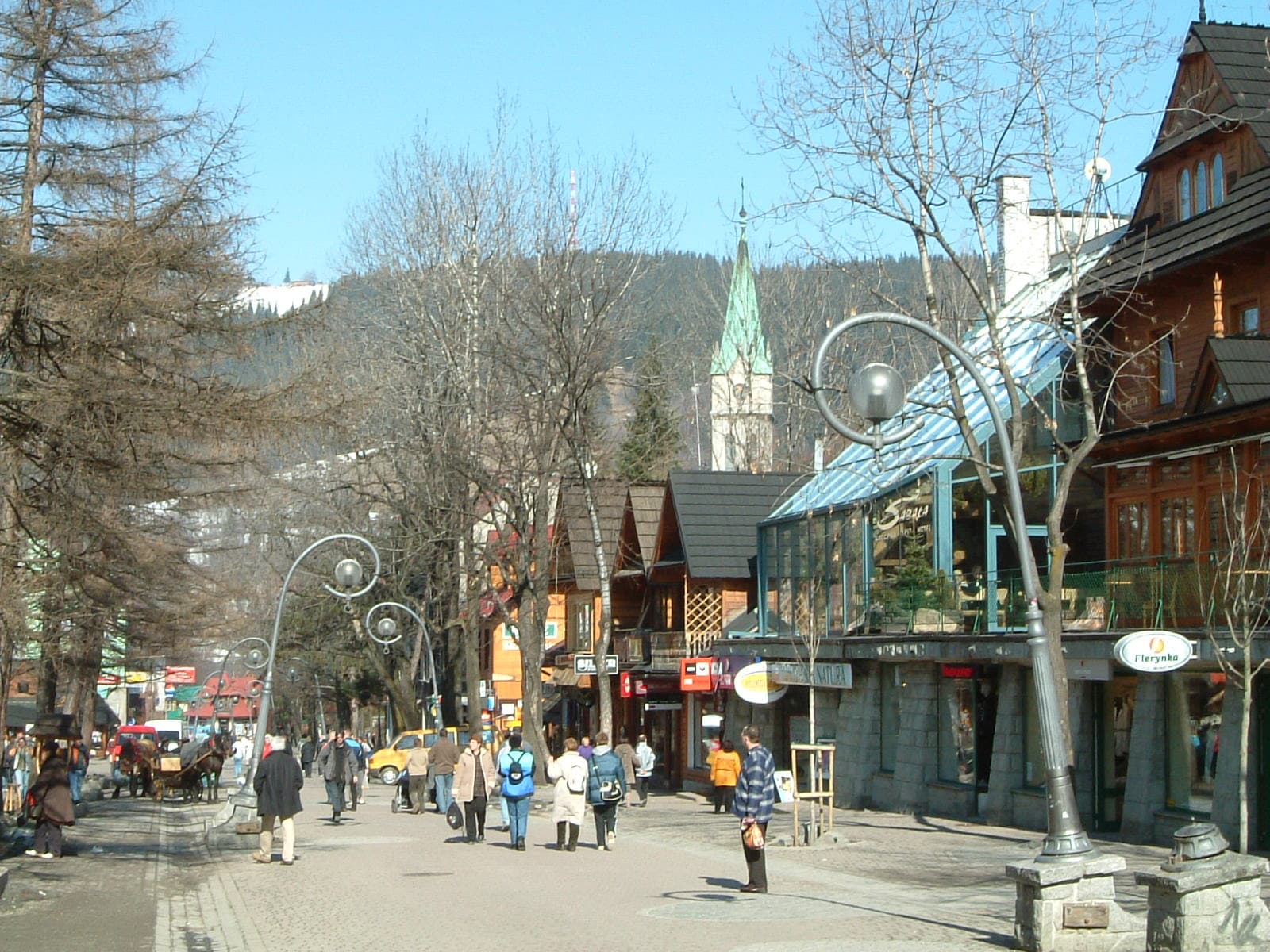 Krupówki StreetKrupówki is Zakopane's heart and artery: a kilometre of descending pedestrian st6 minutes walk4.3
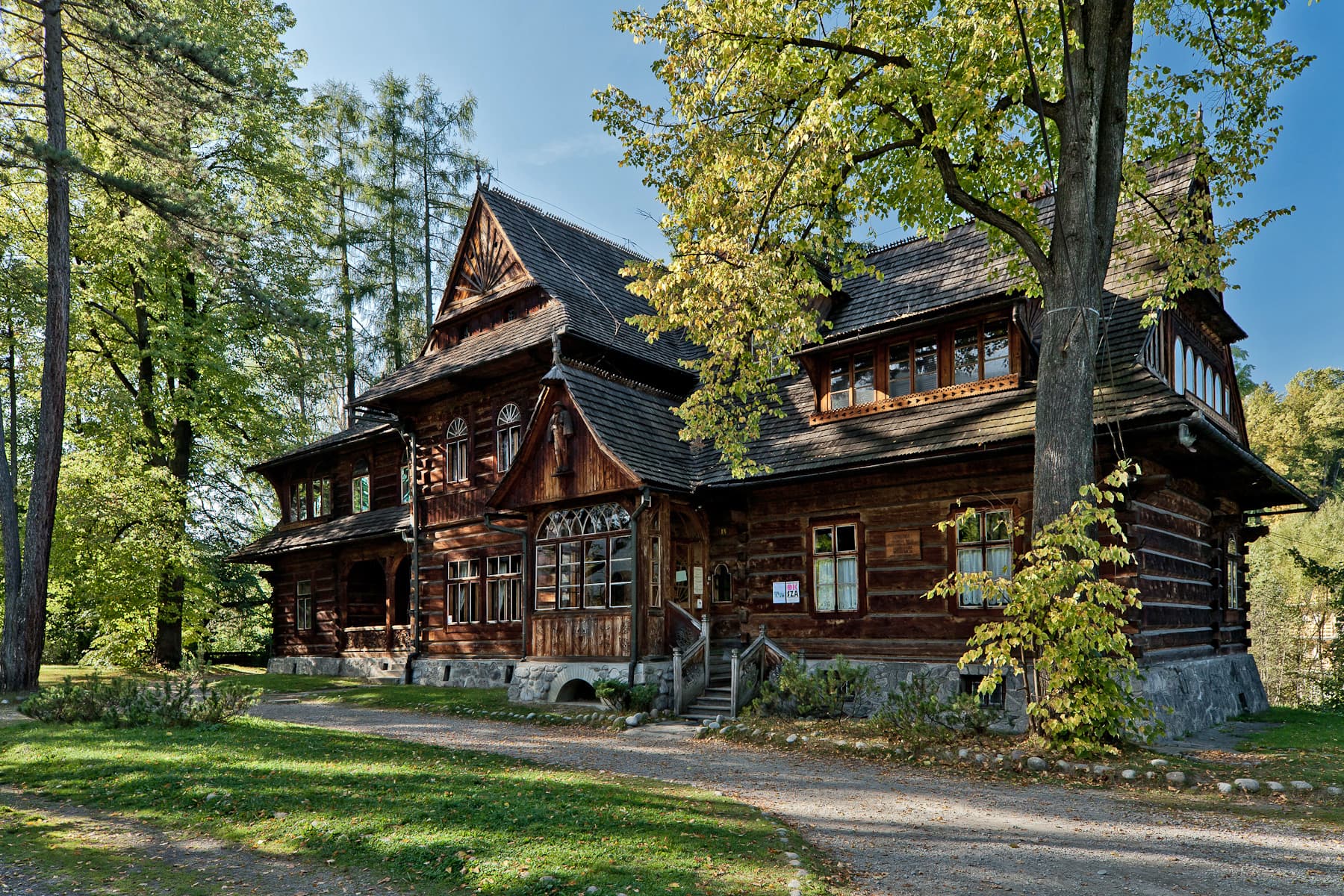 Villa KolibaThe first house built in the Zakopane Style, designed by Stanisław Witkiewicz in7 minutes walk4.7
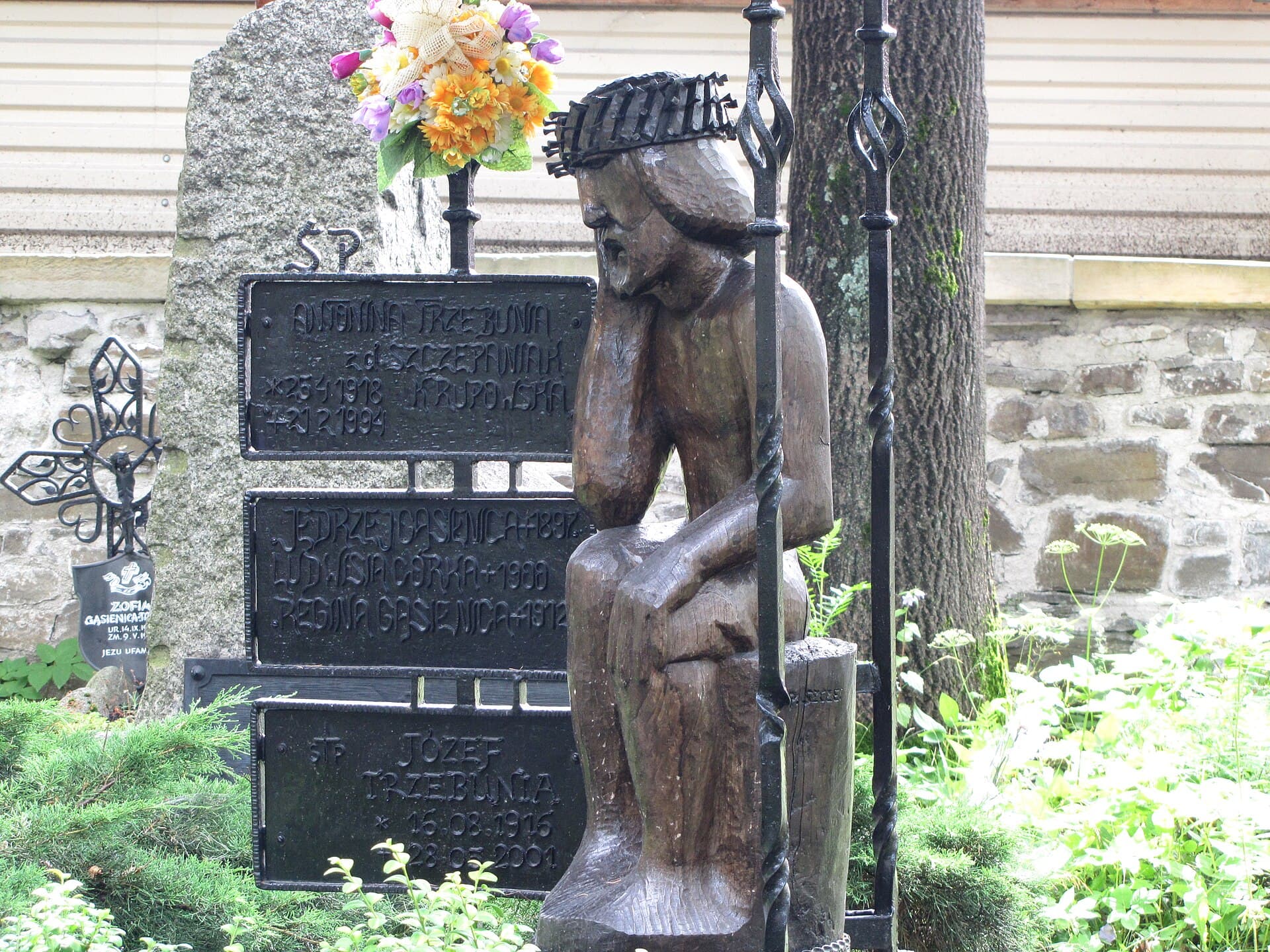 Pęksowy Brzyzek Cemetery of the MeritoriousThe oldest cemetery in Zakopane, established in the mid-nineteenth century, whic8 minutes walk4.1
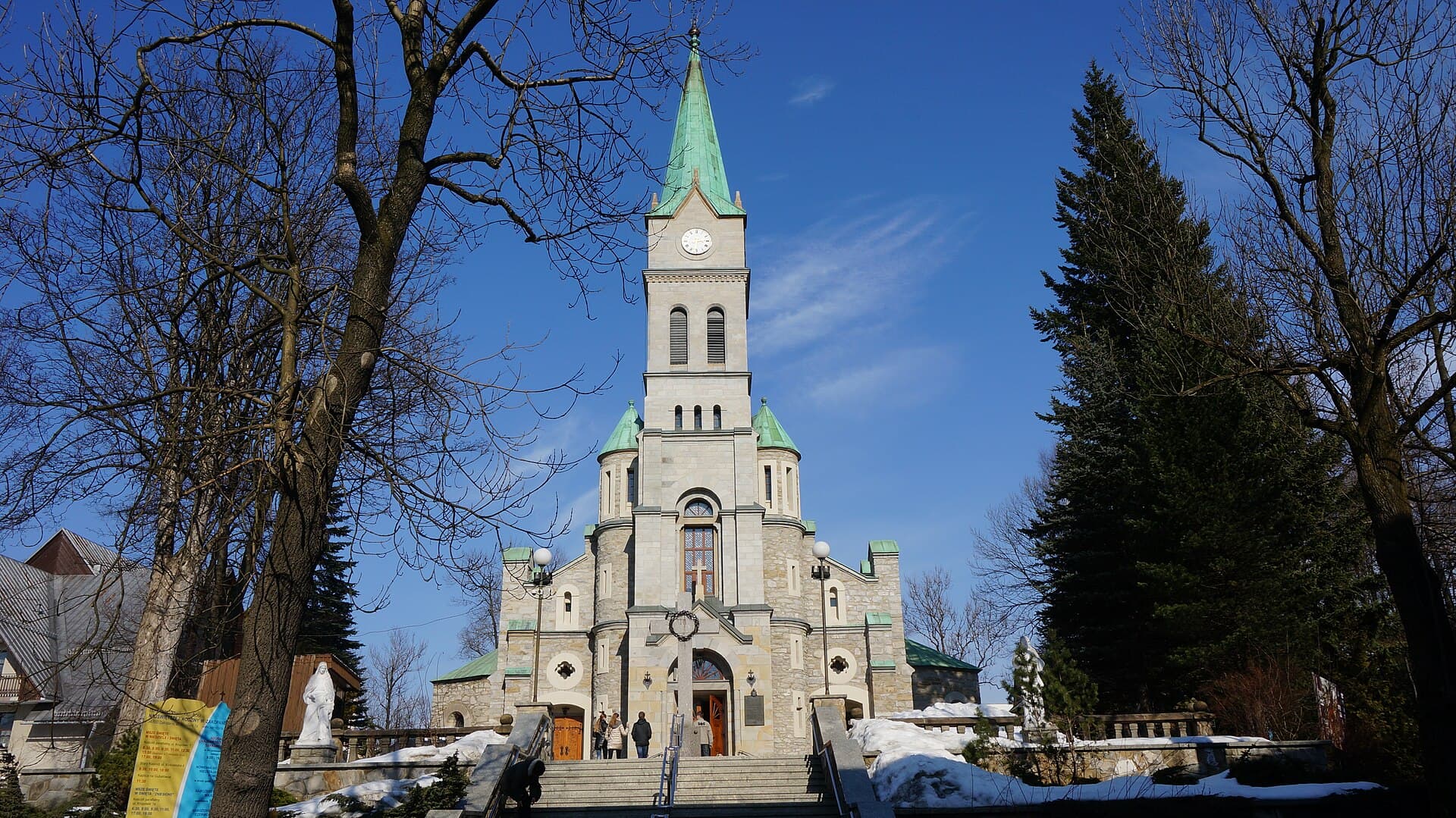 The Church of the Holy FamilyZakopane's main church, built of stone between 1877 and 1896 as the village turn8 minutes walk4.8
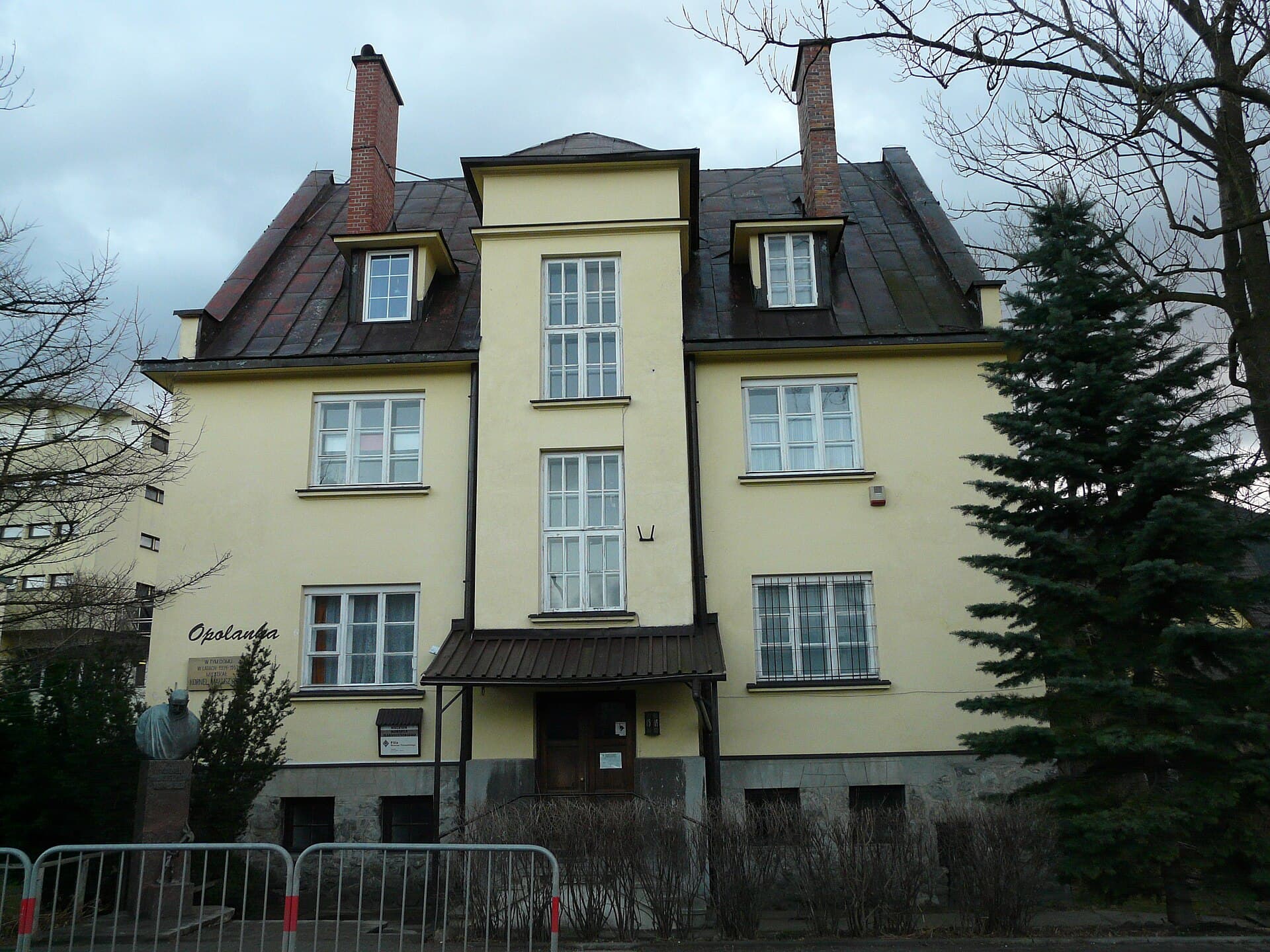 Kornel Makuszyński MuseumThe flat of the writer Kornel Makuszyński in Zakopane, kept as he left it and op9 minutes walk4.6
Only in a very limited way. Labelling is Polish and the subject assumes knowledge of Poland's wartime and post-war history. With one or two days in Zakopane, the mountains and the timber architecture have a far better claim. The story itself is compelling but it is read rather than visited.
The cable car to Kasprowy Wierch for the mountain view, the Gubałówka funicular, Morskie Oko lake if you have a day for walking, and Krupówki street in the evening. For the Zakopane Style architecture, see the Villa Koliba and the wooden church at Jaszczurówka.