
The ceramic facade
Thousands of pieces.
HalloweenHJB (photo)Carl Nyströmer (1856–1913) and Olaf Boye (1864–1933) (building) — CC BY-SA 3.0 · HalloweenHJB — CC BY 3.0 · HalloweenHJB at English Wikipedia — CC BY-SA 3.0 · HalloweenHJB at English Wikipedia — CC BY-SA 3.0 · Elsapucai — CC BY 3.0
The Water Company Palace is one of Buenos Aires' strangest and most beautiful buildings: a palatial facade clad in thousands of coloured ceramic pieces and materials imported from Europe, hiding a huge iron structure that holds giant water tanks. It was built in the late nineteenth century, after cholera and yellow fever epidemics ravaged the city, as a great reservoir distributing drinking water to its neighbourhoods, and has been a National Historic Monument since 1989. Inside, the Museum of Water and Sanitary History tells the story of bringing water and sewers to the city, with a quirky collection of old bathroom fittings, and part of the iron framework and tanks can be seen. The facade alone rewards a close look, with its coloured ceramic detail, corners and sloping roofs. The museum opens Monday to Friday, with free walk-in guided tours in Spanish at set times. Entry is free on Wednesdays.
Thousands of pieces.
Inside the palace.
Sanitary history.
Avenida Córdoba 1950, Balvanera; museum entrance at Riobamba 750
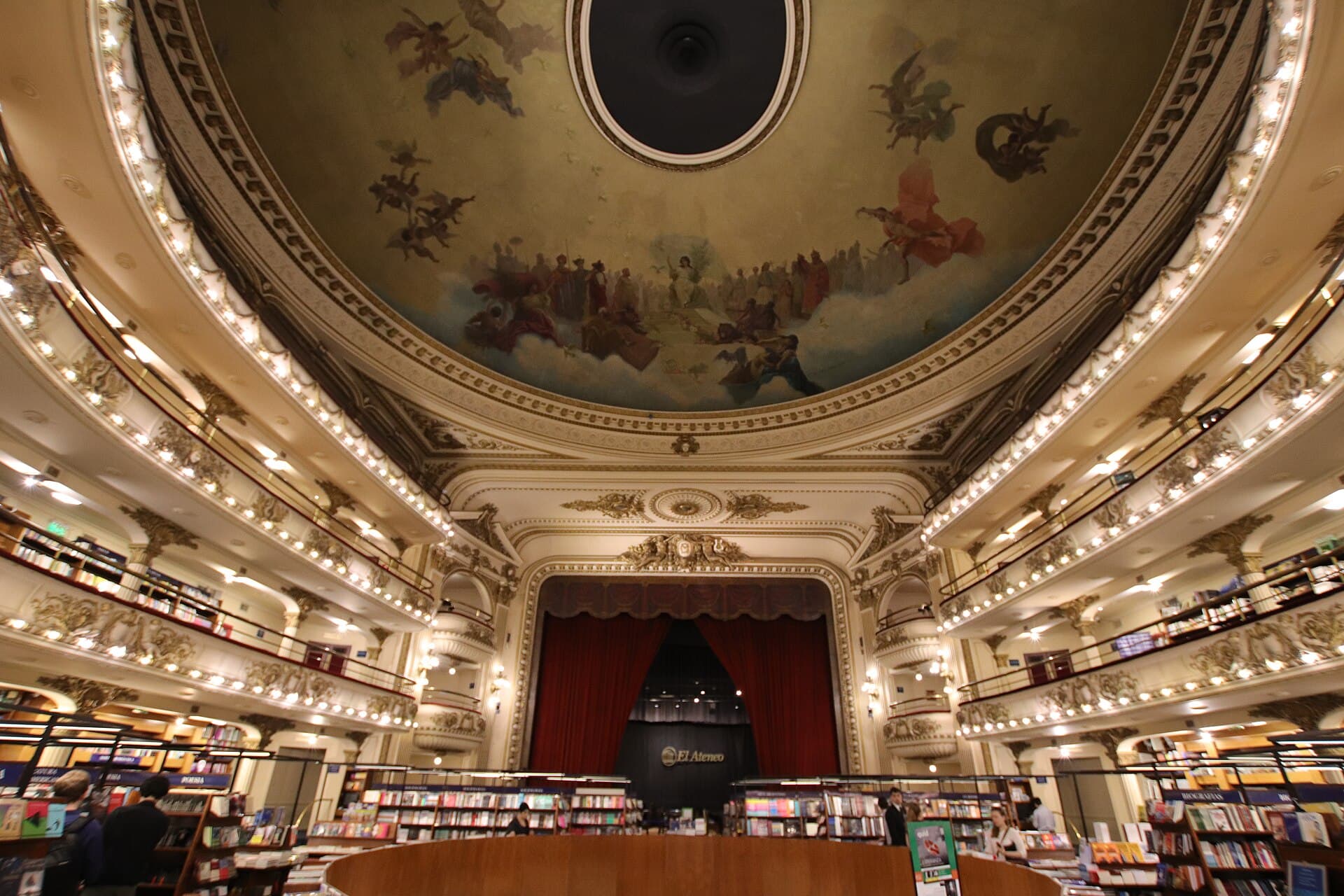 El Ateneo Grand SplendidEl Ateneo Grand Splendid is a bookshop inside an old theatre, named the world's 6 minutes walk4.7
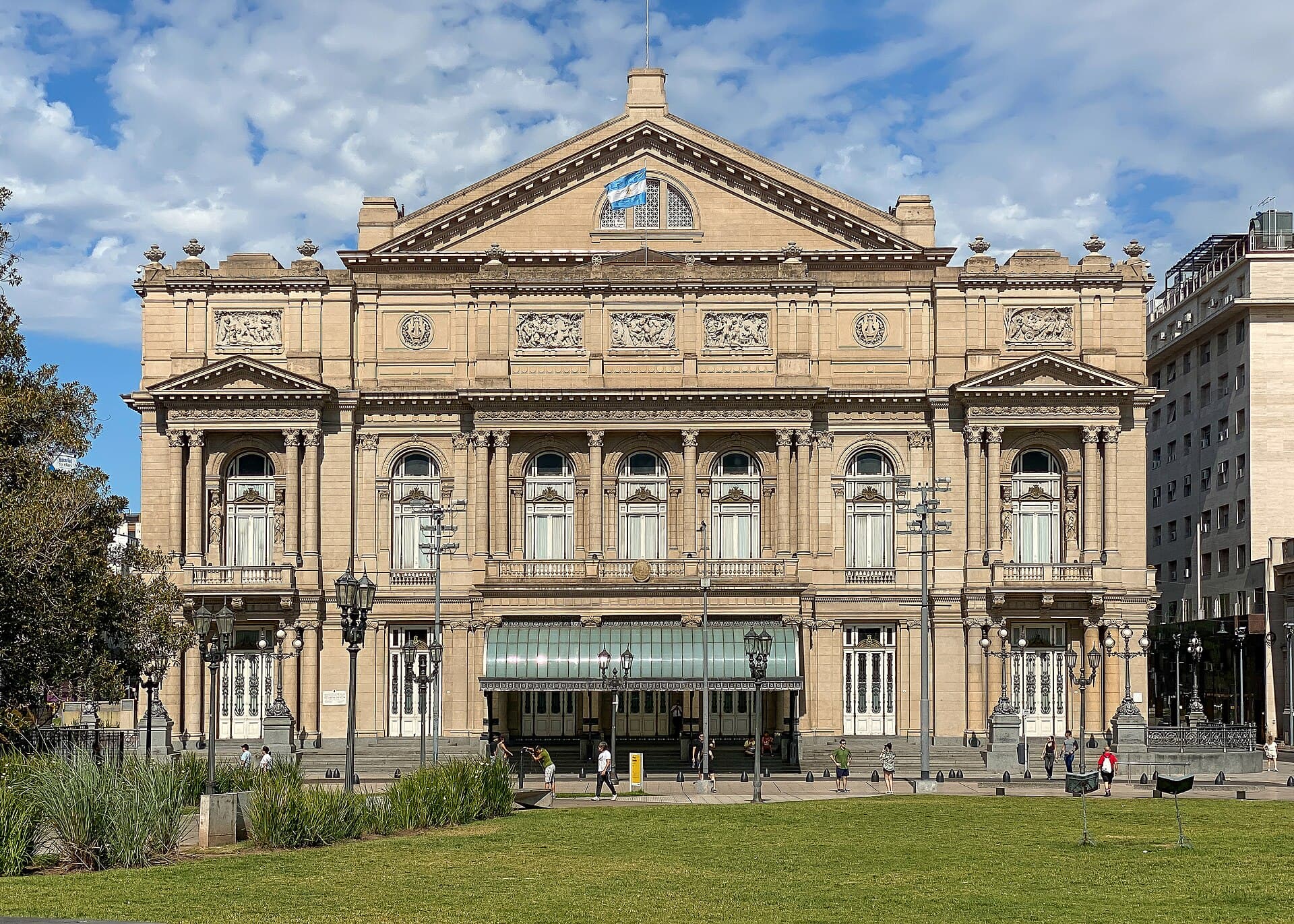 Teatro ColónThe Teatro Colón is Buenos Aires's great opera house and one of the finest-sound13 minutes walk4.7
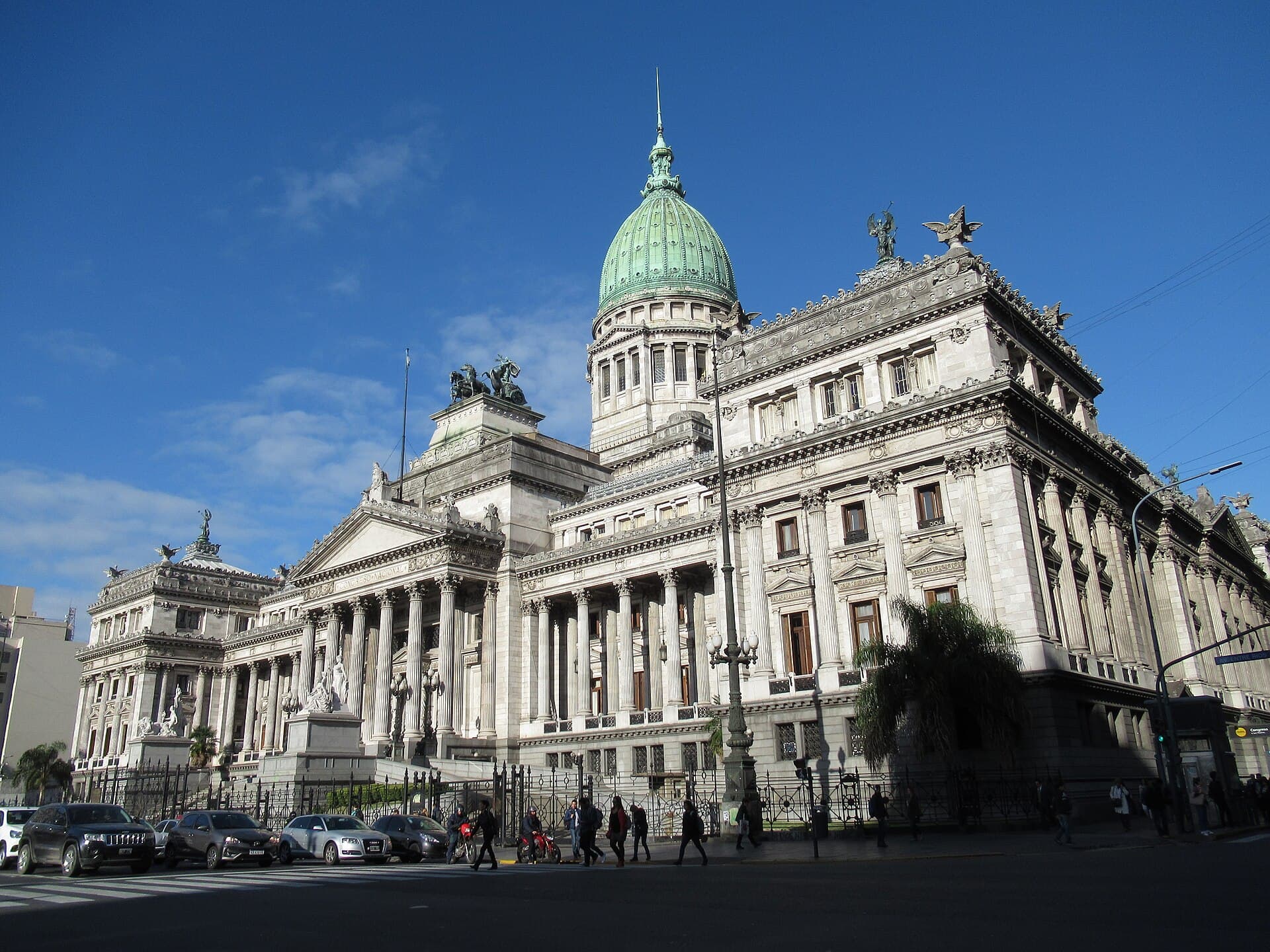 Palace of the National CongressThe Palace of the Congress is the seat of both chambers of Argentina's parliamen14 minutes walk4.5
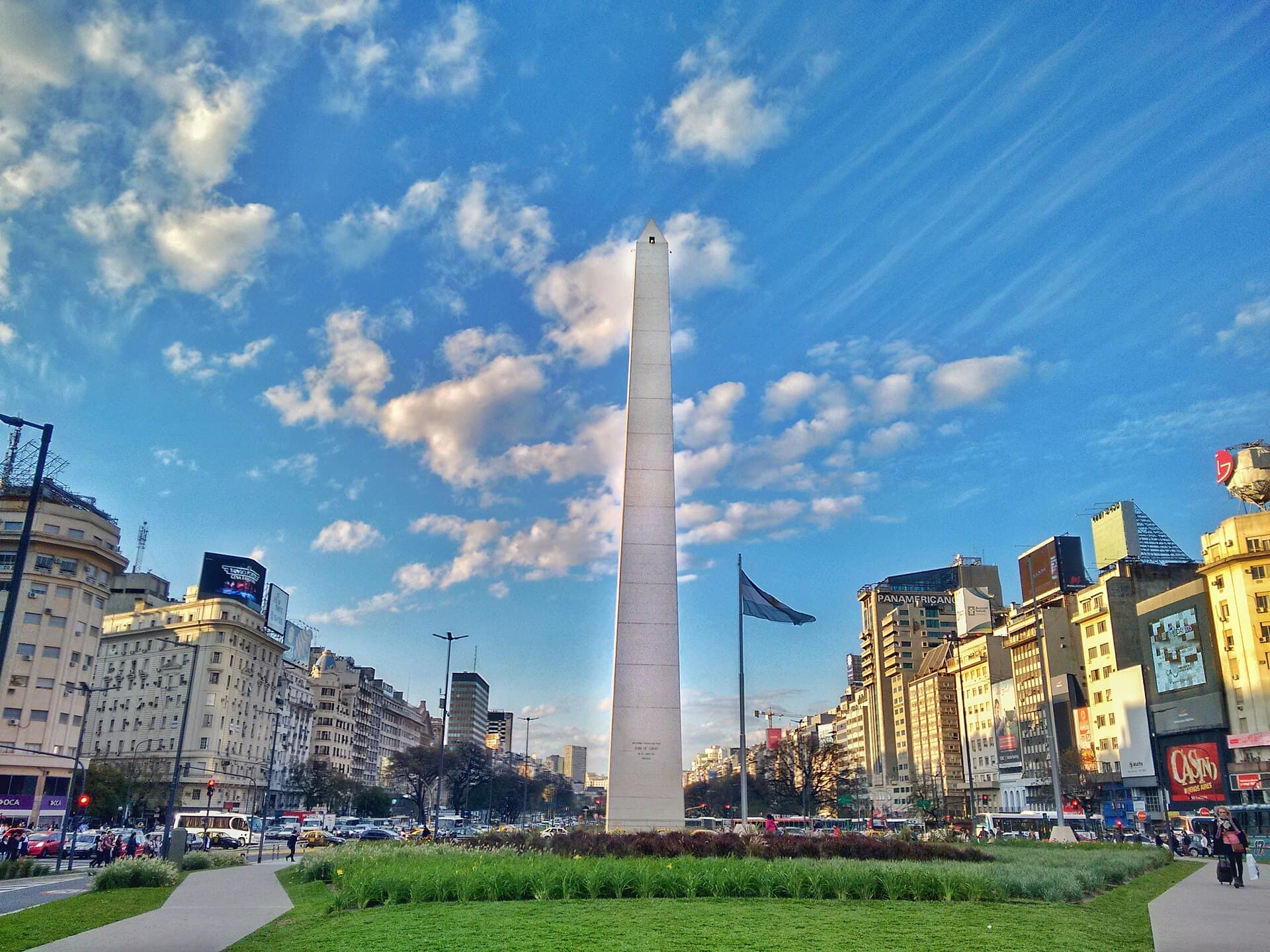 Obelisco de Buenos AiresThe Obelisco is the symbol of Buenos Aires, a white obelisk 67.5 metres high whe16 minutes walk4.5
 Palacio BaroloPalacio Barolo is an office building on Avenida de Mayo that was, on completion 16 minutes walk4.7
Yes. Its museum opens Monday to Friday with free Spanish tours; entry is free on Wednesdays.