
The neoclassical facade
Columns and statues.
A S — CC BY 2.0 · Dennis G. Jarvis — CC BY-SA 2.0 · Defensoría del Pueblo de la Ciudad de Buenos Aires — CC BY-SA 4.0 · HaSt — CC BY-SA 4.0 · Defensoría del Pueblo de la Ciudad de Buenos Aires — CC BY-SA 4.0 · Pepe Robles — Public domain
The Palace of Justice, popularly known as Tribunales, is the seat of Argentina's Supreme Court and other courts, facing Plaza Lavalle in the heart of Buenos Aires, close to the Teatro Colón. The French architect Norbert Maillart designed it in 1889, but the financial crisis of 1890 stalled the project for almost twenty years. Building began in 1905, part of it opened in 1910 and the Supreme Court moved in in 1912, but work stopped and restarted several times, and the building was only completed in the early 1940s. Its huge neoclassical facade, with columns and statues above a broad flight of steps, is one of the best known in the city. The facade is free to view from the square, and the city runs guided tours in Spanish with the court on Fridays at 2:30 pm, best booked ahead.
Columns and statues.
A grand entrance.
Near the Colón.
Talcahuano 550, facing Plaza Lavalle
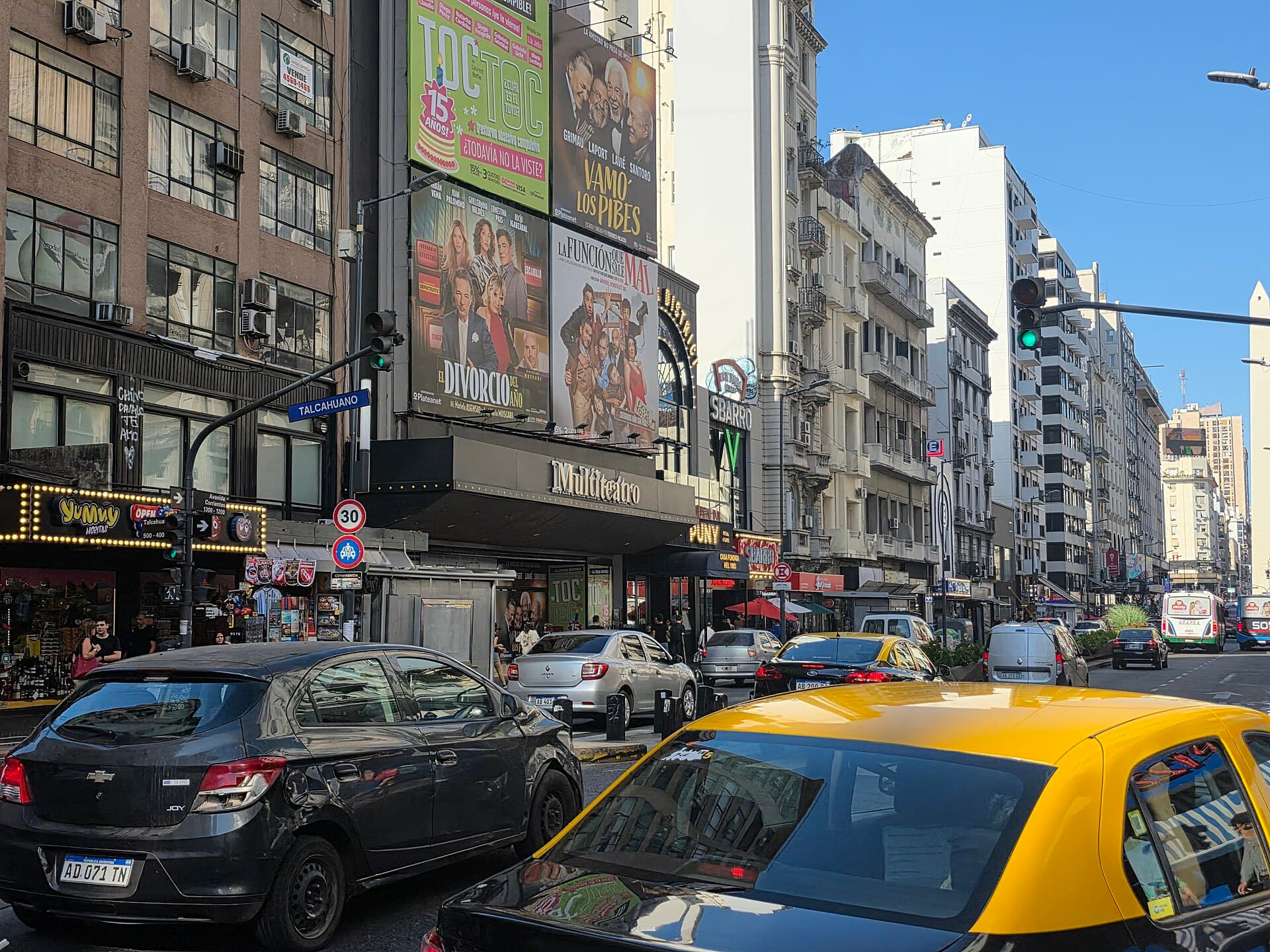 Avenida CorrientesAvenida Corrientes is Buenos Aires's great avenue of theatres and the heart of i3 minutes walk
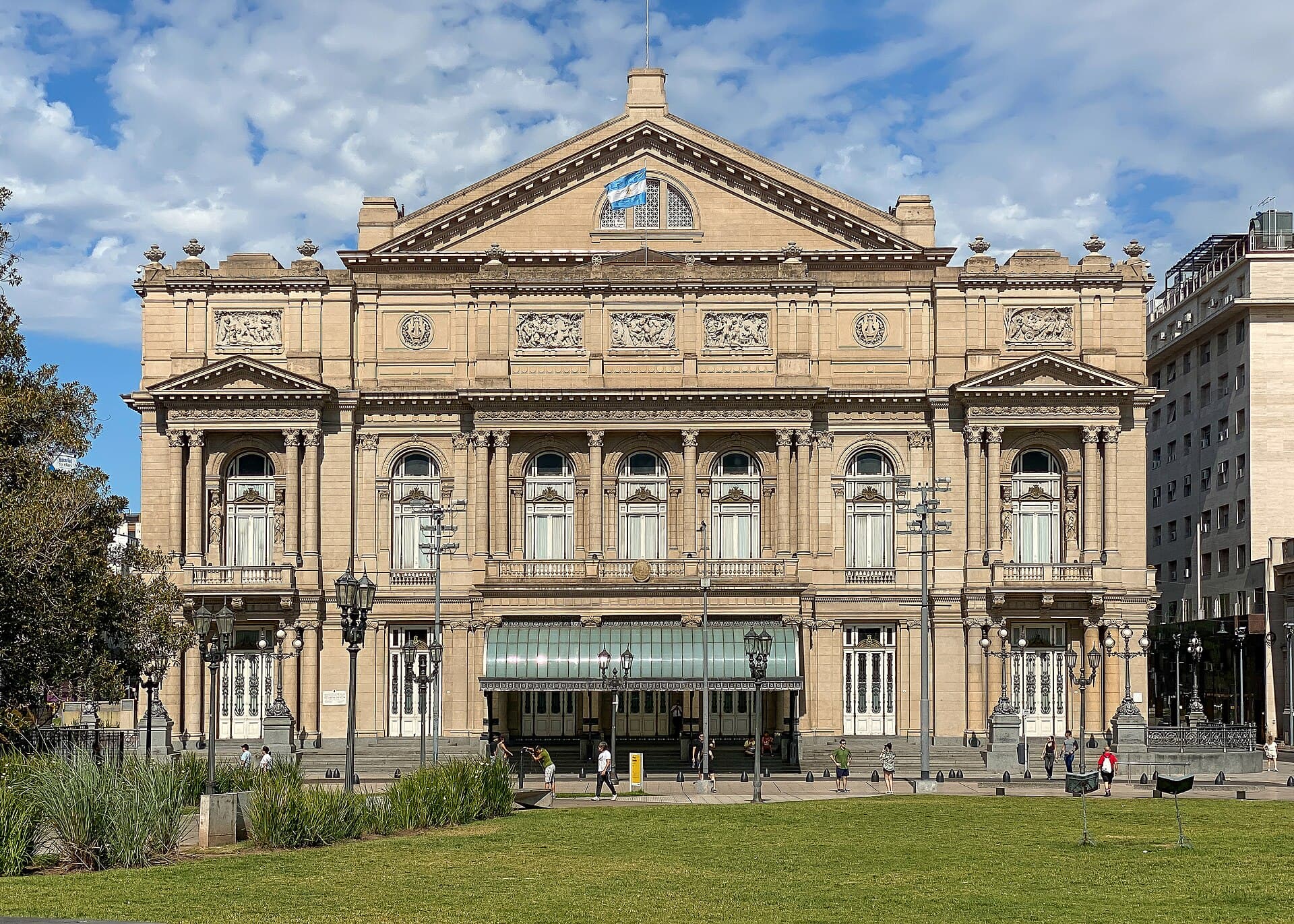 Teatro ColónThe Teatro Colón is Buenos Aires's great opera house and one of the finest-sound3 minutes walk4.7
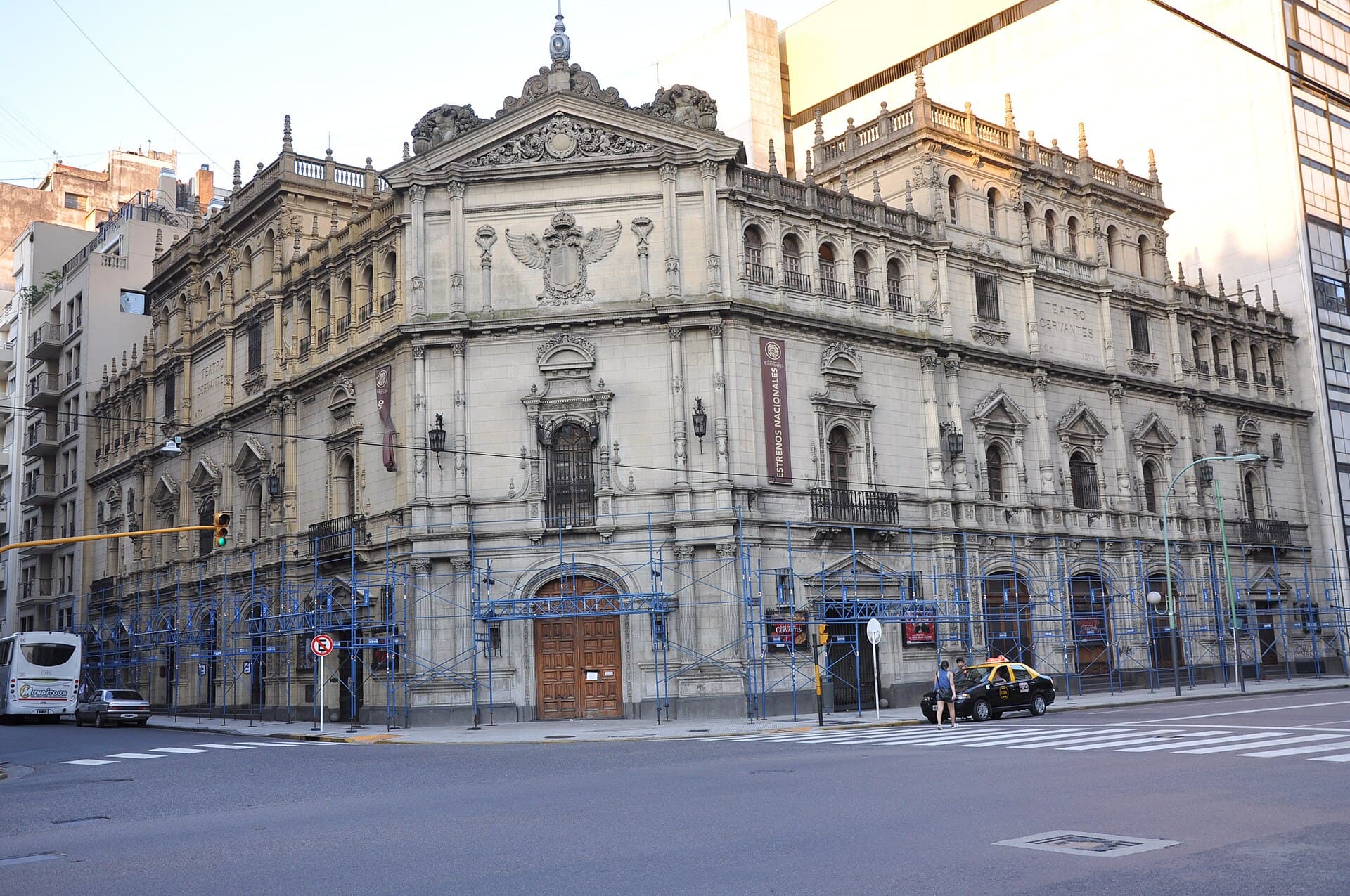 Teatro Nacional Cervantes (Cervantes Theatre)The Cervantes is Argentina's only national theatre, founded by the celebrated Sp5 minutes walk
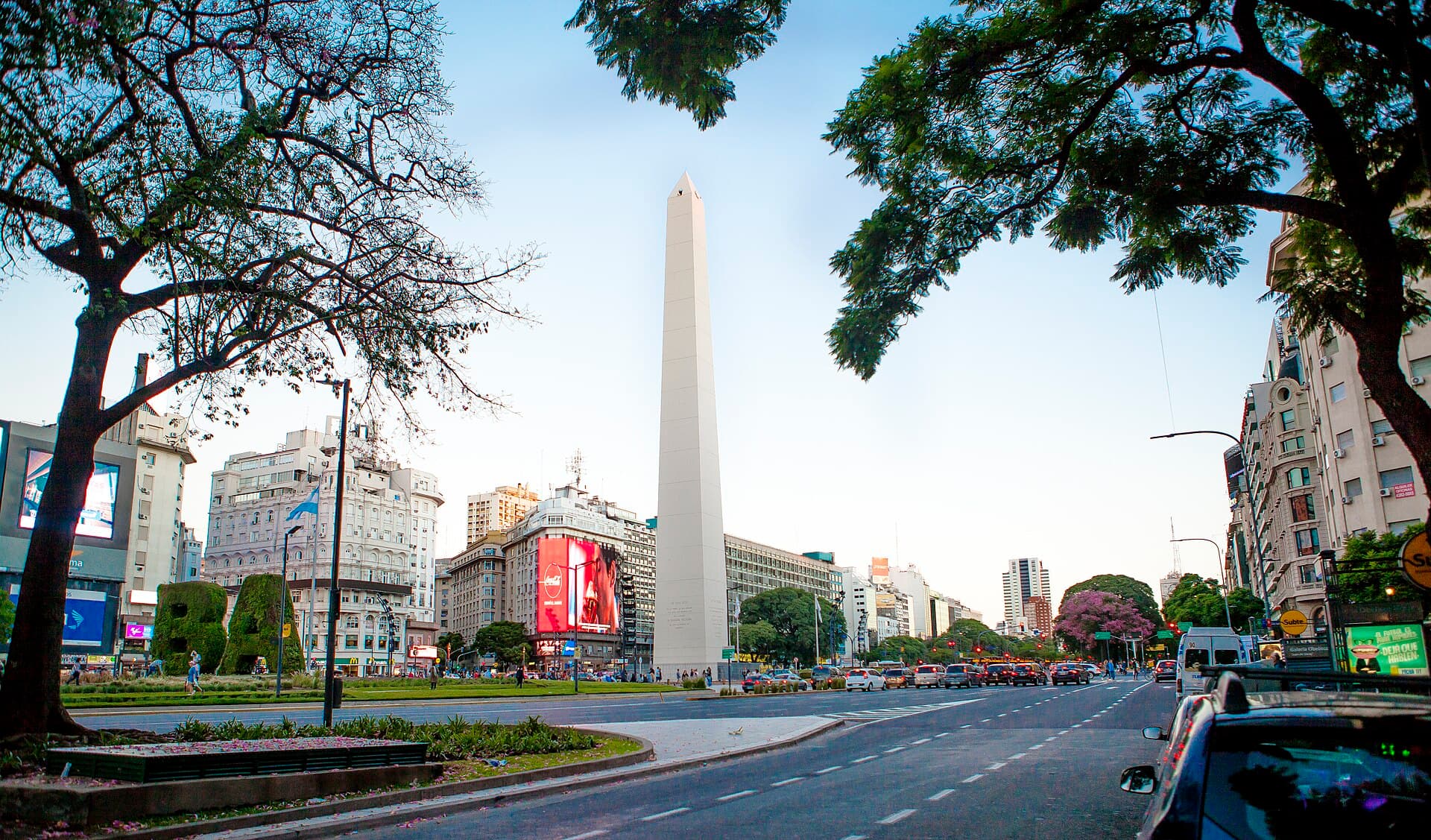
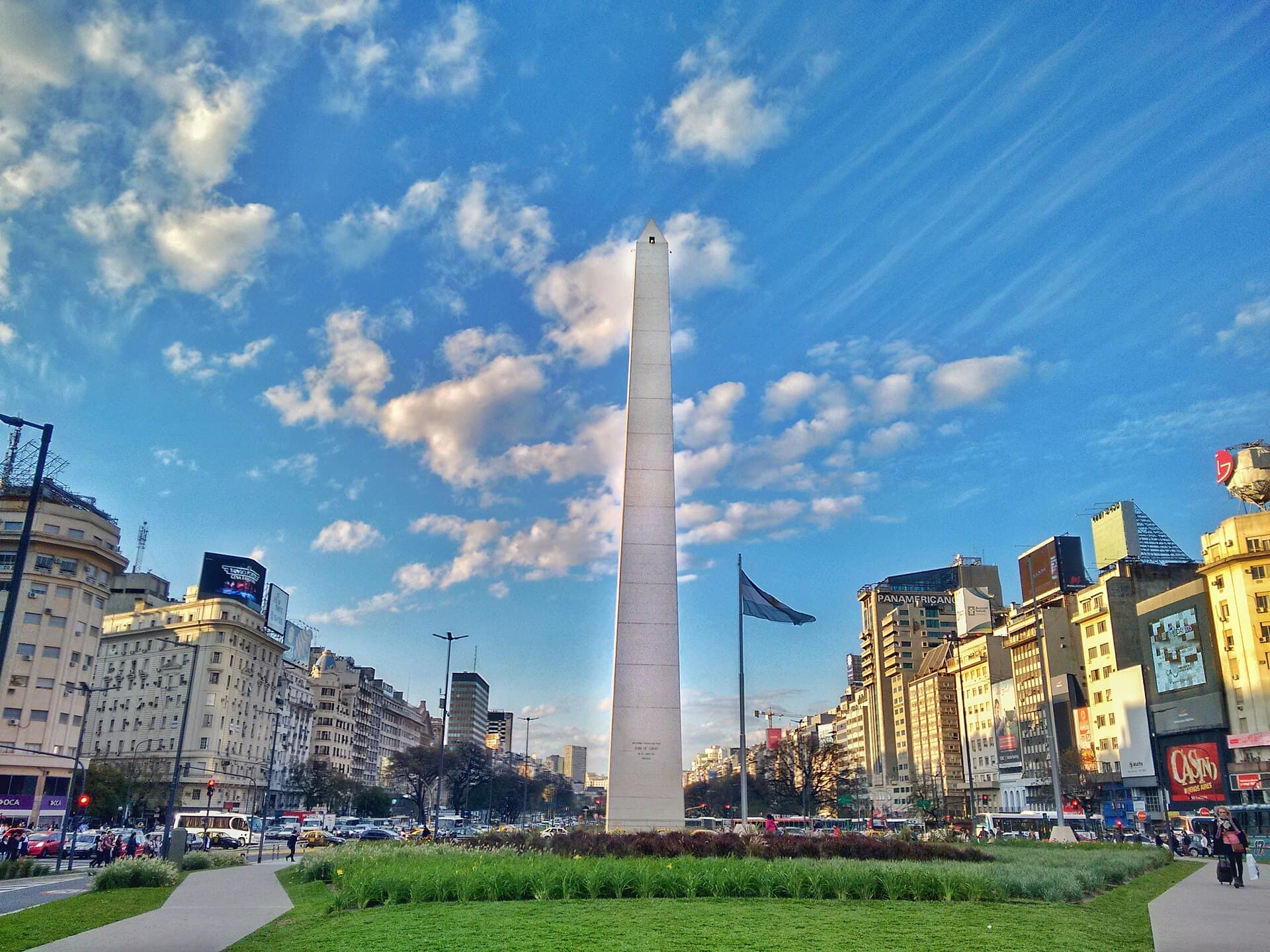 Obelisco de Buenos AiresThe Obelisco is the symbol of Buenos Aires, a white obelisk 67.5 metres high whe5 minutes walk4.5
 Avenida 9 de JulioAvenida 9 de Julio is Buenos Aires's broadest avenue and is often called one of 9 minutes walk
Yes, on guided tours in Spanish on Fridays at 2:30 pm; booking ahead is advised.