
The imperial square
German-style Place de la République with its palace.
Chabe01 — CC BY-SA 4.0 · Flocci Nivis — CC BY-SA 4.0 · Jonathan Martz — CC BY-SA 3.0 · Dan Lundberg — CC BY-SA 2.0
The Palais du Rhin is Strasbourg's frank German face: a massive imperial palace (1888) built by Kaiser Wilhelm I when Germany annexed Alsace, as the emperor's seat in the city — a heavy dome and imposing stone centring the German-style Place de la République, an architectural declaration of new power. It is the heart of the Neustadt — the German imperial quarter UNESCO listed with the old town: a rare complete example of imperial German city planning, with its squares and official buildings. The palace itself is administrative, not usually visited inside, but the square and its architecture are the visit — a stark contrast with the French Gothic of the old town across the river. It explains Strasbourg better than any monument: a city traded between France and Germany again and again, carrying both faces in its stone.
German-style Place de la République with its palace.
A rare complete imperial German city plan.
2 place de la République, 67000 Strasbourg
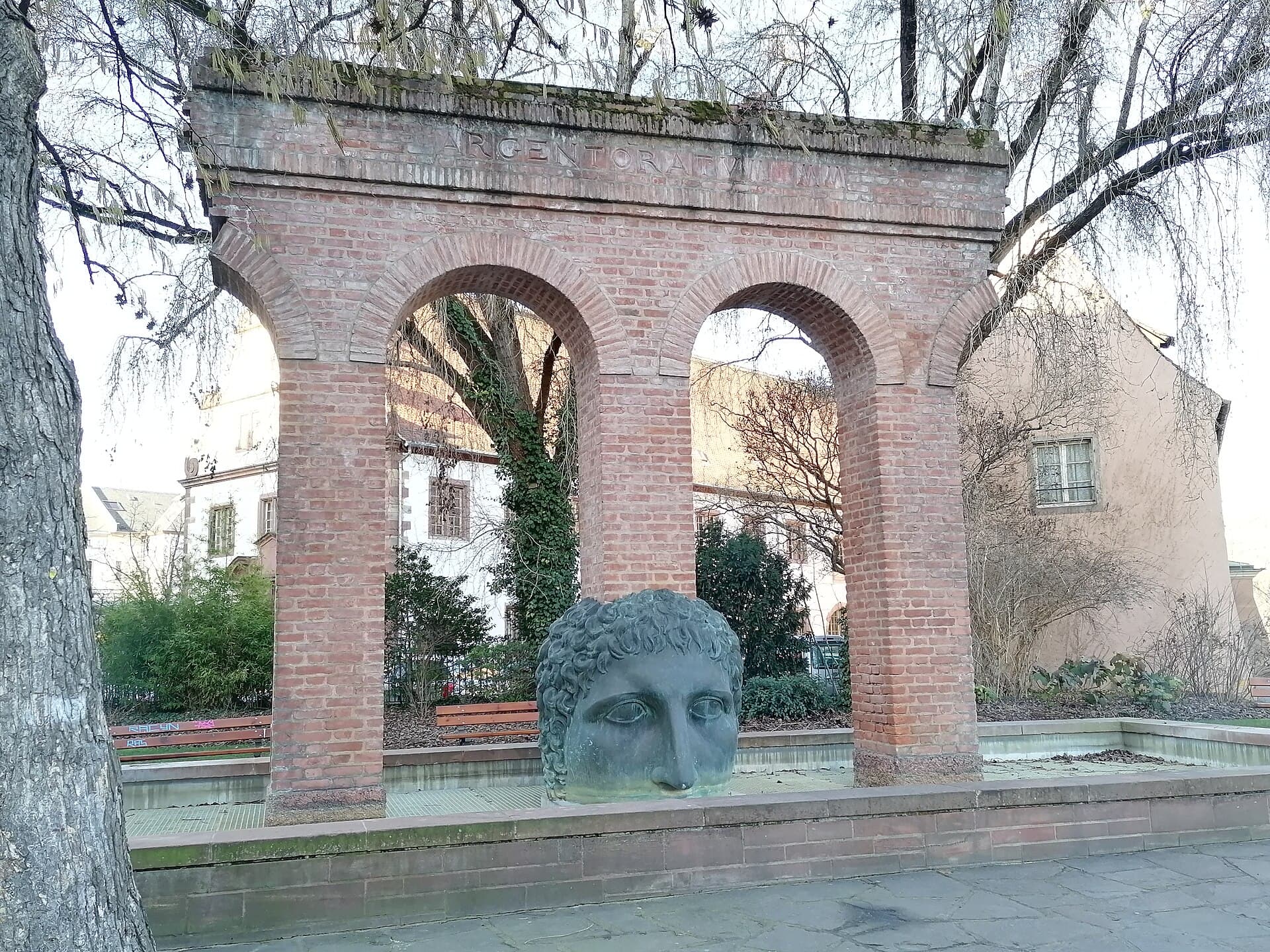 Janus FountainA contemporary fountain of 1988 designed by the artist Jean Tinguely to mark two2 minutes walk4.7
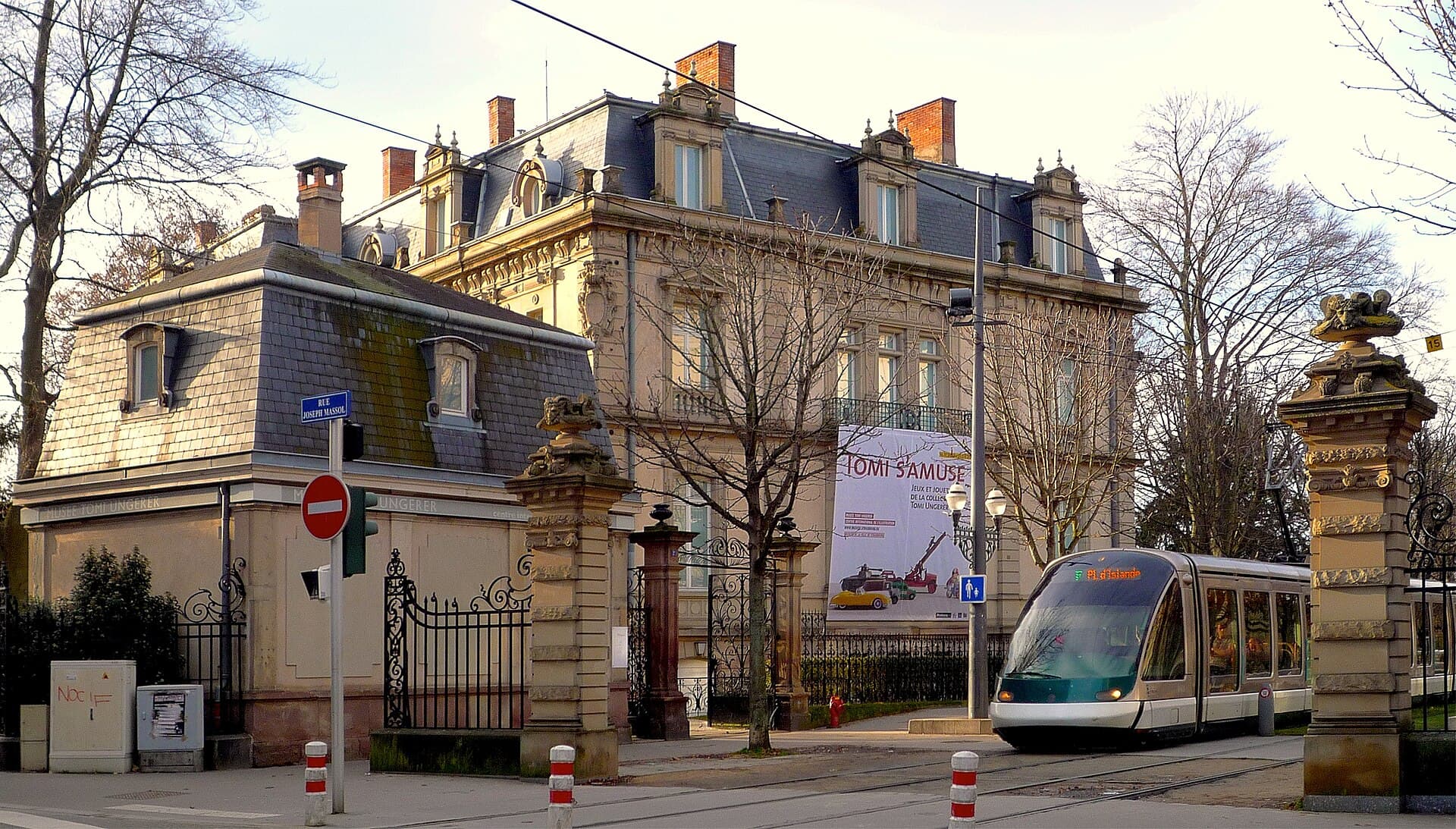 Tomi Ungerer MuseumA museum in a nineteenth-century villa devoted to the illustrator Tomi Ungerer (4 minutes walk4.2
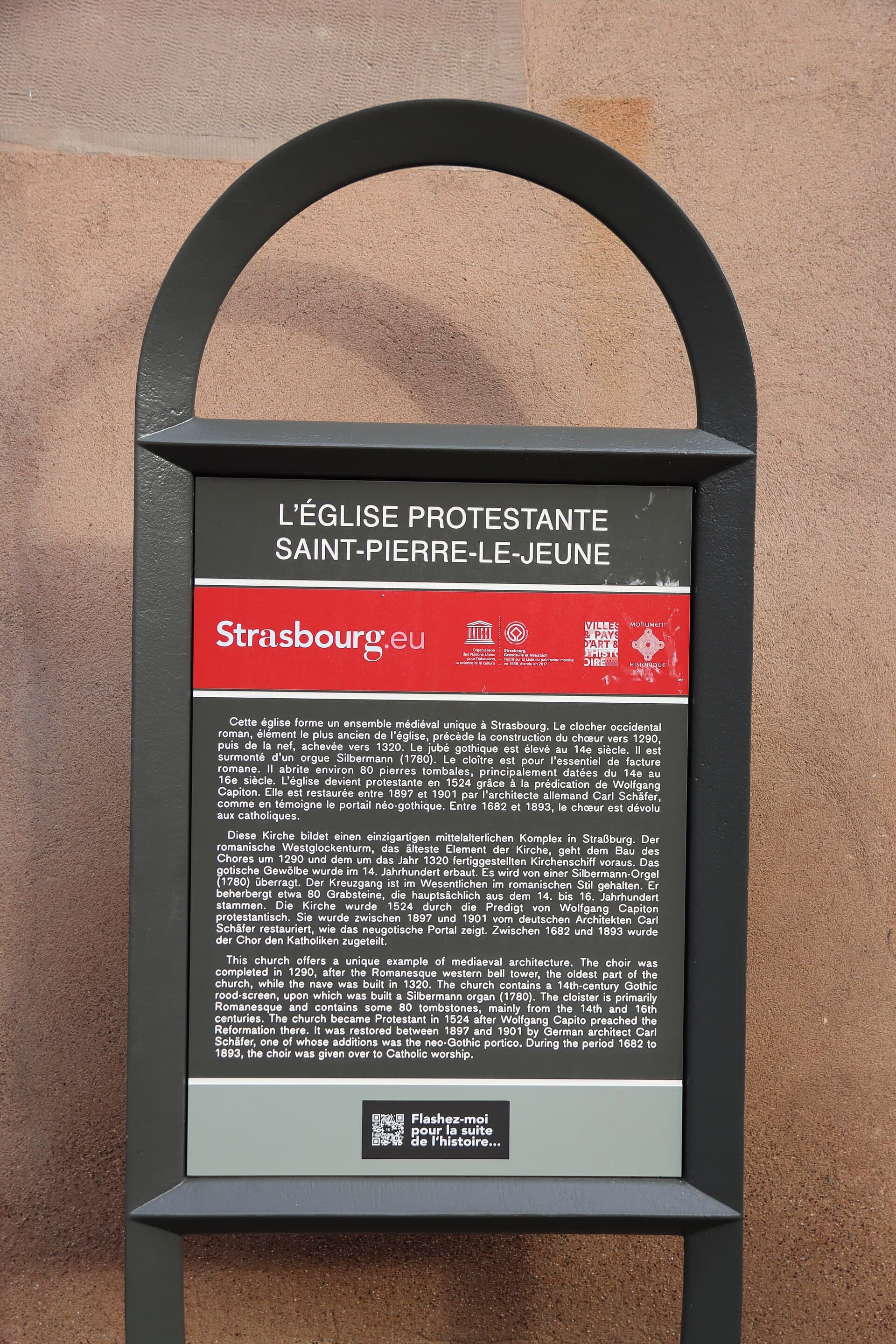 Saint-Pierre-le-Jeune Protestant ChurchA Protestant church north of the old town that gathers traces of at least five a6 minutes walk4.7
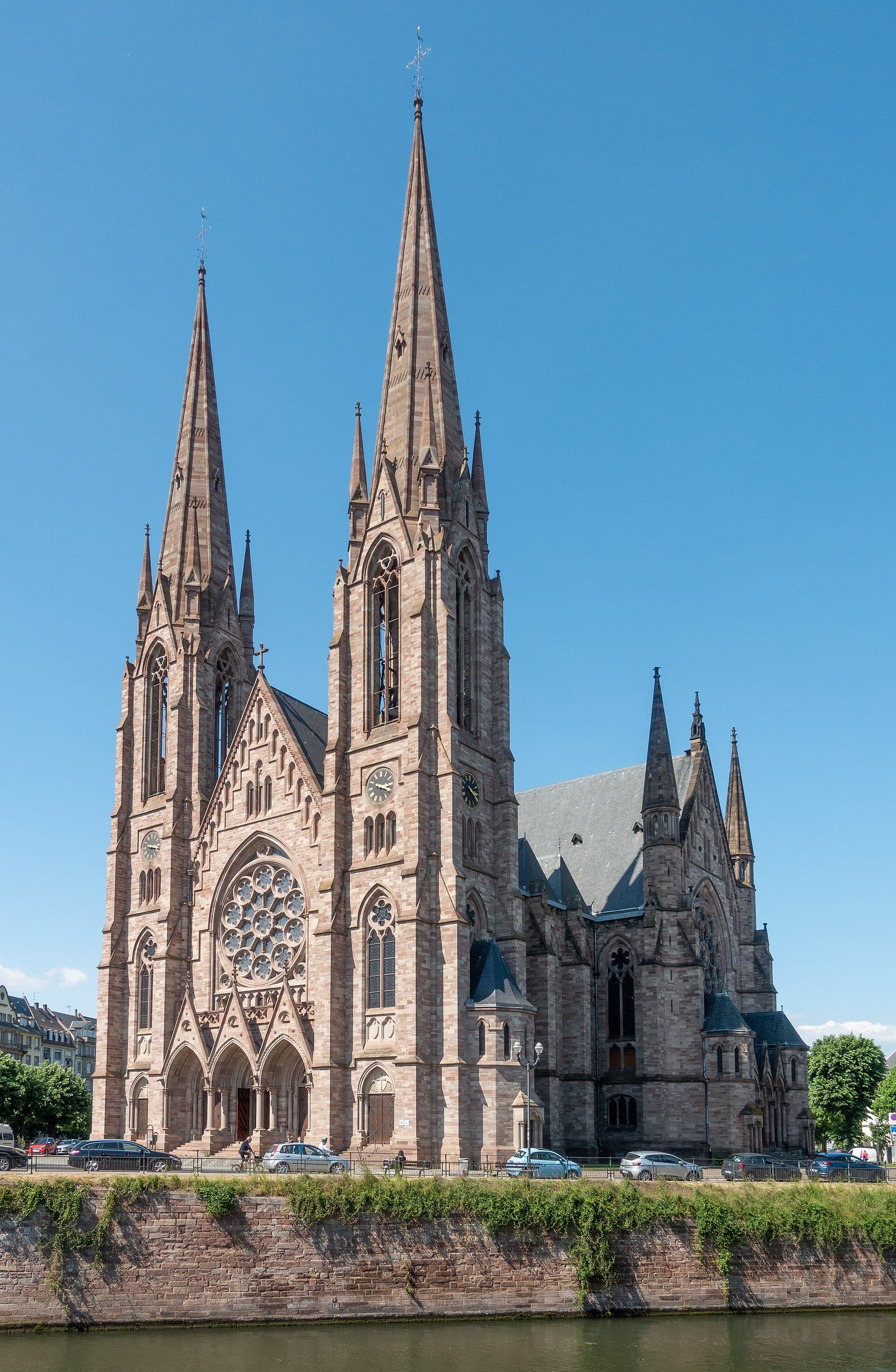 Saint-Paul's ChurchA Protestant church in the Gothic Revival manner on a spit of land where two wat7 minutes walk4.6
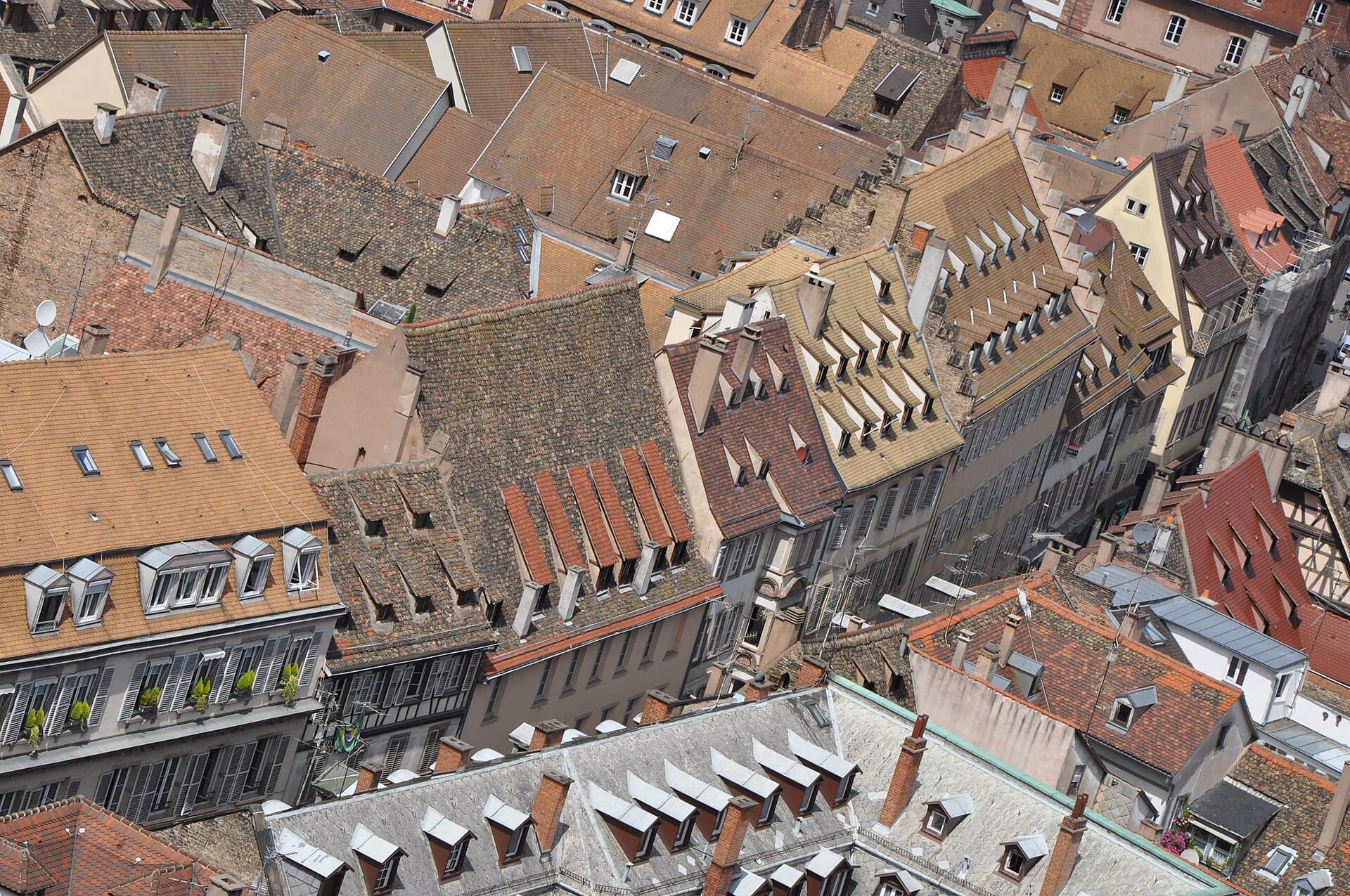 Grande ÎleThe Grande Île is all of historic Strasbourg: the city's core ringed by two arms8 minutes walk4.6
Alsace is a borderland traded between France and Germany four times between 1870 and 1945 — the old town French-Gothic, the Neustadt German-imperial, built during the annexation (1871–1918). This overlap is Strasbourg's identity, and why it hosts the European Parliament: a symbol of reconciliation.