
The Quirinal view
From the highest of Rome's seven hills, an open sweep over the domes to St Peter's — and free.
Monticiano — CC BY-SA 4.0 · Giorgio Galeotti — CC BY 4.0 · Livioandronico2013 — CC BY-SA 4.0 · Livioandronico2013 — CC BY-SA 4.0
A late Baroque palace designed by Ferdinando Fuga and completed in 1737 for Pope Clement XII, occupying one entire side of Piazza del Quirinale. It houses Italy's Constitutional Court today, and so is closed to visitors: the façade is seen from the square only. That façade is worth looking at: one of the purest works of late Baroque in Rome, with an even rhythm of windows and a central portal of columns and statuary — quiet official architecture without decorative excess. But the real reason to come is the square itself. The Quirinal is the highest of Rome's seven hills, and from it a view opens across the city's domes to St Peter's. At its centre stand two colossal statues of Castor and Pollux with their horses — Roman copies of Greek originals, taken from the Baths of Constantine — with an Egyptian obelisk between them. Facing it is the Quirinal Palace, residence of the President of the Italian Republic, with a guard of honour that changes in a short daily ceremony. The square is free and always open, ten minutes' walk from the Trevi Fountain.
From the highest of Rome's seven hills, an open sweep over the domes to St Peter's — and free.
Two colossal statues with their horses and an Egyptian obelisk between them — moved from the Baths of Constantine.
Piazza del Quirinale, Rome
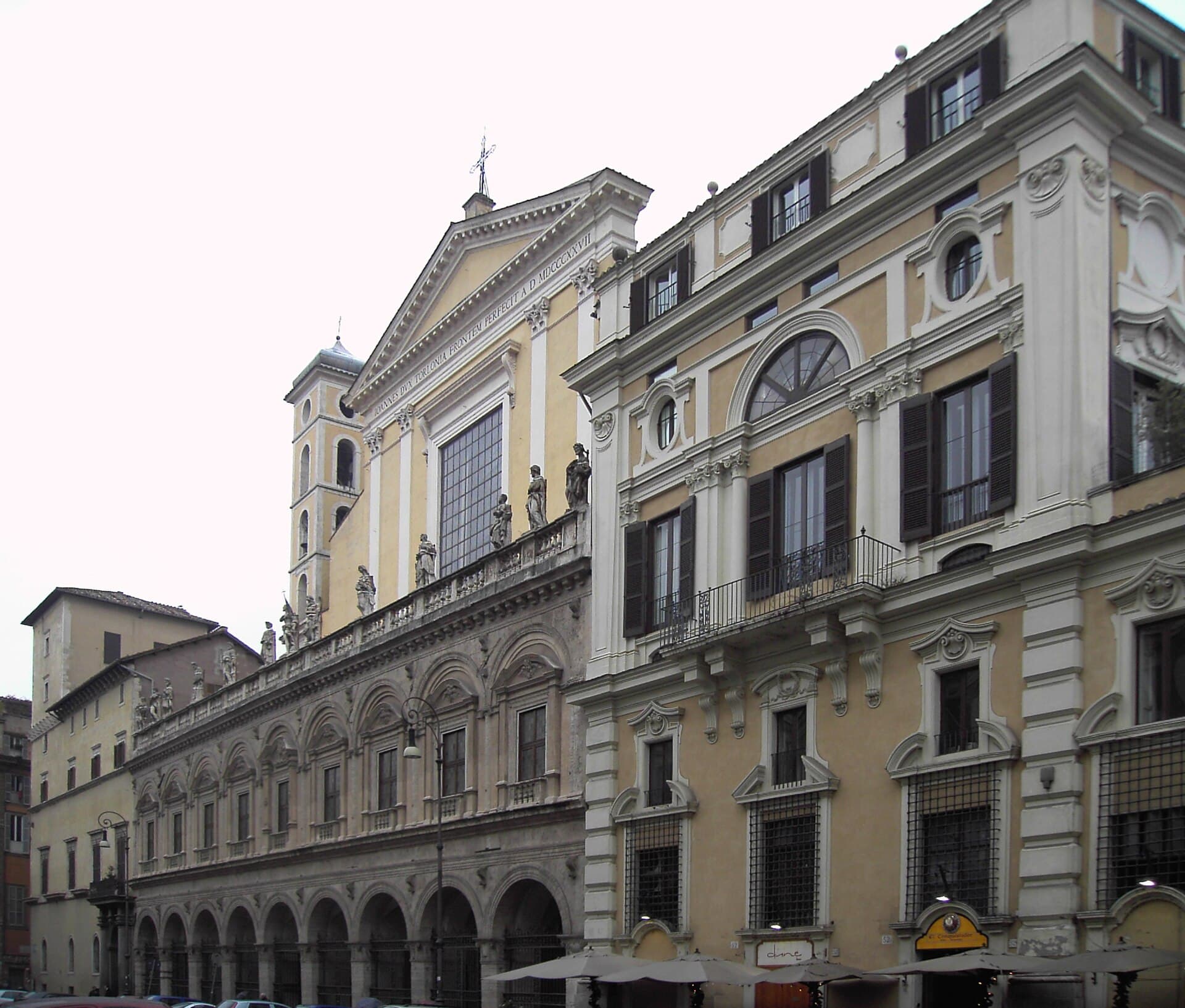 Galleria ColonnaThe Galleria Colonna is Rome's most sumptuous private Baroque hall and its weekl4 minutes walk4.8
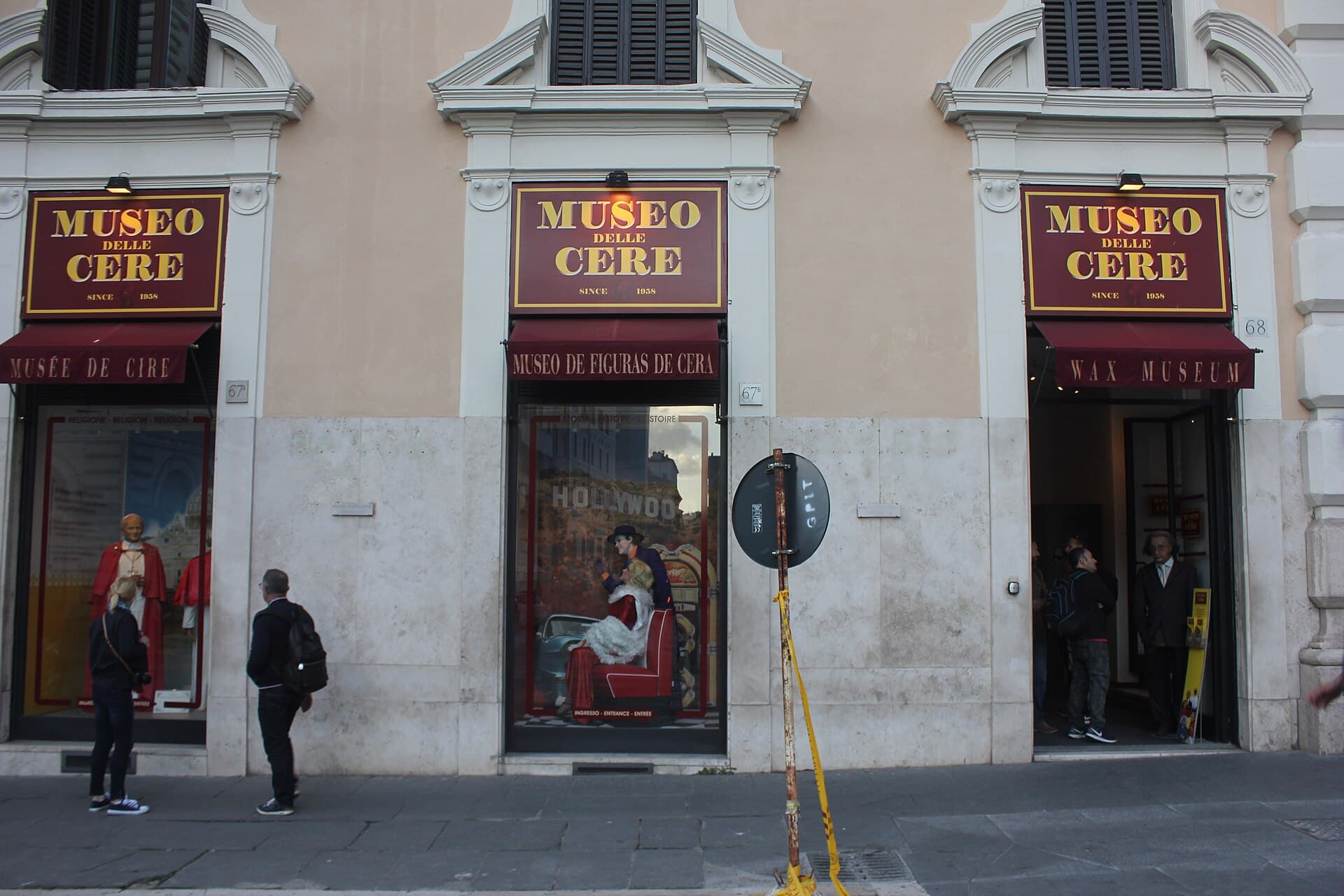 Museo delle CereA wax museum in central Rome at Piazza Venezia, opened in 1958 and among the old5 minutes walk3.5
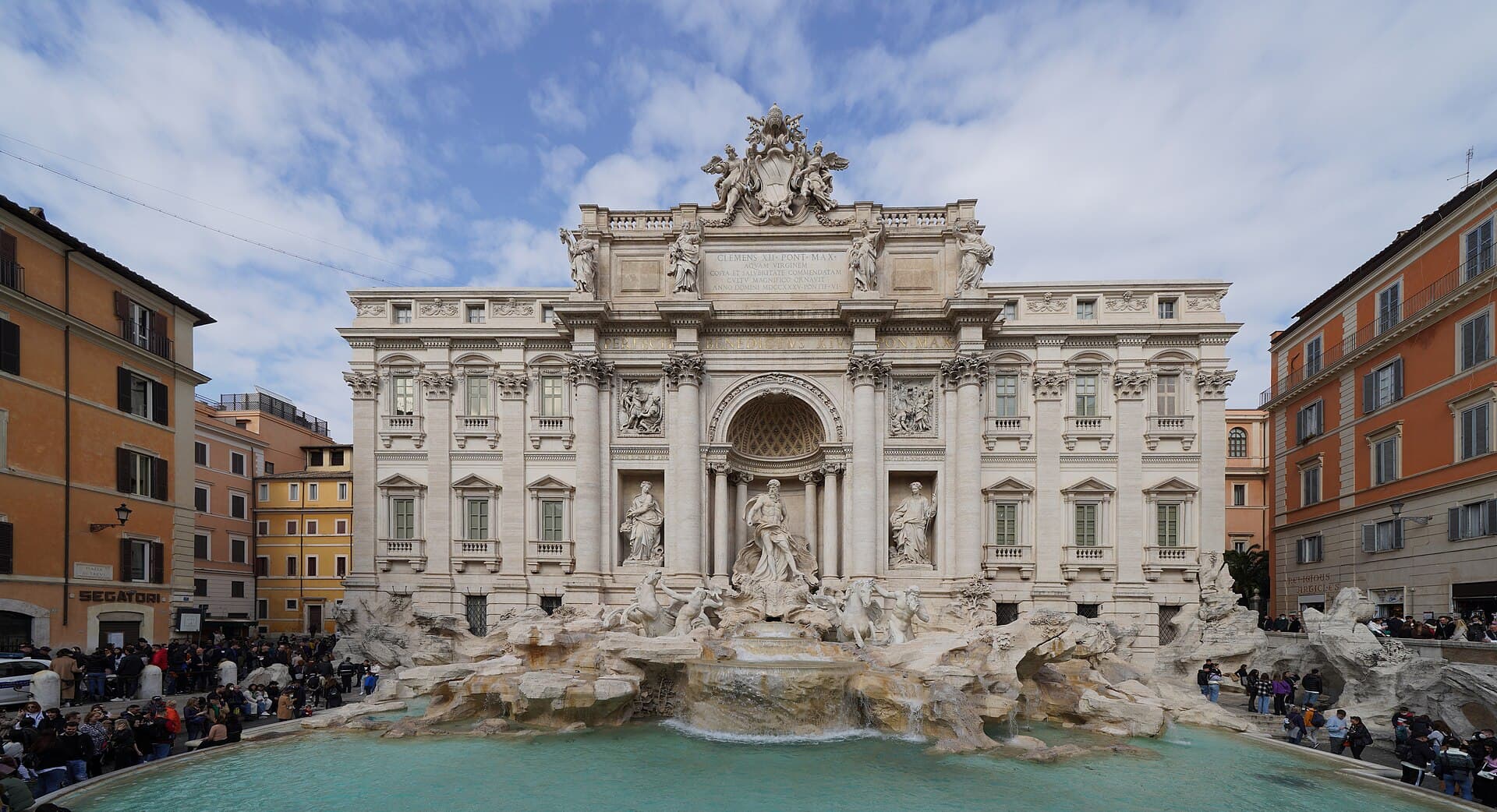 Trevi FountainYou hear it before you see it: water roaring down a narrow lane, and then the vi5 minutes walk4.8
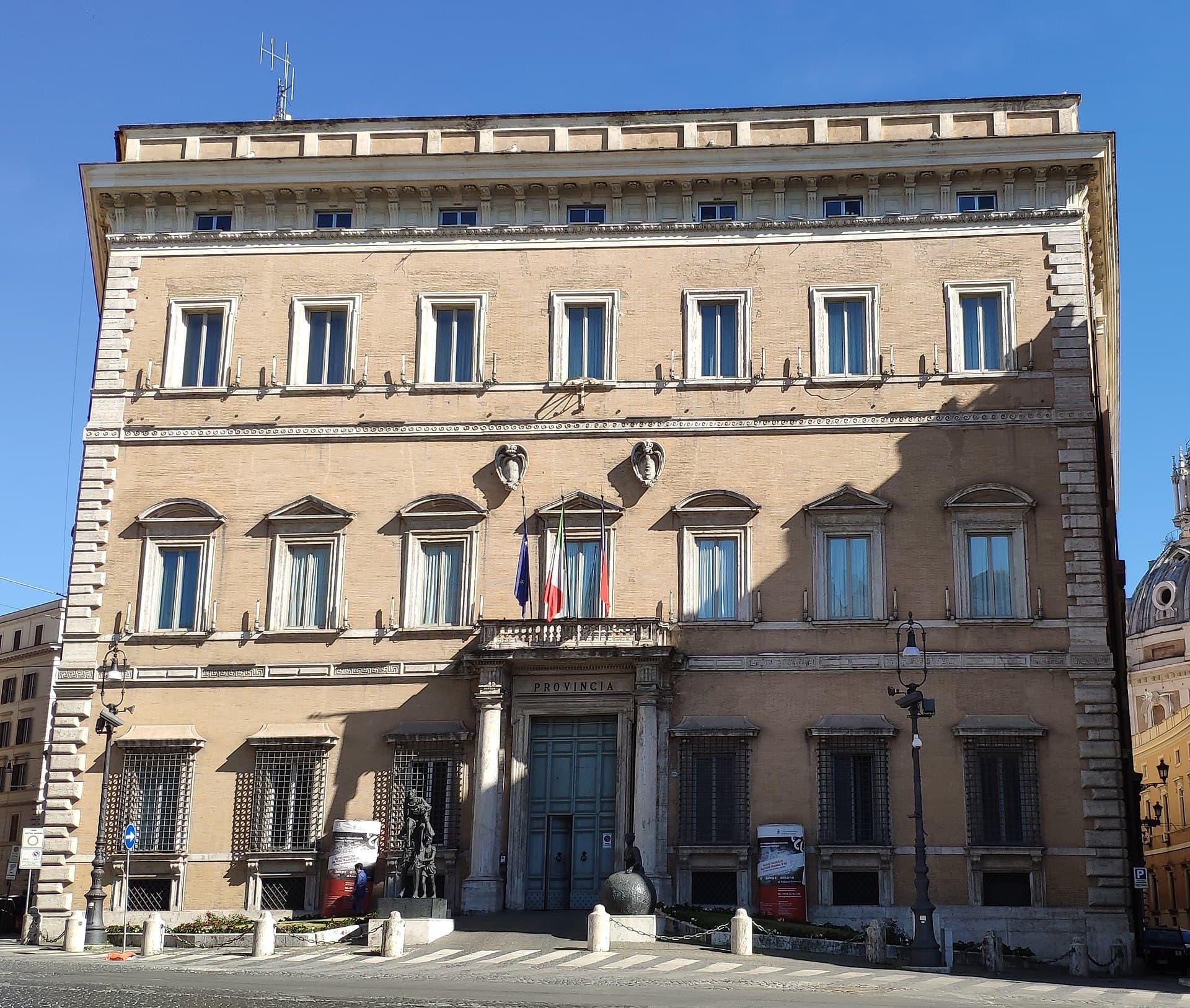 The Roman Domus of Palazzo ValentiniBeneath Rome's provincial palace, steps from the Vittoriano, sleep two Roman vil5 minutes walk4.6
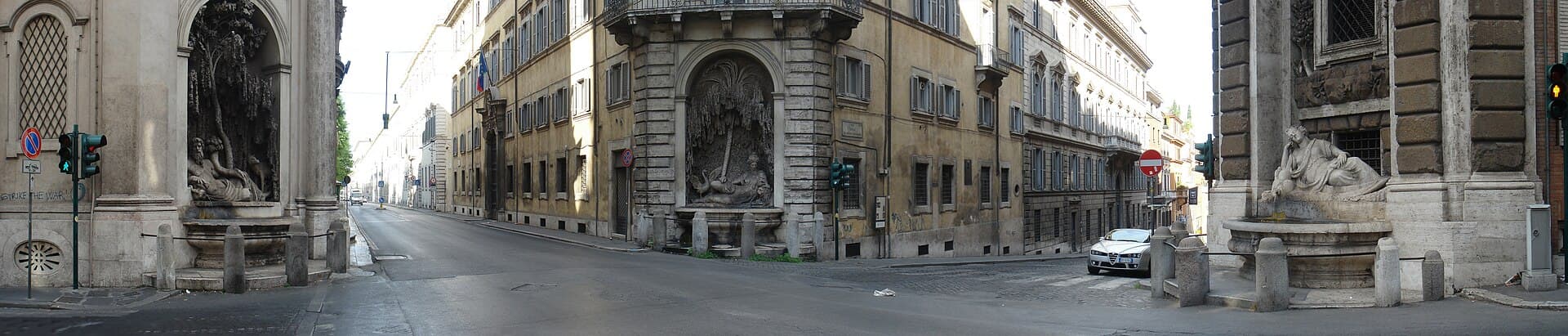 The Four FountainsFour fountains in the corners of a street crossing in Rome, set up between 1588 5 minutes walk4.4
Looking for halal food near Palazzo della Consulta? There are several options nearby, from Moroccan and Indian kitchens to quick casual spots and places with a view. Confirm the halal status and opening hours before you go — these can change.
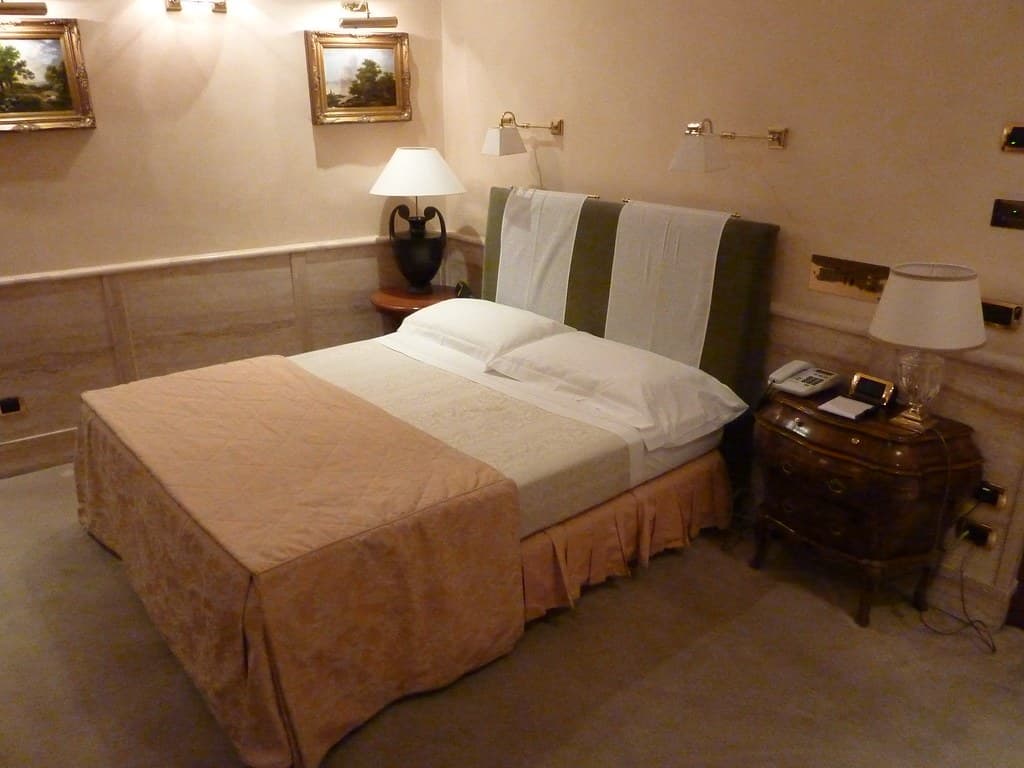 Hotel BaroccoA four-star hotel looking directly onto Piazza Barberini and Bernini's Triton Fo6 minutes walk · $$$$4.9The St. Regis RomeRome's oldest grand hotel and its most historic: opened in January 1894 as the G10 minutes walk · $$$$4.8
No — it is the Constitutional Court and closed to the public. The presidential Quirinal Palace opposite does open on set days with advance booking through the Presidency's website.