
White dome
Over a round drum.
CivArmy — CC BY-SA 4.0 · Garcia.dennis — CC BY-SA 4.0 · alex-s — CC BY 2.0 · Leandro Neumann Ciuffo — CC BY 2.0 · Jerry Fischer — CC BY-SA 3.0 de
The National Pantheon of the Heroes is a white domed building in central Asunción, Paraguay's capital, and a national monument of great architectural, artistic and cultural value. It stands between Palma and Chile streets, about 270 metres in a straight line from Asunción Cathedral. Work began in October 1863 on a chapel to the Virgin of the Assumption, designed by the Italian architect Alejandro Ravizza with the builder Giacomo Colombino. The building stood unfinished under scaffolding for more than 70 years, and was finally completed and opened on 12 October 1936 as the national mausoleum. It holds the remains of leading figures in the country's history, among them Carlos Antonio López, the first constitutional president. The Neoclassical front has a columned portico under a stone pediment, and a large white dome rises over a cylindrical drum. A Latin inscription on the front reads «Fides et Patria», «faith and homeland». A tree-lined walk with flags leads to it, and at night the dome is lit in changing colours. This is a state mausoleum, so keep quiet, respect the guards and other visitors, and dress respectfully. It combines easily with the cathedral and the López Palace on a short walk around the centre.
Over a round drum.
Columns and a pediment.
The dome in colour.
Between Palma and Chile streets, central Asunción, Paraguay
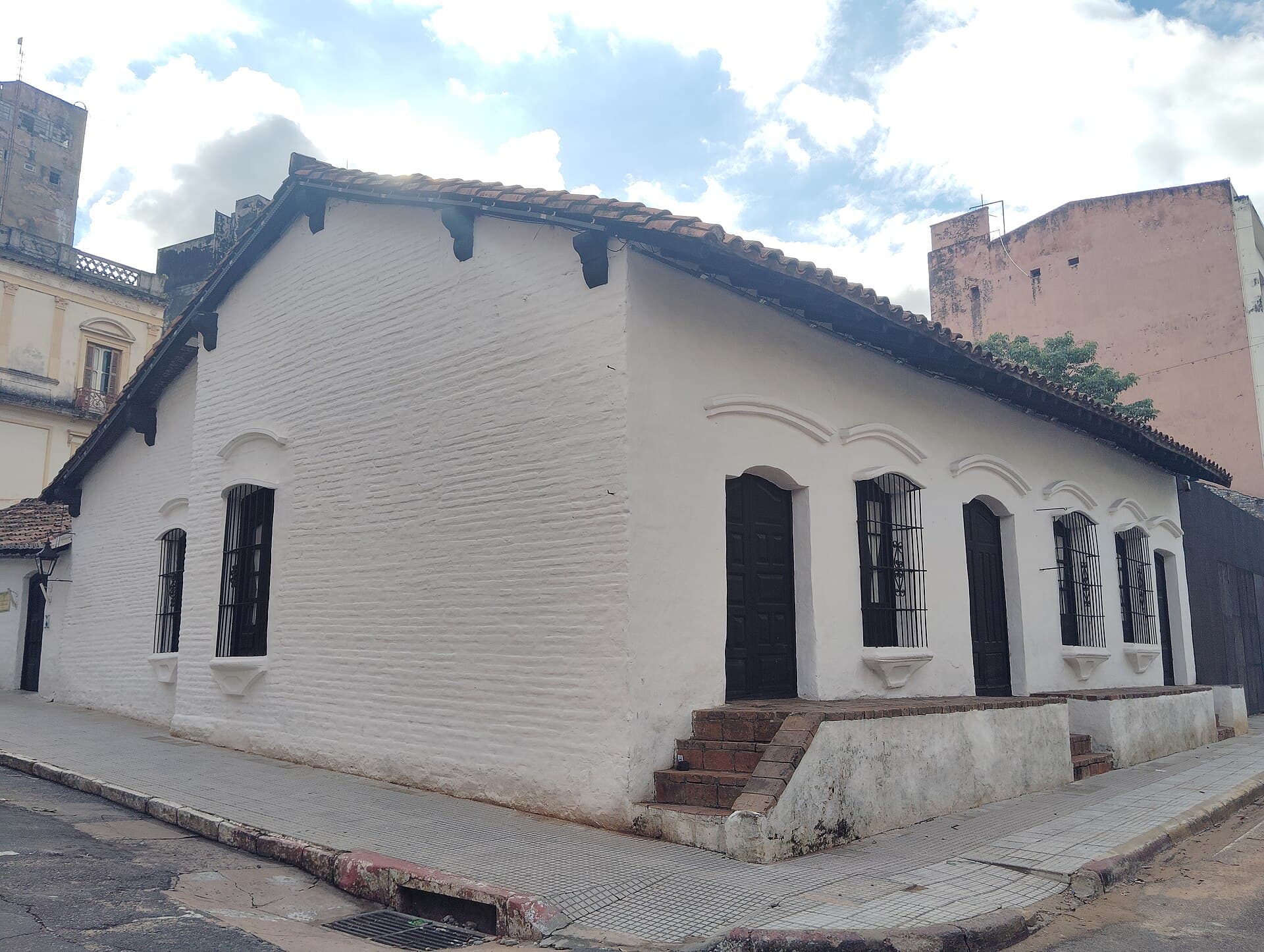 Casa de la IndependenciaA simple white colonial house from 1772, one of Asunción's oldest surviving buil3 minutes walk4.5
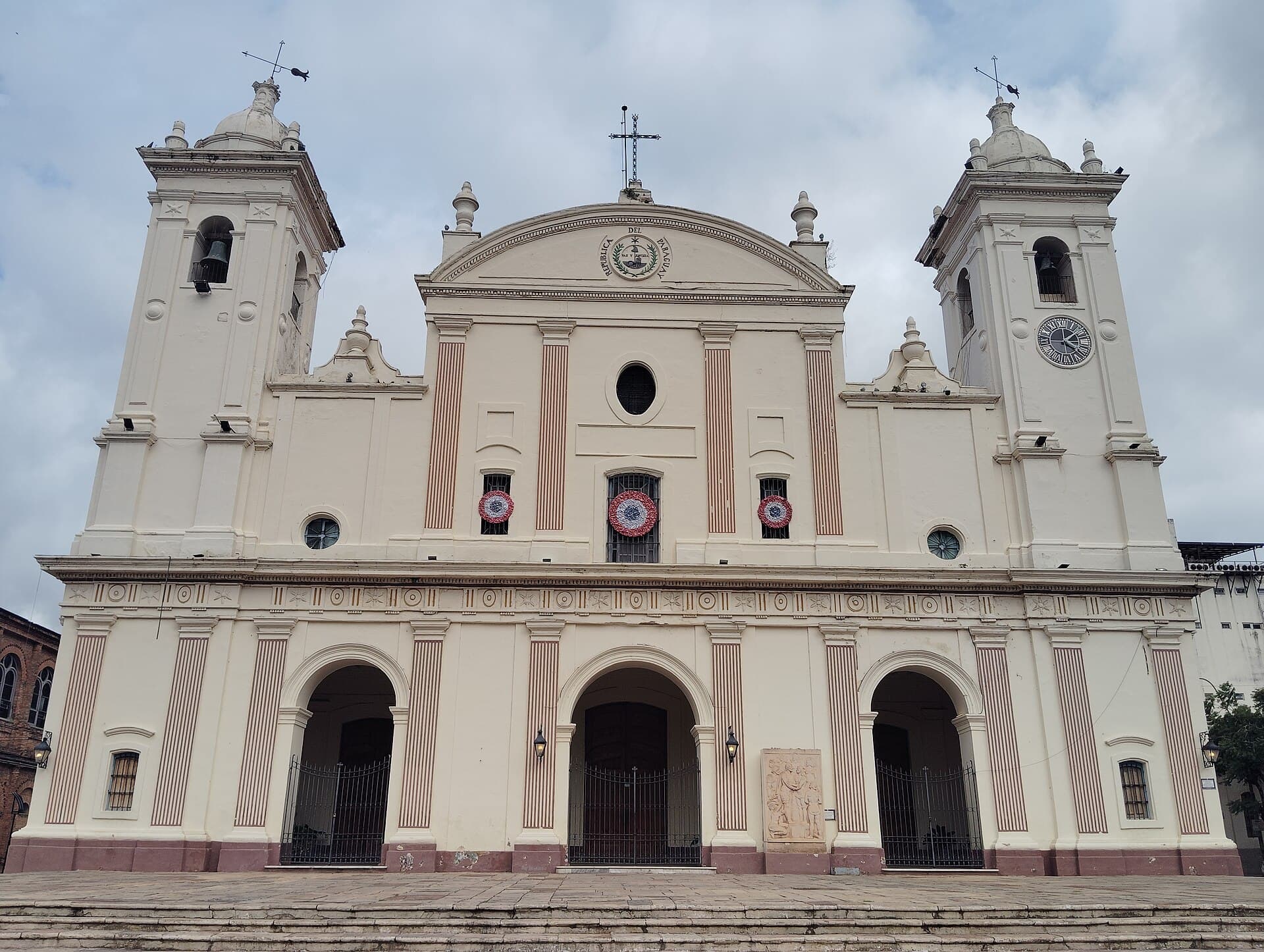 Metropolitan CathedralThe Metropolitan Cathedral is the main Catholic church of Asunción, in the heart3 minutes walk
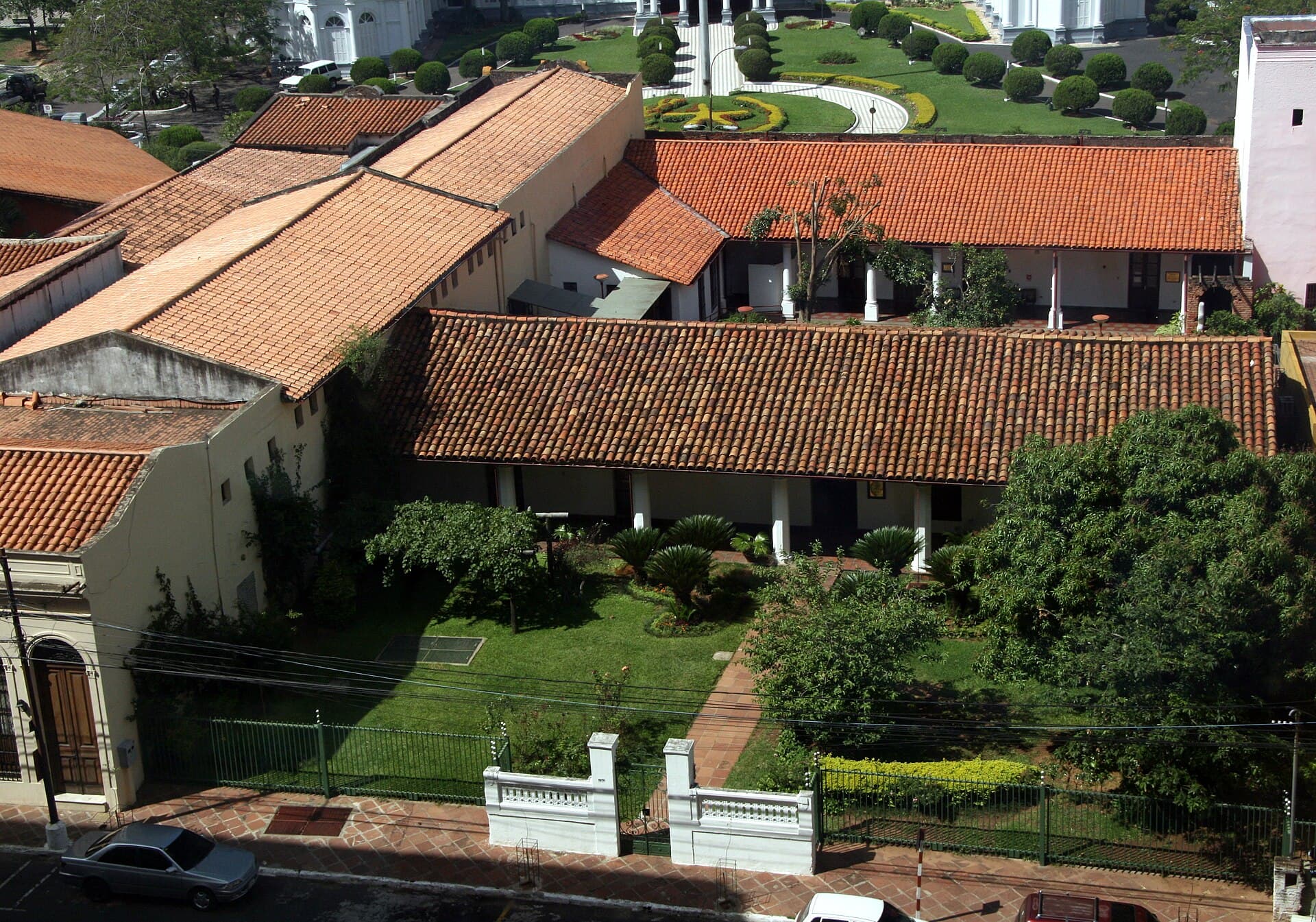 Manzana de la RiveraThe Manzana de la Rivera is a block of restored historic houses forming a cultur7 minutes walk
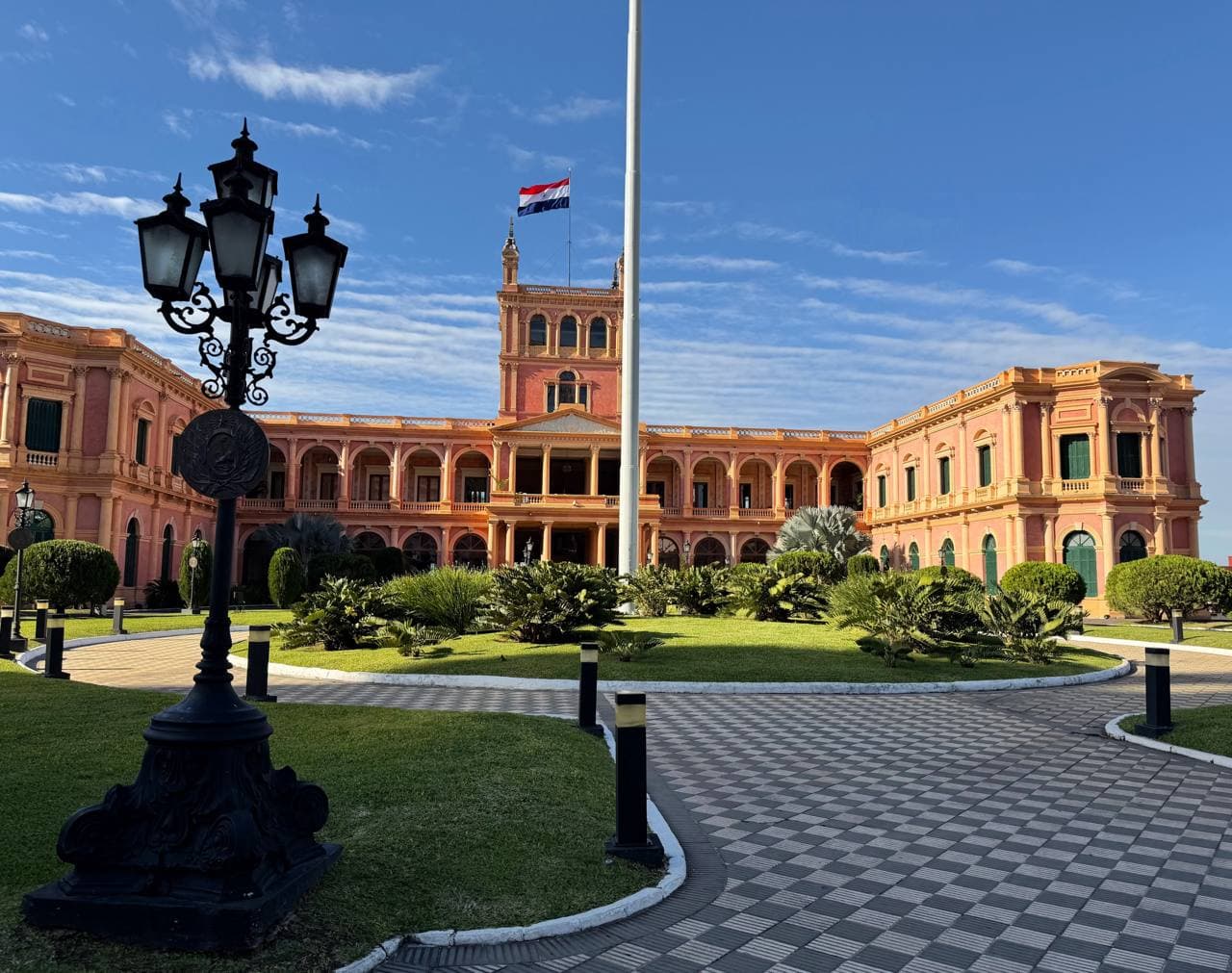 Palacio de LópezParaguay's seat of government, an elegant white palace on the Bay of Asunción, b7 minutes walk4.7
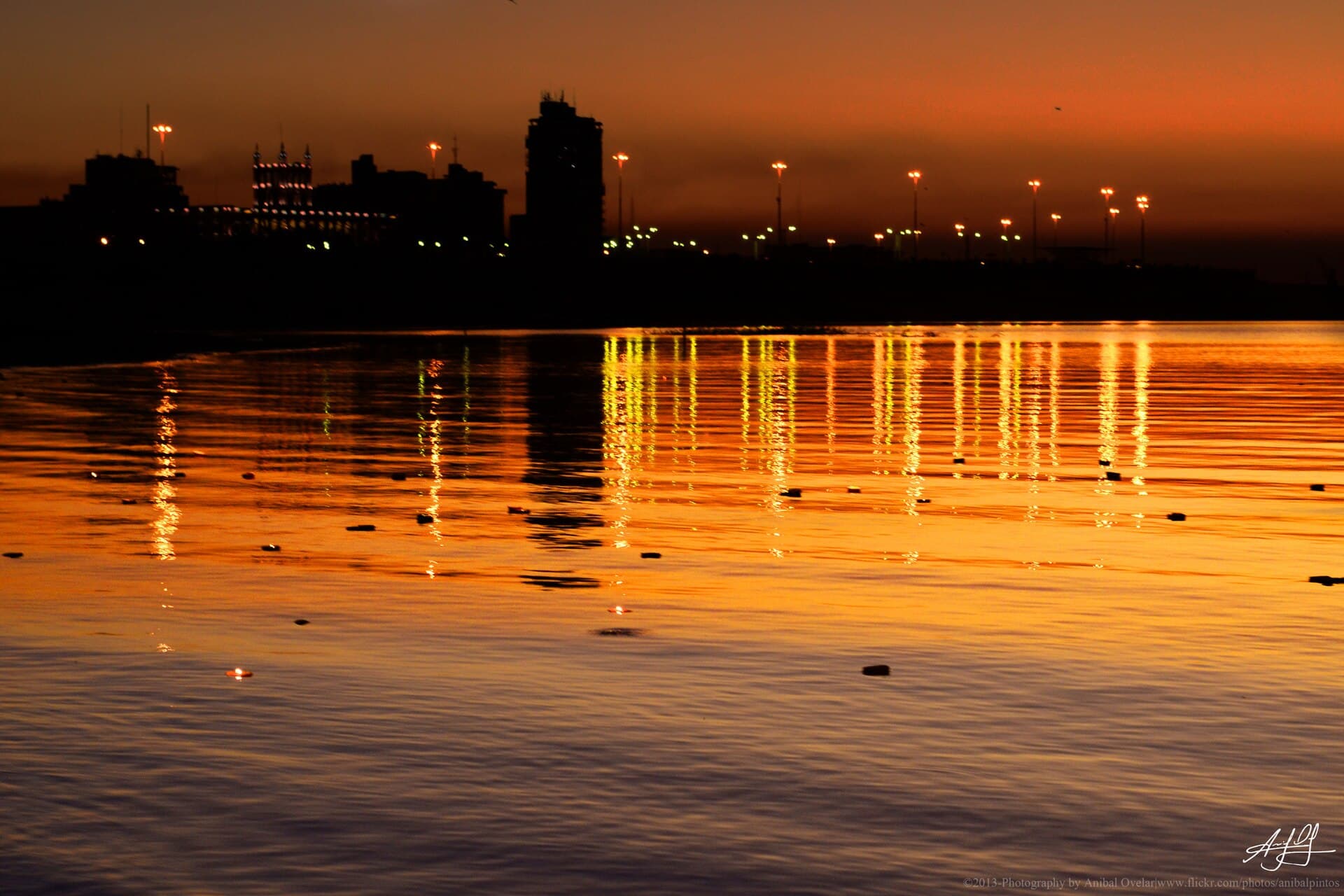 Costanera de AsunciónA modern promenade along the Bay of Asunción and the broad Paraguay River, runni9 minutes walk4.5
Work stopped for over 70 years before completion in 1936.
The cathedral, about 270 metres away.