
Landscape-garden logic
Winding paths and hills that hide the edges so the space reads larger.
AgainErick — CC BY-SA 4.0 · Bic — CC BY-SA 4.0 · Wikifrits — Public domain · Wikifrits — Public domain
A small English landscape-style park beside Het Park in Rotterdam, laid out in the mid-nineteenth century as the private garden of a villa and later opened to the public. Its size does not exceed a few hectares, but it is designed on landscape-garden logic: winding rather than straight paths, a pond that appears and disappears among the trees, and small artificial hills that hide one end of the park from the other. The purpose of this design is to make the space read as far larger than it is, and to let the walker feel they are in countryside rather than a city. It holds a group of old trees of striking size for a city that was bombed and entirely rebuilt: the park survived the bombing of 1940 because it lies outside the directly destroyed centre, so its trees are among the few living witnesses to pre-war Rotterdam. It adjoins Het Park and the Euromast, and the three are walked together.
Winding paths and hills that hide the edges so the space reads larger.
Among the few living witnesses to pre-war Rotterdam.
Seen through the trees then lost — a core element of the design.
Beside Het Park and the Euromast
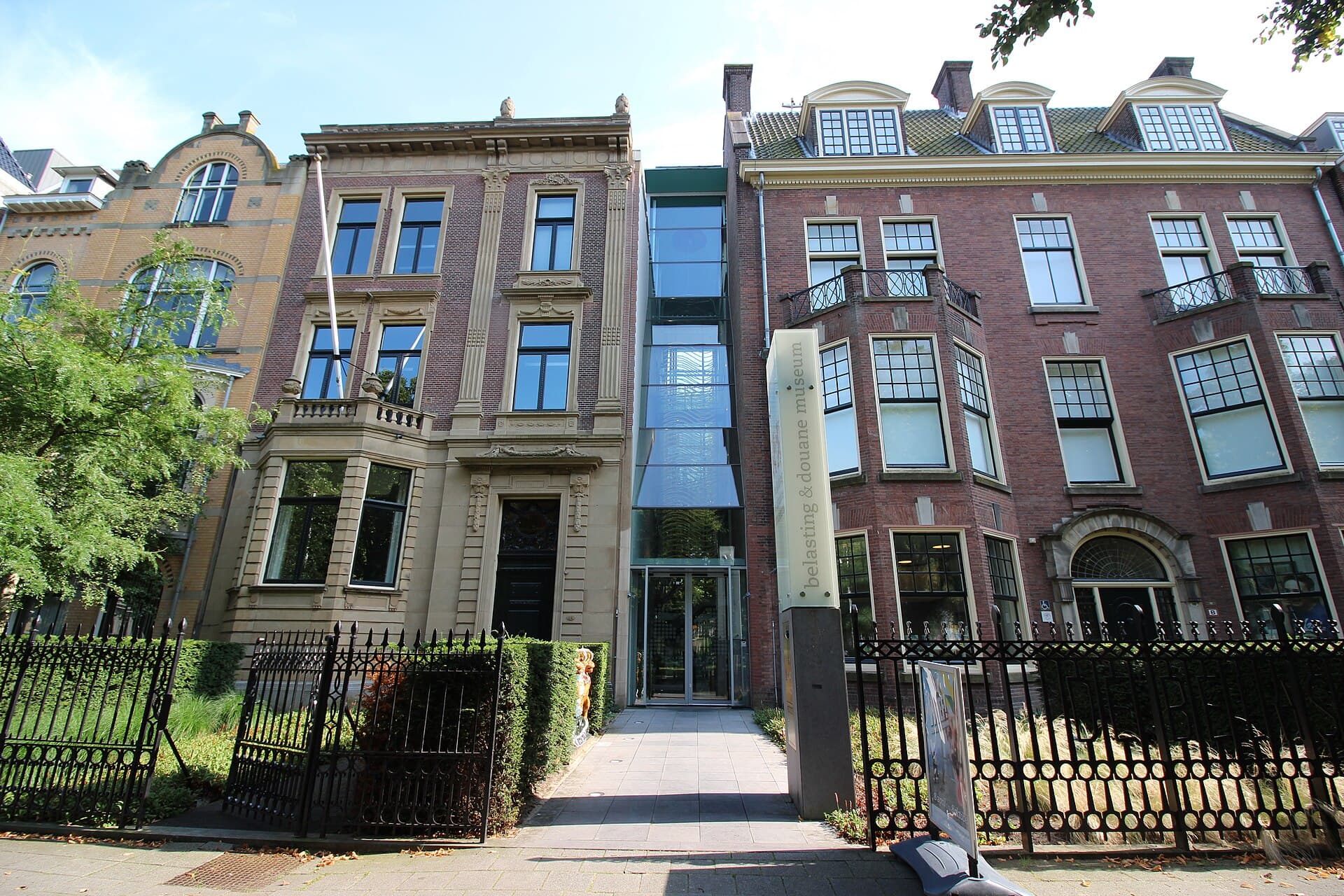 The Tax and Customs MuseumThe Tax and Customs Museum occupies a villa on the Parklaan in Rotterdam, and it3 minutes walk4.1
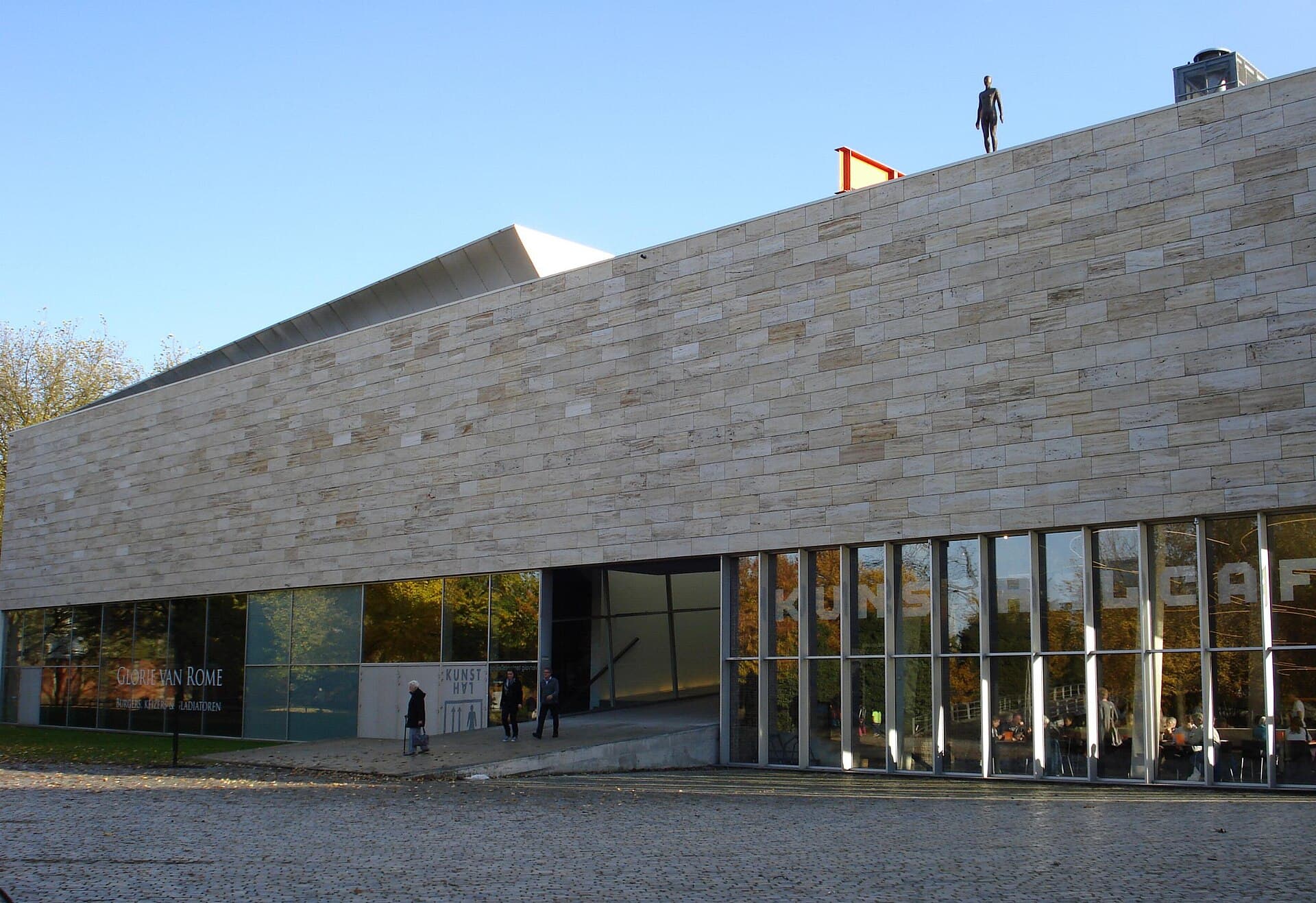 Kunsthal RotterdamA museum without a collection: the Kunsthal (1992) was designed by Rem Koolhaas,3 minutes walk4.5
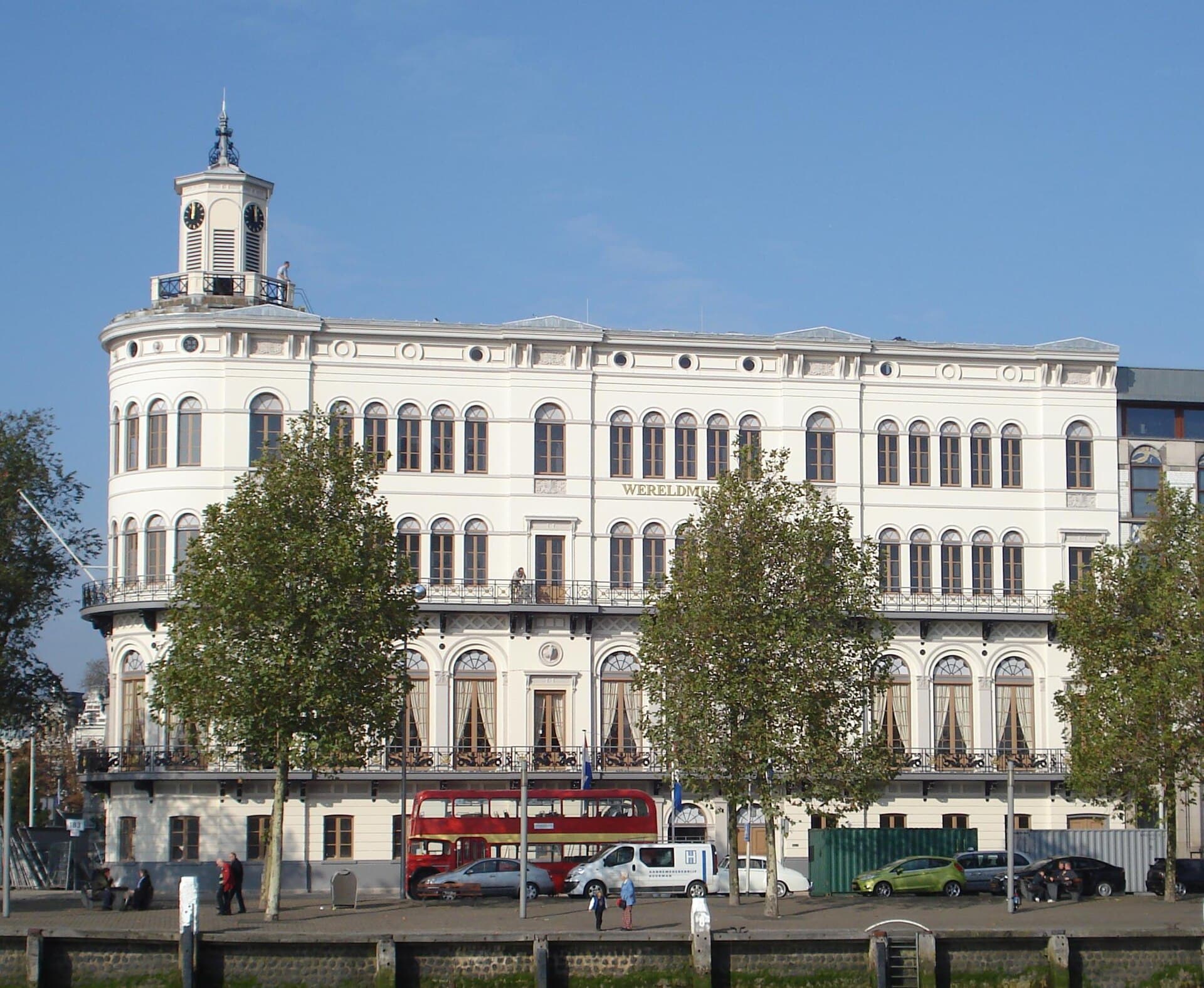 WereldmuseumA museum of world cultures in the Royal Yacht Club's building: founded in 1885 f7 minutes walk4.2
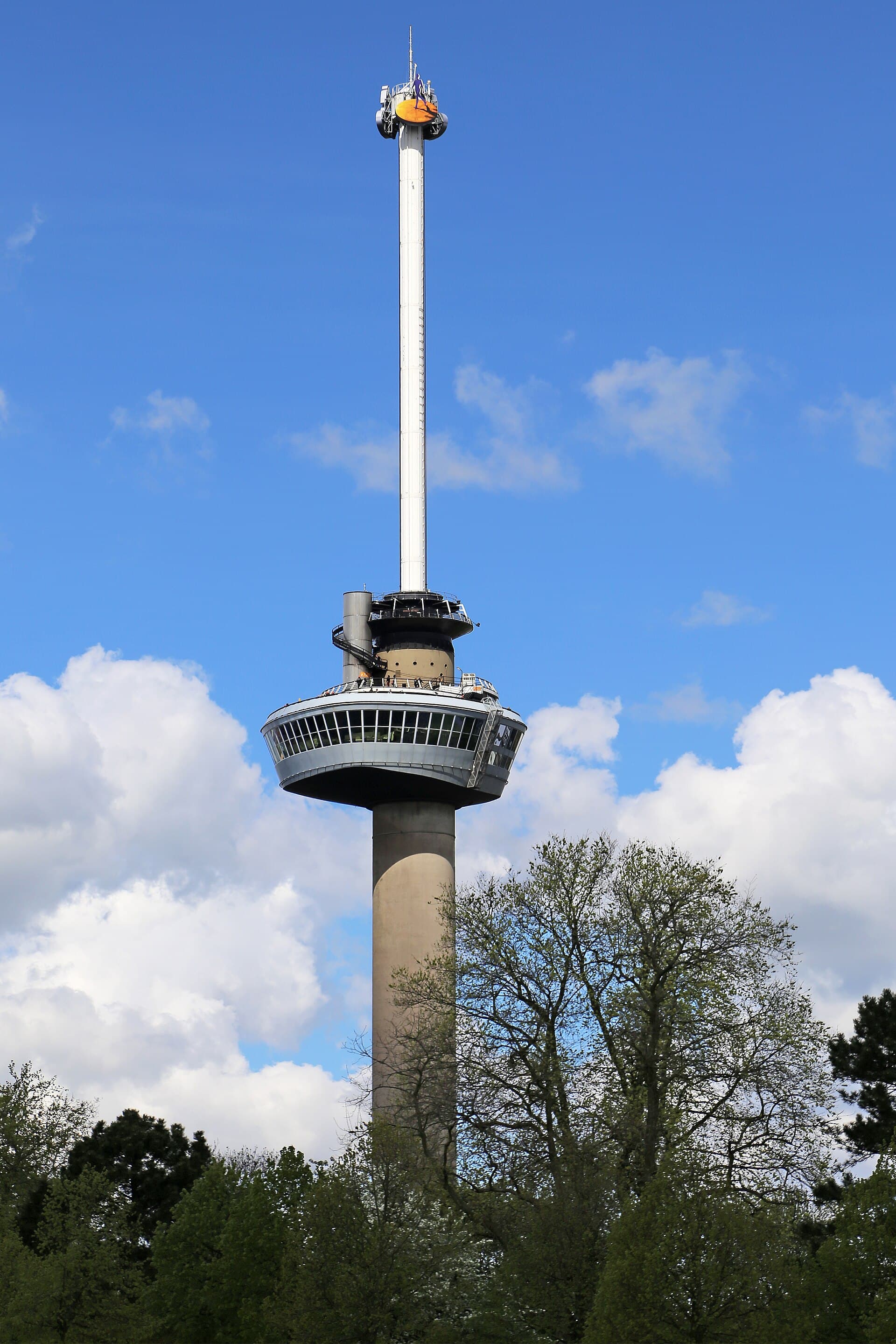 EuromastAn observation tower on the edge of Rotterdam's park, built in the early 1960s a7 minutes walk4.3
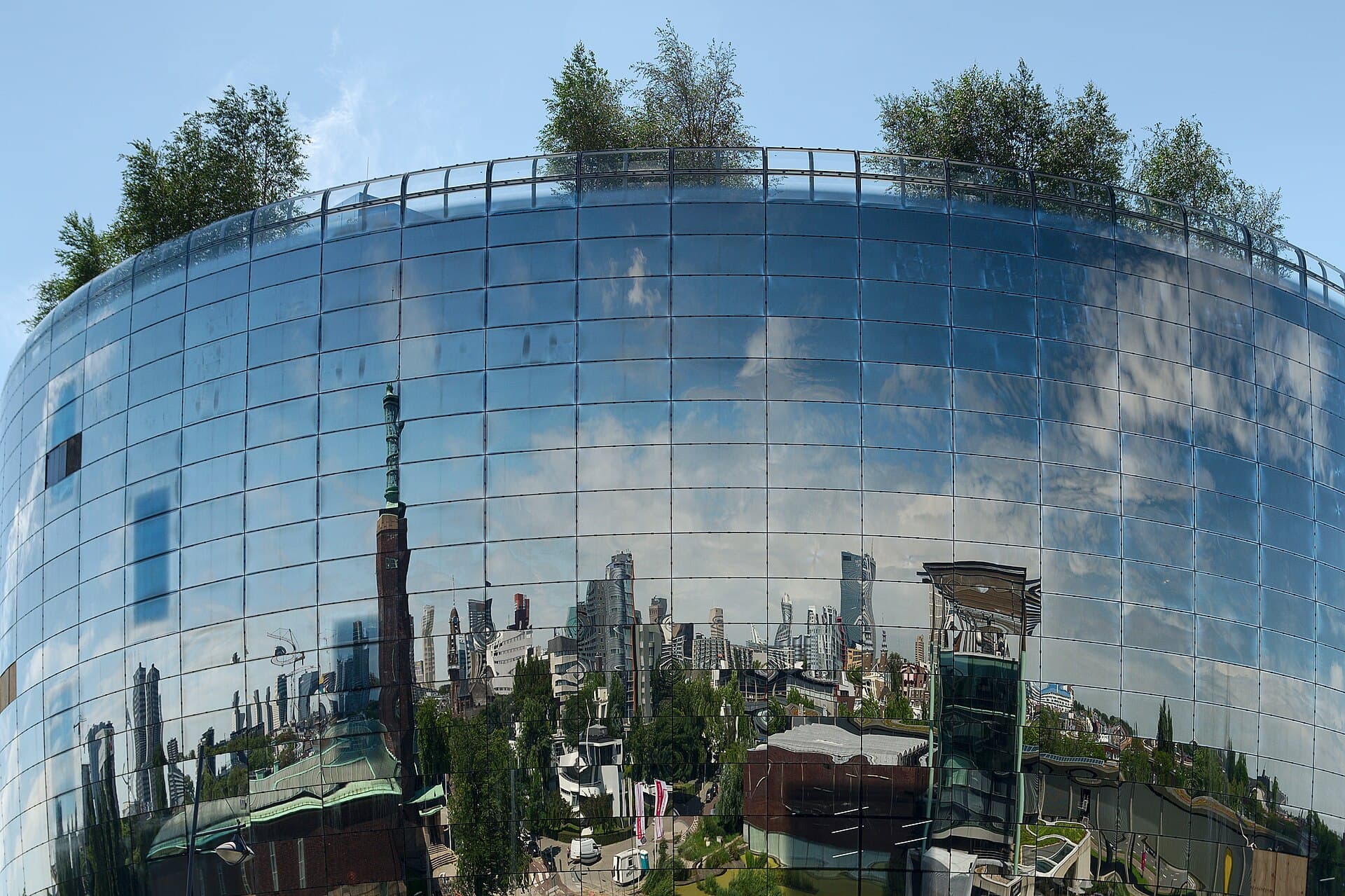 Depot Boijmans Van BeuningenA giant mirror bowl amid the Museumpark — the world's first fully open art depot7 minutes walk4.5
A style that arose in England in the eighteenth century as a reply to the geometric French garden with its straight lines and symmetrical forms. The idea is that the garden should look natural rather than designed: curves instead of lines, irregular groups of trees, water shaped as a lake rather than a canal, and sometimes false ruins built to look ancient. The style spread across Europe in the nineteenth century, and most old Dutch city parks are laid out on it.
The neighbouring Euromast rises a hundred and eighty-five metres and has a ticketed viewing platform — the best overall view of Rotterdam and its harbour. Het Park is a larger park running down to the Maas bank with a view of the Erasmus Bridge. The whole route from the three parks to the bridge is a comfortable two-hour walk.