
The smuggling tricks
False bottoms, hollowed books and hollow statues.
Bic — CC BY-SA 4.0 · Maaikevm — CC BY-SA 4.0 · Baykedevries — CC BY-SA 3.0 · Maaikevm — CC BY-SA 4.0
The Tax and Customs Museum occupies a villa on the Parklaan in Rotterdam, and its subject sounds dry until you go in: the history of taxation and smuggling in the Netherlands — which is in fact a history of human ingenuity and evasion. Its most enjoyable section is the smuggling collection: objects customs confiscated over decades and kept for display. Cases with false bottoms, hollowed-out books, stuffed car tyres, hollow statues, lined clothing, and taxidermy with something hidden inside. Every piece is the story of a failed attempt, and some are impressively clever. The other part explains why taxes are levied and how they changed: strange historical Dutch taxes on windows, servants and candles, along with registers and collection equipment. Entry is normally free, which is striking for a museum this size — because it is a government educational institution. It suits children better than its name suggests.
False bottoms, hollowed books and hollow statues.
Historical levies on windows, servants and candles.
Parklaan 14, 3016 Rotterdam
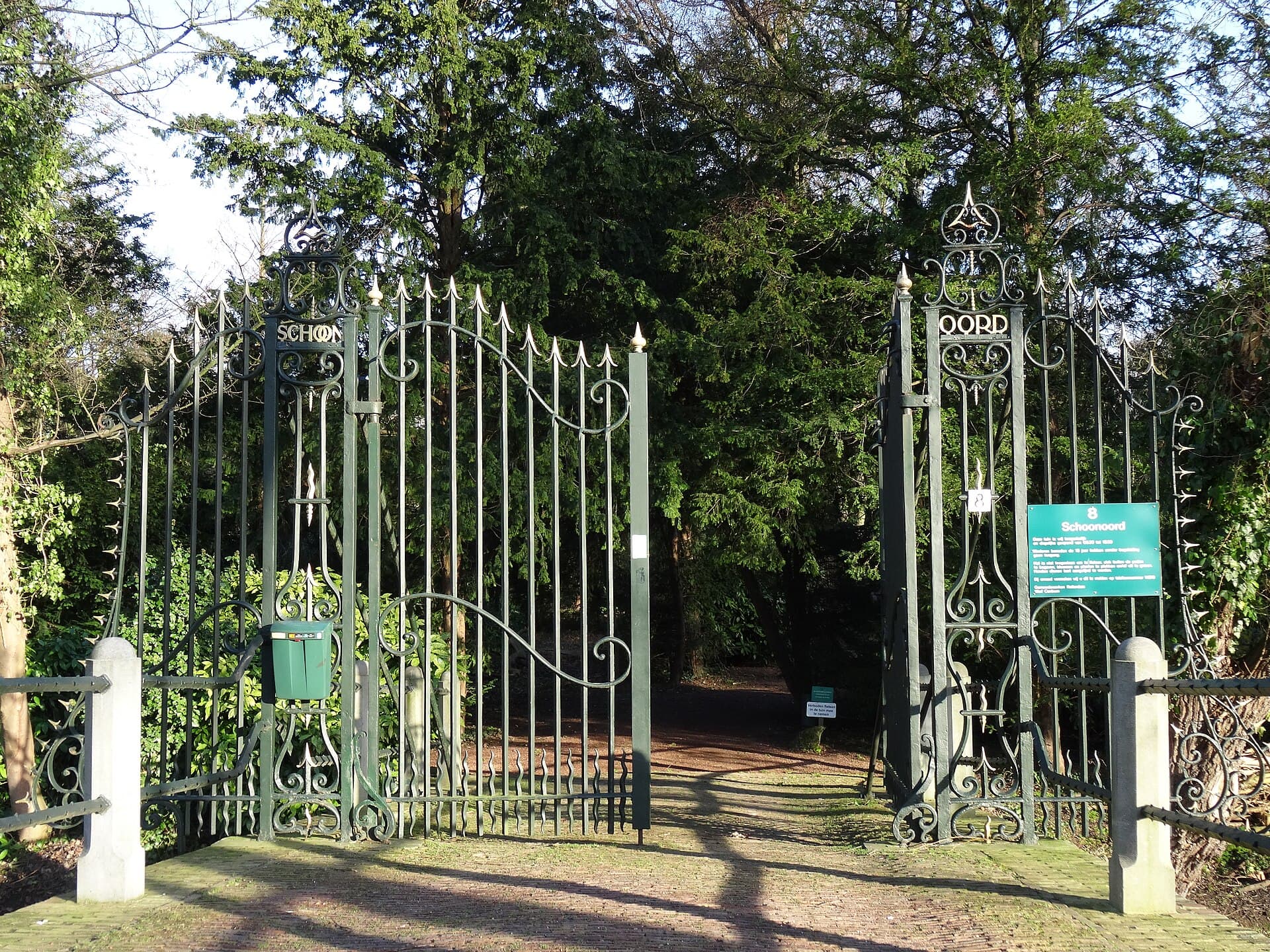 Park SchoonoordA small English landscape-style park beside Het Park in Rotterdam, laid out in t3 minutes walk4.8
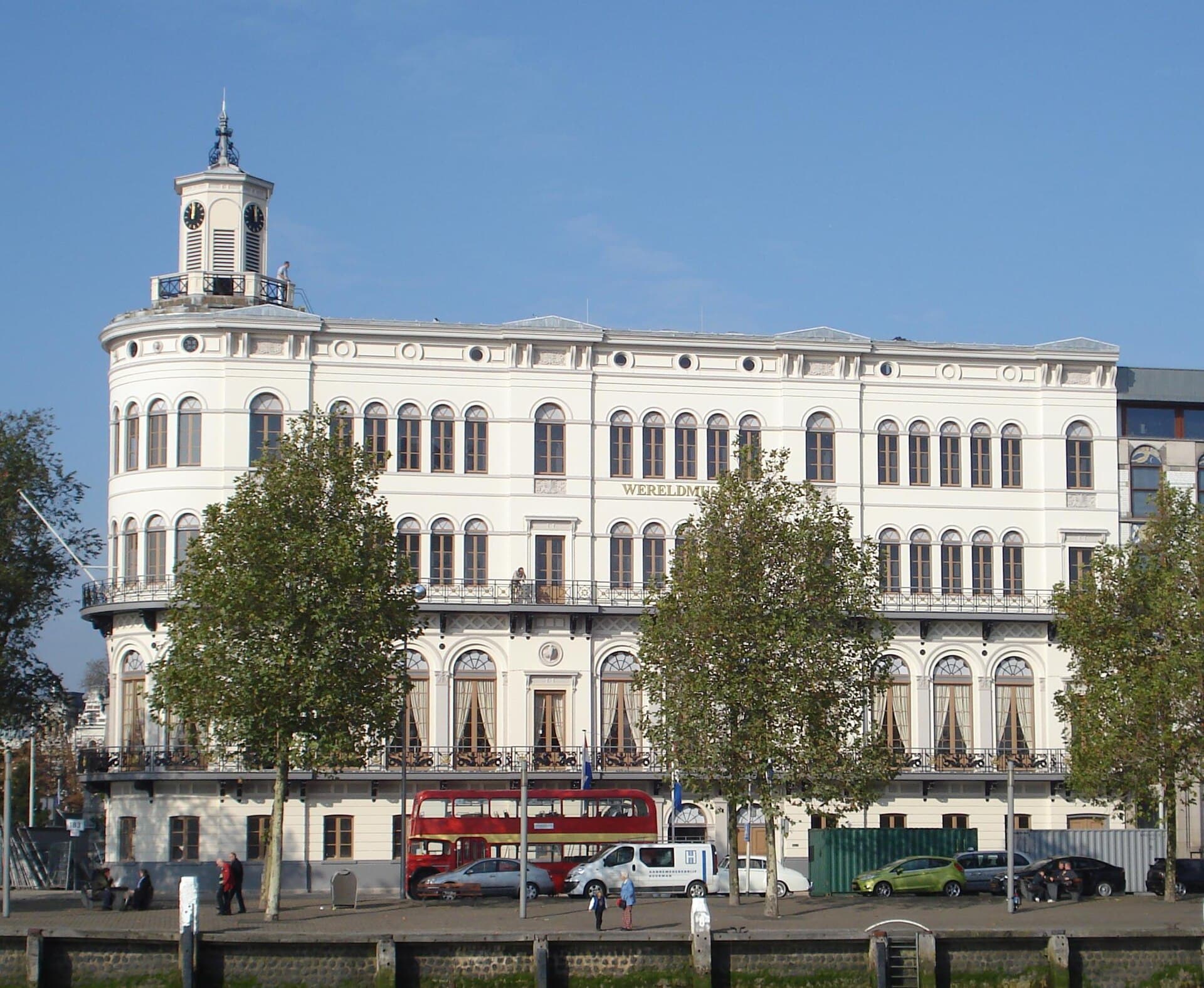 WereldmuseumA museum of world cultures in the Royal Yacht Club's building: founded in 1885 f5 minutes walk4.2
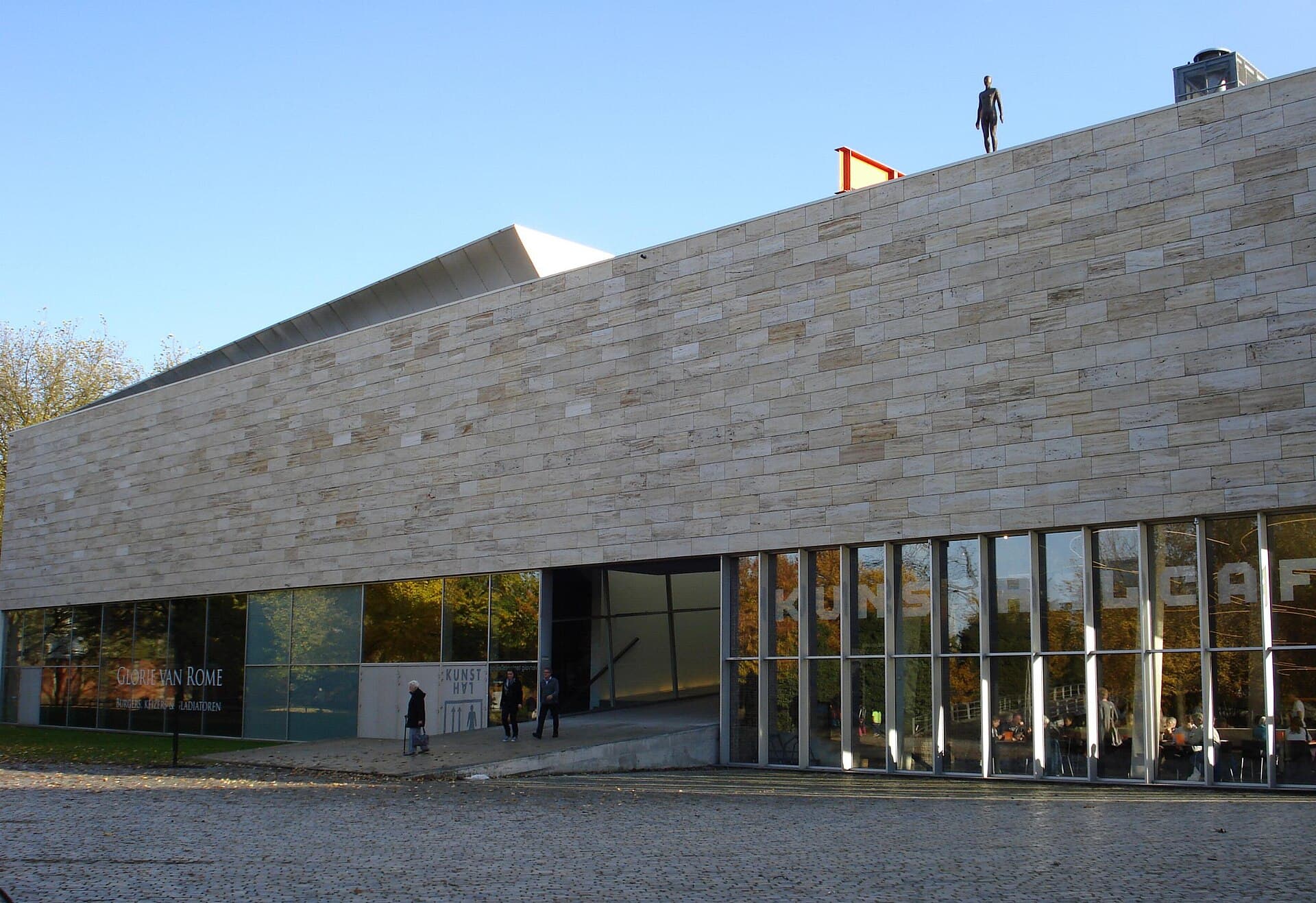 Kunsthal RotterdamA museum without a collection: the Kunsthal (1992) was designed by Rem Koolhaas,5 minutes walk4.5
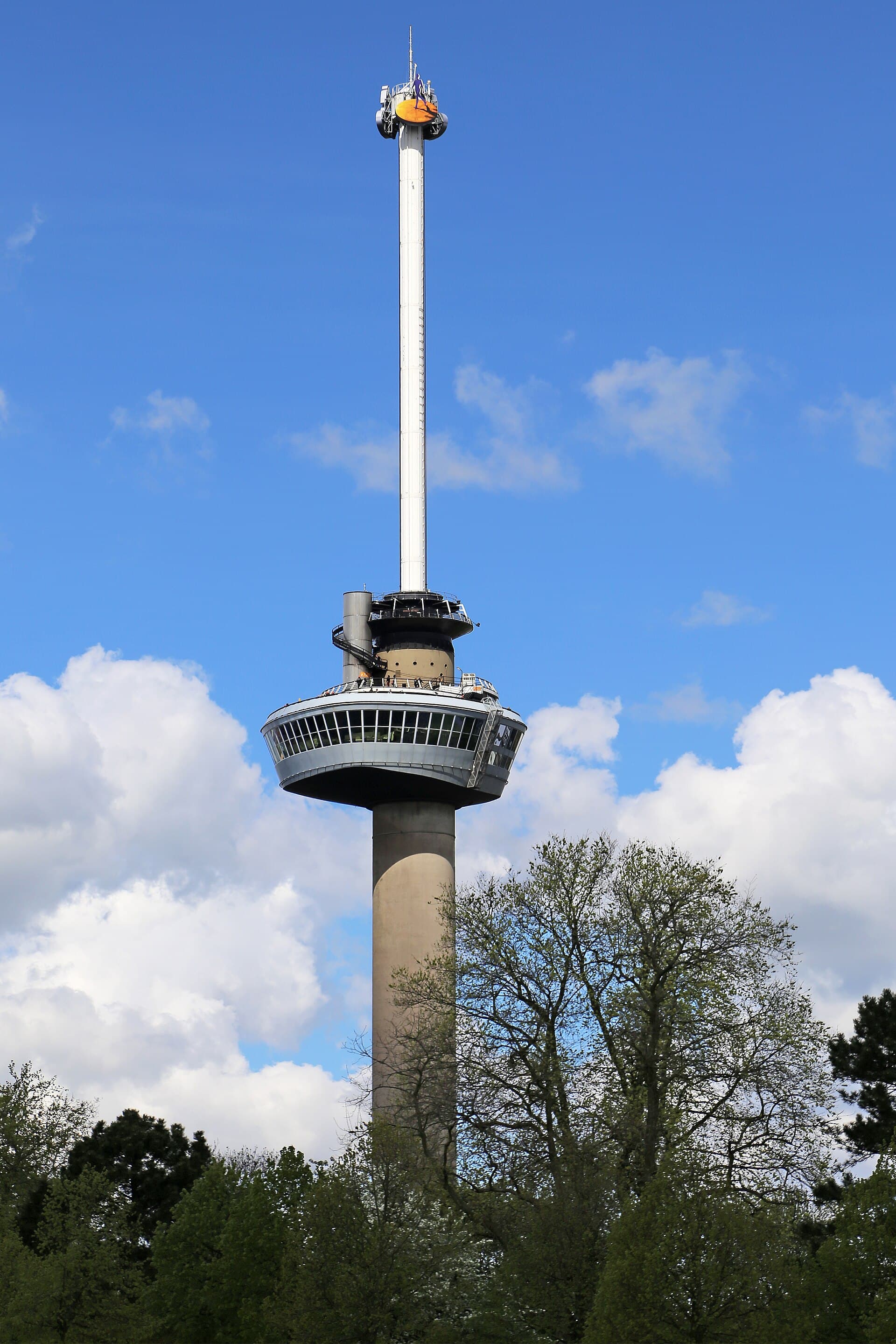 EuromastAn observation tower on the edge of Rotterdam's park, built in the early 1960s a8 minutes walk4.3
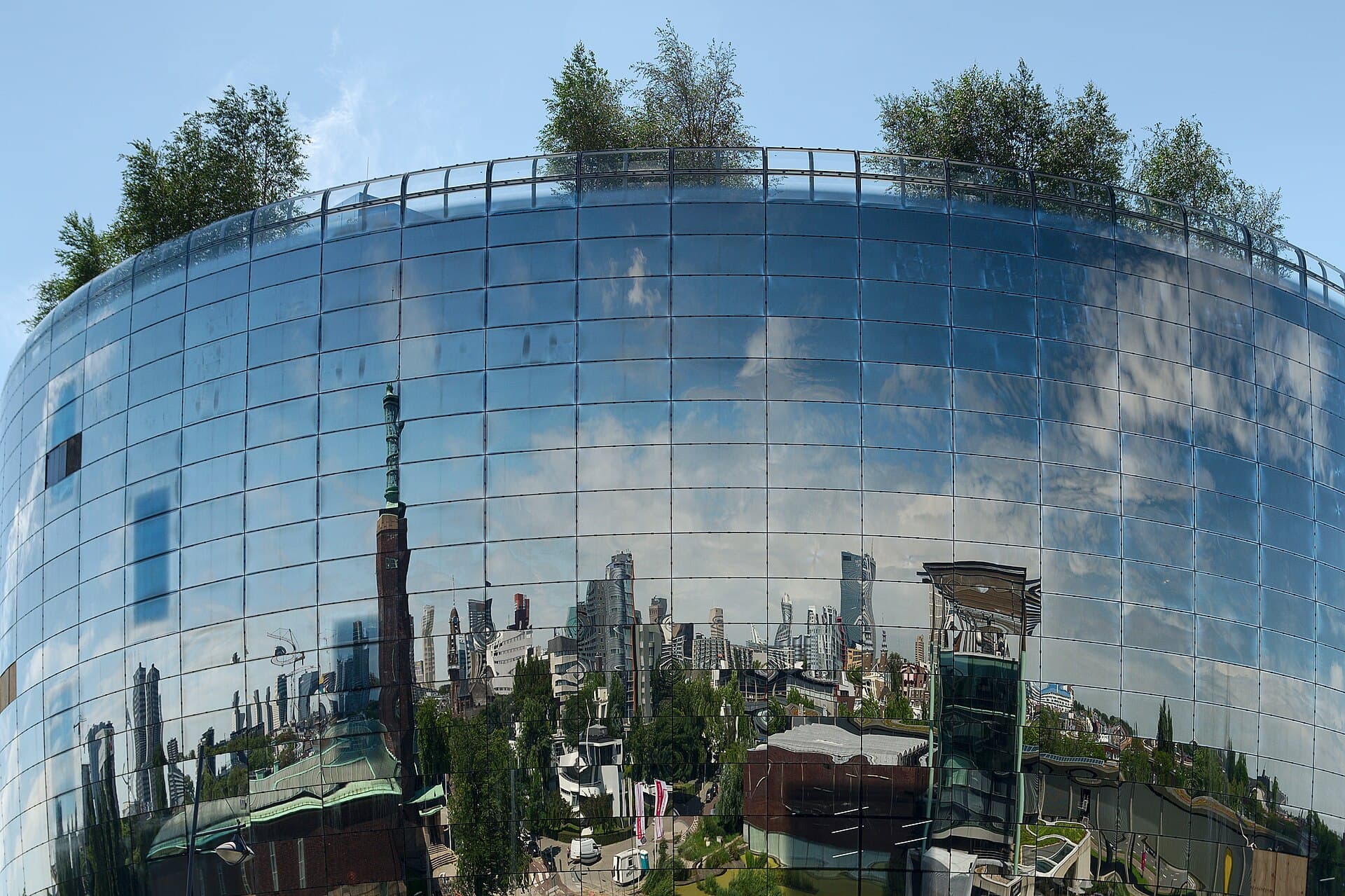 Depot Boijmans Van BeuningenA giant mirror bowl amid the Museumpark — the world's first fully open art depot9 minutes walk4.5
A tax levied in several European countries by counting a house's windows as a proxy for wealth that could be counted from outside. The architectural consequence was direct: people built houses with fewer windows, and others bricked up existing ones — and the traces of those blocked windows are still visible on old facades in the Netherlands and Britain. A classic example of how a tax reshapes what people build.