
A city reconnected
The lines went underground, removing a barrier that split Valencia for a century.
Francesc Fort — CC BY-SA 4.0 · Ron Oliver — CC BY-SA 4.0 · Josu PV — CC BY-SA 4.0 · Josu PV — CC BY-SA 4.0
A large public park south of central Valencia, opened in 2019 on what had been railway yards. That is the story: the rail corridor cut through Valencia and separated its southern districts from the centre for a century. The project moved the lines into a tunnel underground and turned the surface into a park, reconnecting parts of the city that had been severed. The design acknowledges that origin rather than hiding it: old railway buildings — workshops and engine sheds — were restored and absorbed into the park as cultural spaces and cafés, and the long axes follow the former track lines. The park itself is modern: water basins, citrus trees, Mediterranean planting, running paths, playgrounds and shaded areas. Free and open, it is a good example of how European cities are reusing their old infrastructure. It lies near the Estació del Nord and the high-speed rail station, so it folds easily into your arrival or departure day.
The lines went underground, removing a barrier that split Valencia for a century.
Old railway buildings restored into cultural spaces and cafés.
Mediterranean planting, water, running paths and playgrounds.
South of central Valencia, near Estació del Nord
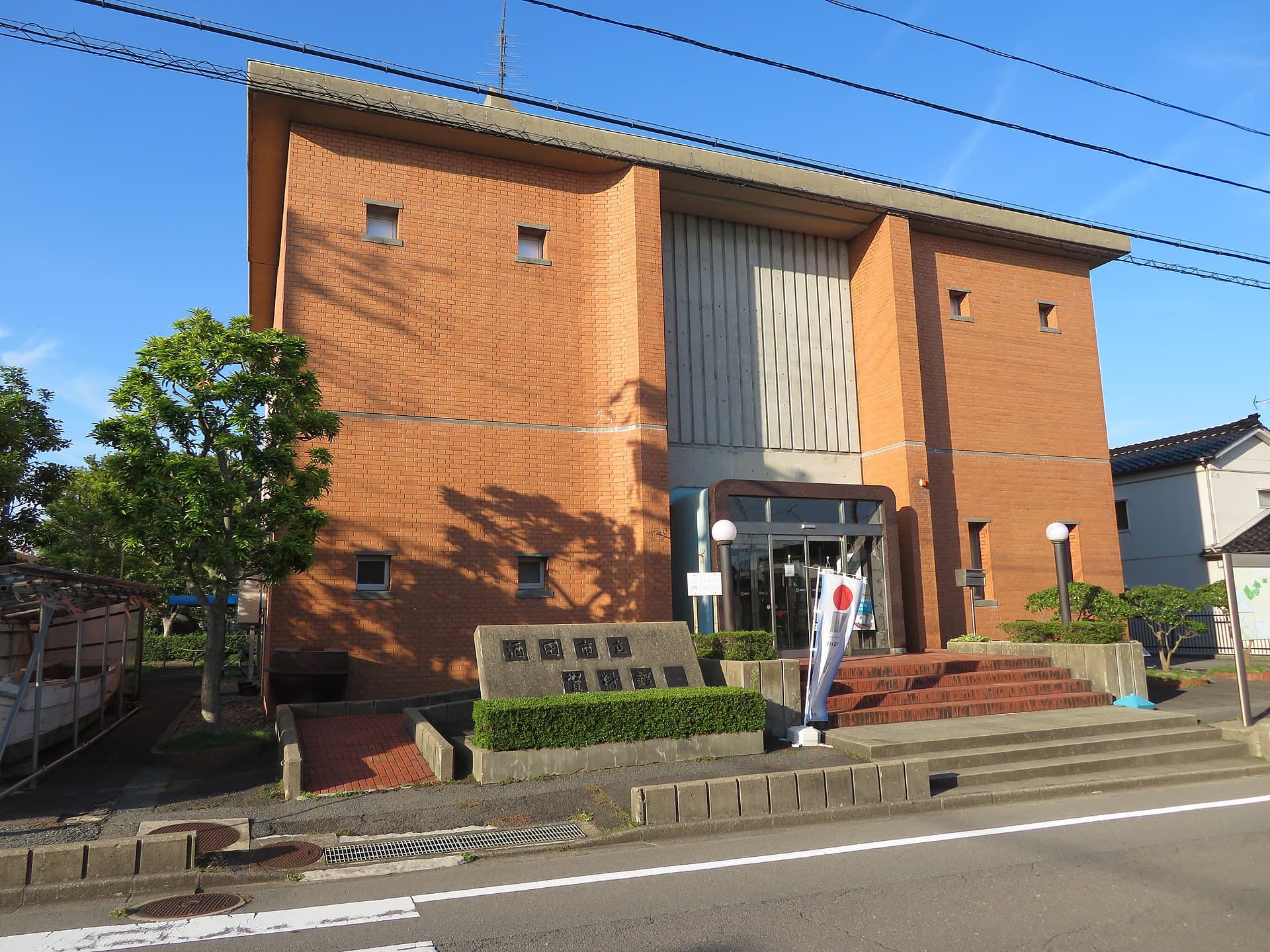 Municipal Historical MuseumA small museum inside Valencia's city hall, keeping the documents and symbols th17 minutes walk4.4
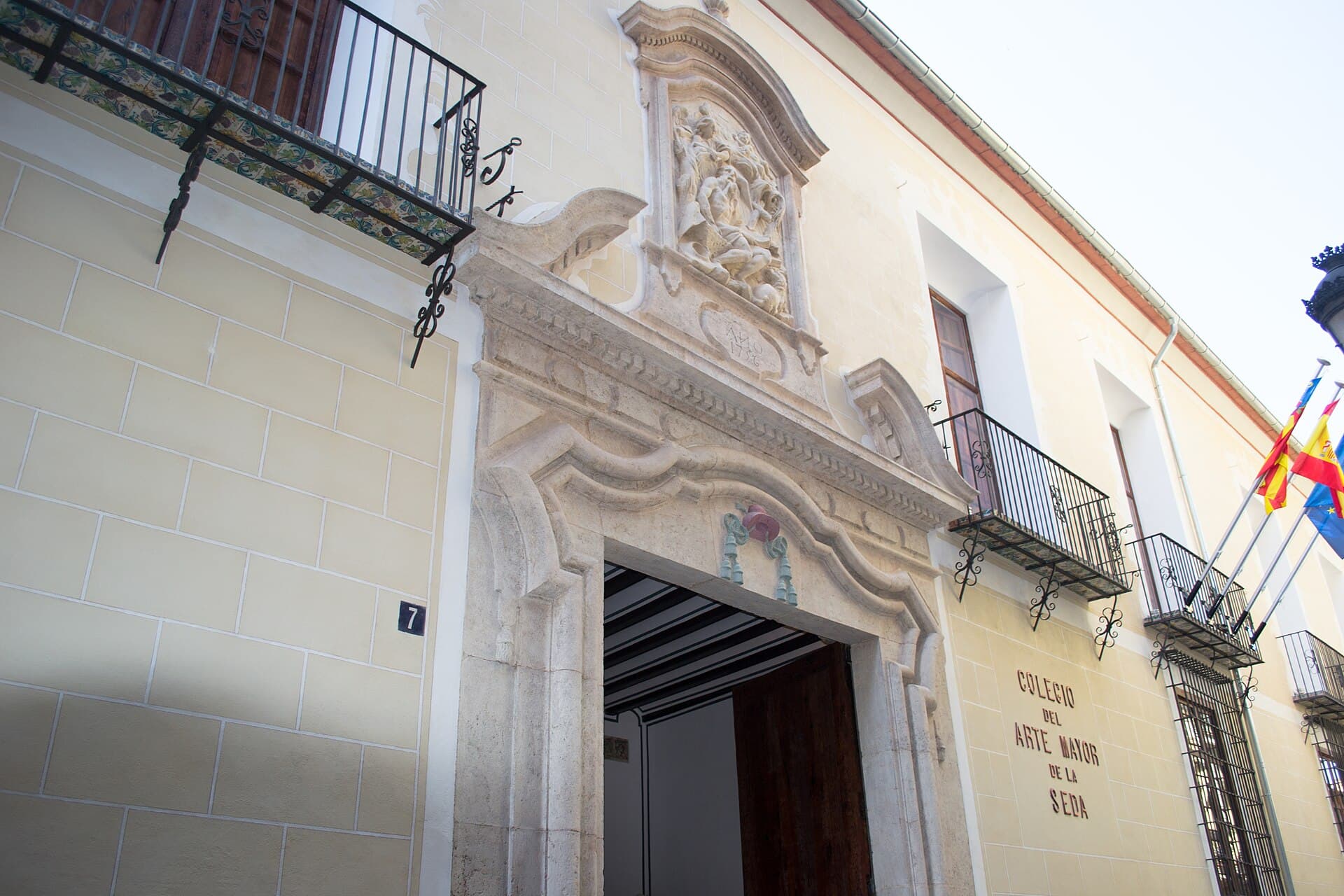 Silk MuseumA museum in the hall of Valencia's silk weavers' guild, a fifteenth-century buil19 minutes walk4.1
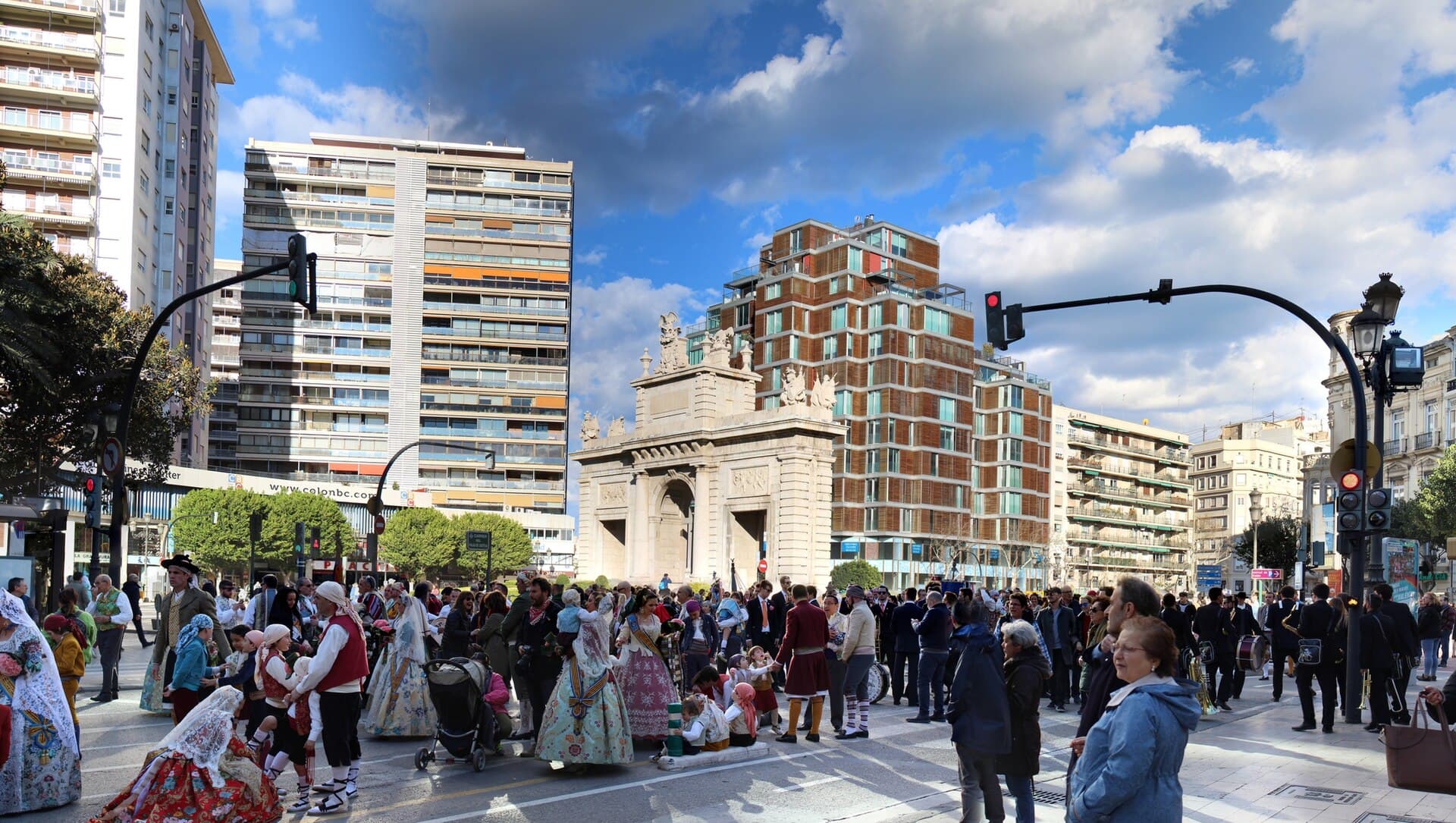 Plaza de la Puerta del MarA square in central Valencia at the southern end of the Turia gardens, holding a19 minutes walk4.6
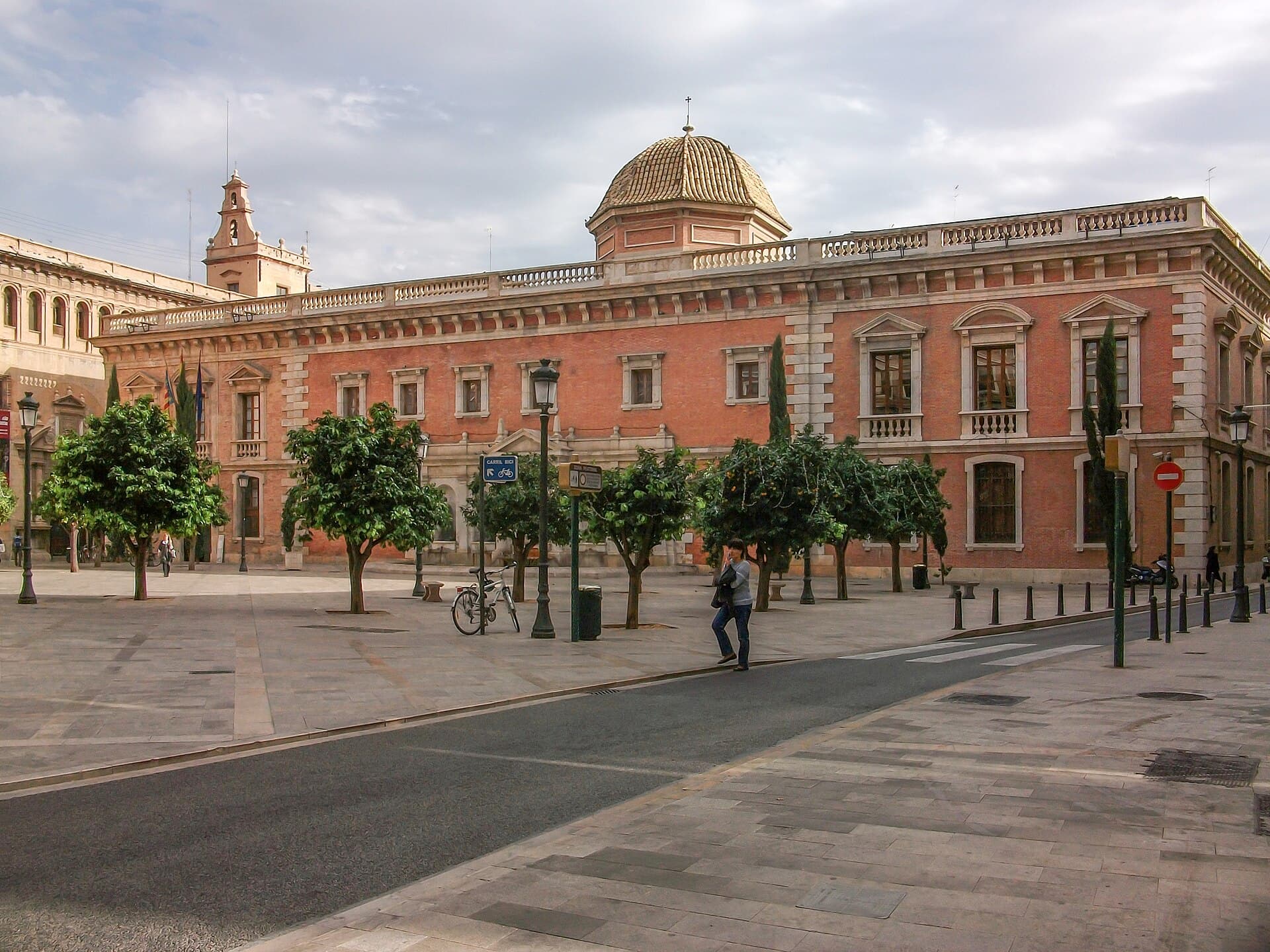 La Nau Cultural CentreThe historic building of the University of Valencia in the city centre, working 21 minutes walk4.7
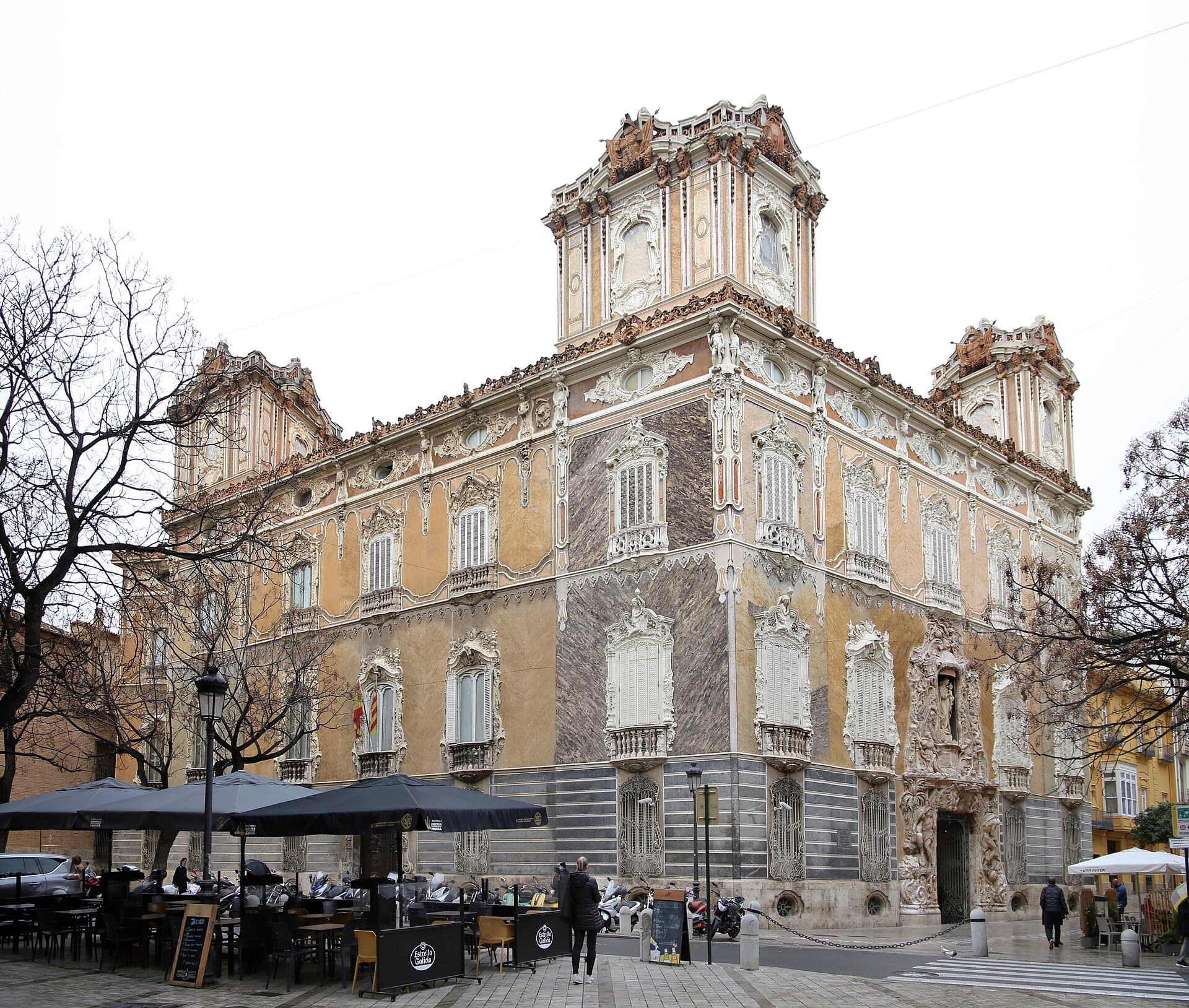 Palacio del Marqués de Dos AguasAn aristocratic palace in central Valencia holding the national museum of cerami22 minutes walk4.4
As a destination in itself no — it is a modern park with no historic monuments. But it is excellent practically: close to both stations, free, wide, with shade and playgrounds. If you have two hours before a train or children who need space, it is the obvious choice in that area.
The Turia is Valencia's old riverbed after the river was diverted, running nine kilometres across the whole city — its best-known green space, ending at the City of Arts and Sciences. Parque Central is smaller, newer, and about railways rather than a river. The Turia comes first if you have one choice.