
The hall of columns
An eighteenth-century ceramic floor representing the four arts — the building's finest feature.
Dorieo — CC BY-SA 4.0 · Dorieo — CC BY-SA 4.0 · Joanbanjo — CC BY-SA 3.0 · Joanbanjo — CC BY-SA 3.0
A museum in the hall of Valencia's silk weavers' guild, a fifteenth-century building that housed one of the most powerful craft guilds in the city. It was restored and opened as a museum in 2016 after years of neglect. Silk is what made Valencia rich in the late Middle Ages, and it is also an industry that reached the peninsula through al-Andalus. At its height thousands of looms worked in the city, and this building was where the craft was regulated: examining weavers, keeping standards and settling disputes. Its most valuable feature is the hall of columns with its eighteenth-century ceramic floor representing the four arts, alongside the guild's records, its looms and its original textiles. The museum completes the UNESCO-listed Lonja de la Seda a few minutes away: that was the silk trading exchange, and this was where the silk was made. Visiting both explains the city's whole economy.
An eighteenth-century ceramic floor representing the four arts — the building's finest feature.
Silk reached the peninsula through al-Andalus before it made Valencia rich.
The Lonja was the silk exchange, this was where silk was made — visit both.
Colegio del Arte Mayor de la Seda, Calle Hospital, old Valencia
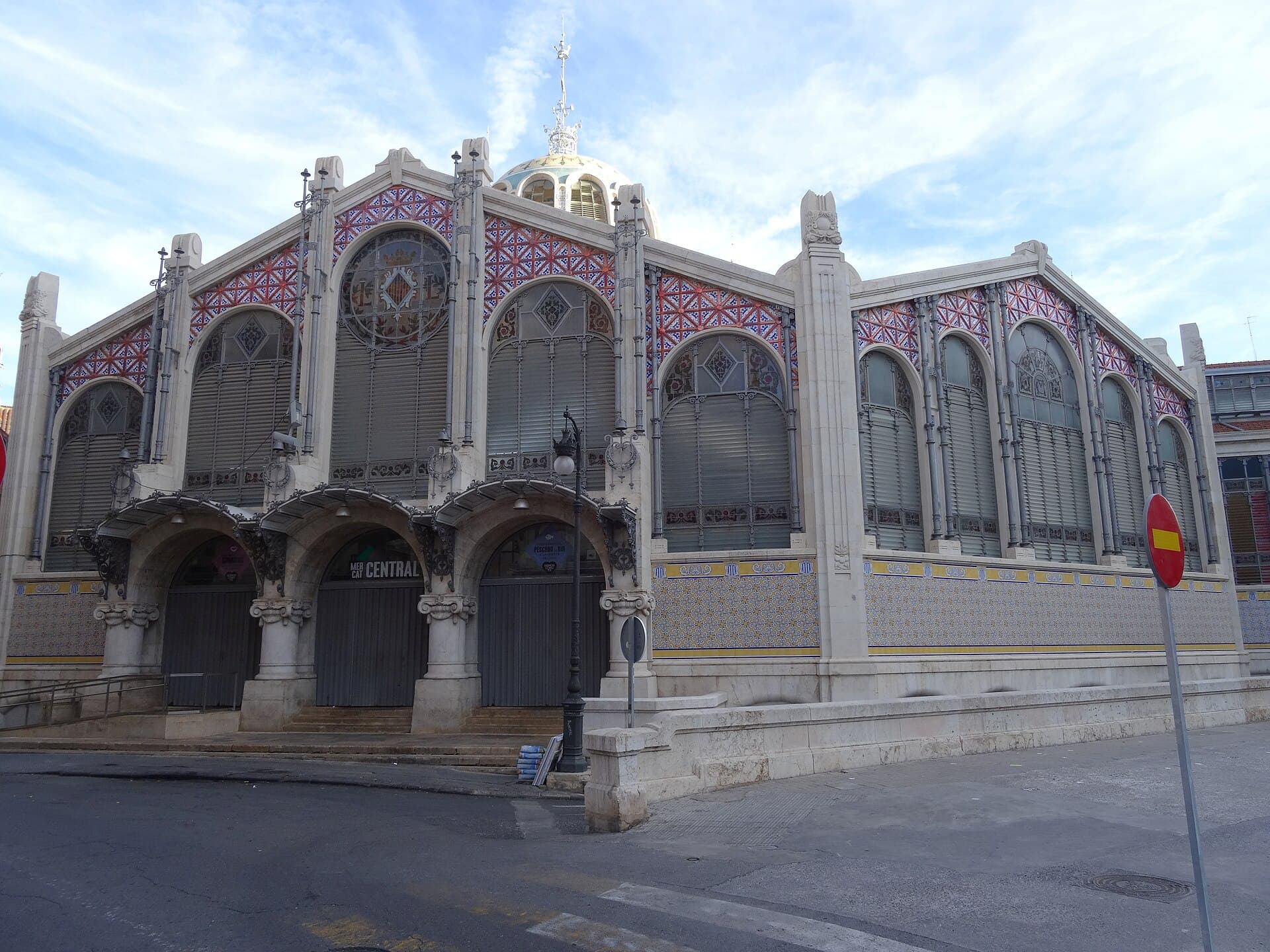 Central MarketValencia's Central Market is near-inarguably Europe's most beautiful food market4 minutes walk4.8
 Municipal Historical MuseumA small museum inside Valencia's city hall, keeping the documents and symbols th4 minutes walk4.4
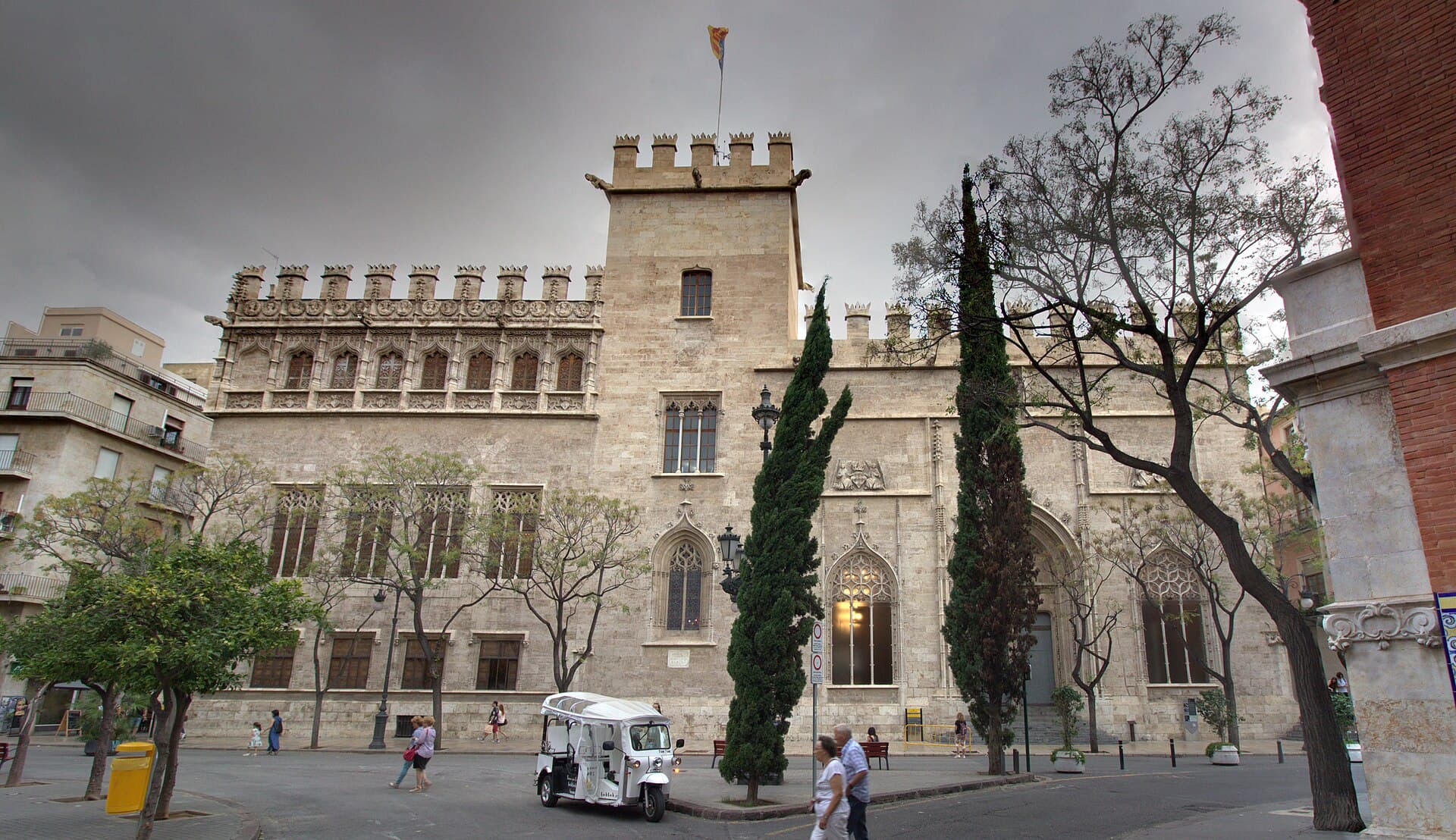 La Lonja de la SedaThe Silk Lonja is Valencia's UNESCO jewel: the merchants' exchange of the fiftee6 minutes walk4.7
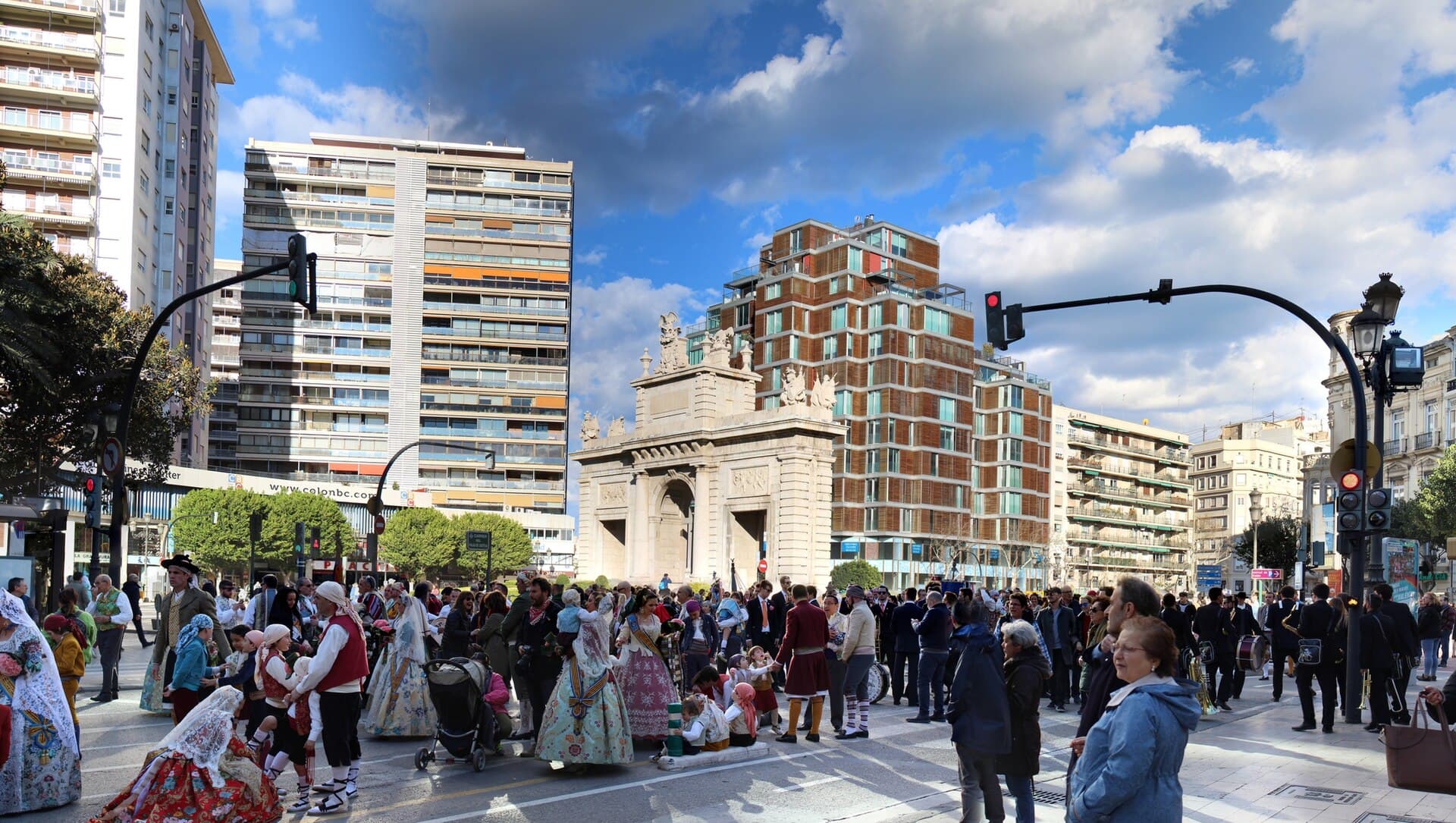 Plaza de la Puerta del MarA square in central Valencia at the southern end of the Turia gardens, holding a6 minutes walk4.6
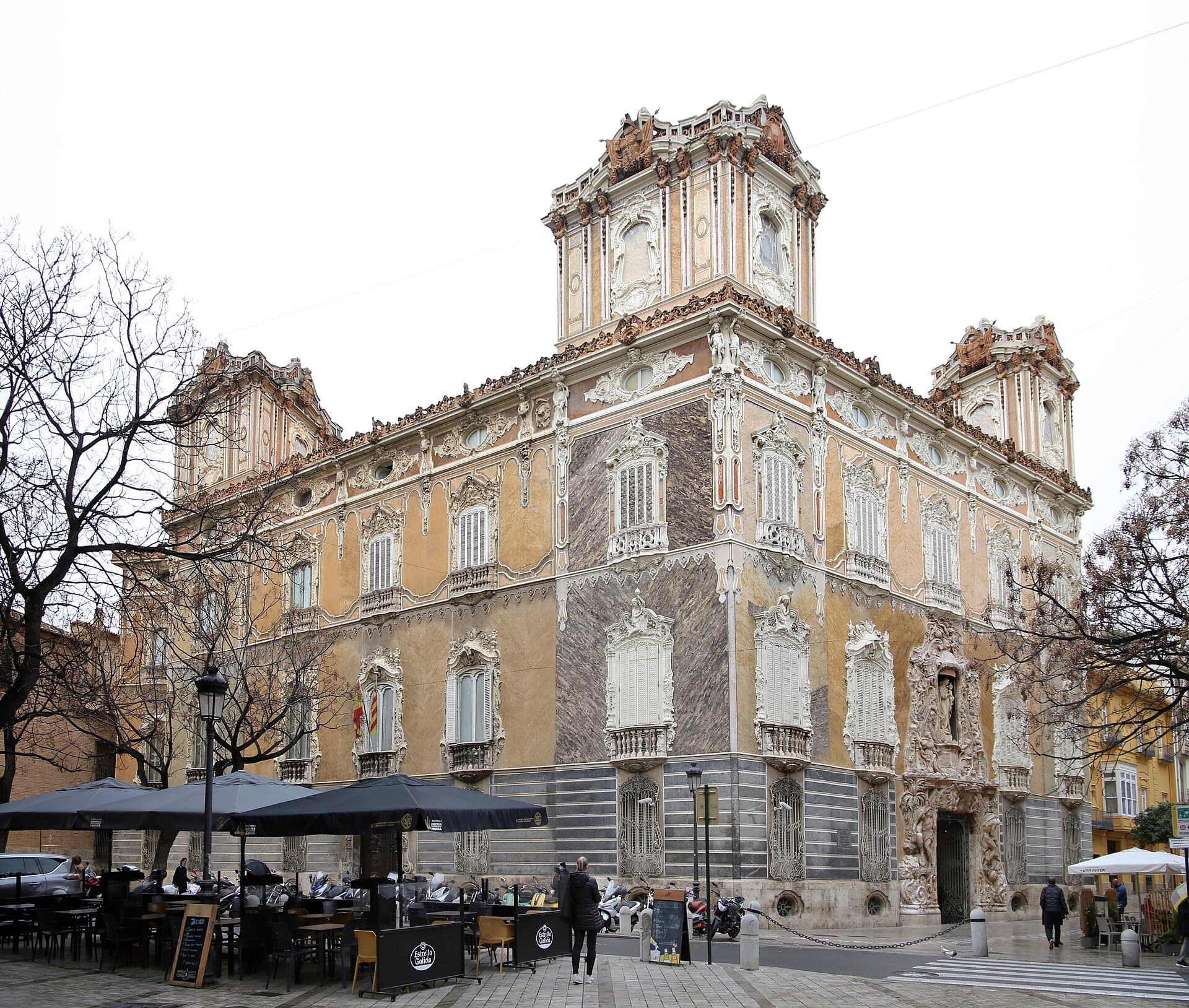 Palacio del Marqués de Dos AguasAn aristocratic palace in central Valencia holding the national museum of cerami7 minutes walk4.4
The Lonja is a UNESCO-listed Gothic building that served as the exchange where silk was sold and contracted. This museum was the guild hall that regulated the craft itself. The first is about trade and the second about making, and they are minutes apart on one walk.
The building and its ceramic floor stand on their own, and the economic story explains why old Valencia looks as it does. But with two days in the city the Lonja, the cathedral and the central market come first.