
Burle Marx gardens
Modernist design.
Rodrigo Soldon from Rio de Janeiro, Brazil — CC BY 2.0 · Wellyngton Nunes — CC BY-SA 3.0 · Victor Hugo Viviani — CC BY-SA 4.0 · Rodrigo Pereira da S… — CC BY-SA 3.0
Flamengo Park, also called the Aterro do Flamengo, is Rio de Janeiro's largest public park and is described as the world's largest urban seaside park, about 120 hectares of reclaimed land on Guanabara Bay between the city centre and Botafogo. Lota de Macedo Soares had the idea, the architect Affonso Eduardo Reidy designed it, and the renowned landscape designer Roberto Burle Marx laid out its modernist gardens; it was completed in 1965. The park holds the Rio Museum of Modern Art, the Carmen Miranda Museum and the Monument to the Dead of World War II with its modernist sculptures. It is the city's sporting heart, with courts and running and cycling paths along the water, and marathons start and finish here. The park is free and open, its bayside paths have a clear view of Sugarloaf, and early morning and sunset are the best times.
Modernist design.
Run and cycle.
Across the water.
On Guanabara Bay between central Rio and Botafogo, Rio de Janeiro
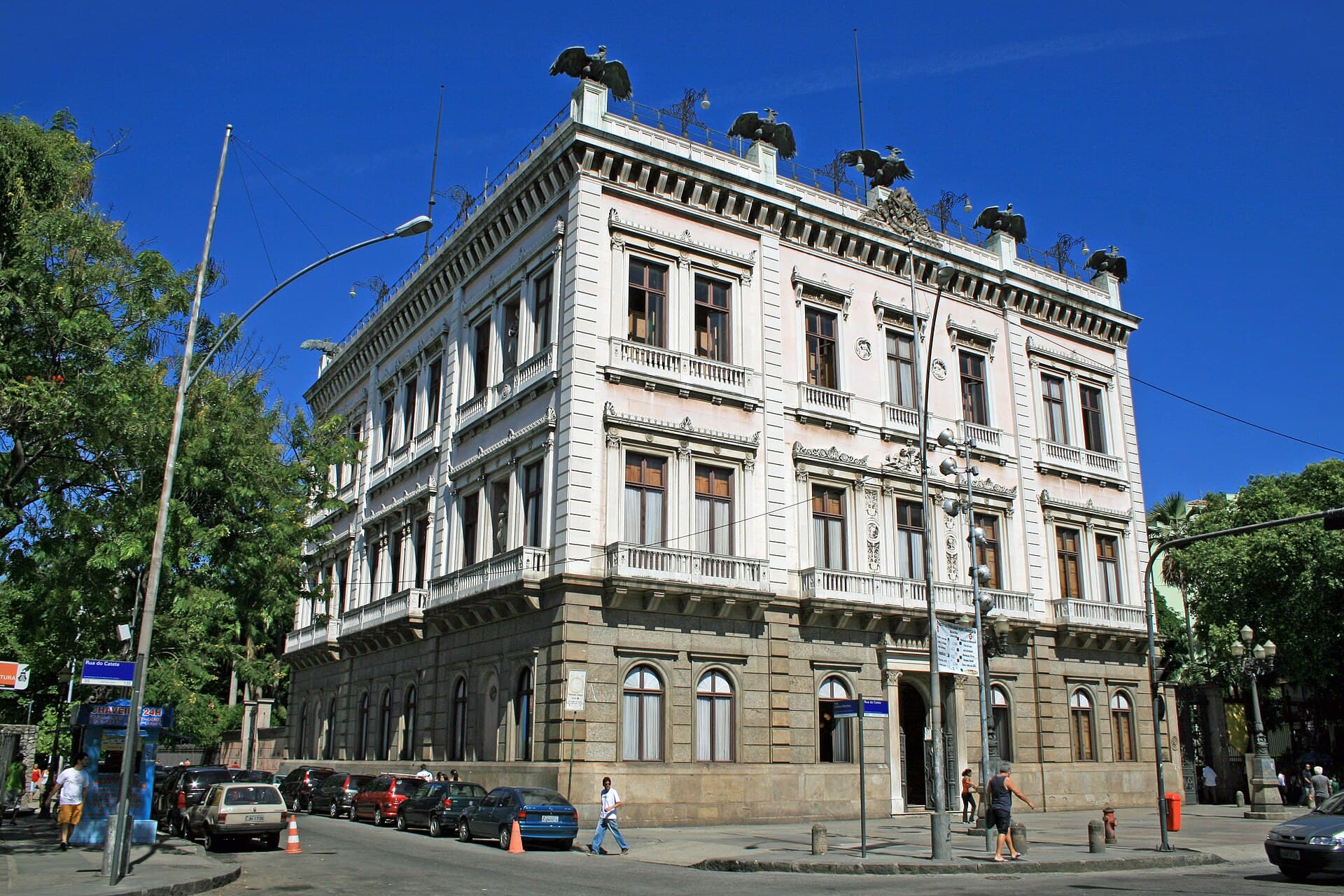 Catete Palace (Museum of the Republic)The Catete Palace, built between 1858 and 1867 in Flamengo for the Baron of Nova8 minutes walk4.9
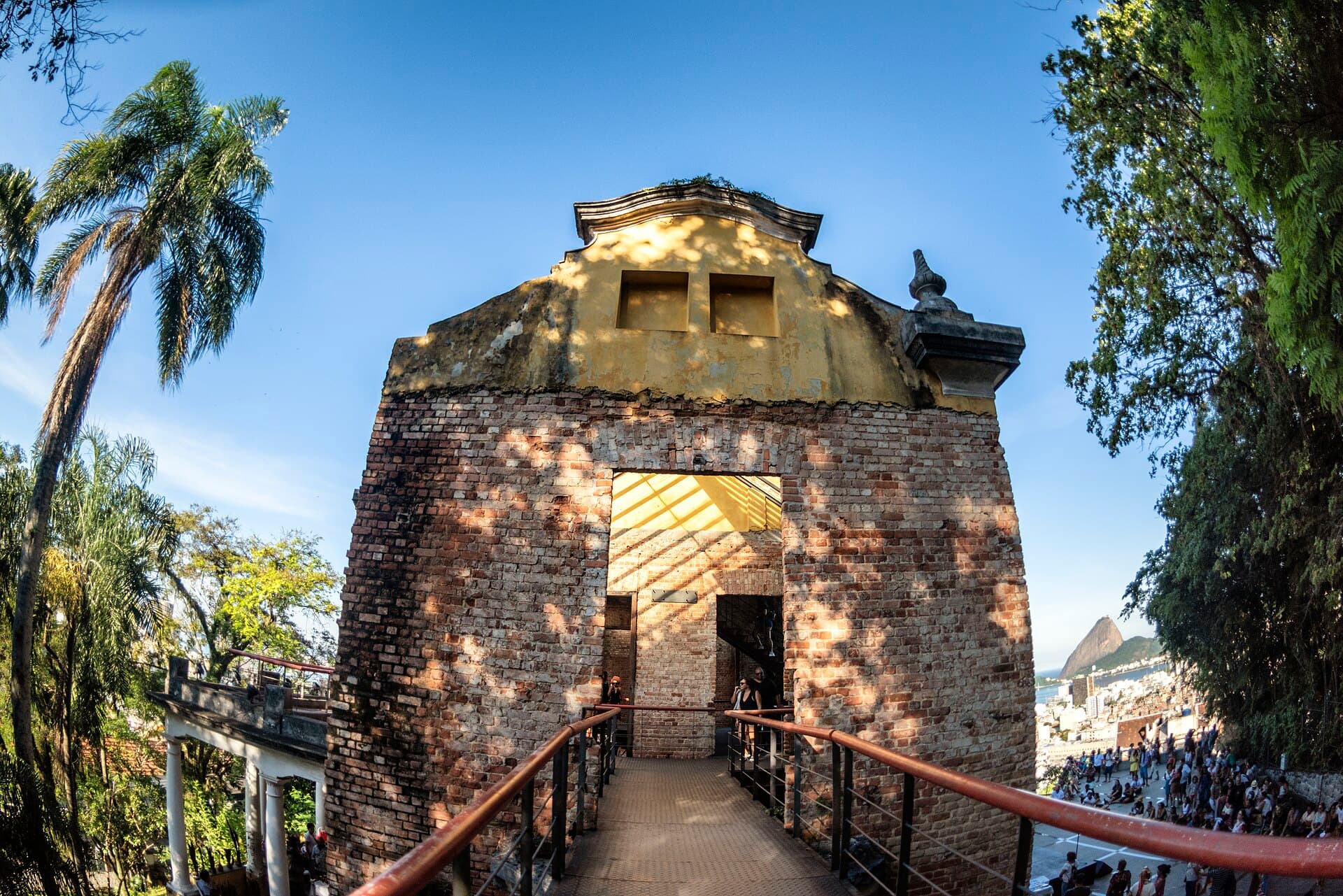 Parque das RuínasParque das Ruínas in Santa Teresa is a cultural centre built into the ruins of t21 minutes walk4.8
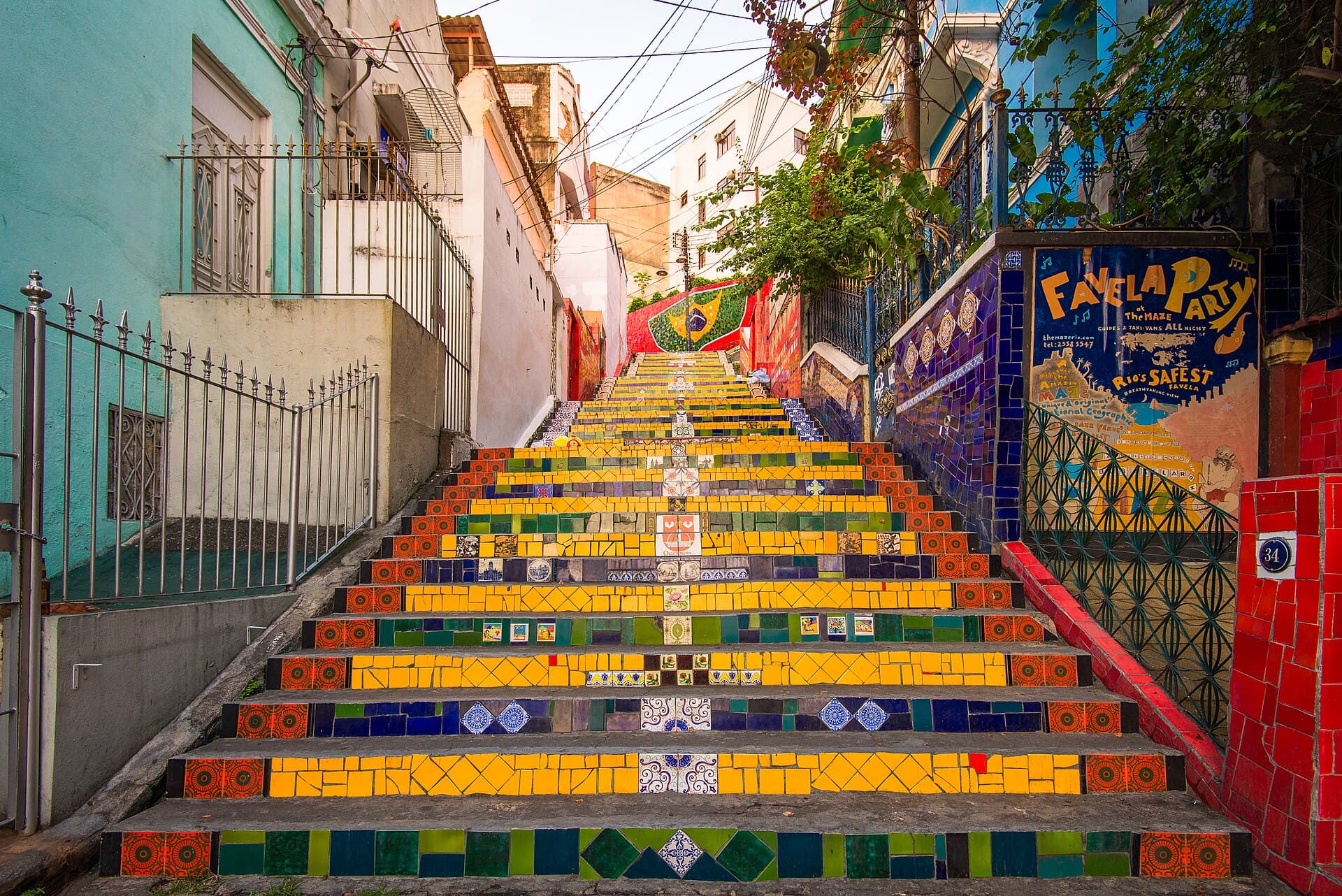 Selarón StepsThe Selarón Steps are a stairway of 215 steps, 125 metres long, climbing from La22 minutes walk4.7
Walk, run and cycle the bay paths, visit the Museum of Modern Art and the Carmen Miranda Museum, and look across to Sugarloaf; the park is free.