
Palace gardens
Ponds and palms.
Halley Pacheco de Oliveira — CC BY-SA 3.0 · Tiago Melo — CC BY 2.0 · Eduardo P — CC BY-SA 3.0 · TMbux — CC BY-SA 3.0
The Catete Palace, built between 1858 and 1867 in Flamengo for the Baron of Nova Friburgo, a Portuguese-born coffee grower, was the seat of Brazil's federal government from 1897 until 1960, when the capital moved to Brasília. Many events of the Republic took place in its halls, including the death of President Afonso Pena in 1909 and that of President Getúlio Vargas in 1954. Today it houses the Museum of the Republic. Its gardens, designed by Roberto Burle Marx, with artificial ponds, imperial palms and an outdoor café, are open daily 8:00-18:00 and free. The palace opens Wednesday to Sunday 11:00-17:00 (entry until 16:30), free, but it is only partly open while structural surveys continue, with visits currently limited to the ground floor.
Ponds and palms.
Political history.
19th-century grandeur.
Rua do Catete 153, Rio de Janeiro
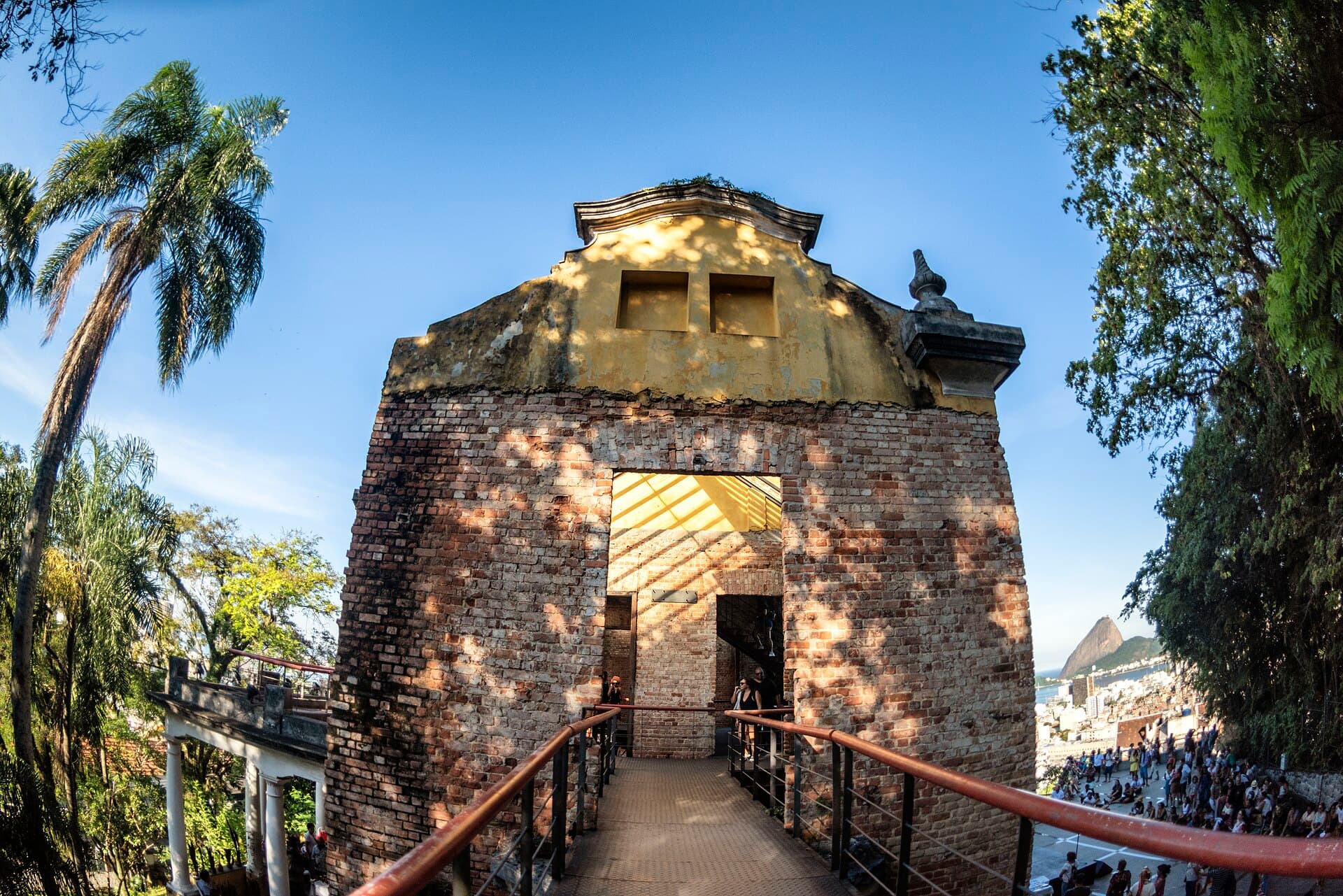 Parque das RuínasParque das Ruínas in Santa Teresa is a cultural centre built into the ruins of t14 minutes walk4.8
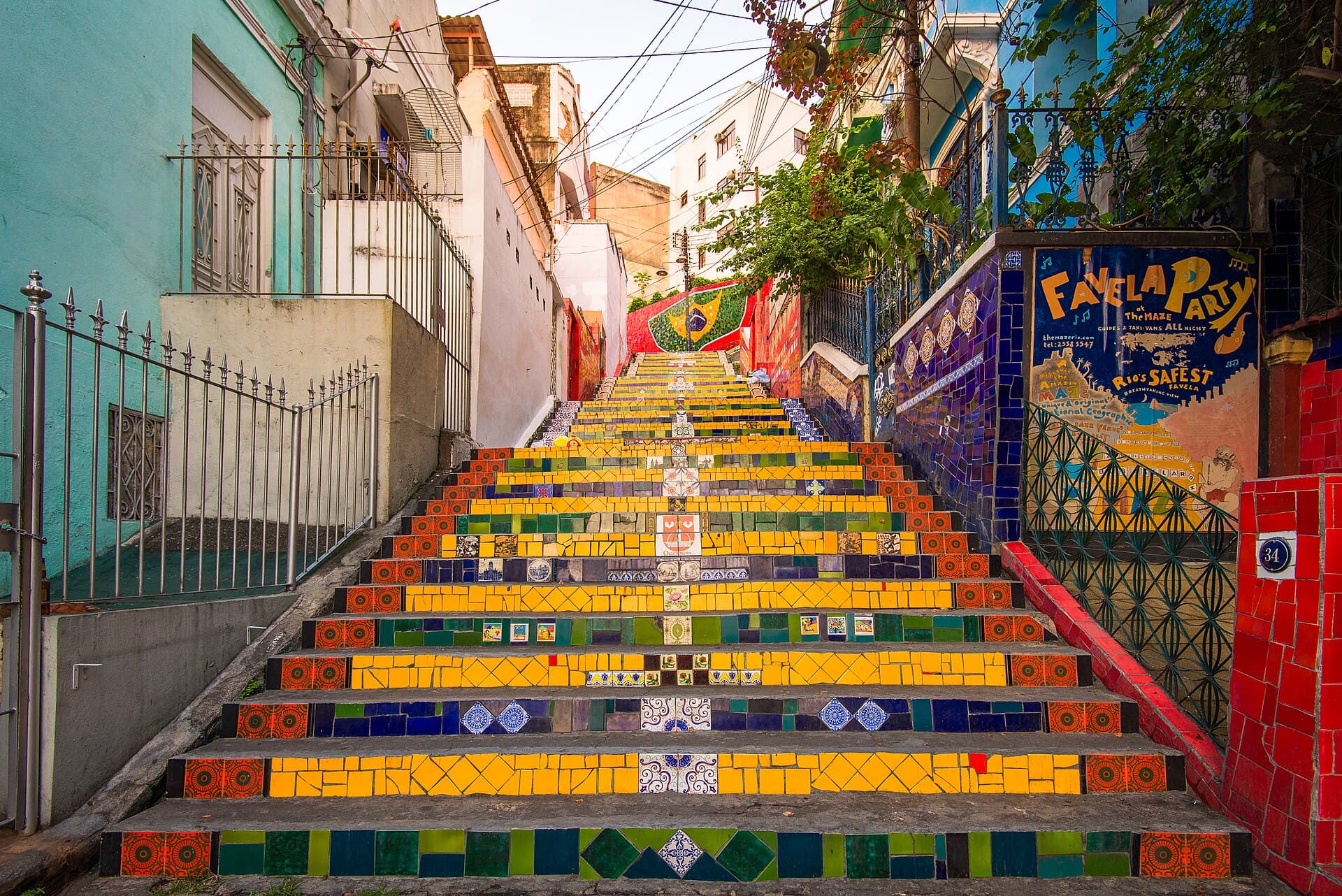 Selarón StepsThe Selarón Steps are a stairway of 215 steps, 125 metres long, climbing from La15 minutes walk4.7
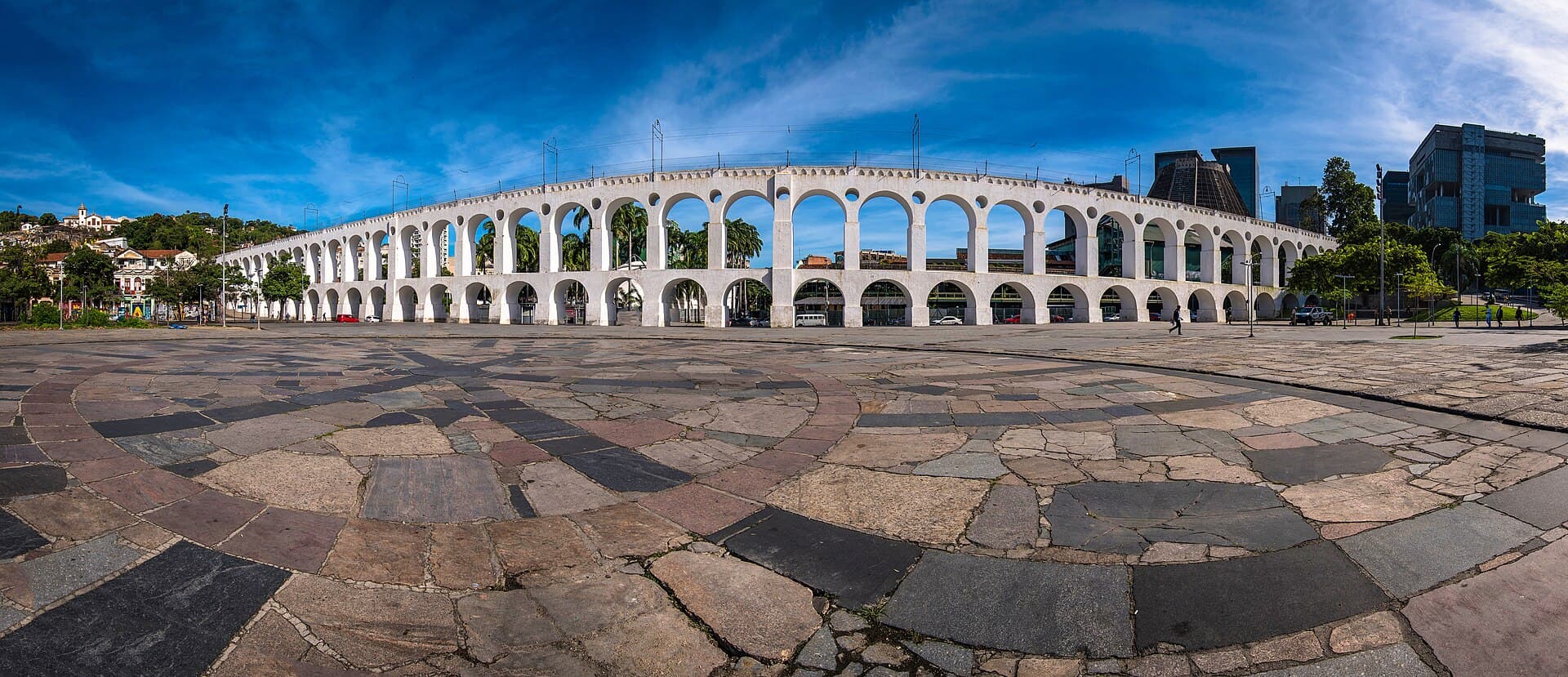 Lapa Arches (Carioca Aqueduct)The Lapa Arches are the best-known surviving part of the Carioca Aqueduct, built19 minutes walk4.3
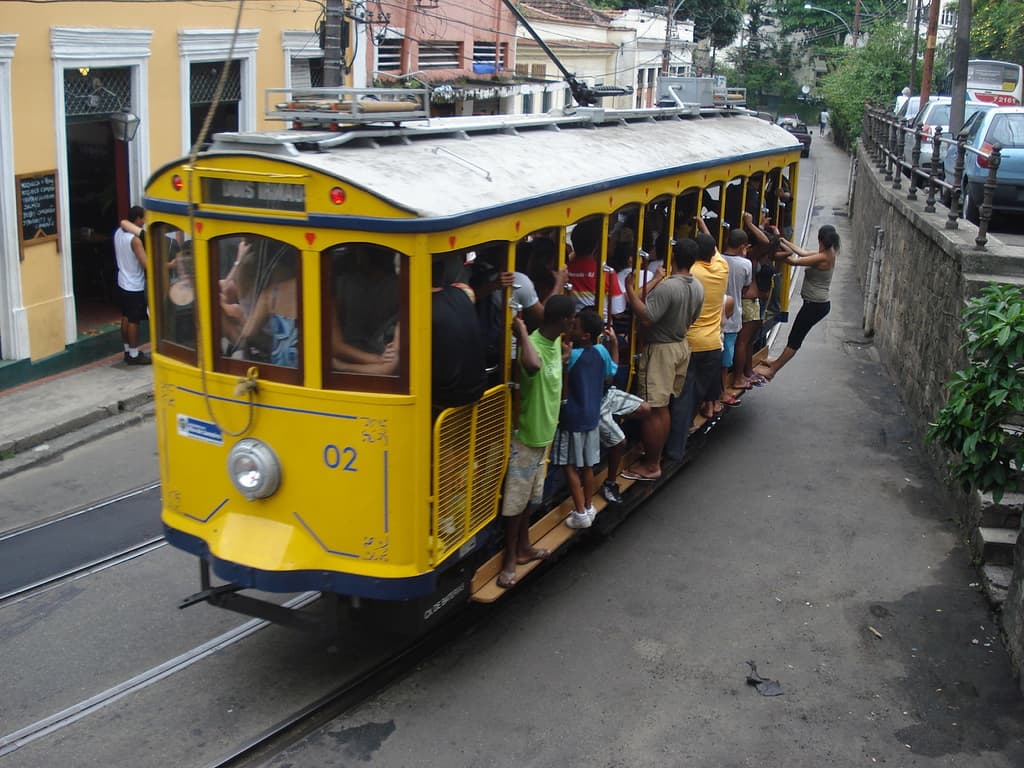 Santa Teresa Tram (Bondinho)The Santa Teresa Tram, the yellow bondinho, is a historic tram line climbing fro22 minutes walk4.4
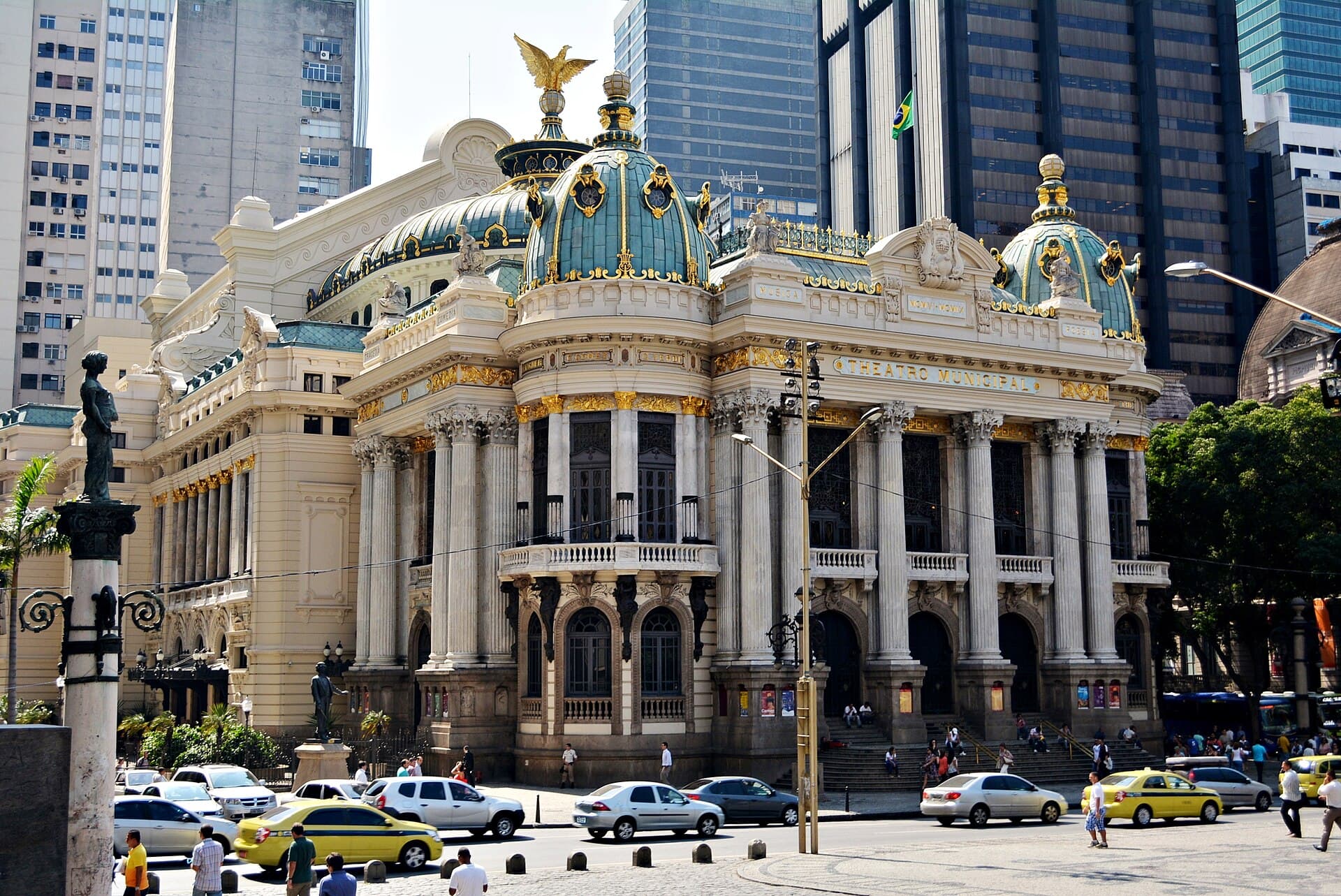 Theatro Municipal, Rio de JaneiroThe Theatro Municipal is one of Brazil's most beautiful and important theatres, 23 minutes walk4.9
No, it is partly open during structural surveys, with visits limited to the ground floor; the gardens are open daily and free.