
The Tanners' House
The quarter's most famous house, roofs once open for drying hides — now a waterside restaurant.
Gzen92 — CC BY-SA 4.0 · Dietmar Rabich — CC BY-SA 4.0 · Myrabella — CC BY-SA 3.0 · JoachimKohler-HB — CC BY-SA 4.0
'Little France' is the quarter Strasbourg gets photographed from: sixteenth- and seventeenth-century half-timbered houses with huge sloping roofs, leaning over the channels of the Ill where the tanners, millers and fishermen worked — the tall open roofs were for drying hides. Today it is the heart of the UNESCO-listed Grande Île: cobbled lanes, small bridges and weirs, Alsatian restaurants filling the old houses, geranium balconies over the water. Its finest corners are Place Benjamin-Zix, the Pont Saint-Martin and the Tanners' House. Walking it without a map is the correct method — the quarter is small enough to circle in half an hour, and worth twice that in stops, photographs and a sit by the water.
The quarter's most famous house, roofs once open for drying hides — now a waterside restaurant.
The quarter's heart, cafés beneath the timbered houses.
Water splitting and rushing under little bridges — the quarter's constant music.
Petite France quarter, 67000 Strasbourg
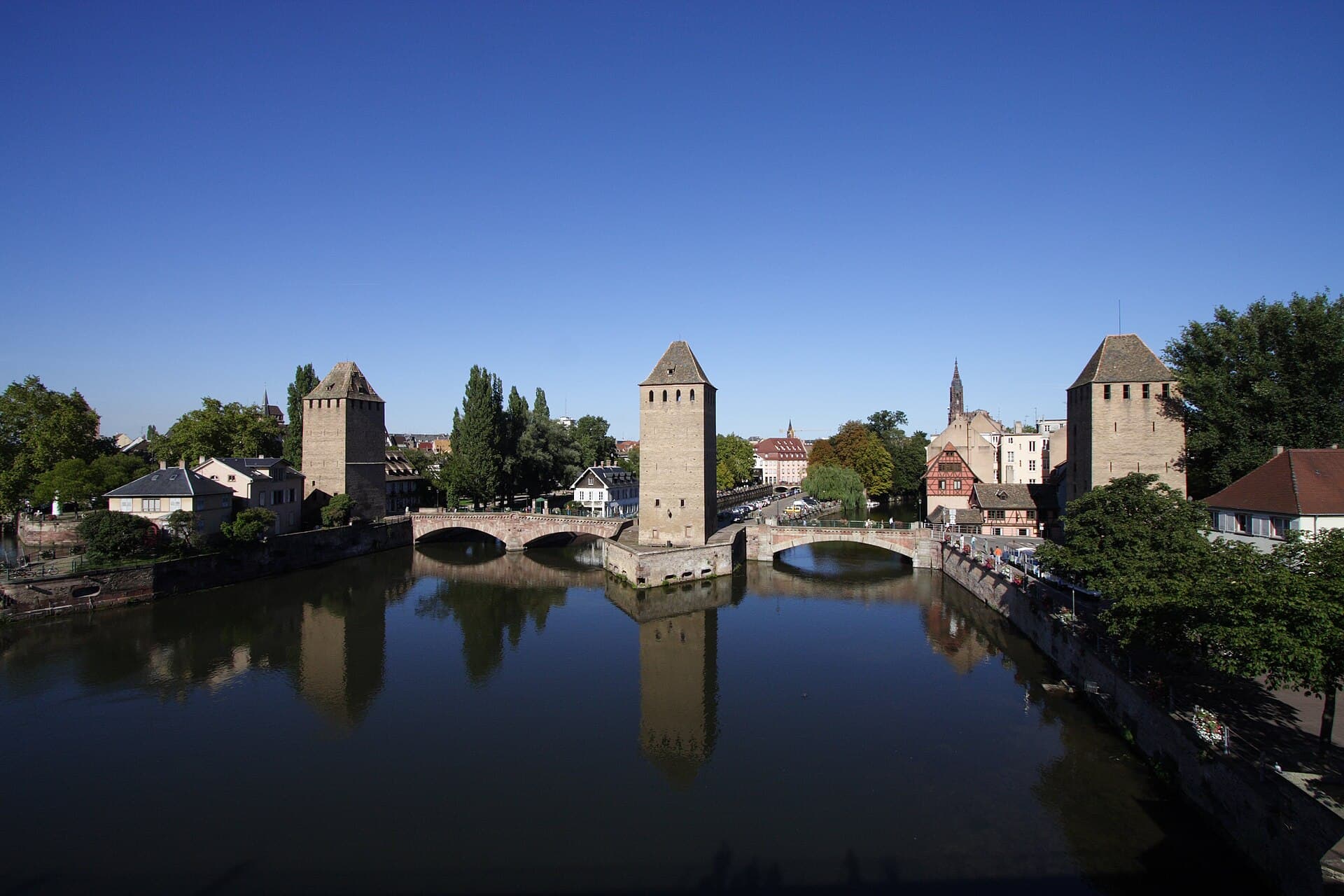 Ponts CouvertsThe Ponts Couverts are three bridges crossing the Ill's four arms at the entranc1 minute walk4.8
 Place Benjamin-ZixA small square in the heart of the Petite France, ringed by Alsatian houses with2 minutes walk4.6
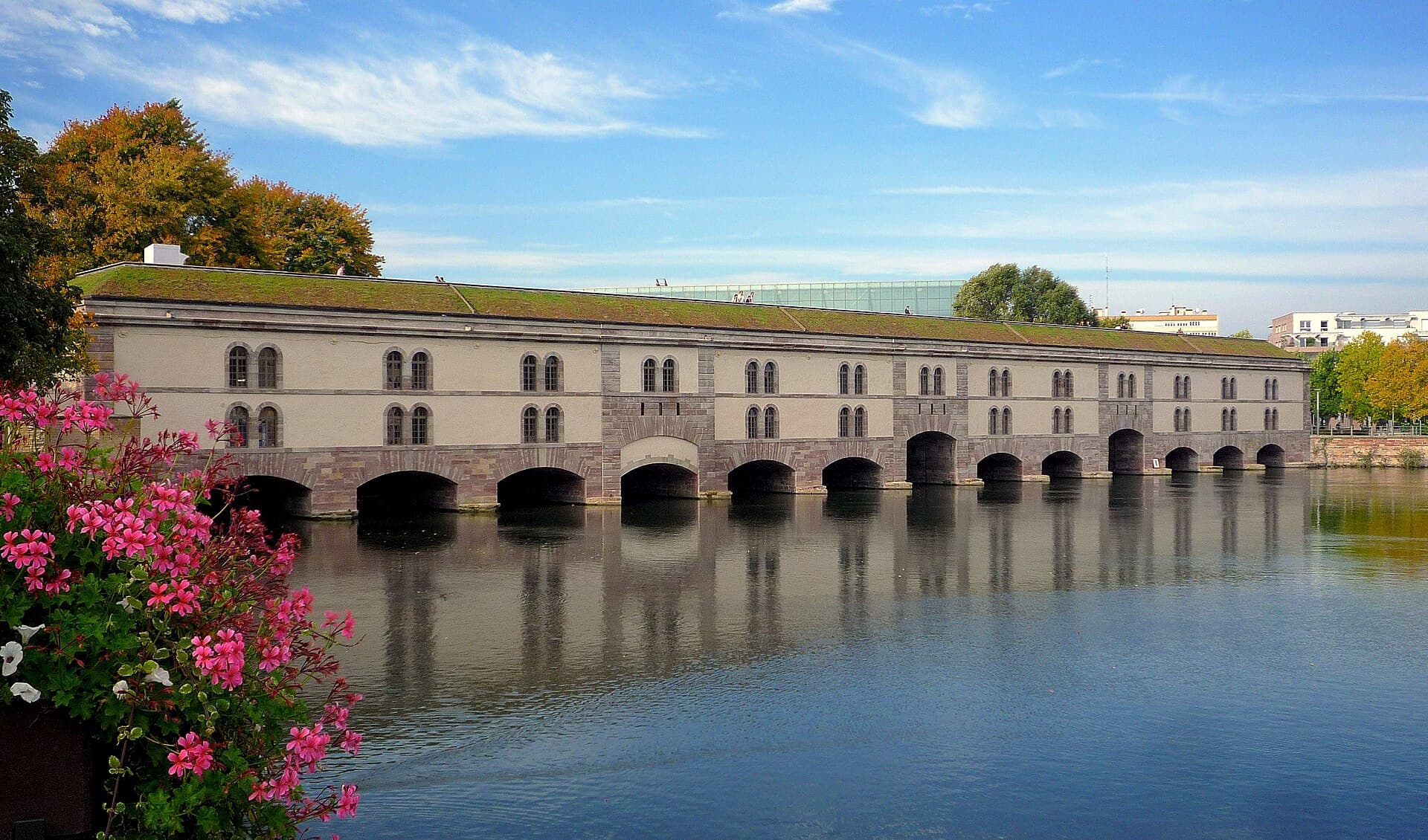 Barrage VaubanThe Barrage Vauban is a stone bridge-dam built by Louis XIV's famous military en3 minutes walk4.7
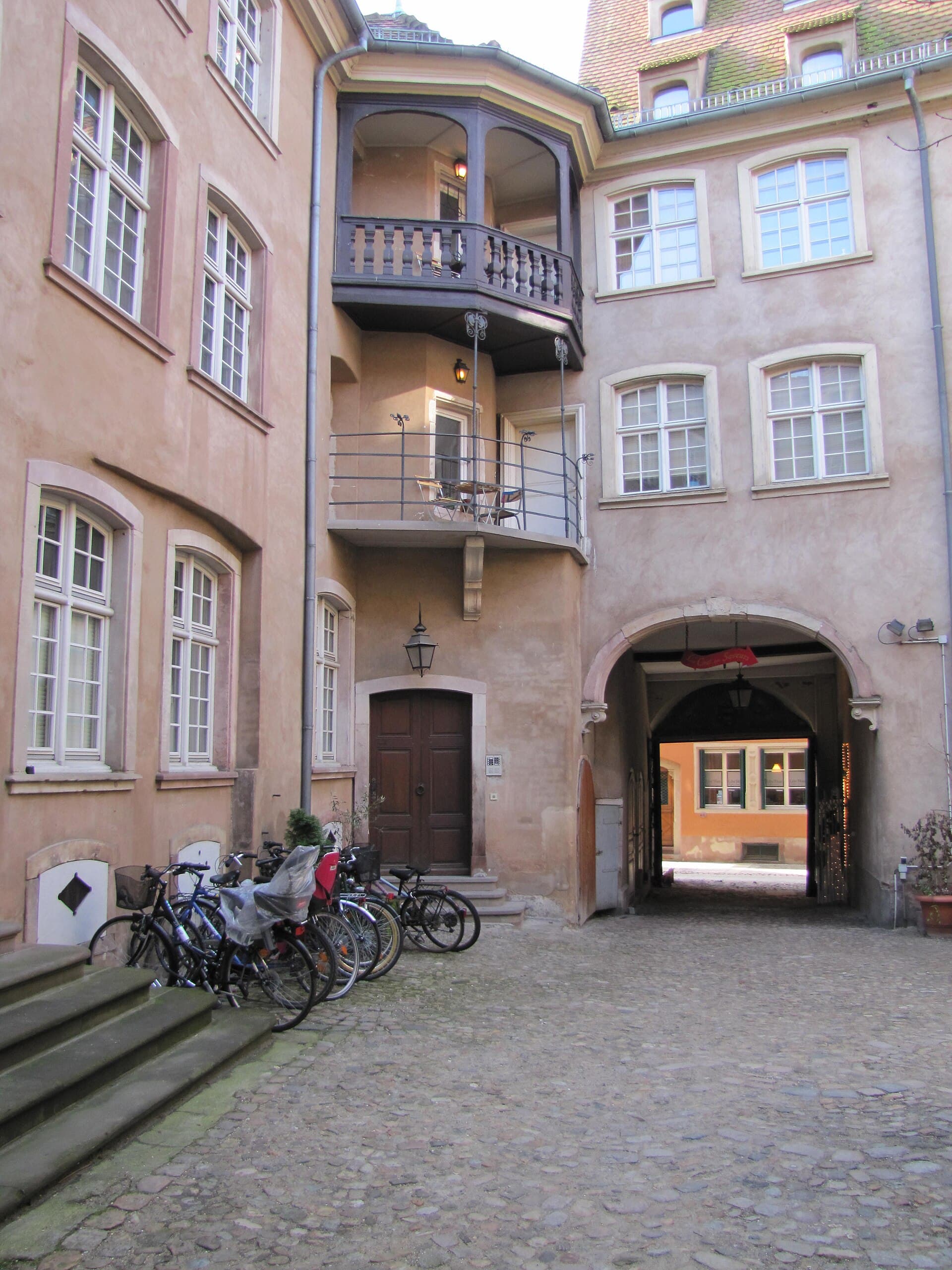 Hôtel de RathsamhausenA historic town mansion near the Petite France, built for the noble Alsatian fam3 minutes walk4.4
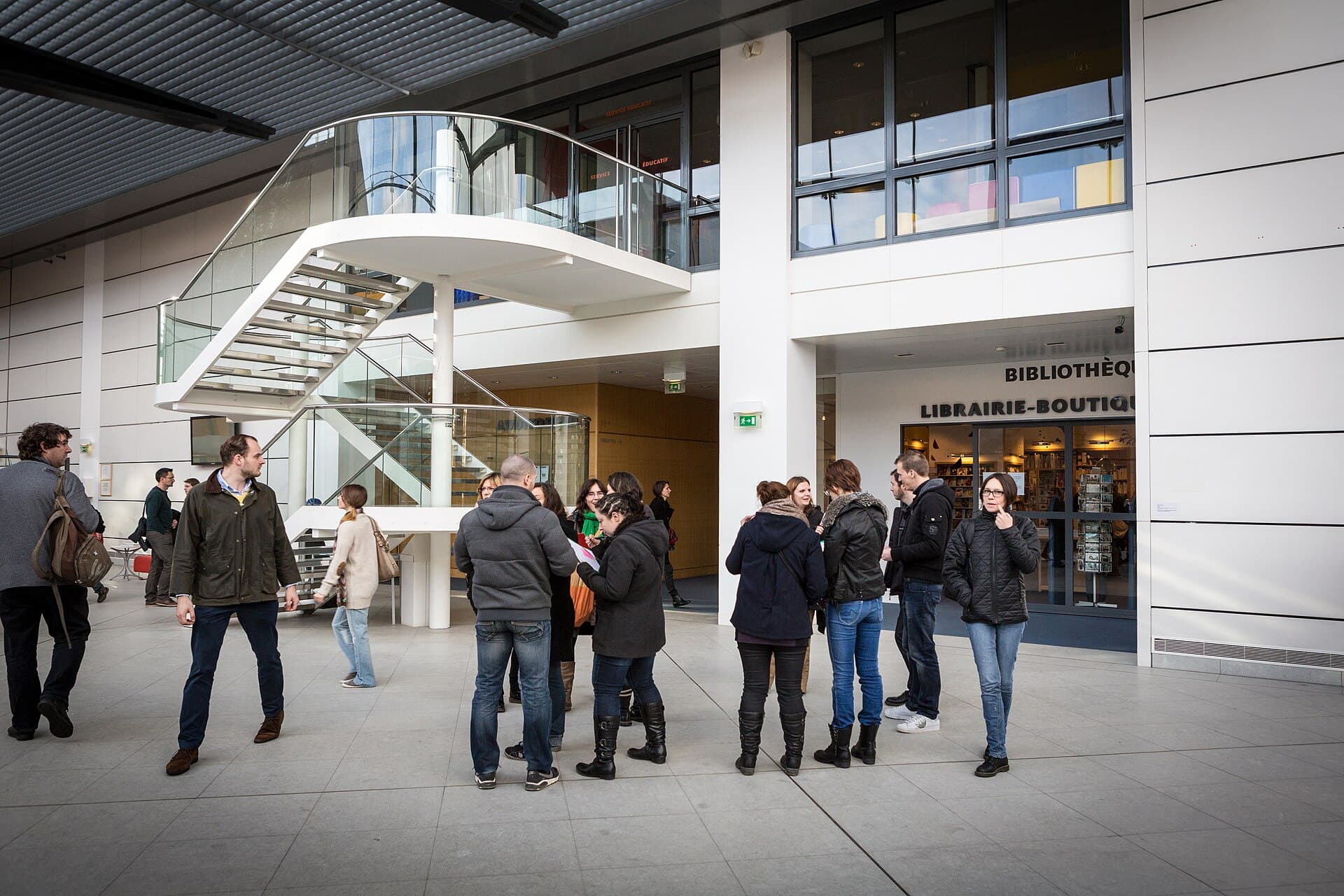 Museum of Modern and Contemporary ArtA large museum of modern and contemporary art in a glass building on the bank of4 minutes walk4.5
The name is less romantic than its picture: it comes from a sixteenth-century hospital here for patients of the 'French disease', as Germans then called it. History moves on, the pretty name stays — most visitors never learn the origin, perhaps for the best.
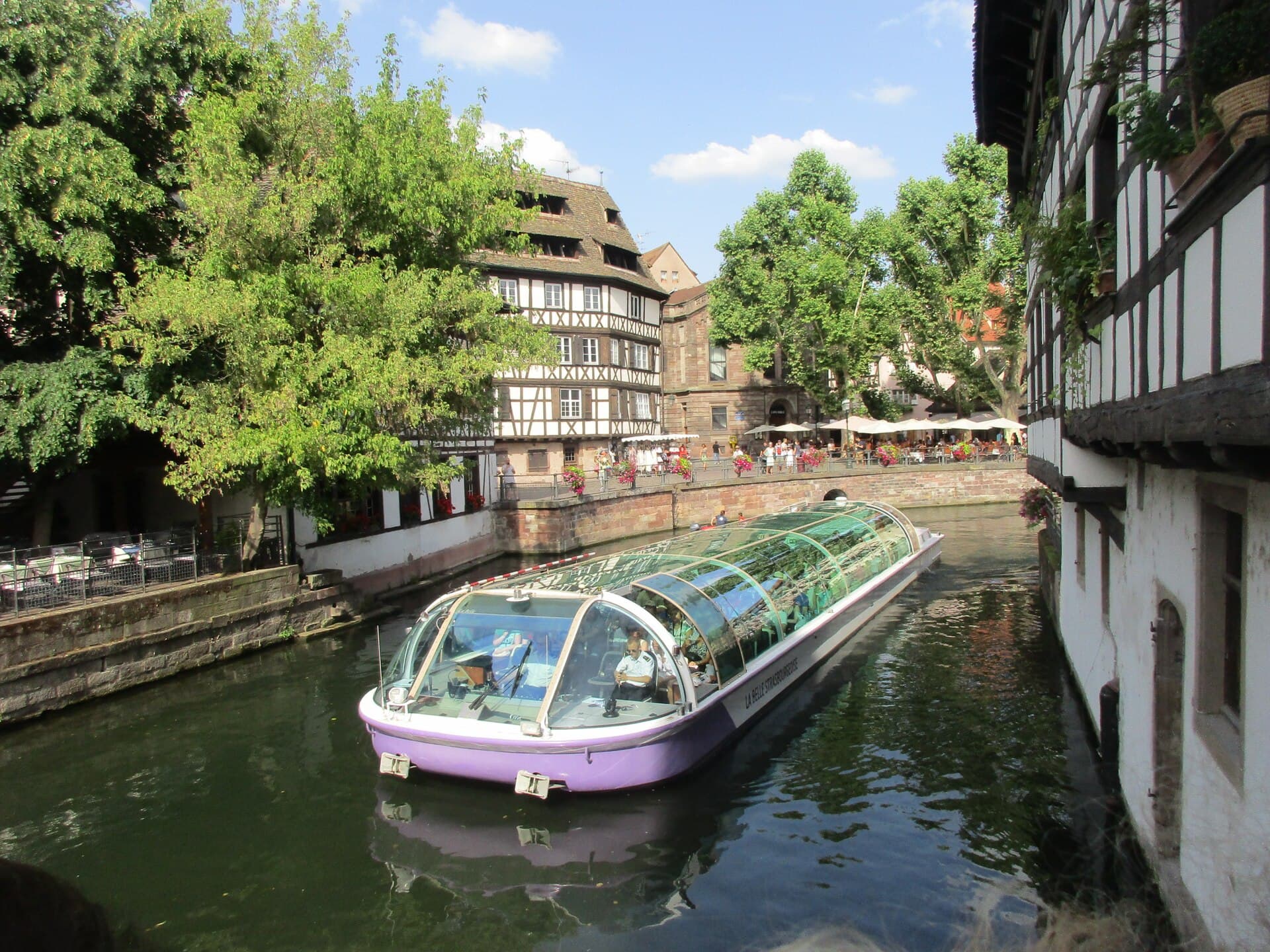
They complement: the covered boat gives quarter and city from the water in comfort (locks included — the children's favourite), the walk gives you the pauses and corners. If only one: walk here, and save the boat for a tired or wet day.
The old houses are Alsatian winstubs serving tarte flambée and choucroute — take a waterside table and accept tourist prices for the setting, or walk two streets out for local ones.