
The tanners' house
The quarter's best-known facade, its shape explaining its first inhabitants' trade.
Arnaud 25 — CC BY-SA 4.0 · JoachimKohler-HB — CC BY-SA 4.0 · Tilman2007 — CC BY-SA 4.0 · DimiTalen — CC0
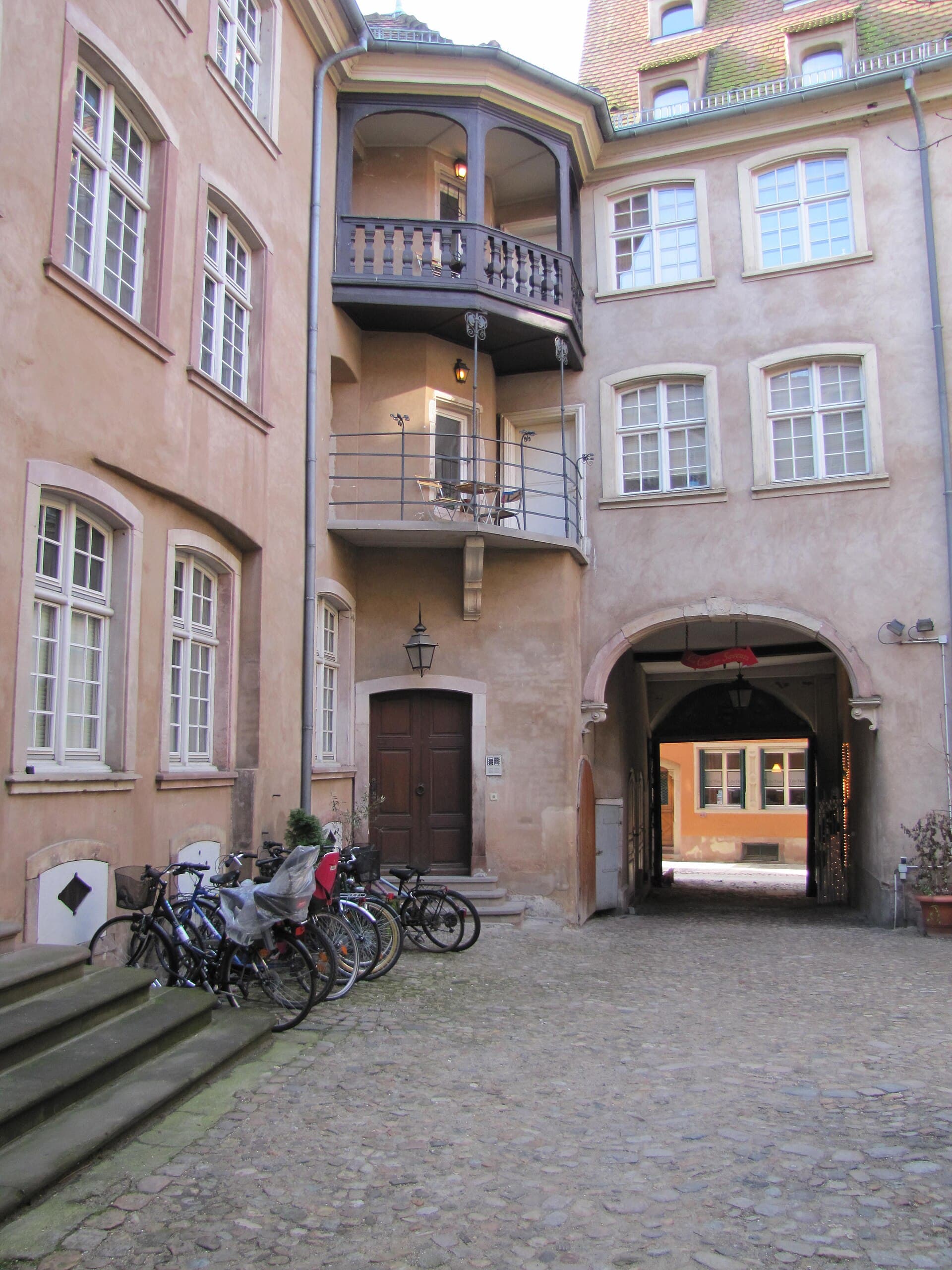
A small square in the heart of the Petite France, ringed by Alsatian houses with exposed timber framing, and among the most photographed spots in Strasbourg. The houses around it are of the sixteenth and seventeenth centuries, the best known being the tanners' house with its tall sloping roof and small windows beneath the eaves. Those windows are not decorative: the upper floors were used for drying hides, and the roof was built high to provide ventilation and drying space. The Petite France was the quarter of tanners, millers and fishermen, and the form of its buildings follows directly from those trades. The square today is full of cafés and lies on the route of every tour, which means it is crowded for most of the day. The better times are early in the morning or late in the evening. Practical point: free and always open. The visit is minutes on a walk through the Petite France, and you pass it inevitably.
The quarter's best-known facade, its shape explaining its first inhabitants' trade.
Tanning, milling and fishing shaped every building in the Petite France.
The square empties before nine and after dusk — and photographs well then.
Heart of the Petite France, Strasbourg
 Hôtel de RathsamhausenA historic town mansion near the Petite France, built for the noble Alsatian fam1 minute walk4.4
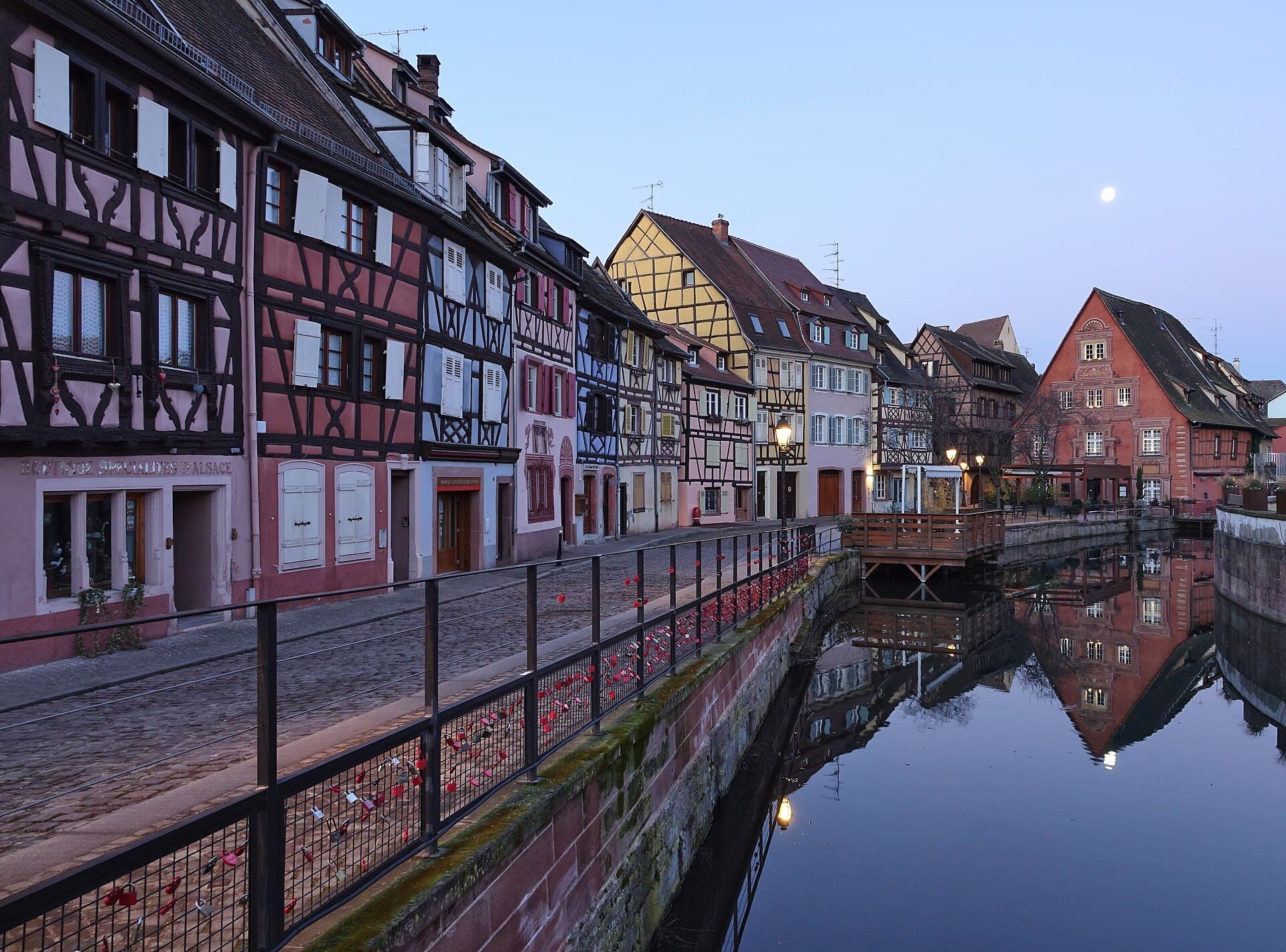 La Petite France'Little France' is the quarter Strasbourg gets photographed from: sixteenth- and2 minutes walk4.7
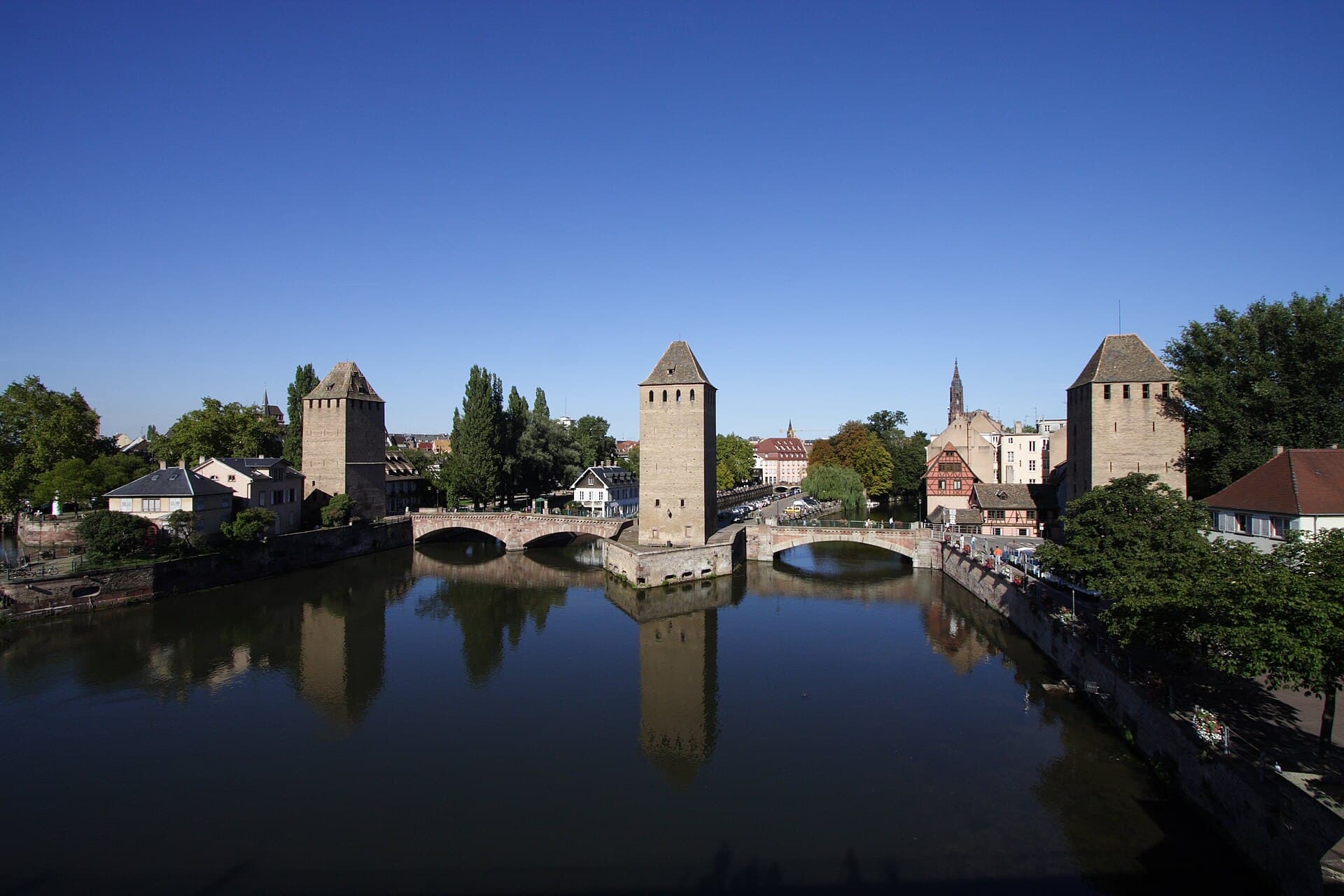 Ponts CouvertsThe Ponts Couverts are three bridges crossing the Ill's four arms at the entranc3 minutes walk4.8
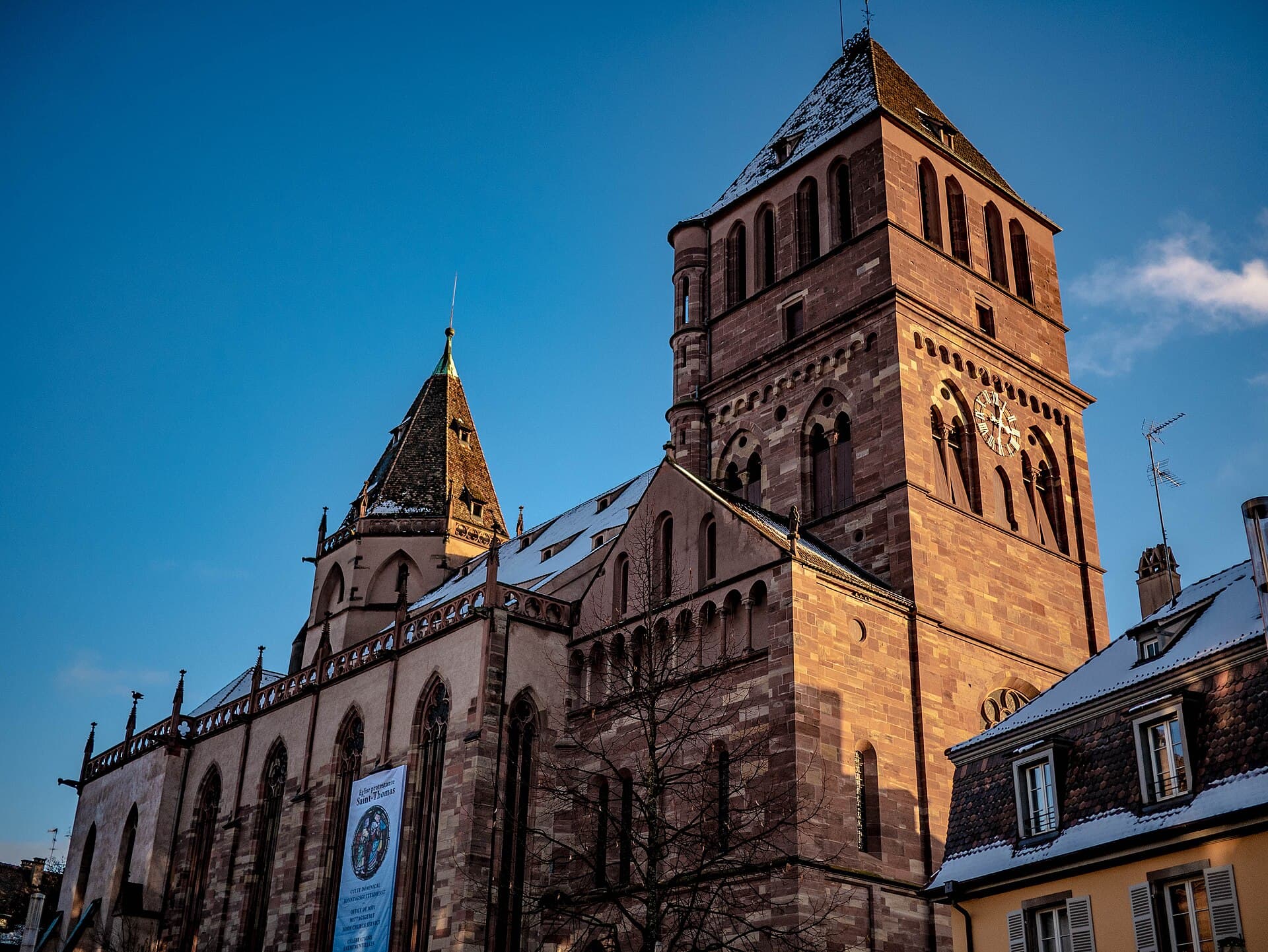 Saint Thomas ChurchSaint Thomas is Strasbourg's 'Protestant cathedral', Alsatian Lutheranism's stro4 minutes walk4.6
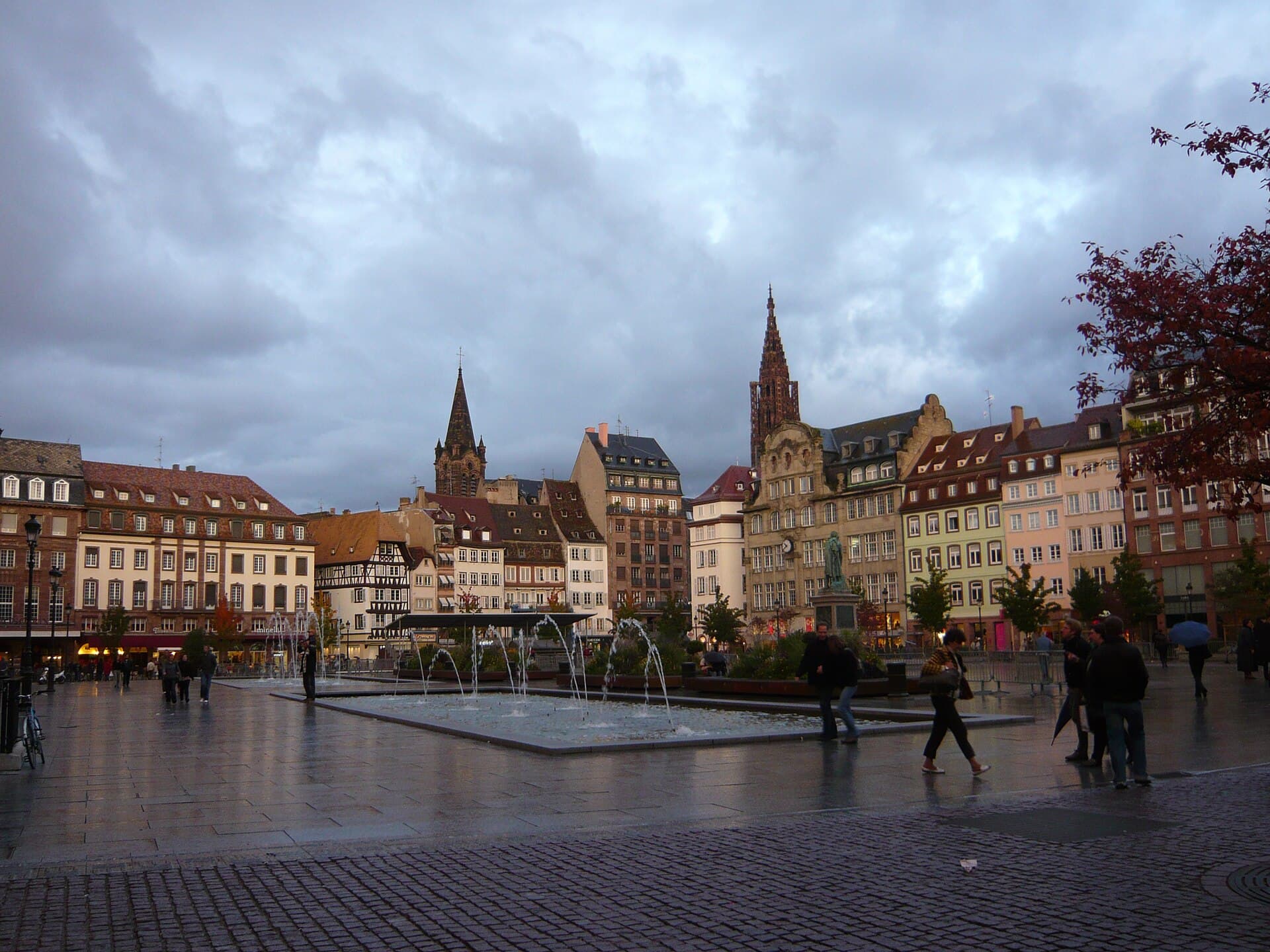 Place KléberPlace Kléber is Strasbourg's beating heart: the city's largest square, its meeti4 minutes walk4.4
The name has nothing to do with France as a country. In the fifteenth century a hospital for treating syphilis stood on this site, and the disease was locally called the French sickness. The name attached to the quarter and stayed after the hospital vanished. It is one of those names that sound romantic and have an entirely different origin.
Before nine in the morning: the tours have not started and the light is low on the water. Or after dusk when the facades are lit and reflect in the canals. Between ten and six the quarter is very crowded in season and an empty shot is hard to get.