About this place
In the middle of the hall stands a stuffed Indian elephant called Fritz, who arrived in Turin in the summer of 1827 as a gift from Muhammad Ali Pasha, viceroy of Egypt, to Carlo Felice, King of Sardinia — traded, more or less, for the hundred merino sheep the king had sent the other way. He was loaded onto a ship at Alexandria in October 1826, wintered in Genoa, and then spent twenty-five years in the menagerie at the Stupinigi hunting lodge, with his own circular bathing basin and a daily ration of fifty loaves of bread, two dozen cabbages, rice, butter, tobacco and a pint or two of wine. When he became dangerous to handle he was killed in November 1852, taxidermied, and ended up here. A projection now plays across his body to reveal his internal organs. He is the strangest thing in the museum and the truest thing in it about how nineteenth-century European courts treated exotic animals.
The museum occupies the old hospital of San Giovanni Battista, a seventeenth-century building a couple of blocks south of Via Po. It closed in August 2013 after a fire-suppression cylinder exploded and wrecked two floors, and it stayed closed for a full decade of stalled funding and slow restoration before reopening in January 2024. What reopened, though, is a fraction of the whole: three rooms, while the great scientific sections — entomology, botany, minerals, palaeontology — remain in stores and laboratories, off display. So if you have read about the museum's vast zoological, botanical, mineral and palaeontological holdings, they genuinely exist; you just will not see them. Work on the rest of the building is scheduled to run to 2030, so check the website before you go, because what is open keeps changing.
The three open rooms are the Historical Museum of Zoology, with its old wooden cases; the Ark of Explorations, built in the shape of a ship and telling the story of the collecting voyages that filled the museum, with the skeleton of a rorqual whale stranded at Bordighera on the Ligurian coast in the mid-1800s at its centre; and the Hall of Wonders, the one children like best, which sets models of a mastodon and a rhinoceros — both of them animals that lived in Piedmont millions of years ago — beside drawers of butterflies and beetles. An unhurried visit takes an hour, or ninety minutes with children who stop at every case.
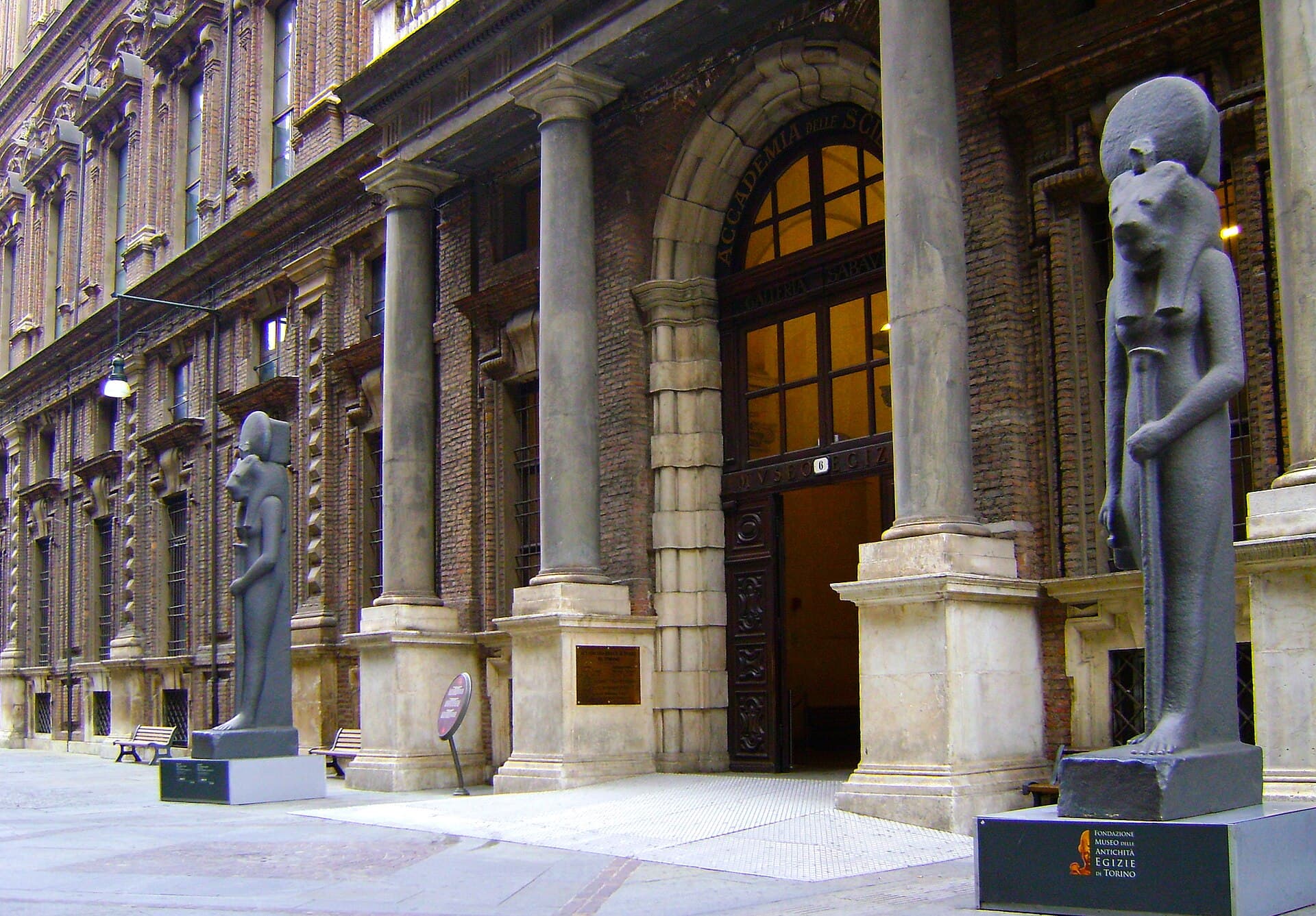
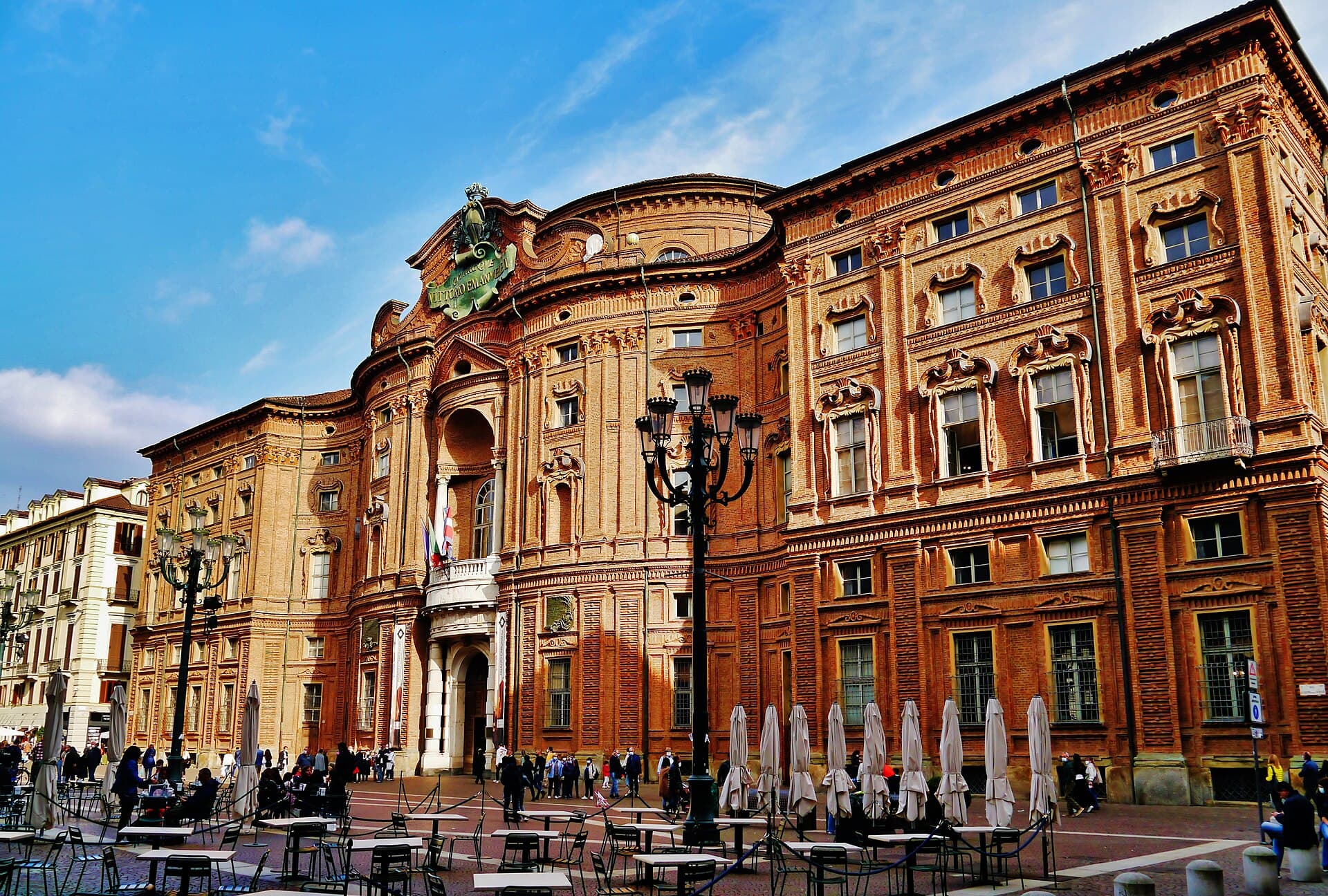
Be honest with yourself: this is not a reason to come to Turin. If you have one day in the city, skip it and go to the Museo Egizio. But it earns its place if you are staying three days or more, especially with children, or if you want an hour indoors on a wet afternoon or in the August heat. The ticket is five euros — among the cheapest in the city — free for under-tens, and in recent summers the regional government has opened it free of charge for the whole of August, as it did again in 2026. The entrance is at Via Accademia Albertina 15, not on the Via Giolitti side, about ten minutes on foot from the Museo Egizio and Palazzo Carignano — and it is a completely separate ticket from either. Closed Tuesdays, last entry at five, and booking ahead online is advised.