
The marshal's mausoleum
A full marble theatre: Death, the commander, weeping France — French Baroque's summit.
Yann Caradec from Paris, France — CC BY-SA 2.0 · Livioandronico2013 — CC BY-SA 4.0 · Wilfredor — CC0 · Livioandronico2013 — CC BY-SA 4.0
Saint Thomas is Strasbourg's 'Protestant cathedral', Alsatian Lutheranism's stronghold since 1524 — a rare Gothic hall church of five equal naves giving a light-filled breadth wholly unlike its Catholic sisters. Its astonishing treasure is Marshal de Saxe's mausoleum: Louis XV's legendary commander, refused burial in Catholic Paris for his Protestantism, received here France's greatest Baroque tomb — the marshal descending steps towards his coffin unshaken as Death lifts the lid, weeping France tugs his arm, and beaten lions and eagles crouch below. A complete marble theatre worth the trip alone. Its 1741 Silbermann organ was played by Mozart himself in 1778 and still sounds — making the church an organ lovers' pilgrimage, with free summer concerts a tradition.
A full marble theatre: Death, the commander, weeping France — French Baroque's summit.
Silbermann 1741 under Mozart's fingers in 1778 — still playing.
Five equal naves — a rare, luminous Protestant breadth.
11 Rue Martin Luther, 67000 Strasbourg
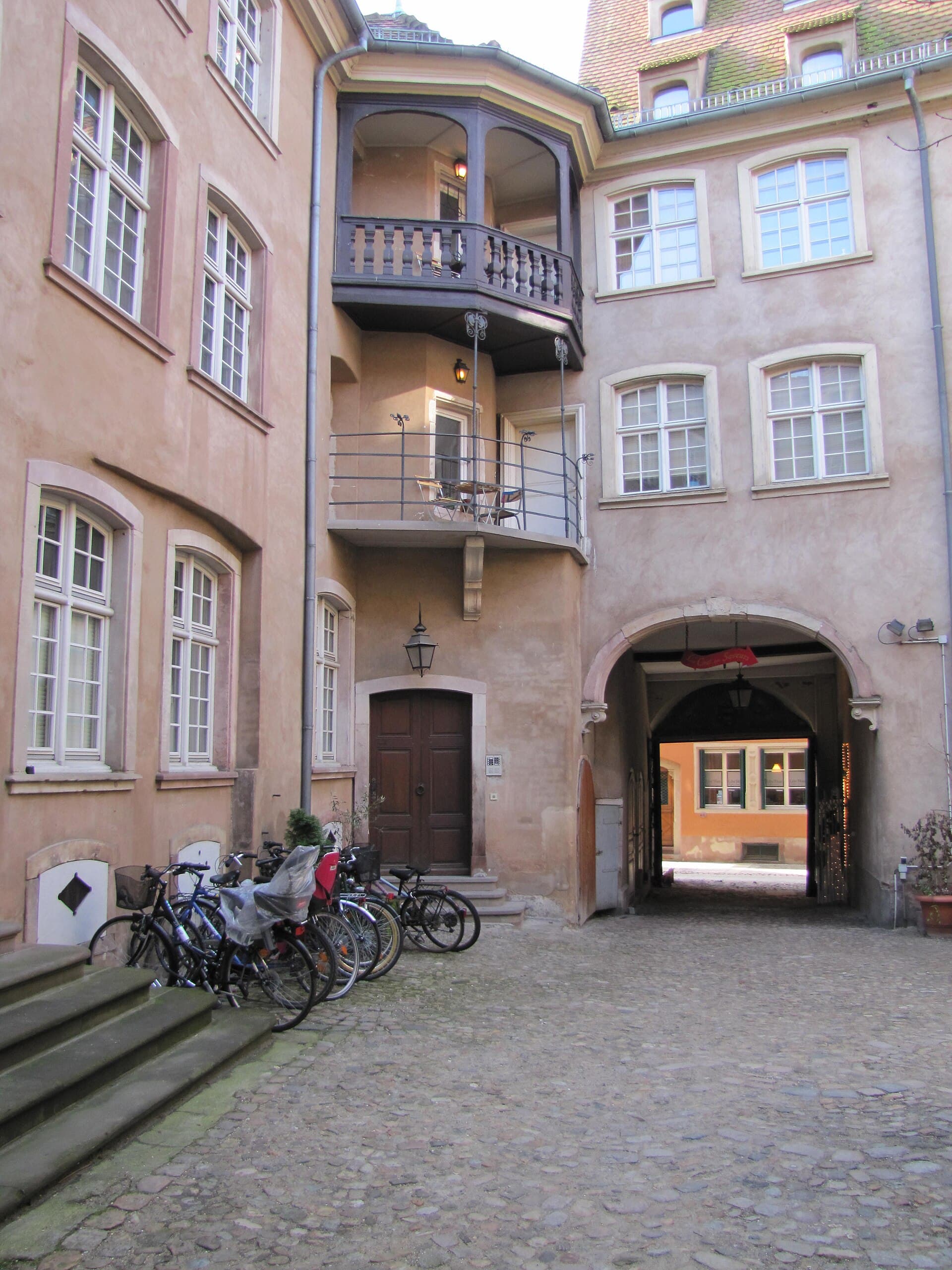 Hôtel de RathsamhausenA historic town mansion near the Petite France, built for the noble Alsatian fam3 minutes walk4.4
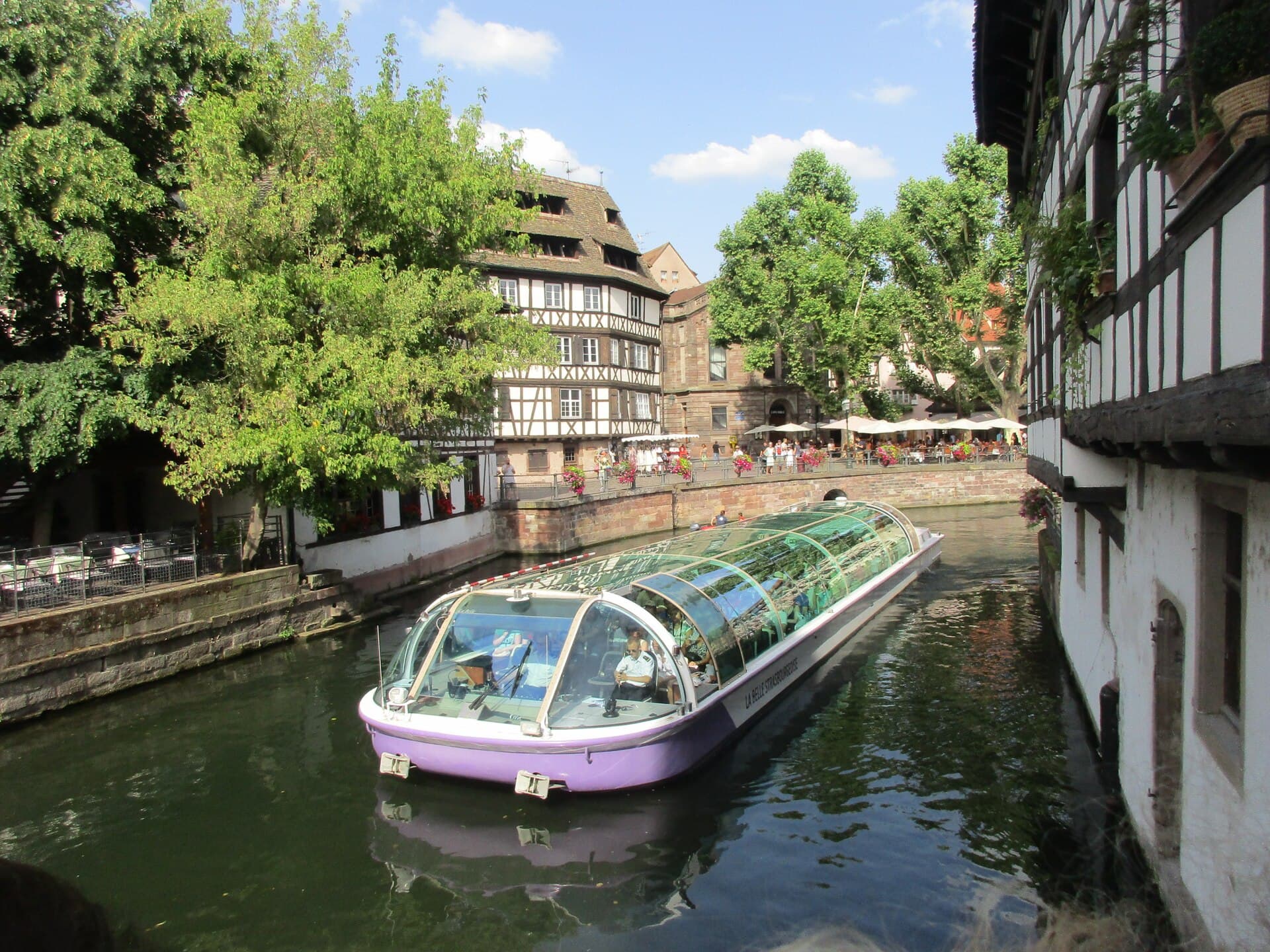 Place Benjamin-ZixA small square in the heart of the Petite France, ringed by Alsatian houses with4 minutes walk4.6
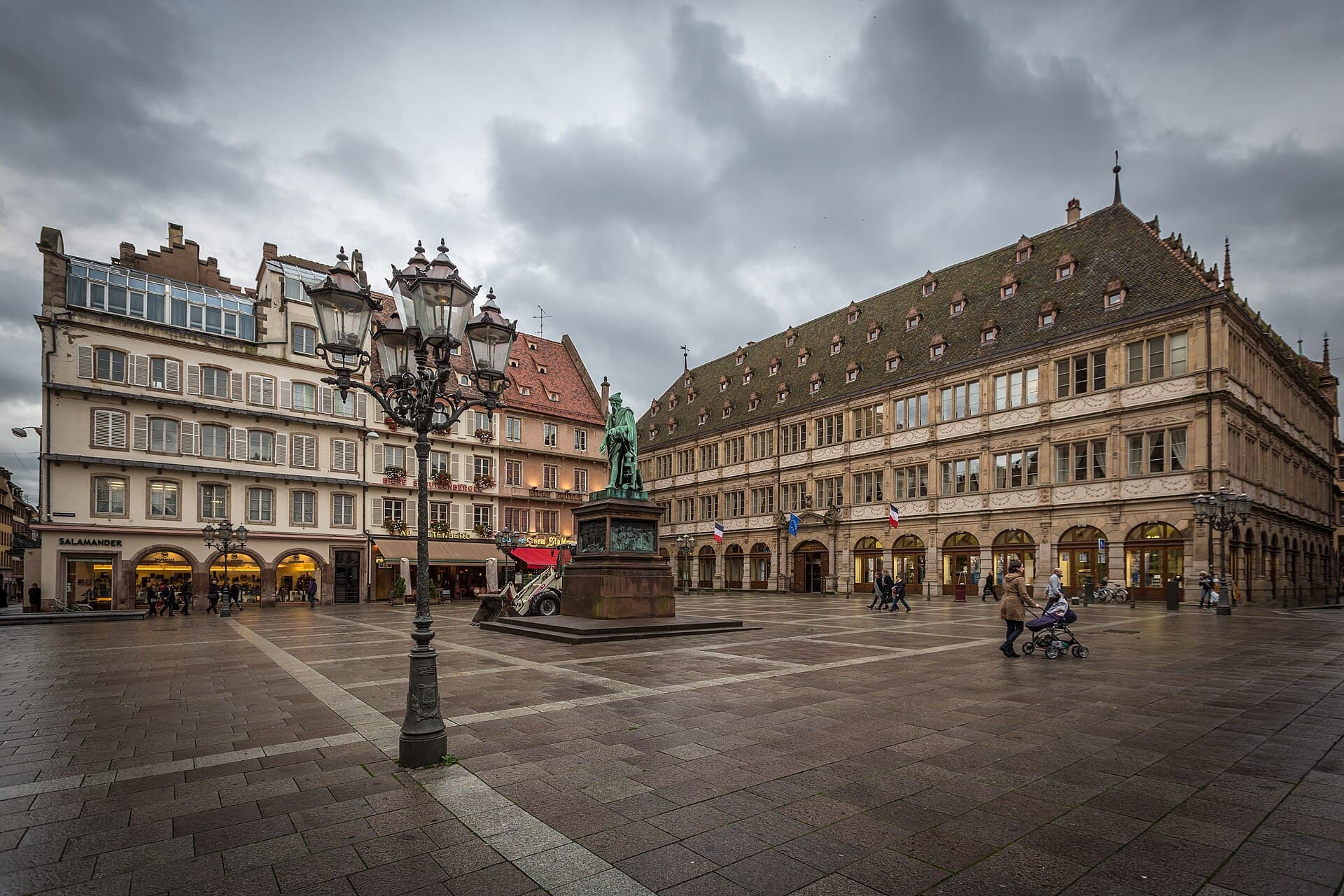 Place GutenbergA square in the heart of Strasbourg between the cathedral and the river, with a 4 minutes walk4.6
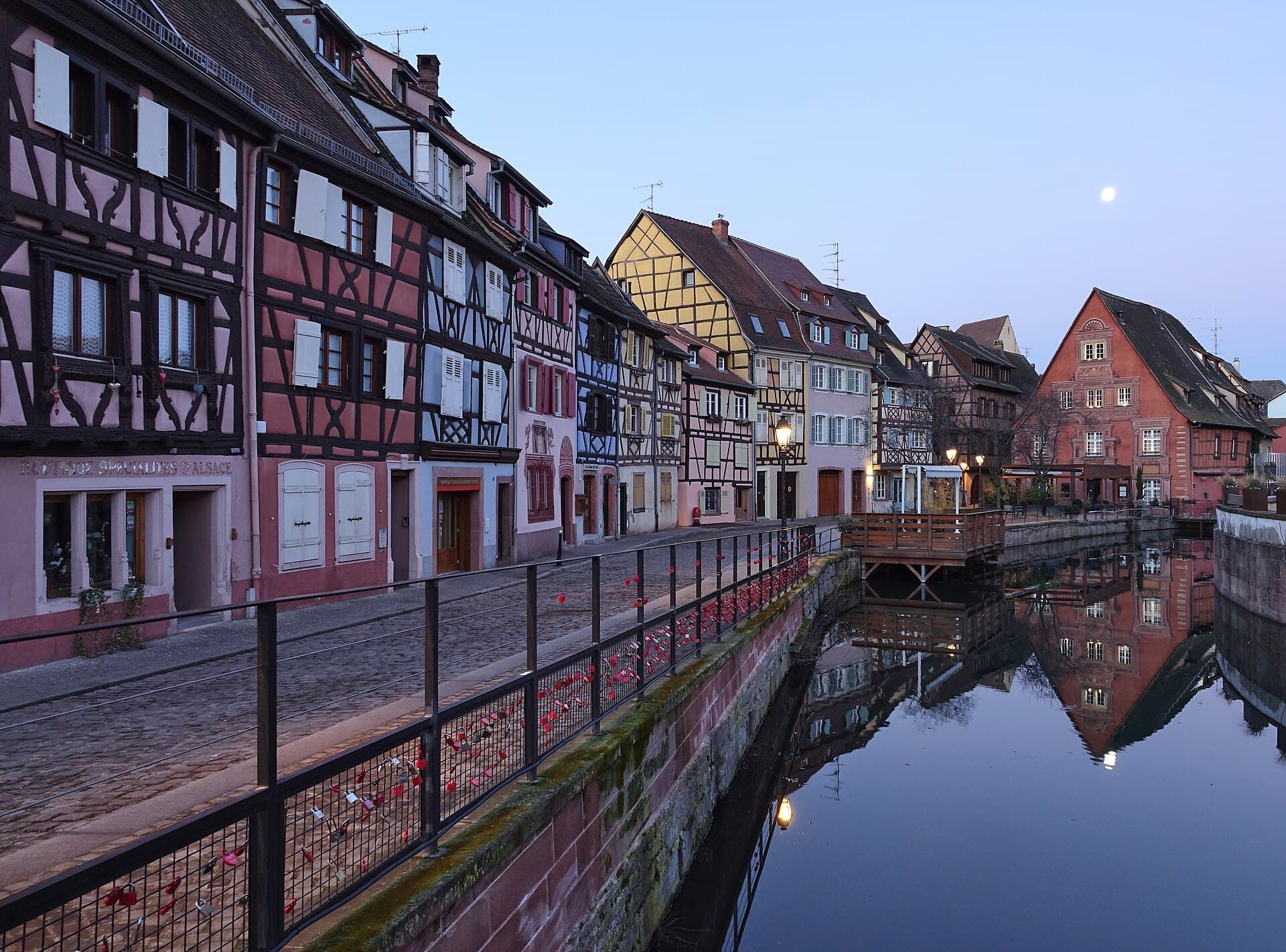 La Petite France'Little France' is the quarter Strasbourg gets photographed from: sixteenth- and5 minutes walk4.7
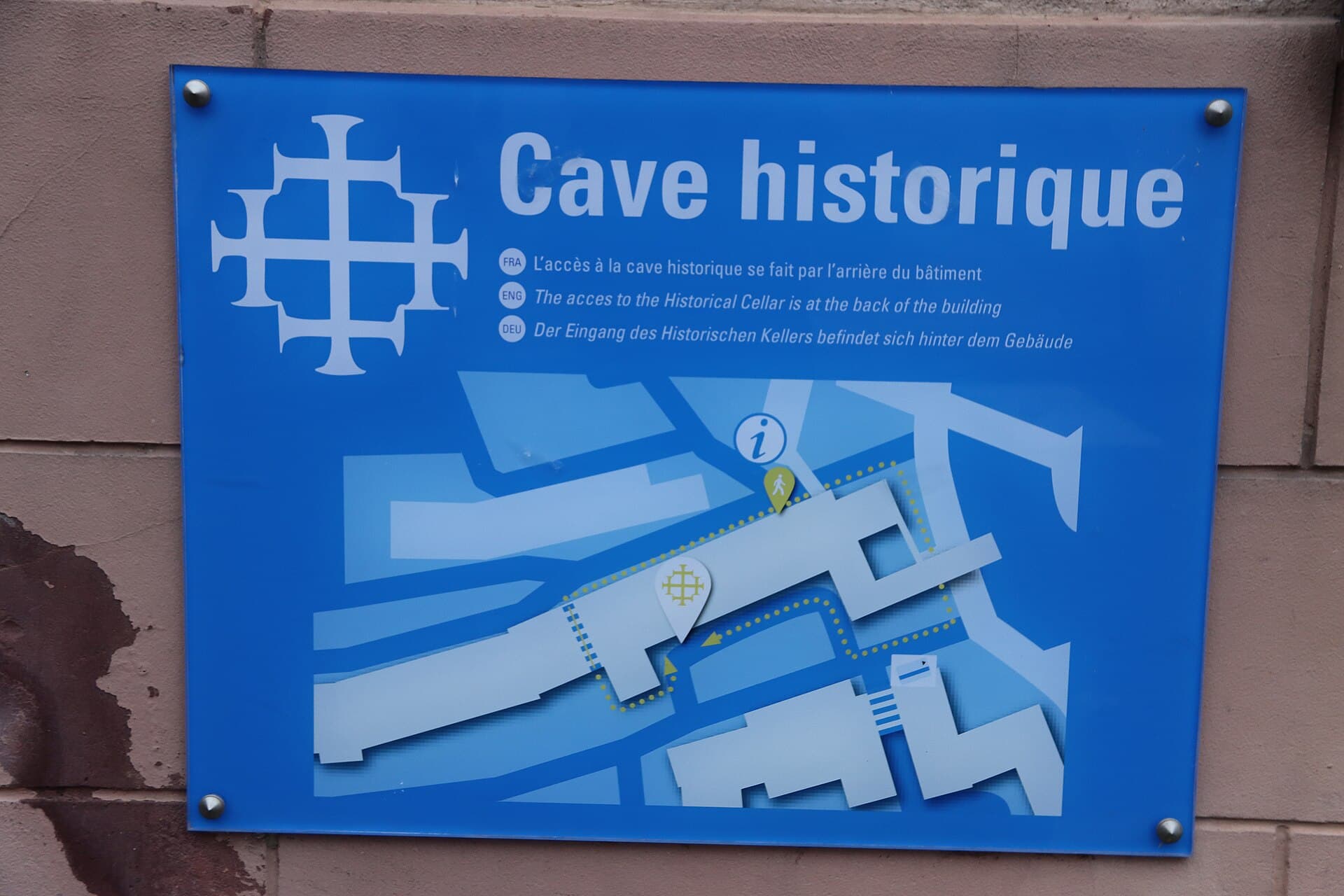 Historic Cellar of the Strasbourg HospicesA wine cellar beneath Strasbourg's civil hospital, in operation since the fourte5 minutes walk4.6
Maurice de Saxe: a Polish king's natural son and France's greatest eighteenth-century commander — Fontenoy 1745 his crown. His Protestantism barred Parisian burial, so Louis XV set Pigalle carving this tomb for twenty years. The result: France's greatest funerary honour outside Paris itself.
Strasbourg was an early Reformation capital — Calvin himself ministered here — and Saint Thomas turned Lutheran in 1524 for good. Alsace remains bi-confessional under a special religious regime setting it apart from secular France — another history layer in the border city.
It nearly lines the Petite France route: cathedral, lanes, Saint Thomas, the water quarter — twenty added minutes buying the country's greatest Baroque marble. Just check the concert board: a free organ evening turns the pass into a visit.