
Dome shows
Sky and cosmos.
Rodrigo Soldon from Rio de Janeiro, Brazil — CC BY 2.0 · Photograph by Mike Peel (www.mikepeel.net). — CC BY-SA 4.0 · Paul R. Burley — CC BY-SA 4.0 · Dornicke — Public domain · Paul R. Burley — CC BY-SA 4.0
The Ibirapuera Planetarium, officially the Professor Aristóteles Orsini Planetarium, was the first planetarium in Brazil and Latin America, opened in January 1957 inside Ibirapuera Park. Aristóteles Orsini, head of São Paulo's amateur astronomy association, proposed it in 1951 as part of the celebrations for the city's 400th anniversary. A Zeiss projector was bought for it and reached the port of Santos in May 1952, but it sat in customs until June 1955 and was then stored in the park's plant nursery until the building was finished at the end of 1956, so the planetarium opened three years late. Its low-domed building is a park landmark and has since been fitted with modern projection. Shows under the dome cover the sky, the universe and the solar system, some for children, and some recreate São Paulo's sky as it would look without light pollution. Tickets are sold through the park operator's website and have ranged from about R$10 to R$30 depending on the show, with occasional free sessions that still need booking.
Sky and cosmos.
São Paulo unpolluted.
A dome in the park.
Ibirapuera Park, Avenida Pedro Álvares Cabral, São Paulo
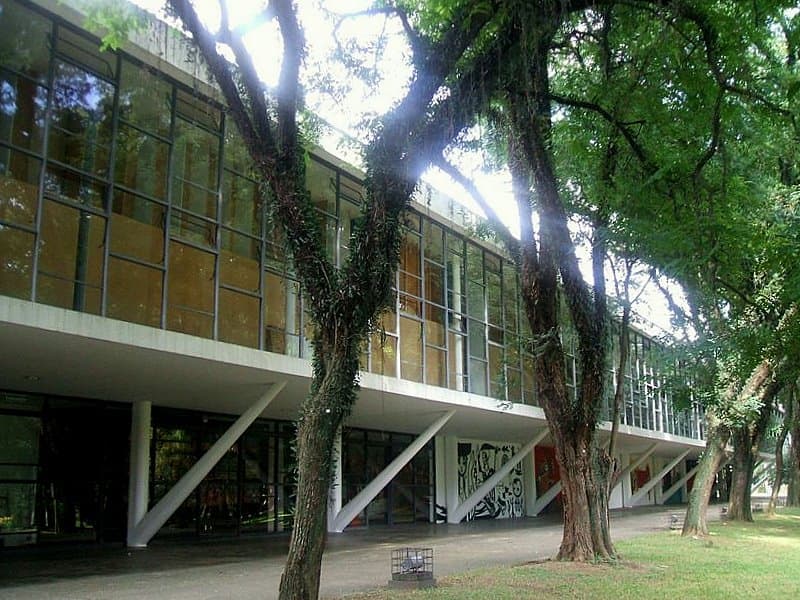 Museu Afro BrasilThe Museu Afro Brasil, in Ibirapuera Park, is dedicated to the history, art and 2 minutes walk4.7
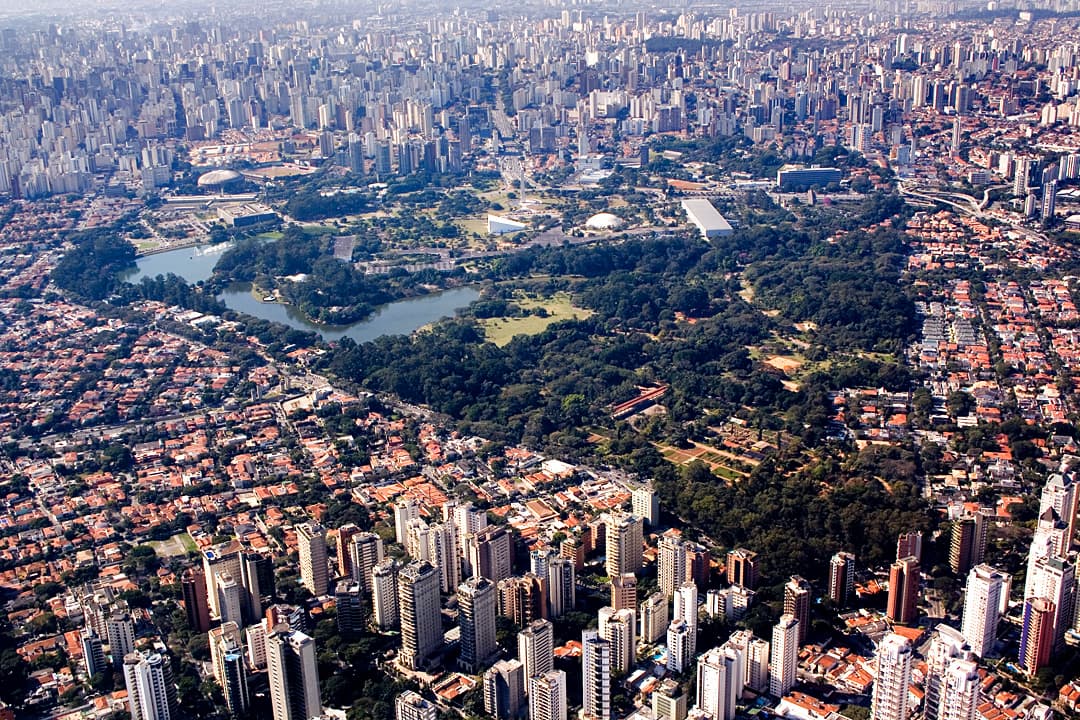 Ibirapuera ParkIbirapuera is São Paulo's best-known park and the most visited urban park in Sou4 minutes walk4.7
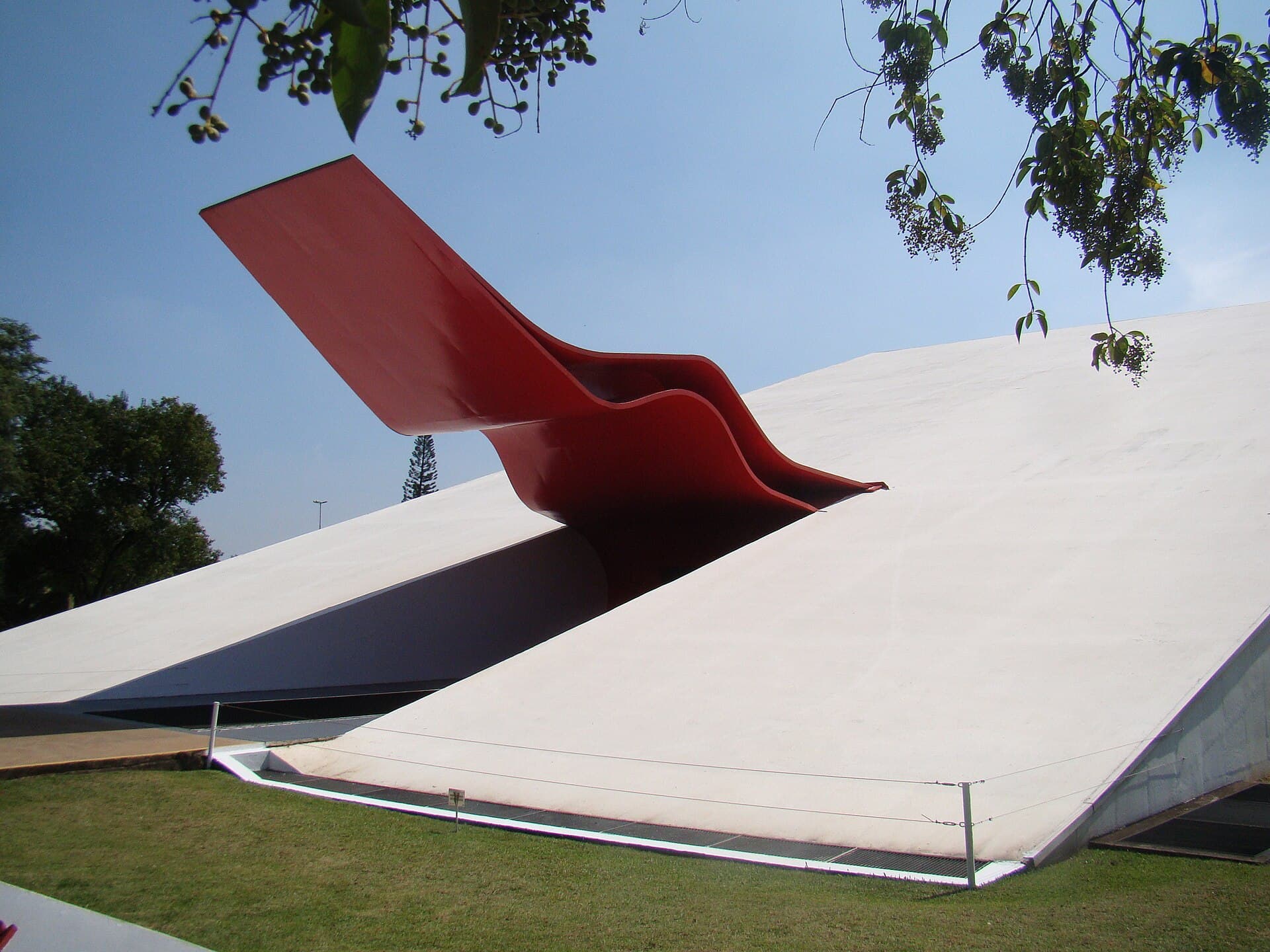 Ibirapuera AuditoriumThe concert hall in Ibirapuera Park is by Oscar Niemeyer, the last piece of the 6 minutes walk4.9
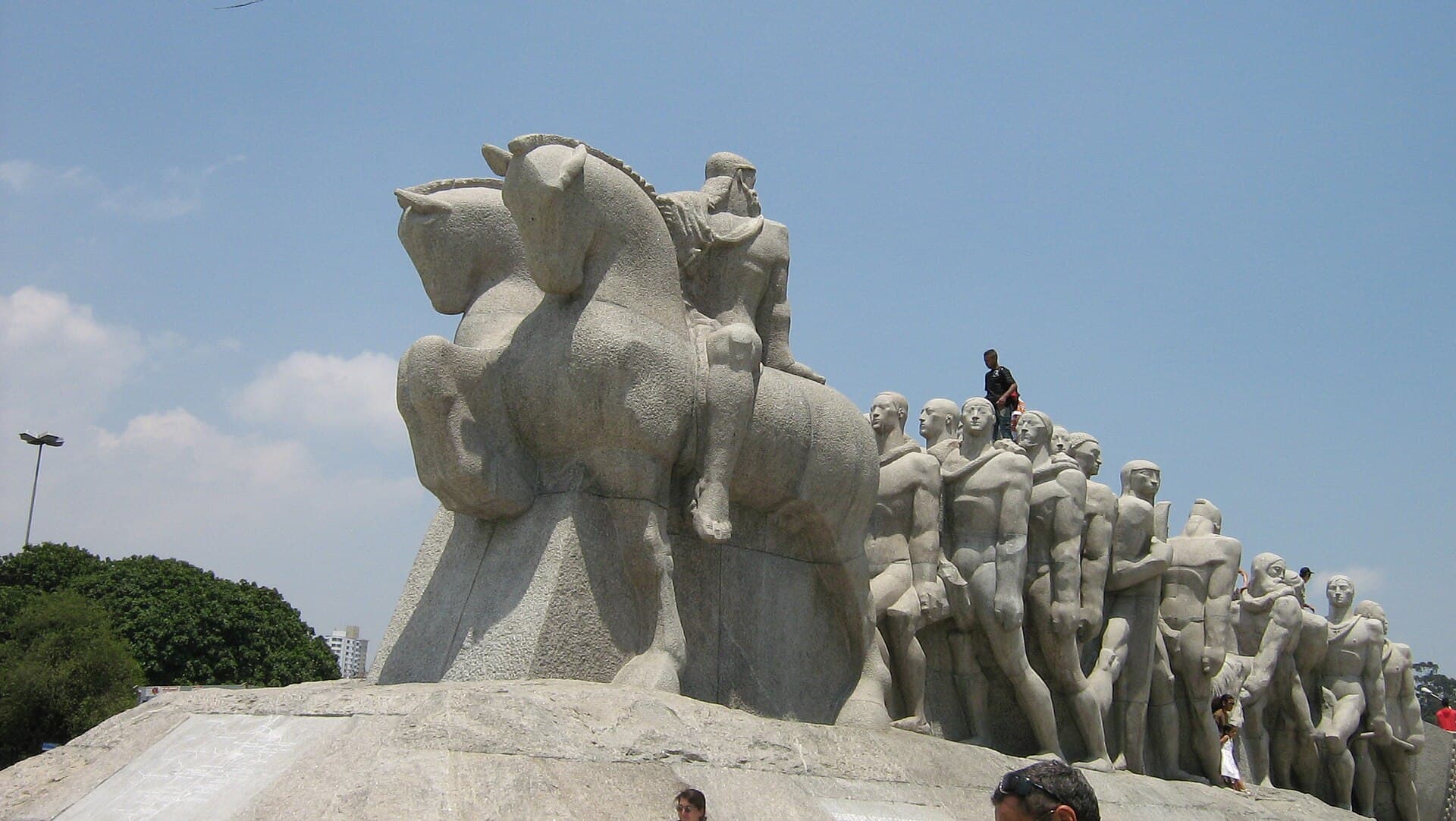 Monument to the BandeirasAt the northern entrance to Ibirapuera Park stands São Paulo's best-known monume6 minutes walk4.6
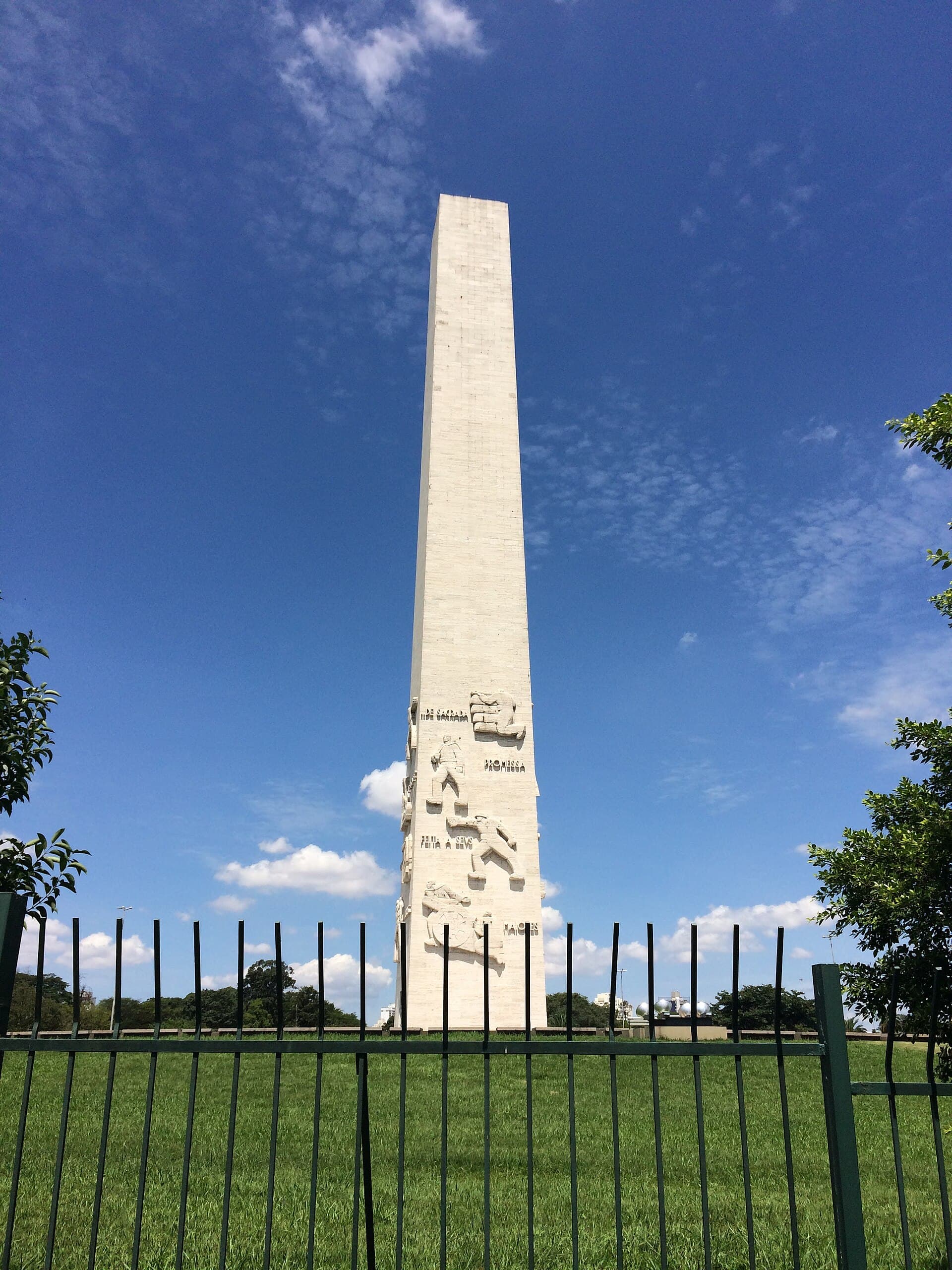 Obelisk of São PauloThe Ibirapuera Obelisk, officially the «Mausoleum of the Heroes of 32», is São P8 minutes walk
Through the Ibirapuera Park operator's website, at about R$10 to R$30 depending on the show.