
Three layers in one frame
The Vieux Lyon fronts, then the hill, then the basilica and tower above.
Corentin Eustacchi — CC BY-SA 4.0 · Victor Grigas — CC BY-SA 4.0 · Phyrexian — CC BY-SA 4.0 · Weekend Wayfarers — CC BY 2.0
A bridge over the Saône linking the Presqu'île with the historic Vieux Lyon quarter, one of the main crossings between the two old halves of the city. Its value to a visitor is not architectural but visual: from the middle you get one of the best views in Lyon — the coloured facades of Vieux Lyon along the bank, the Fourvière hill rising above them with its white basilica and metal tower, and the Presqu'île fronts behind you. Three layers in one frame. The present bridge was rebuilt in the mid twentieth century after the city's bridges were destroyed in the Second World War, as is true of most Lyon bridges — blown up in 1944 and rebuilt afterwards, so their design is practical and modern rather than historic. Practical points: crossing is free and always open, and it is a natural route between the Presqu'île and Vieux Lyon. The best time to photograph is sunset, when the basilica is lit. The visit is minutes on a walk.
The Vieux Lyon fronts, then the hill, then the basilica and tower above.
Most of Lyon's bridges were blown up in 1944 and rebuilt afterwards.
The natural crossing between the Presqu'île and Vieux Lyon — allocate no extra time.
Over the Saône, between the Presqu'île and Vieux Lyon
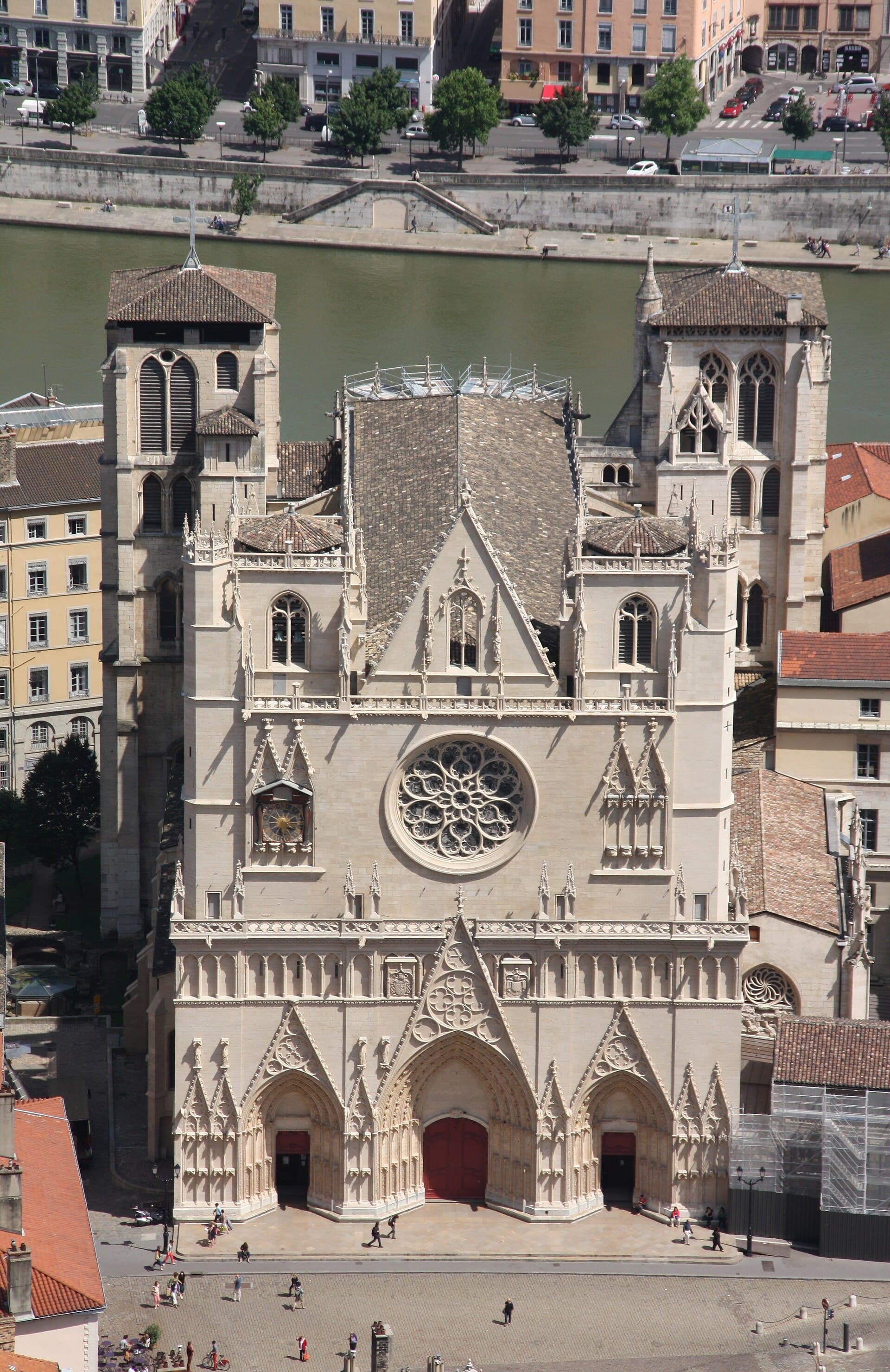 Saint-Jean Cathedral, Vieux LyonSaint-Jean is old Lyon's heart and the seat of the 'Primate of the Gauls' — Lyon2 minutes walk4.5
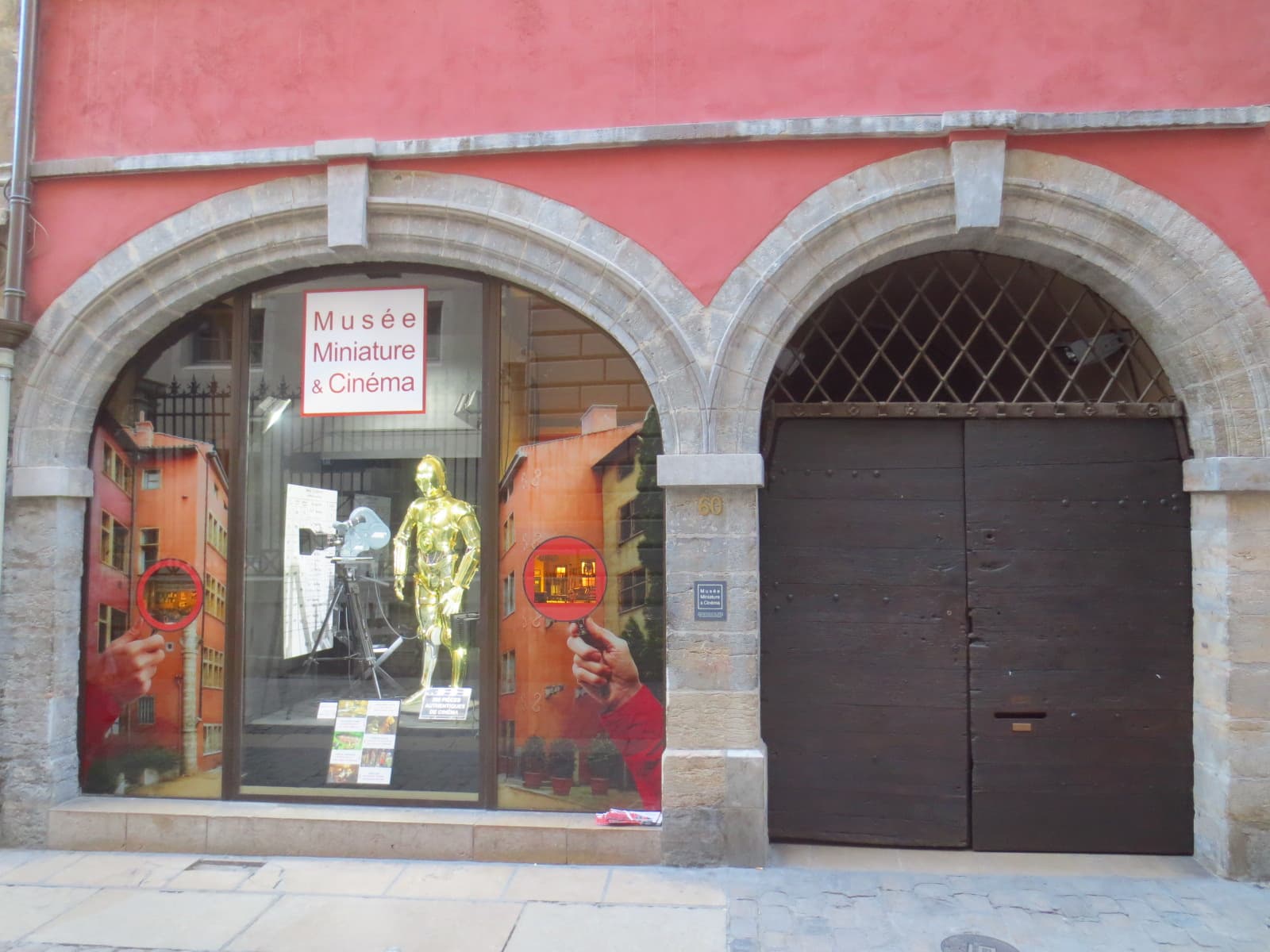 Musée Miniature et CinémaIn one of Vieux Lyon's finest houses — the Renaissance Maison des Avocats — live4 minutes walk4.8
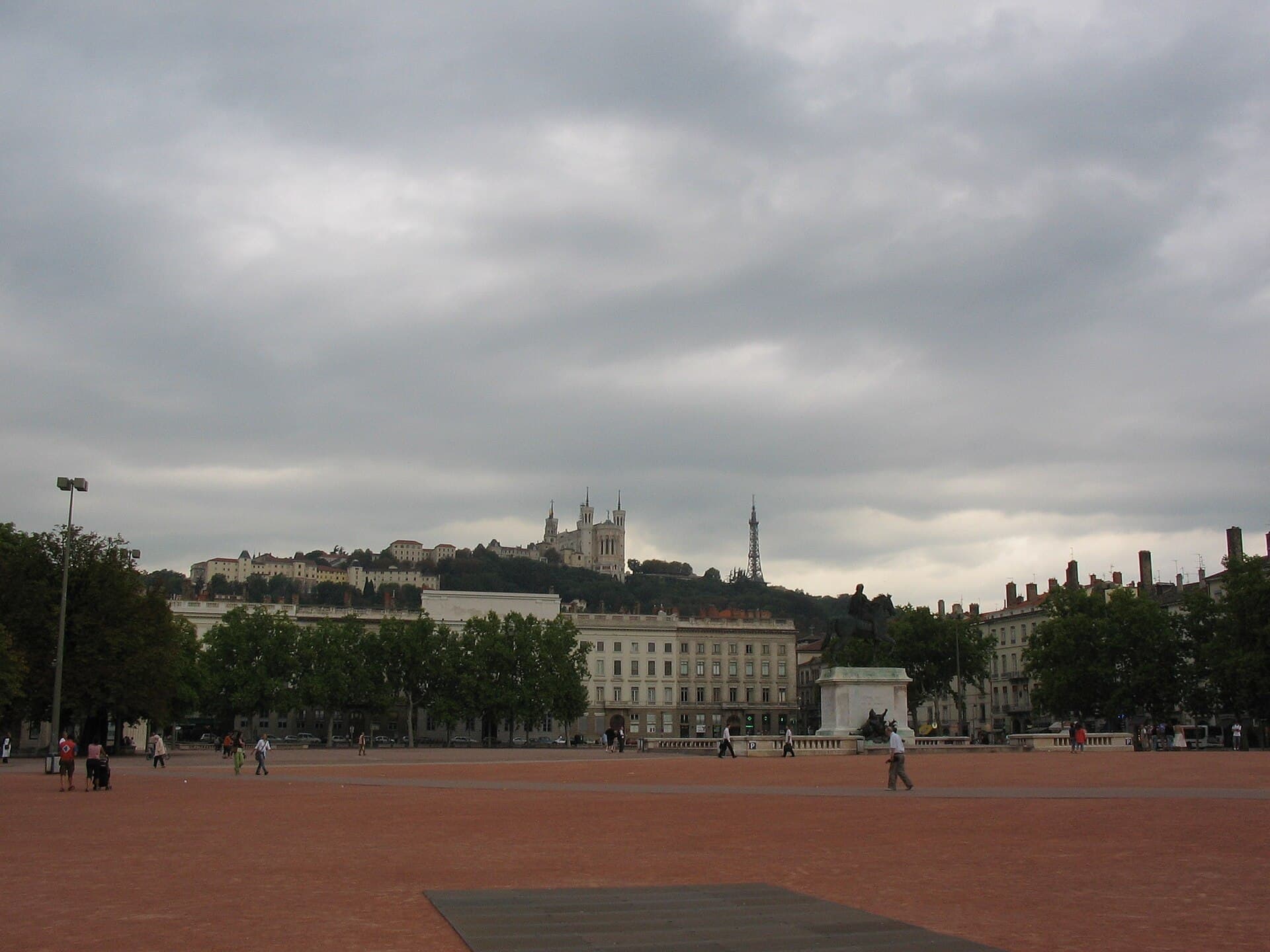 Place BellecourBellecour is among Europe's largest open squares — a vast red rectangle of packe4 minutes walk4.5
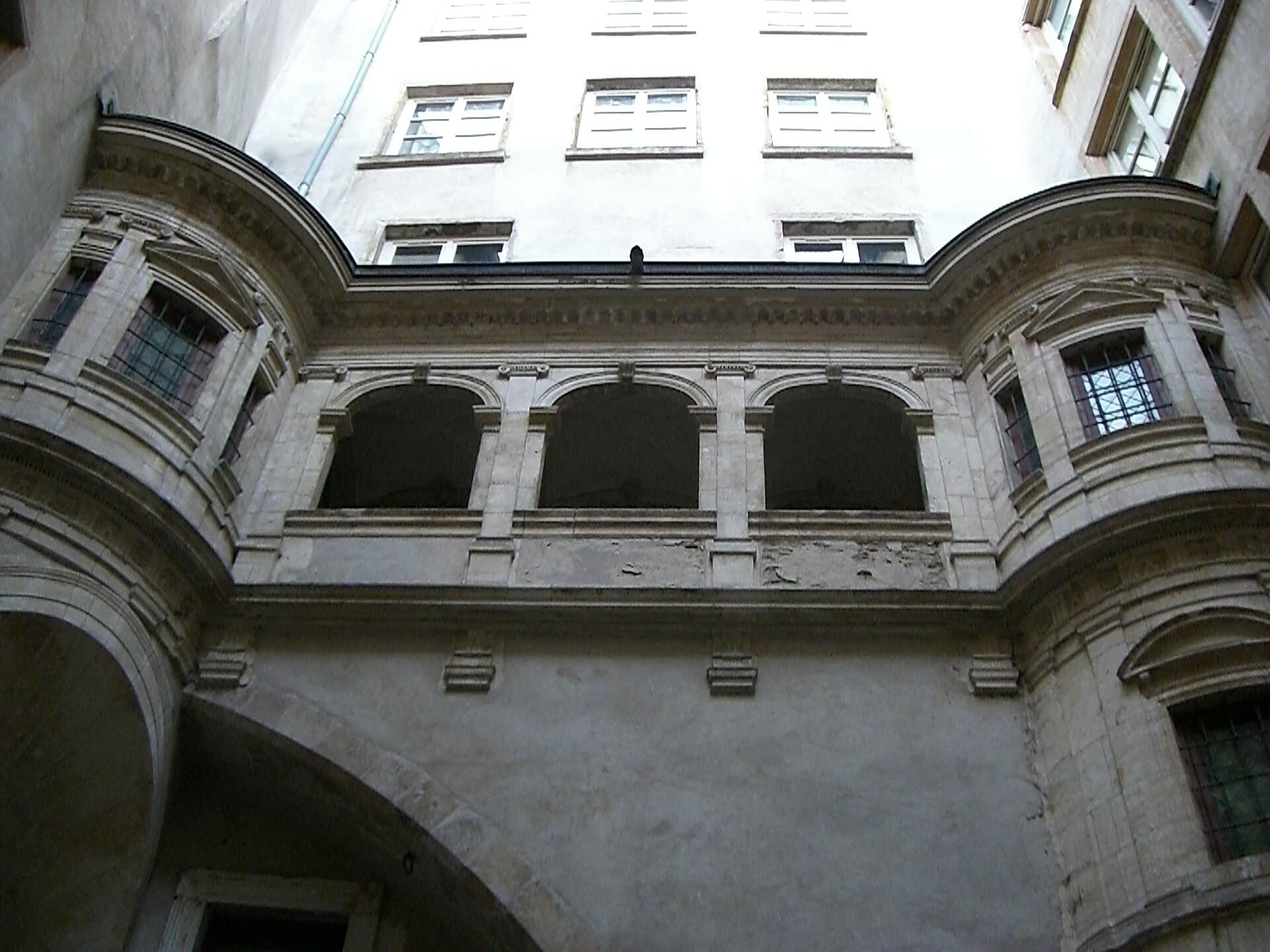 The Traboules of Old LyonThe traboules are Lyon's architectural secret: covered passages cutting through 6 minutes walk4.7
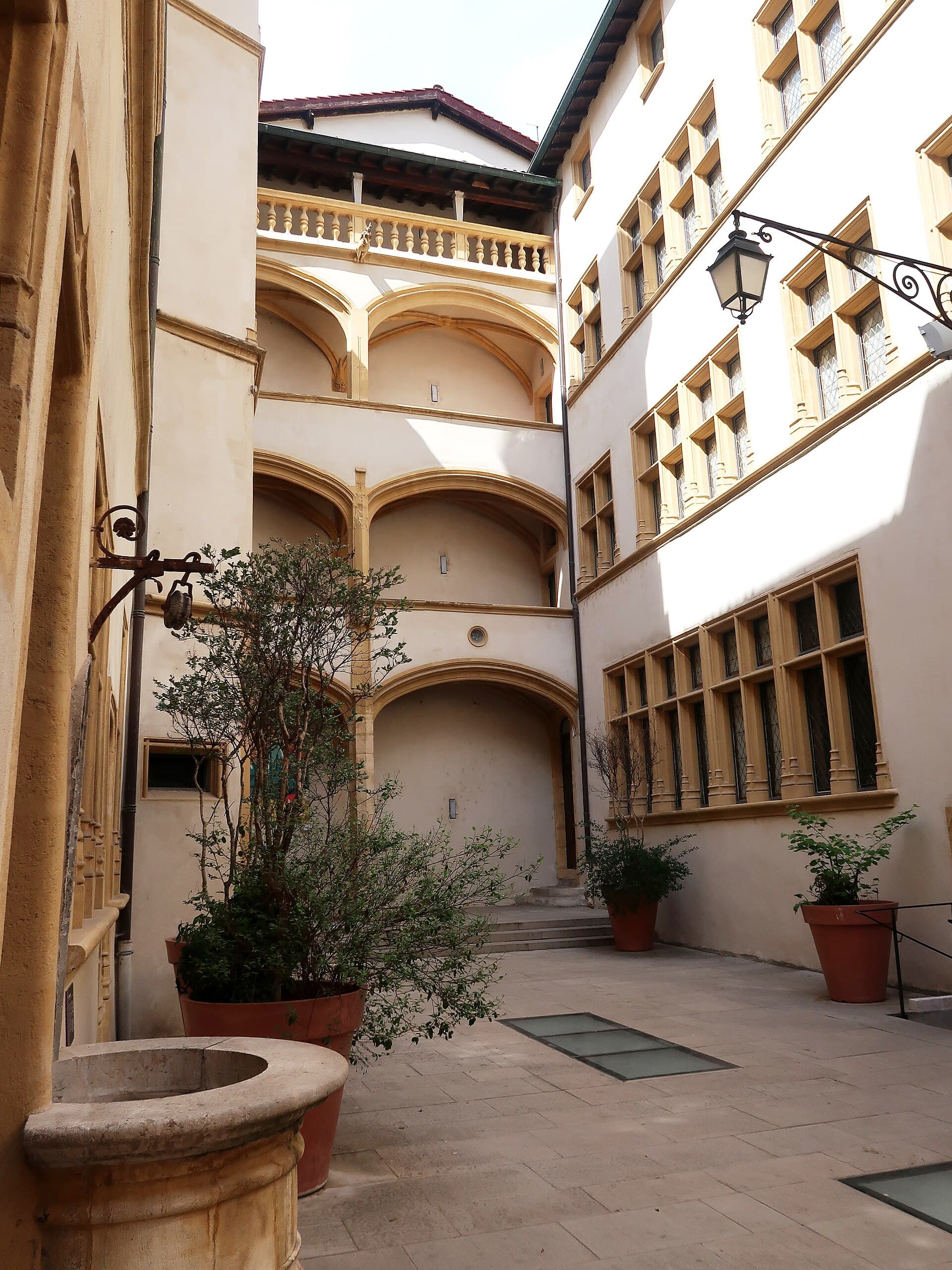 Gadagne MuseumsTwo museums in a single Renaissance mansion in the heart of Vieux Lyon: the muse7 minutes walk4.4
From sunset to about half an hour after. In that window the Fourvière basilica is lit and the sky has not gone fully dark, so the hill, the facades and the water all read together. In full daylight the shot is far less striking.
Lyon sits on two rivers — the Rhône and the Saône — with many bridges. The Saône bridges are shorter and link the centre to Vieux Lyon and the hill, which is what matters for walking as a visitor. The Rhône bridges are longer and connect the centre to the modern eastern districts.