
The astronomical clock
A fourteenth-century machine still turning, rooster and angels included.
Otourly — CC BY-SA 3.0 · Elliott Brown from Birmingham, United Kingdom — CC BY-SA 2.0 · Elliott Brown from Birmingham, United Kingdom — CC BY-SA 2.0 · Elliott Brown from Birmingham, United Kingdom — CC BY-SA 2.0
Saint-Jean is old Lyon's heart and the seat of the 'Primate of the Gauls' — Lyon's archbishop has carried that title for centuries, his church holding precedence in all France. Built across three centuries, it joins a Romanesque apse to a Gothic front. Its treasure is a fourteenth-century astronomical clock — among Europe's oldest still working — with a pecking rooster and circling angels at posted times, and its façade carries three hundred carved stone medallions that read like a miniature medieval encyclopedia. The square before it is the gate of Vieux Lyon: from here spread the Gothic-Renaissance quarter's lanes — France's largest preserved old town after Paris — the secret traboule passages between houses, and the funicular station to Fourvière steps away.
A fourteenth-century machine still turning, rooster and angels included.
A façade carved with scenes reading like a medieval encyclopedia.
Vieux Lyon's heart — cafés, and the start of lanes and traboules.
Place Saint-Jean, 69005 Lyon
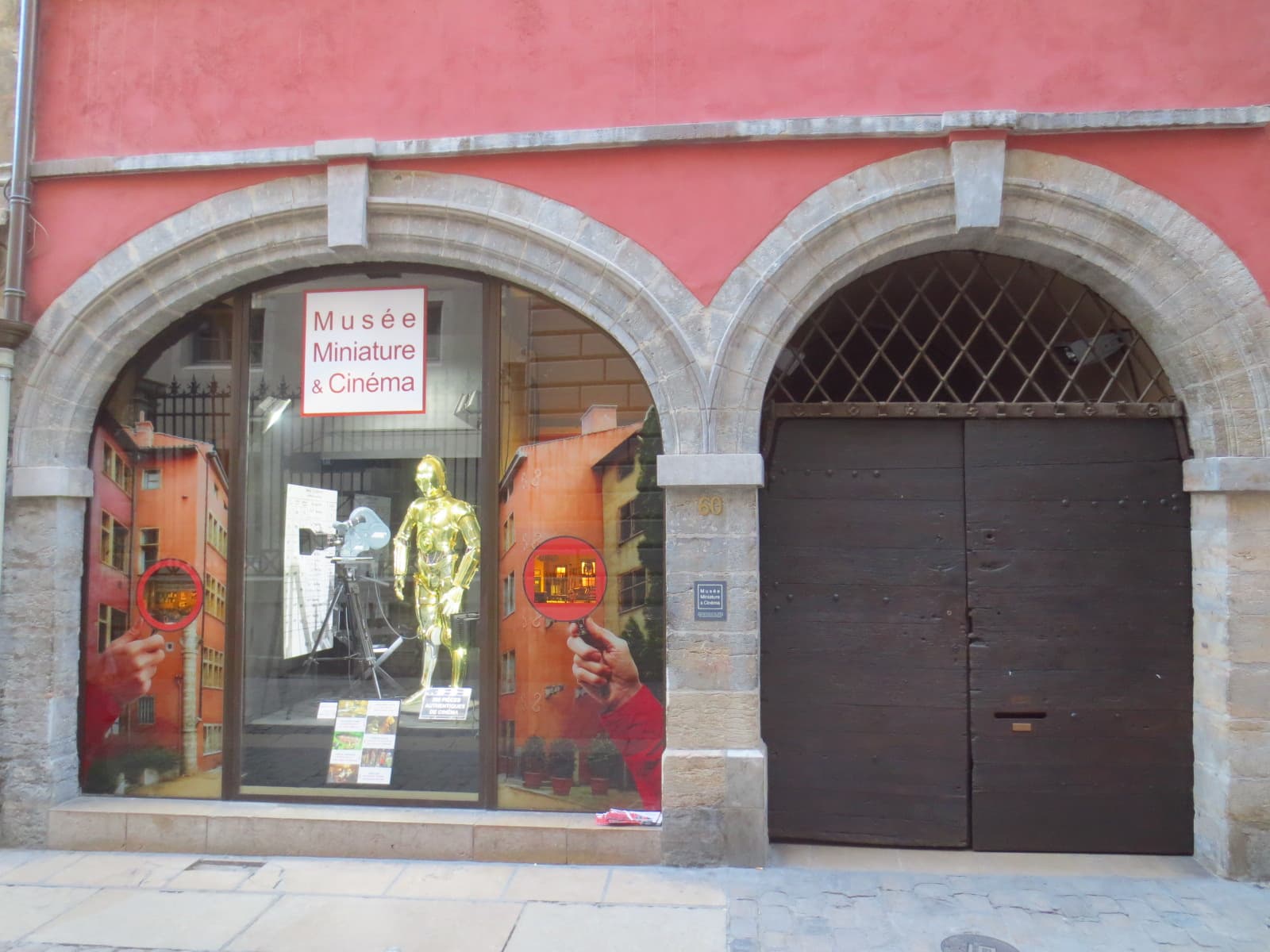 Musée Miniature et CinémaIn one of Vieux Lyon's finest houses — the Renaissance Maison des Avocats — live1 minute walk4.8
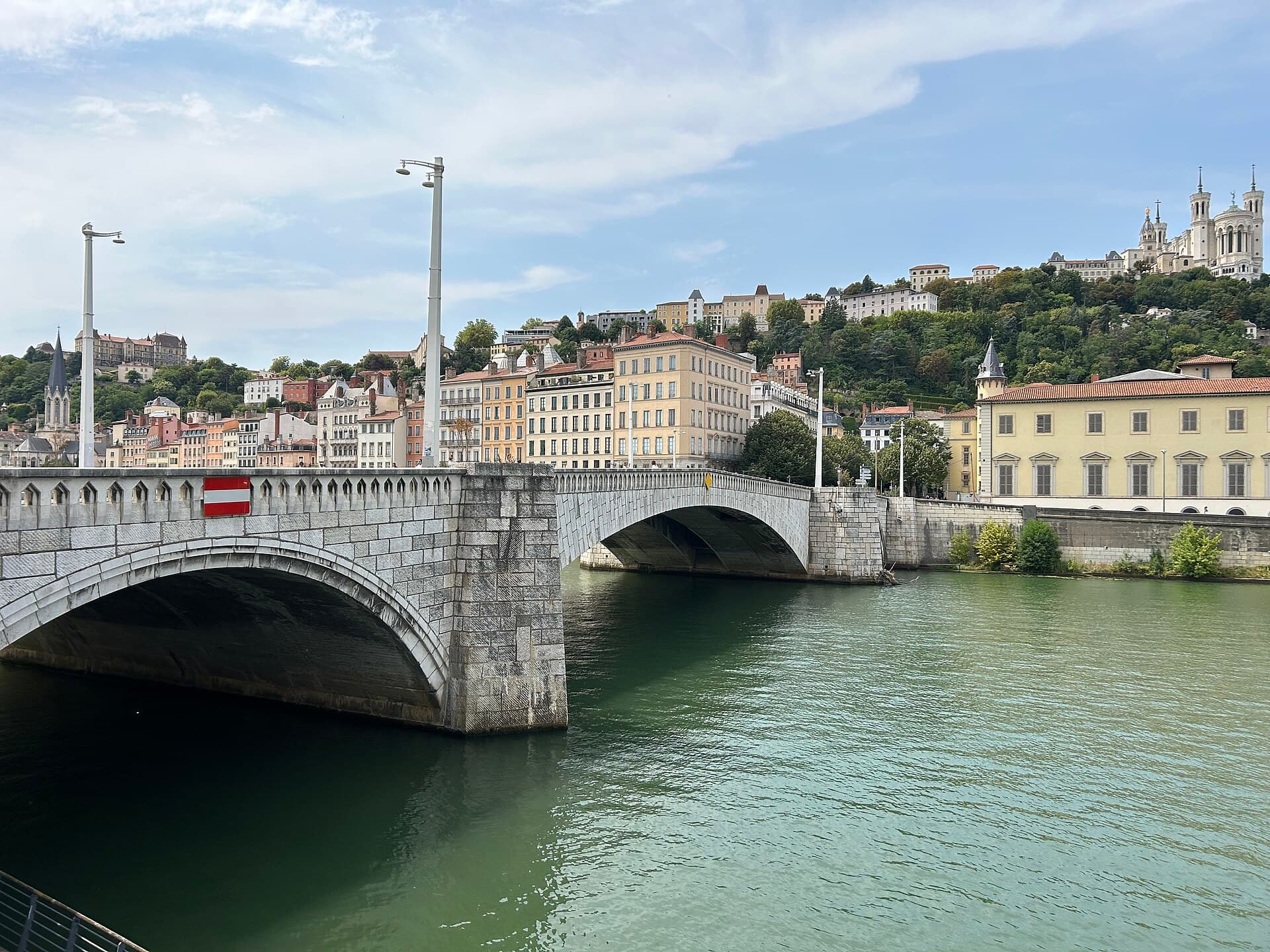 Pont BonaparteA bridge over the Saône linking the Presqu'île with the historic Vieux Lyon quar2 minutes walk4.4
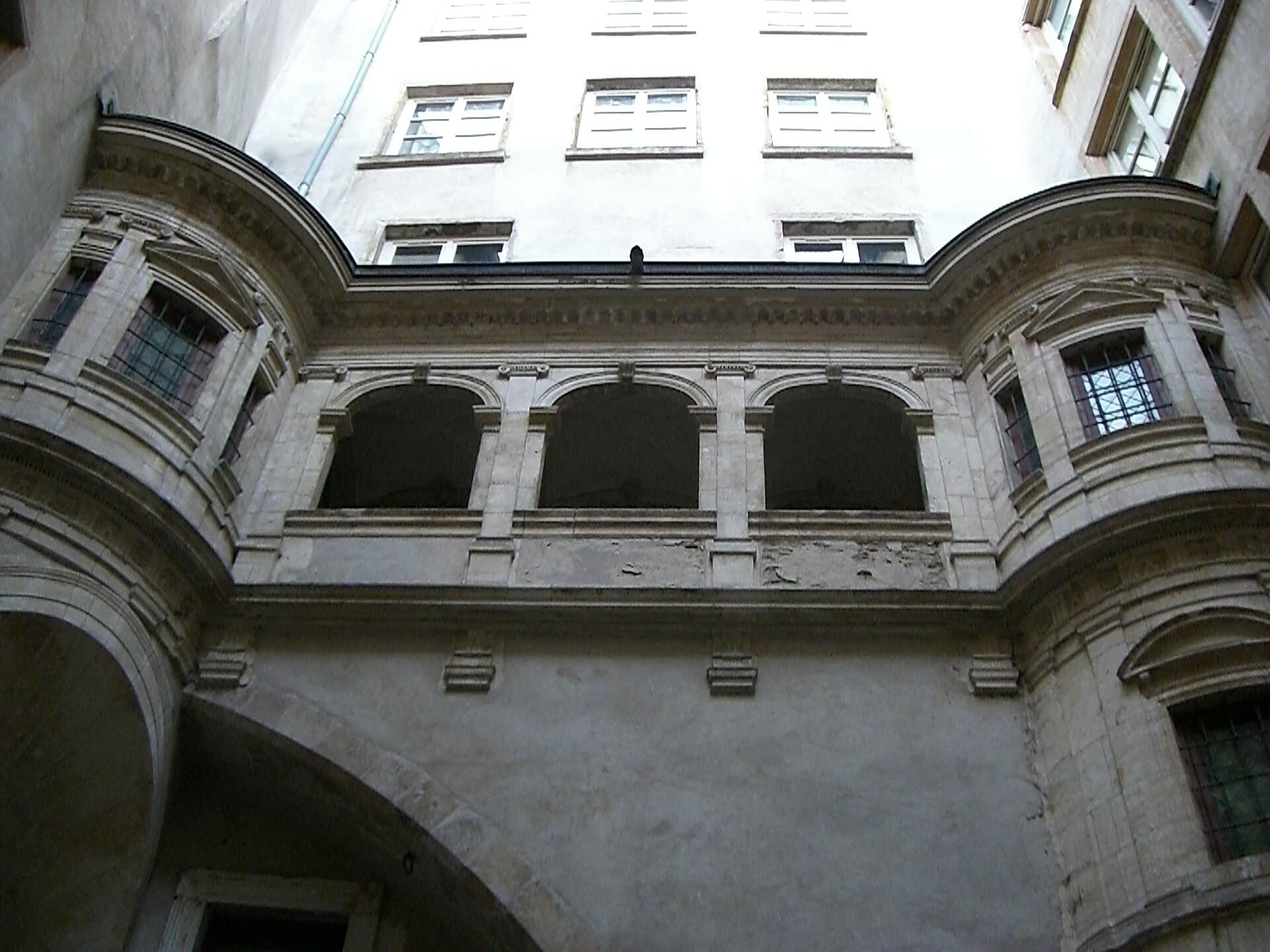 The Traboules of Old LyonThe traboules are Lyon's architectural secret: covered passages cutting through 4 minutes walk4.7
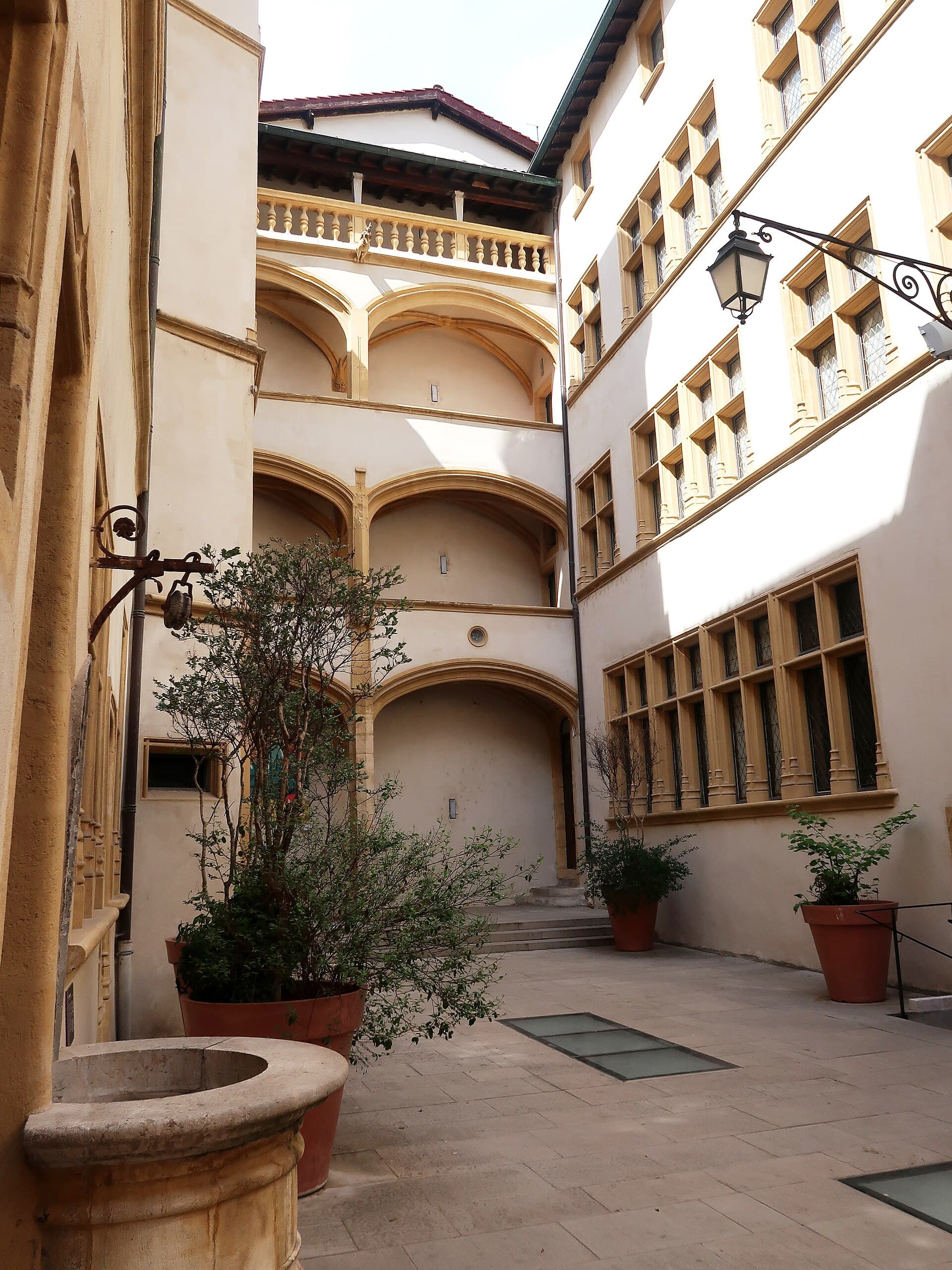 Gadagne MuseumsTwo museums in a single Renaissance mansion in the heart of Vieux Lyon: the muse5 minutes walk4.4
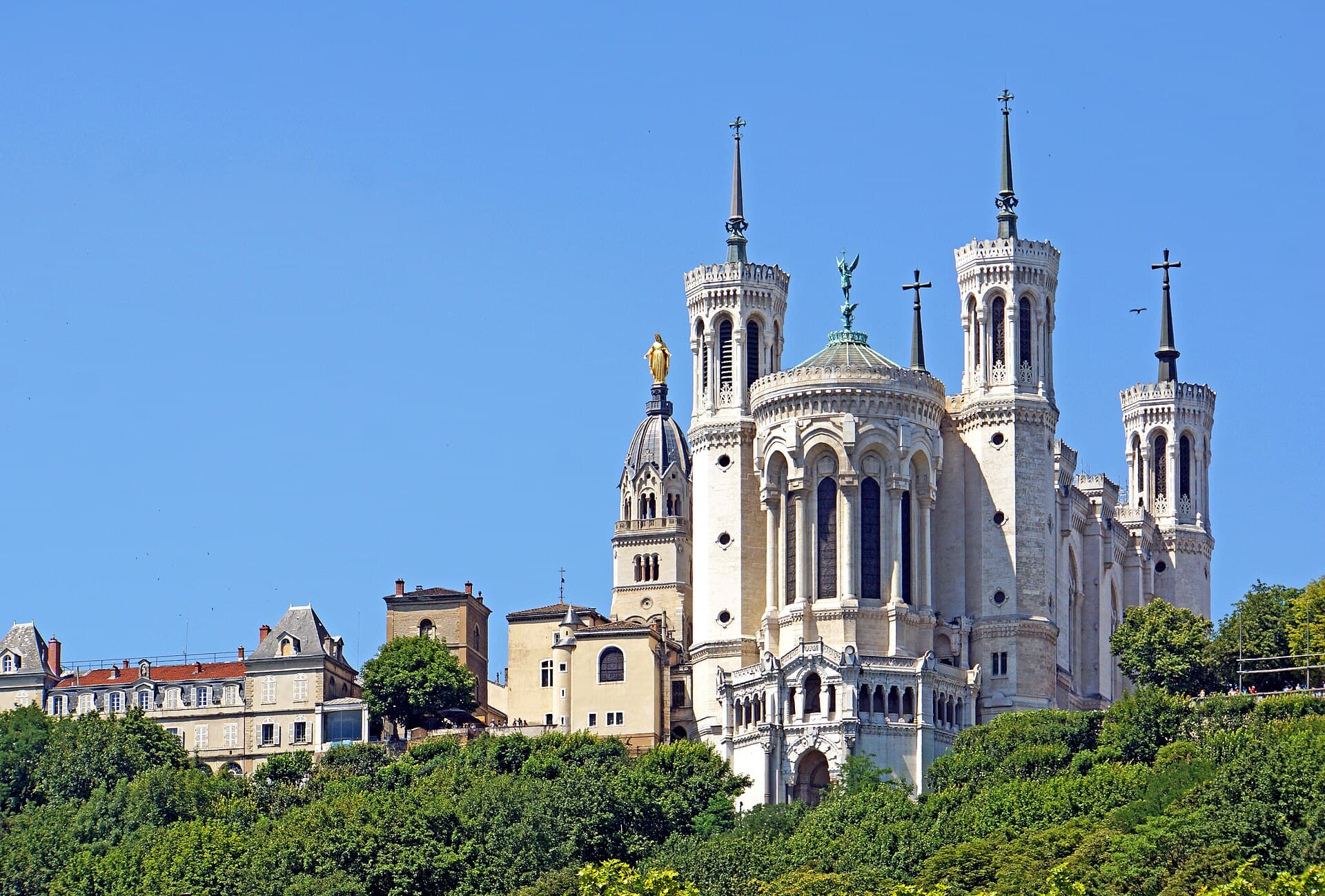 Basilica of FourvièreThe Basilica of Fourvière crowns Lyon's white hill and shows from the whole city5 minutes walk4.9
Covered passages cutting through houses street to street, made by silk merchants to move goods dry — hundreds hide behind ordinary doors in Vieux Lyon and Croix-Rousse. Dozens are free to walk: push the door politely, cross quietly, and you emerge in a Renaissance courtyard invisible from any street.
Lyon is France's oldest Christian seat — its church dates from the second century, its early martyrs are famous — so its bishop held honorary precedence over all the country's bishops, a title kept to this day.
Cathedral first, then the long Rue Saint-Jean with its lanes and traboules (try the famous no. 54), Place du Change, and the Lyon history museum in the Gadagne palace for depth — then the funicular up to Fourvière. A dense, full half-day.