
The name tells the revolution
It opened under the dictator's name and was renamed for the Carnation Revolution date after the regime fell.
Mike — CC BY 3.0 · Vitor Oliveira from Torres Vedras, PORTUGAL — CC BY 2.0 · Tinuzzo — CC BY-SA 4.0 · Maria Eklind — CC BY-SA 2.0
A suspension bridge crossing the Tagus between Lisbon and its southern bank, opened in 1966 and among the longest suspension bridges in Europe. Its resemblance to the Golden Gate in San Francisco is not coincidence: it was built by the same American company that built the San Francisco Bay Bridge, and the orange-red colour is deliberate. The difference is that this one carries a road with a railway added beneath it later. The name is itself part of the history: it opened under the dictator Salazar's name and was renamed for the date of the Carnation Revolution, 25 April 1974, after the regime fell. The lettering on the bridge was changed by citizens themselves in the days immediately after the revolution. The bridge is not visited as a monument but seen: the best views are from the Belém waterfront, from the LX Factory and from the Christ the King statue on the opposite bank. Crossing it by car or train gives a view over the city and the river.
It opened under the dictator's name and was renamed for the Carnation Revolution date after the regime fell.
The railway was added beneath the road later, and trains cross it today.
Not a visitor site; pick a good vantage point rather than planning to go to it.
Over the Tagus between Lisbon and Almada
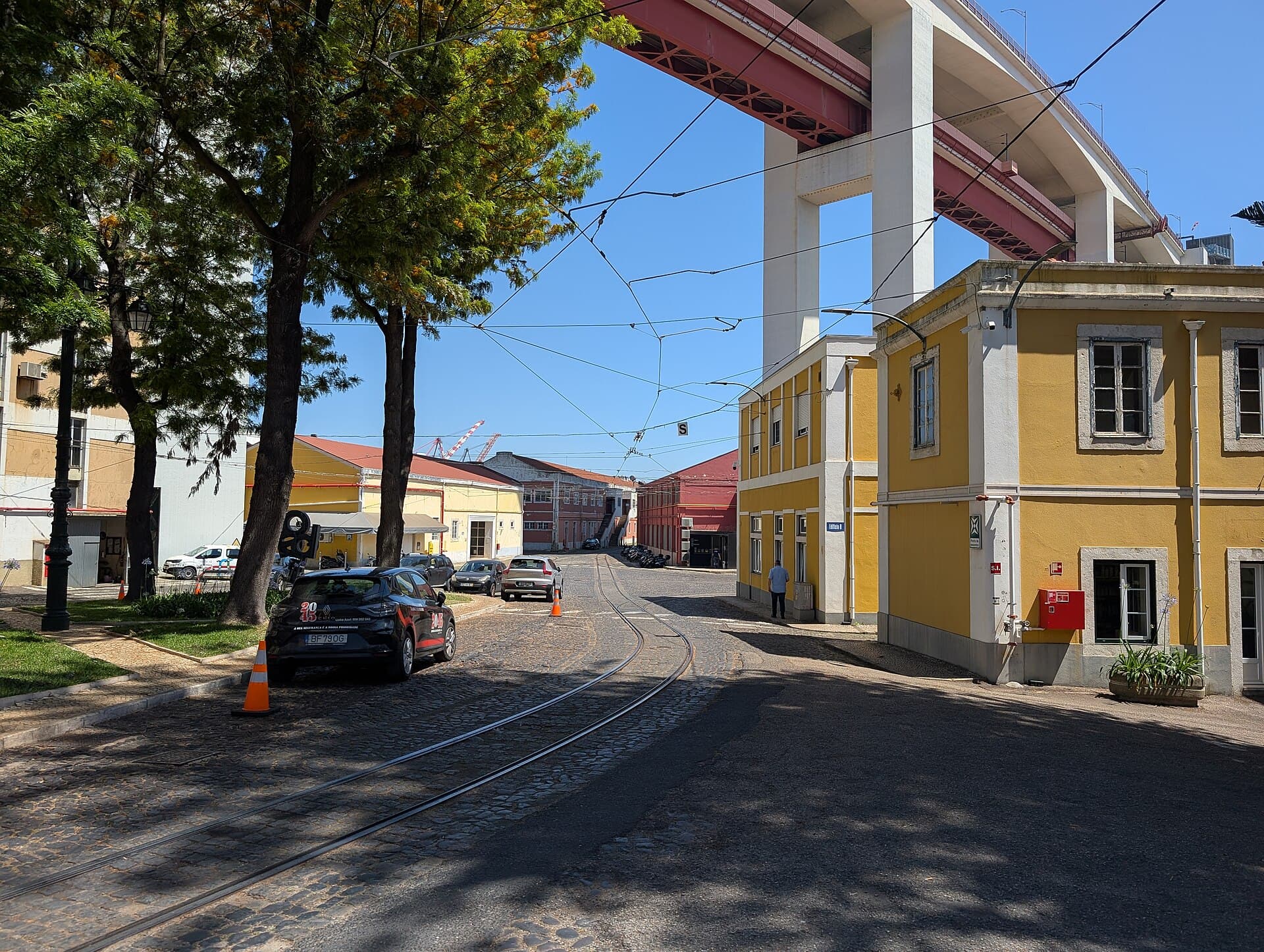 Carris Transport MuseumA museum about the history of public transport in Lisbon, run by Carris, the com11 minutes walk4.4
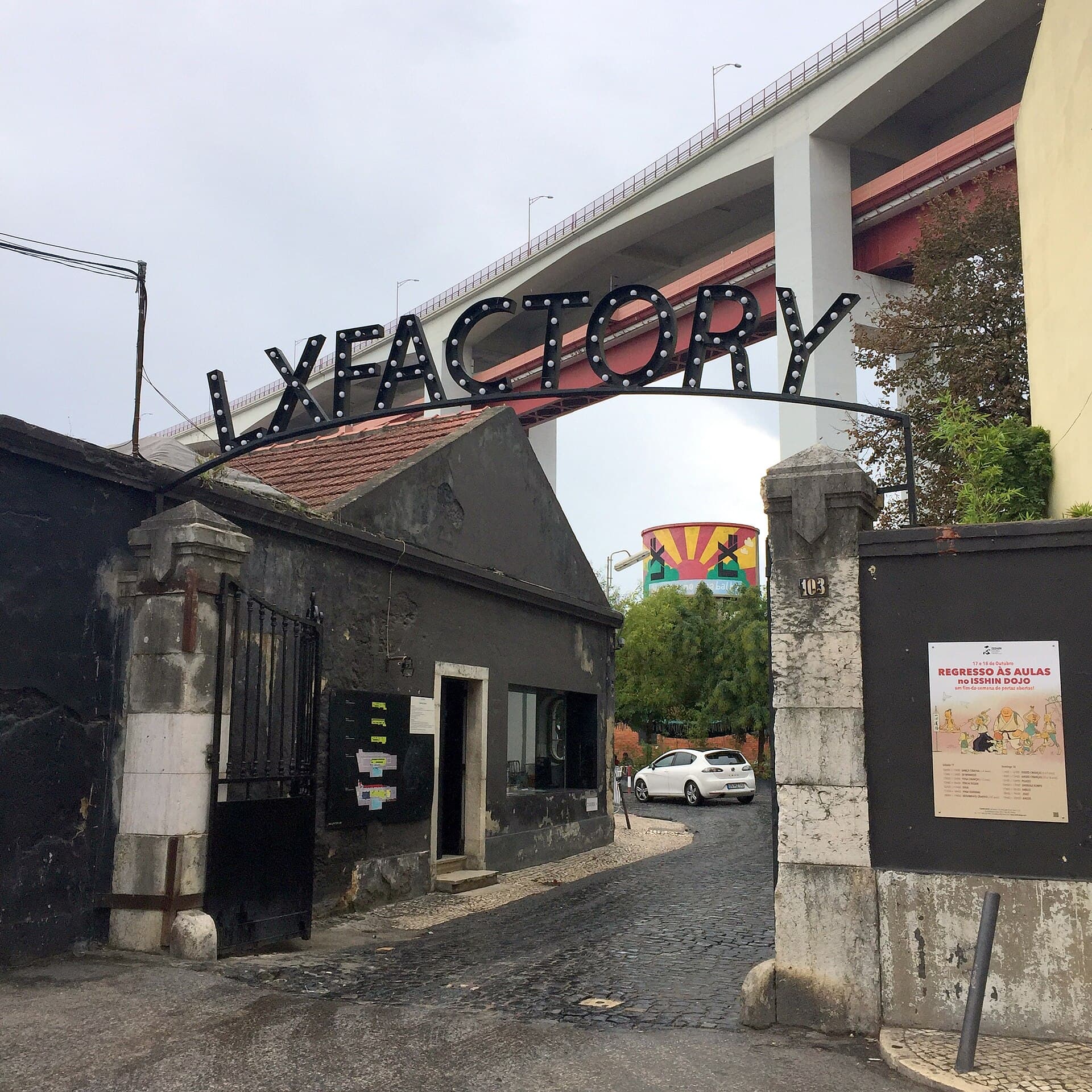 LX FactoryLX Factory is Lisbon's factory come back alive: an 1846 textile compound directl13 minutes walk4.6
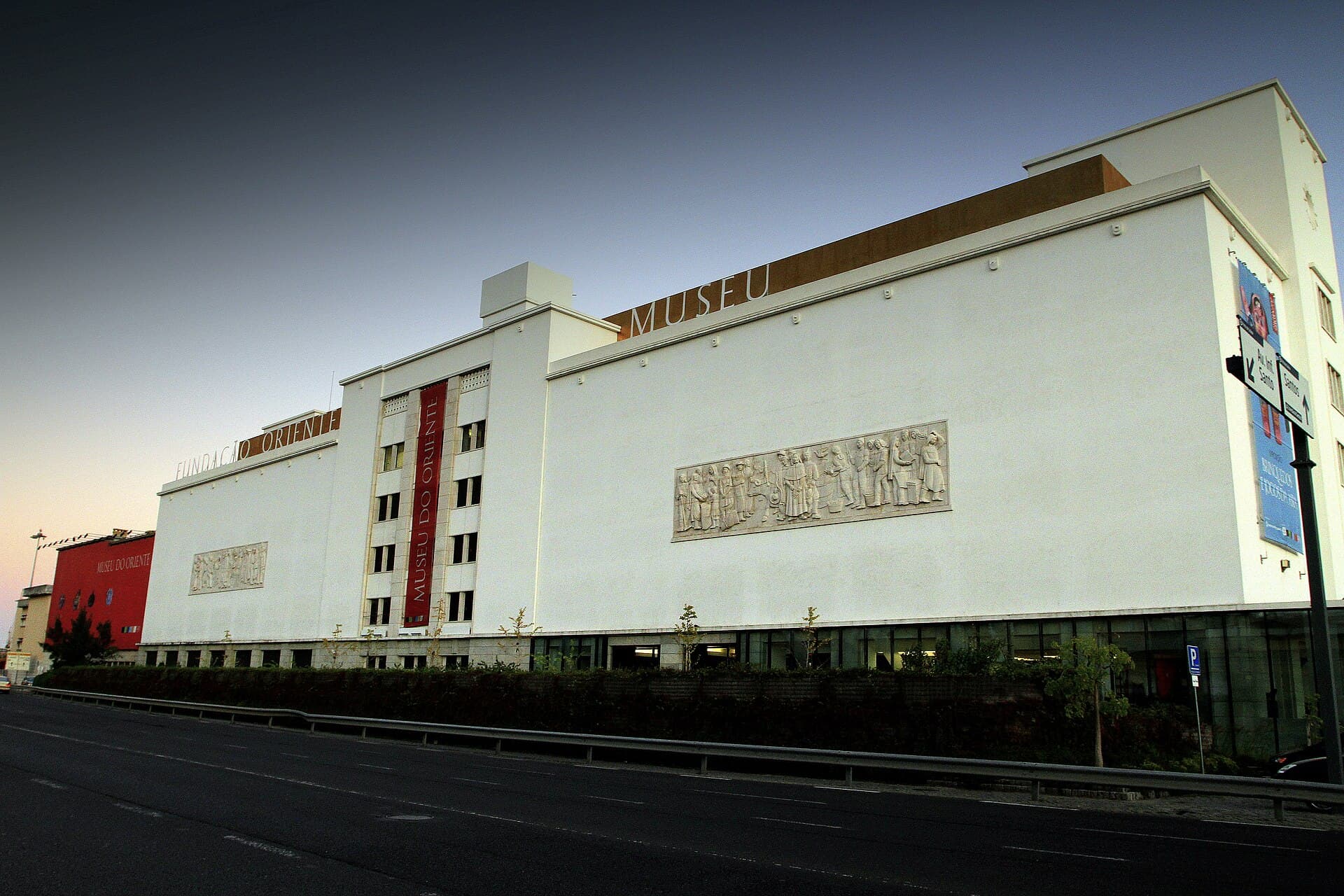 Museum of the OrientA museum about Portugal's relationship with Asia, in a vast 1930s industrial bui15 minutes walk4.6
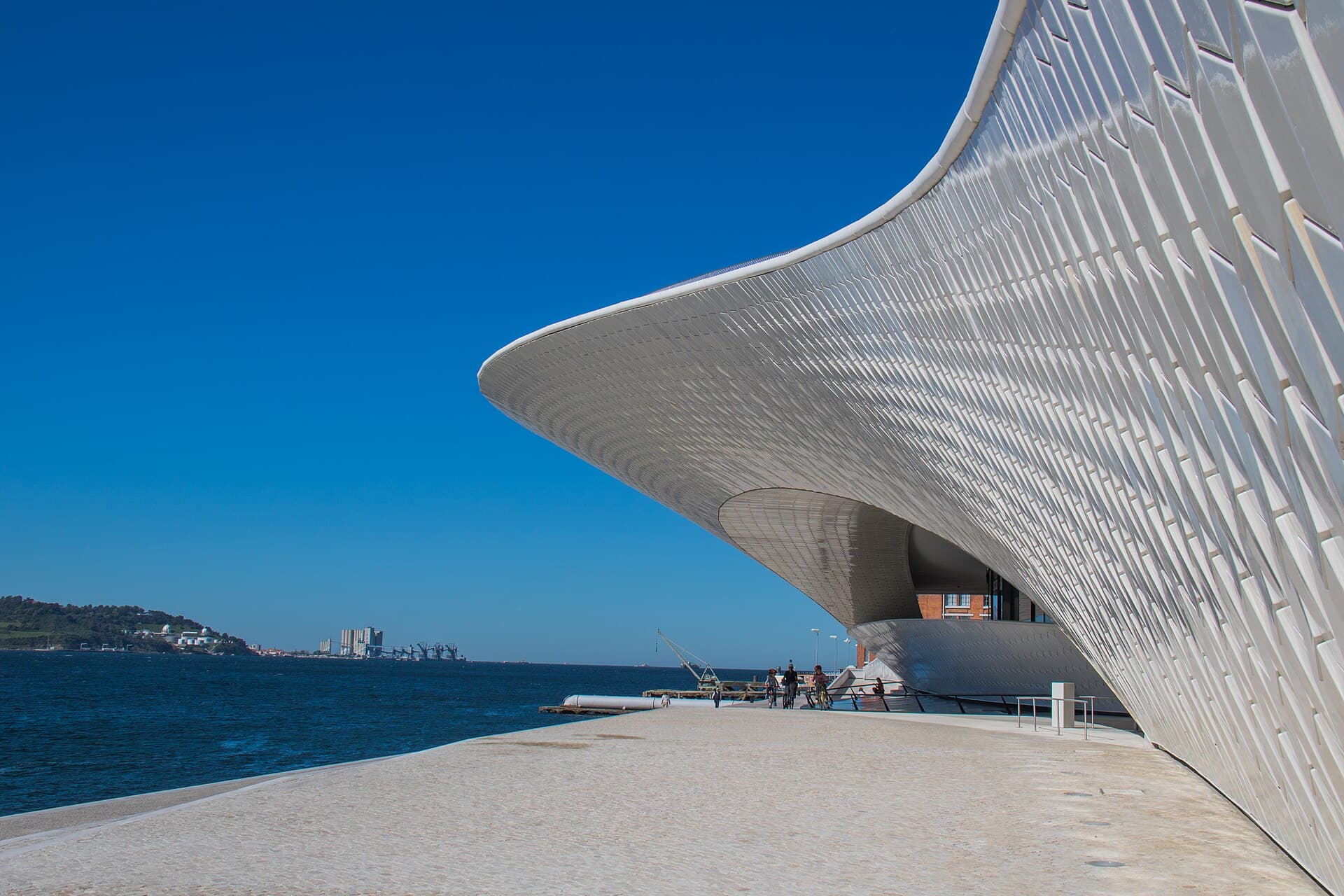 MAAT & the Tejo Power StationMAAT is Lisbon's contemporary wave on the river: the Museum of Art, Architecture17 minutes walk4.2
 The National Coach MuseumThe Coach Museum is uncontested greatest of its kind on earth: Europe's royal ce22 minutes walk4.5
From the north bank: the Belém area, the LX Factory and the riverside between them. From the south bank: the Christ the King statue in Almada gives the widest view of the bridge with the city behind it, and is worth crossing for.
By train from Cais do Sodré towards the south bank, cheaper and easier than driving and with a good view. Or take the ferry from Cais do Sodré to Cacilhas, which does not cross the bridge but gives an excellent view of it from the water.