
Two aqueducts overhead
The water channels are visible in section above the arches — you see how Rome was supplied.
BRUNNER Emmanuel (manu25) — CC BY-SA 3.0 · Livioandronico2013 — CC BY-SA 4.0 · Livioandronico2013 — CC BY-SA 4.0 · Rijksmuseum — CC0
A gate in the Roman wall built in AD 52 under the emperor Claudius — and originally not a gate at all: it is a bridge carrying two aqueducts over two roads, absorbed into the Aurelian Wall two centuries later and given a defensive job. Its stone is deliberately left rough and unfinished — a signature of Claudian architecture that gives it an odd primitive force. Above, the water channels are still visible in section, showing exactly how the aqueduct carried water into the city. Standing immediately in front of it is the Tomb of Eurysaces the Baker, from around 30 BC: a large monument built by a freed slave in the shape of ranked bread ovens, with a carved frieze showing breadmaking step by step. The tomb of an ordinary man proud of his trade — very rare in Roman remains, and one of the most endearing things in Rome. The site is a noisy traffic circle ten minutes from St John Lateran, viewed free from the pavement. It does not merit a dedicated trip, but it is an excellent stop if you are in the area.
The water channels are visible in section above the arches — you see how Rome was supplied.
A tomb shaped like ovens raised by a freed slave in pride at his trade — very rare in Roman remains.
Piazza di Porta Maggiore, Rome
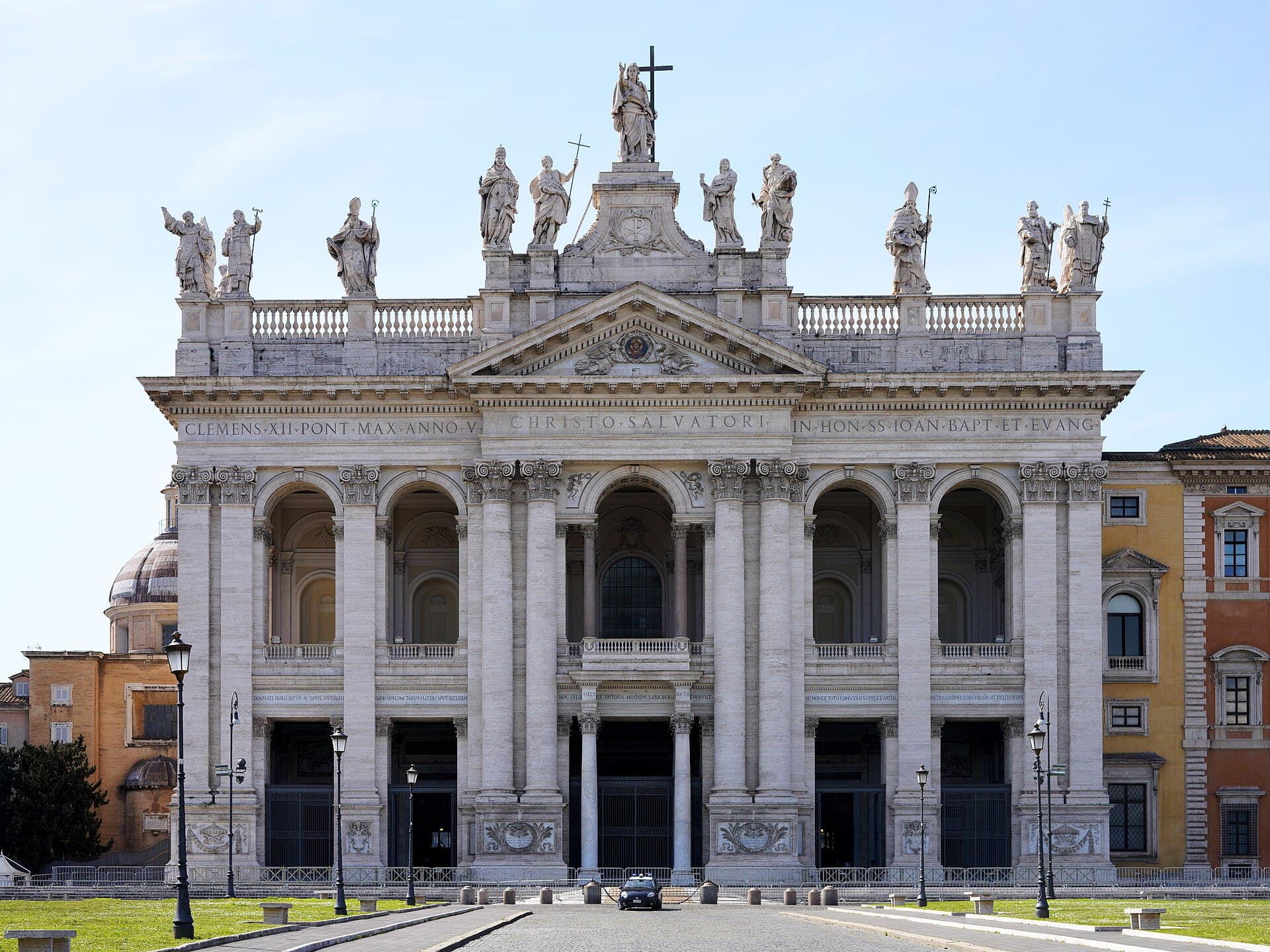 Archbasilica of St. John LateranA surprise most visitors miss: Rome's actual cathedral is not St Peter's but thi12 minutes walk4.7
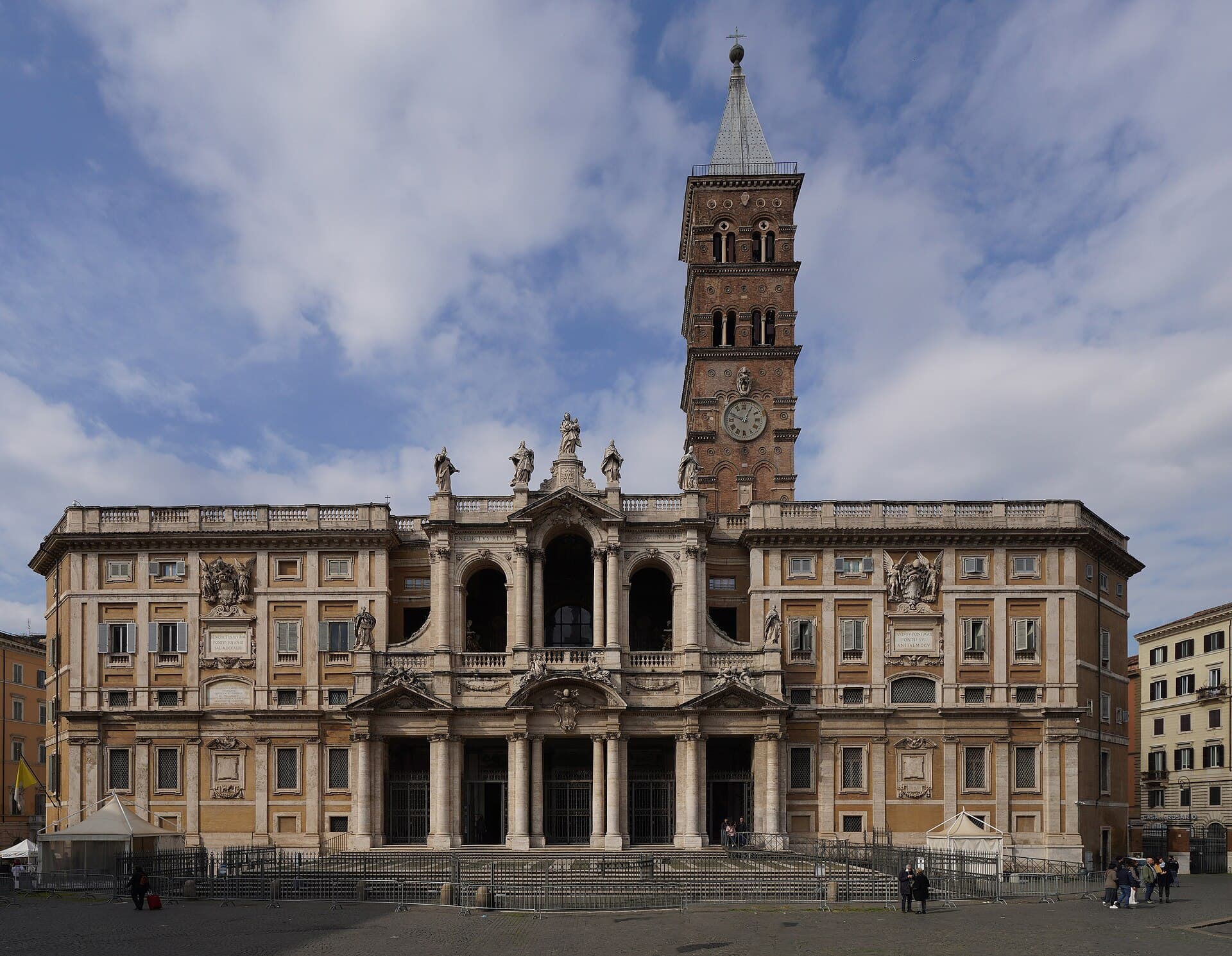 Basilica di Santa Maria MaggioreOne of Rome's four great papal basilicas, and the oldest church in the West dedi19 minutes walk4.9
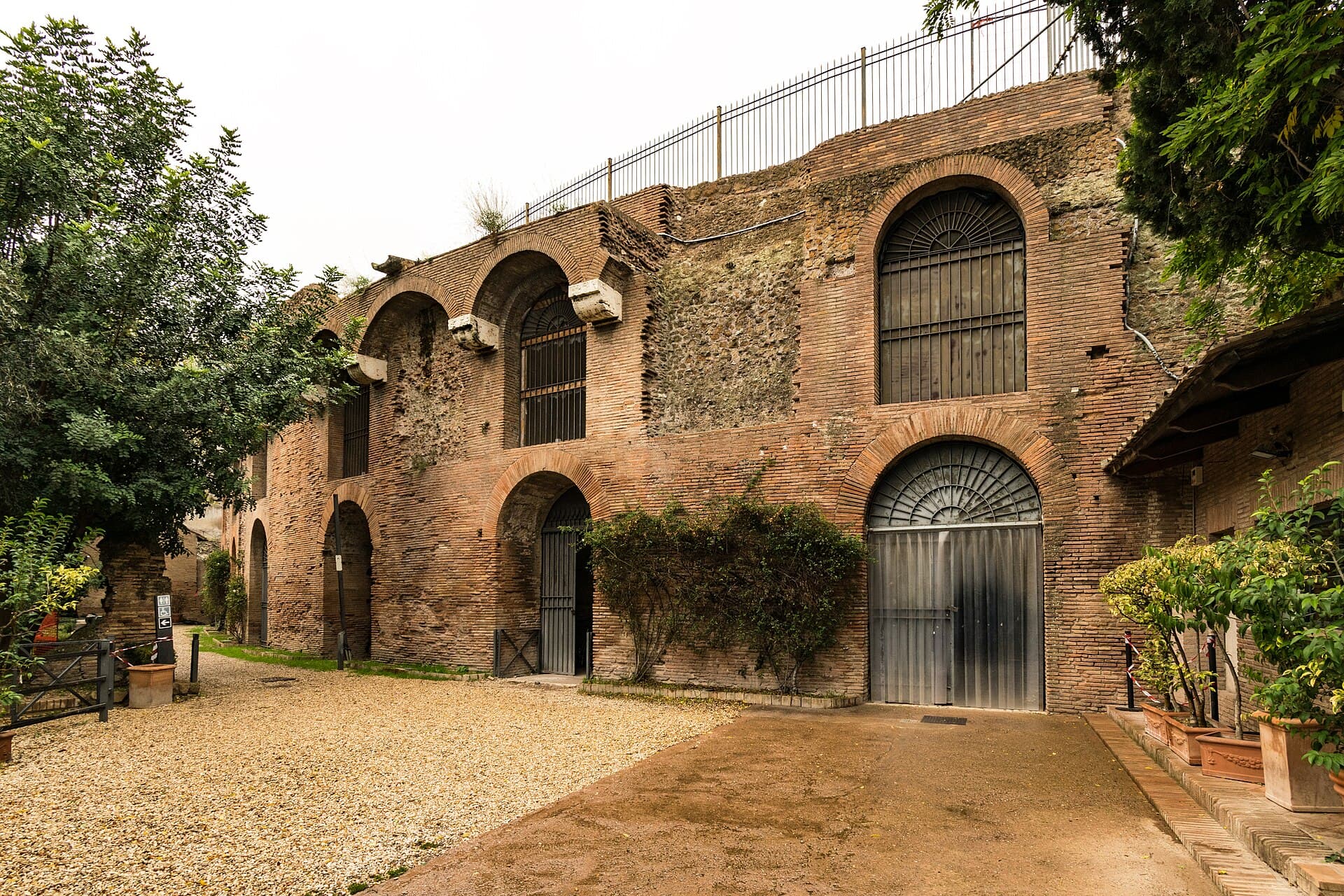 Domus Aurea (Nero's Golden House)After Rome's great fire (64 AD) Nero built himself the Golden House: a colossal 21 minutes walk4.7
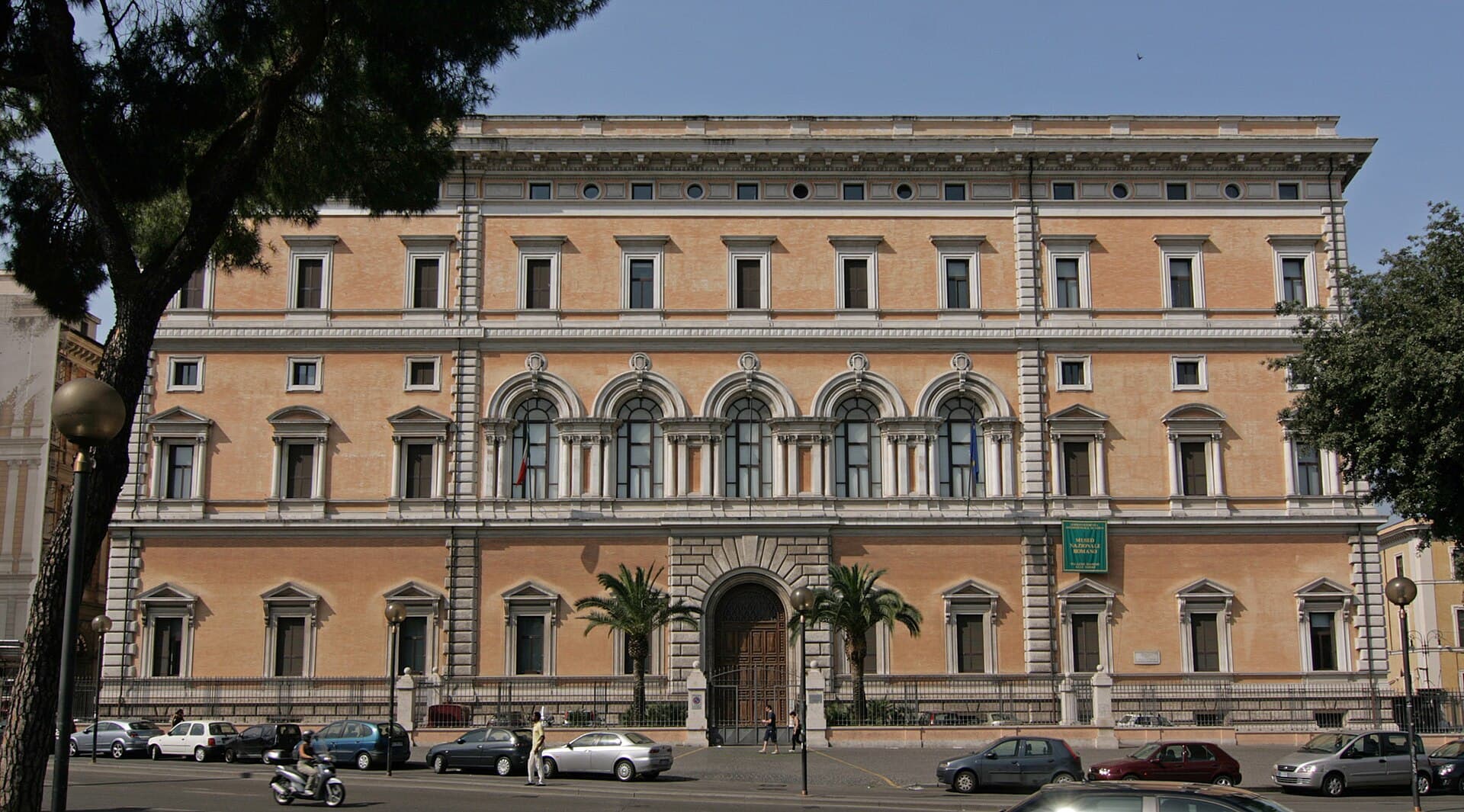 Palazzo Massimo alle TermeThe best museum in Rome that nobody knows. A branch of the National Roman Museum23 minutes walk4.5
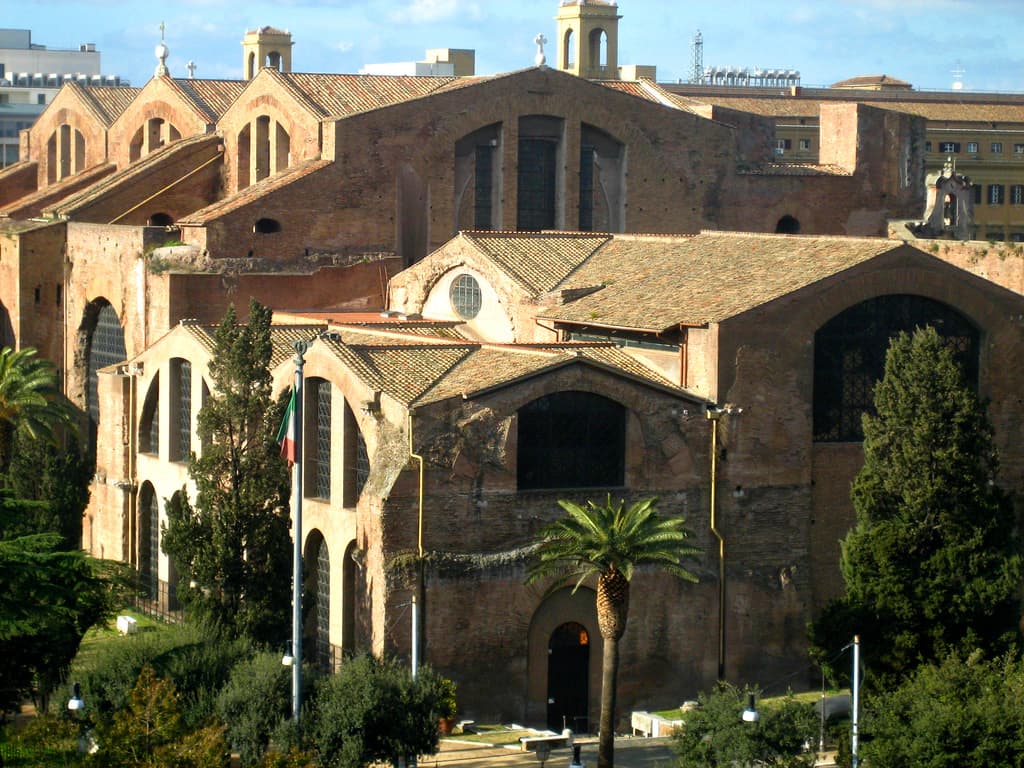 Baths of DiocletianThe largest bath complex the Romans ever built: three thousand bathers at once, 24 minutes walk4.6
No. Make it a short stop after St John Lateran or on your way by tram — fifteen minutes covers it fully.