
Michelangelo's cloister
One of the largest cloisters in Italy, its arms a hundred metres long, edged with seven carved animal heads whose ancient ones came from sixteenth-century digs near Trajan's Column, and easily the best thing the ticket buys.
CC BY 2.0 · Fratelli Alinari — Public domain · Edgar El — CC BY 3.0 · ProtoplasmaKid — CC BY-SA 3.0
The largest bath complex the Romans ever built: three thousand bathers at once, spread over ground that would swallow whole neighbourhoods of modern Rome. It was finished around AD 306, and then the city swallowed it back. Piazza della Repubblica still curves in the shape of the old semicircular exedra, Termini station sits on the far edge, and thousands of travellers cross this ground every day without knowing it was once steam, pools and marble. What the ticket actually buys is a slice of that structure repurposed as a branch of the National Roman Museum: the epigraphic department, one of the most important collections of Latin inscriptions in the world, and the great Carthusian cloister whose design is attributed to Michelangelo, with its row of carved animal heads watching from the parapet. Check before you go, though: the protohistoric section on Latium, the open-air Natatio and Hall VIII are all closed to the public until further notice, which thins the visit considerably. Be honest with yourself about the inscriptions: they are a genuine pleasure if you like archaeological detail or read a little Latin, and completely dull if you do not. The cloister alone, for its scale and its silence, is worth more than the cases. The church is a separate matter, and it is worth getting this straight before you arrive. Santa Maria degli Angeli e dei Martiri occupies the frigidarium, the cold hall, which Michelangelo turned into a church in his last years. It is free, it has its own door on Piazza della Repubblica, and it has nothing to do with the ruins ticket or its hours. If your time in Rome is short, take the church and skip the rest: ten minutes under that original Roman vault explains the scale of the place better than an hour among carved stones. So who is this for? The 15-euro ticket is not a single-site ticket at all. It opens the National Roman Museum over one week from first use, one entry per venue: Palazzo Massimo, which is the strongest of them by a clear margin, Palazzo Altemps, the Baths together with the Octagonal Hall, and Crypta Balbi, which is closed for restoration and in practice leaves you three. A first-time visitor with three days and the Colosseum and the Vatican on the list has no business here, frankly. But a second- or third-time visitor, or anyone staying near Termini with an hour to fill before a train, will find a site almost empty of crowds, cool shaded halls in the summer heat, and plenty of halal restaurants a few minutes away in the streets around Termini and Esquilino.
One of the largest cloisters in Italy, its arms a hundred metres long, edged with seven carved animal heads whose ancient ones came from sixteenth-century digs near Trajan's Column, and easily the best thing the ticket buys.
One of the most important collections of Latin inscriptions in the world: gravestones, contracts and laws in which you read ordinary lives rather than emperors.
The cold hall became Santa Maria degli Angeli, entered free from Piazza della Repubblica with no ticket at all.
Viale Enrico De Nicola 78, 00185 Rome
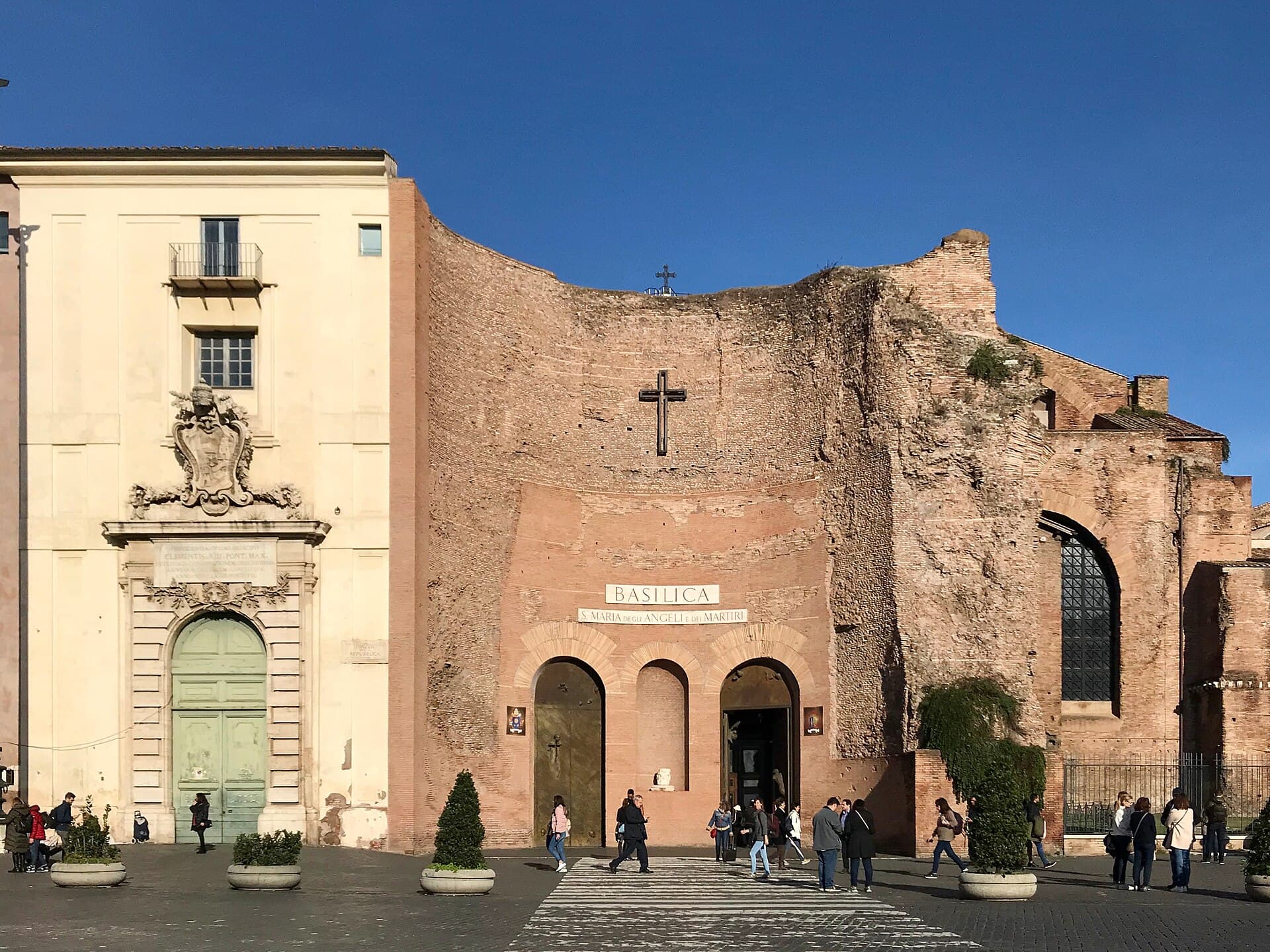 Santa Maria degli Angeli e dei MartiriA church built inside the central hall of the Baths of Diocletian — the largest 1 minute walk4.8
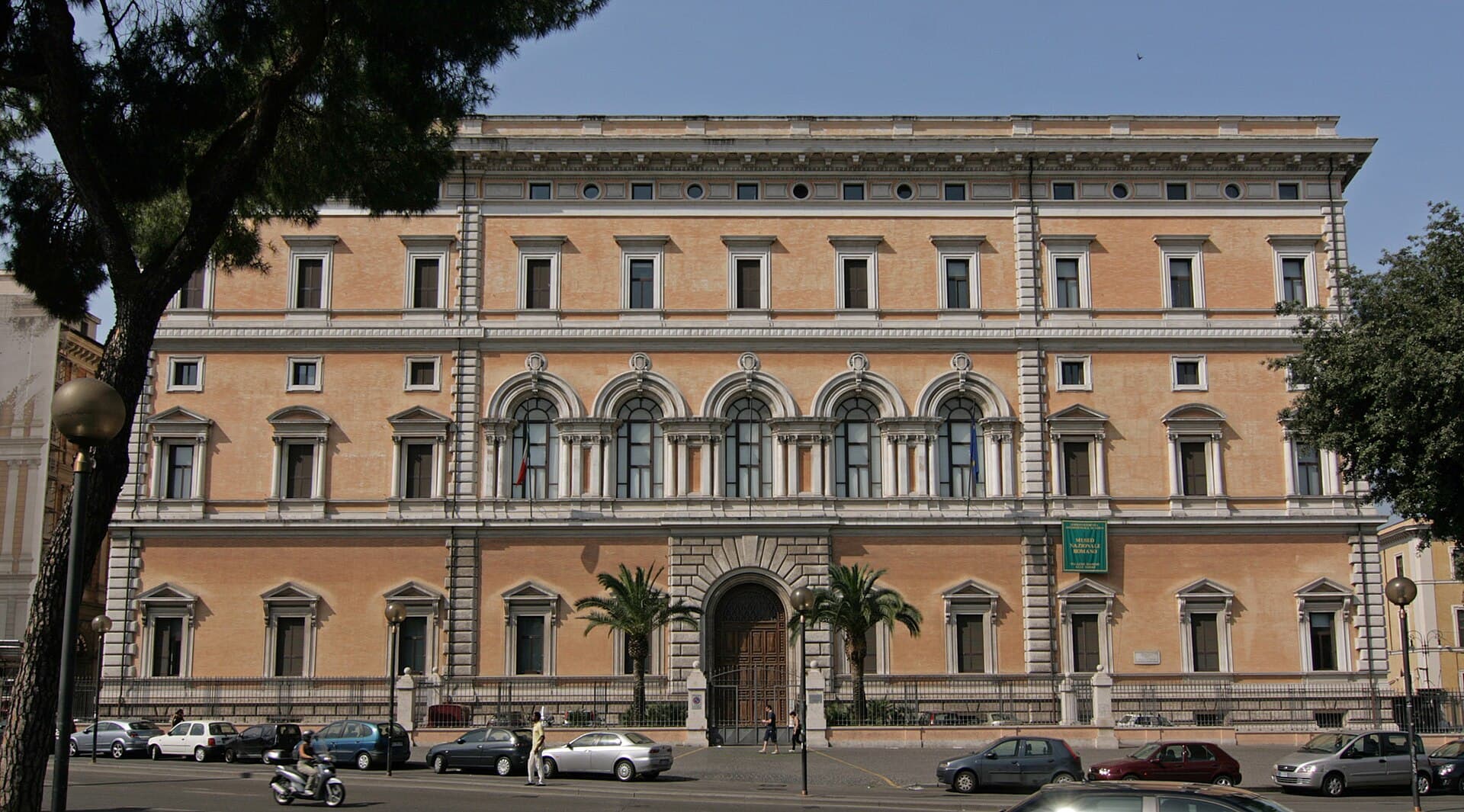 Palazzo Massimo alle TermeThe best museum in Rome that nobody knows. A branch of the National Roman Museum2 minutes walk4.5
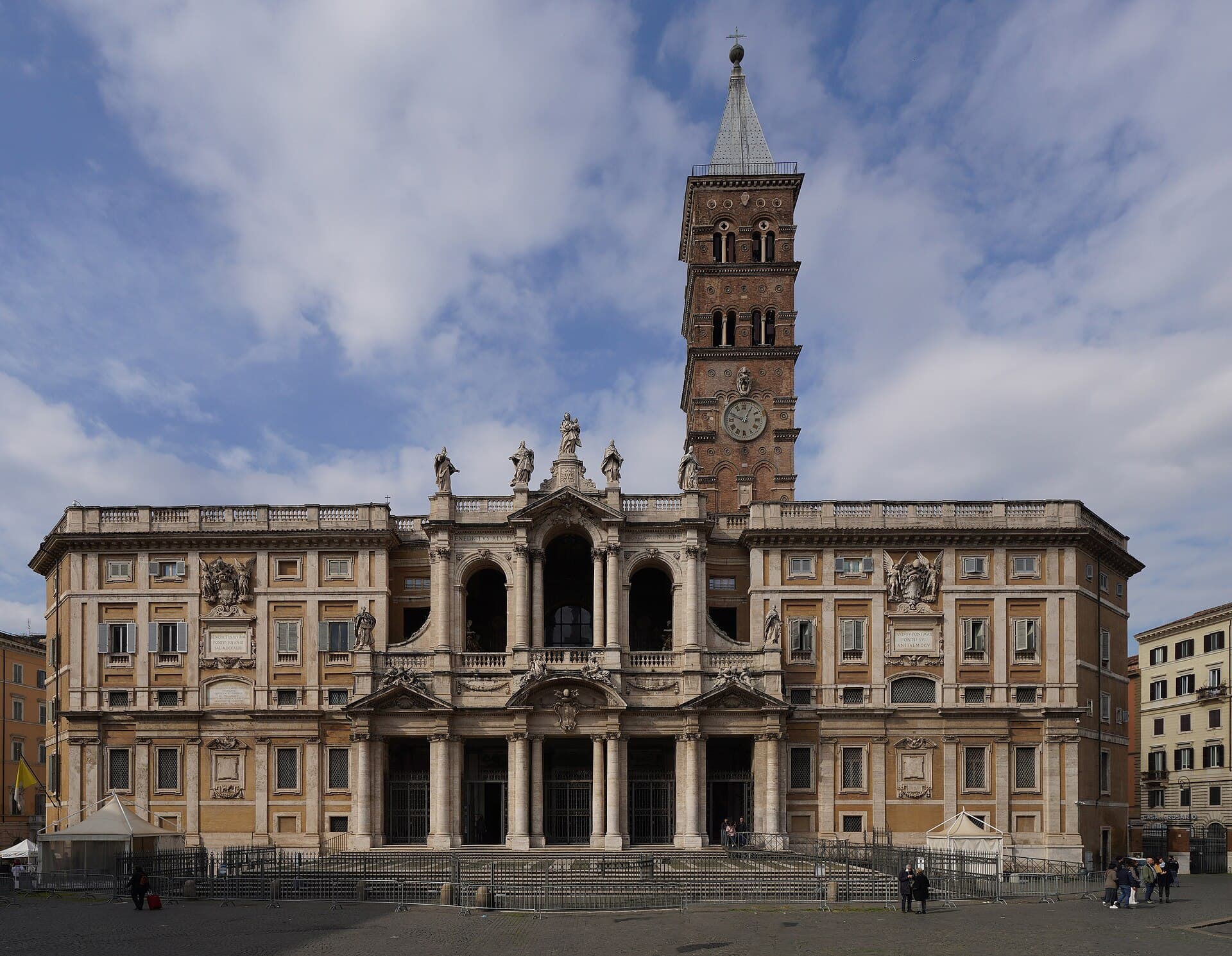 Basilica di Santa Maria MaggioreOne of Rome's four great papal basilicas, and the oldest church in the West dedi7 minutes walk4.9
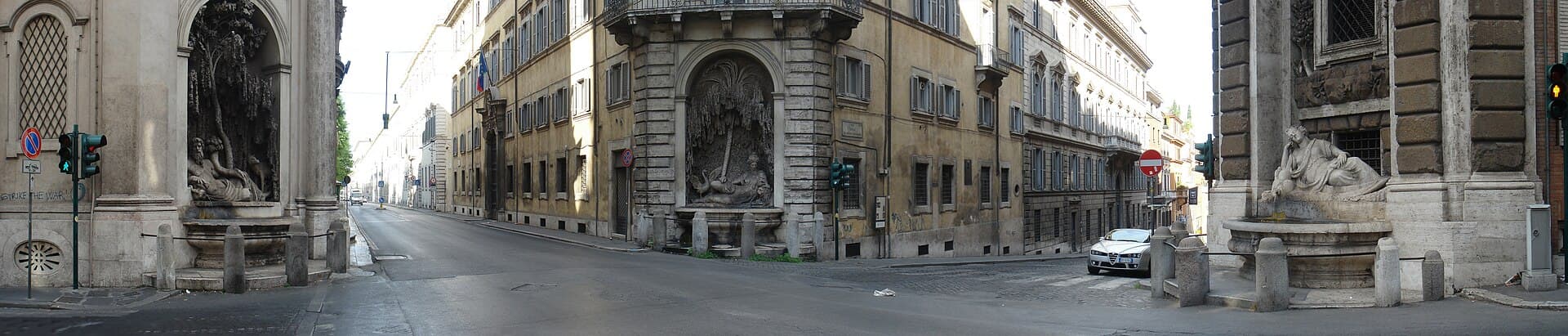 The Four FountainsFour fountains in the corners of a street crossing in Rome, set up between 1588 8 minutes walk4.4
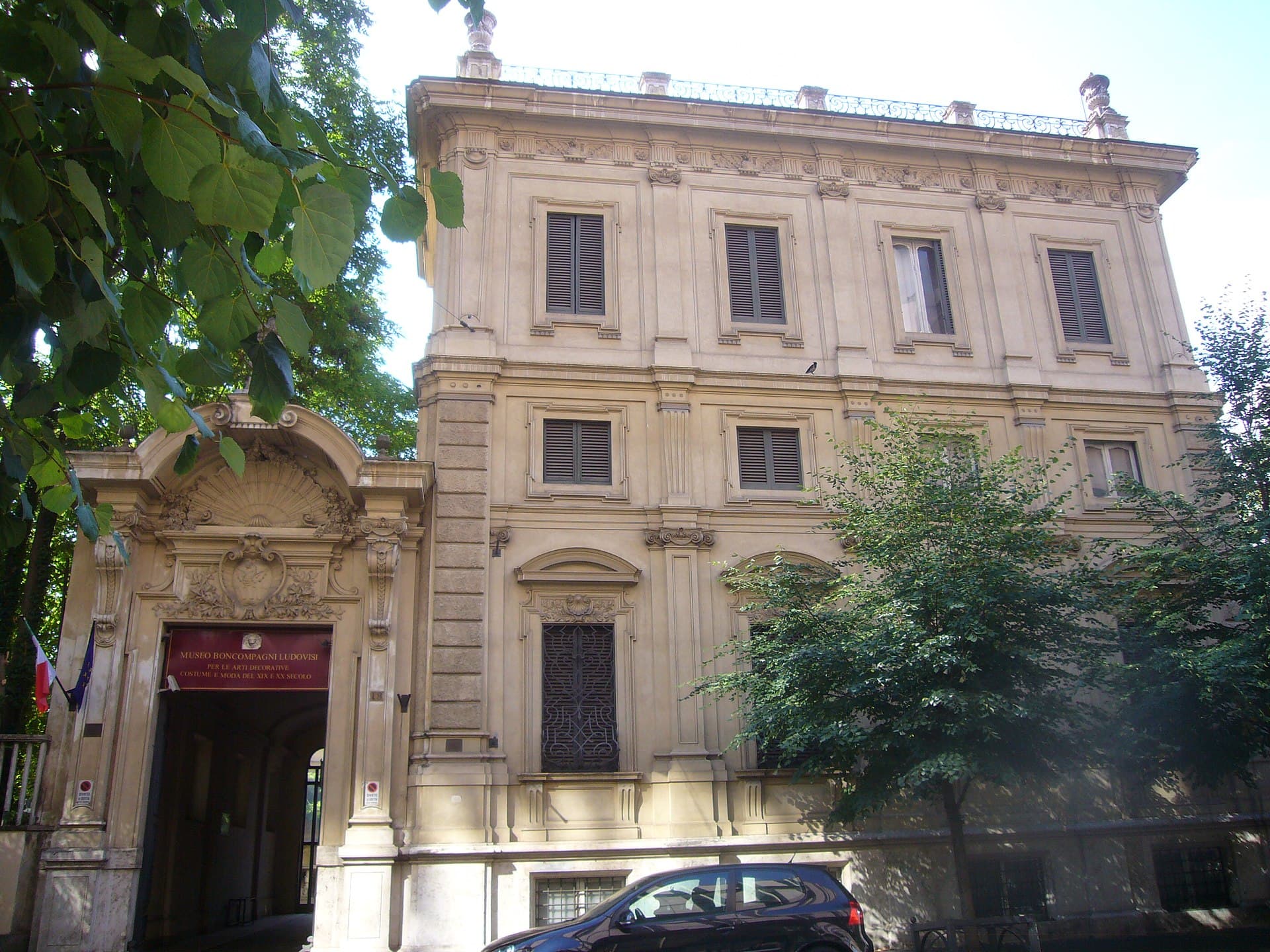 Museo Boncompagni LudovisiRoughly eight hundred pieces of Italian fashion hang in the salons of an aristoc9 minutes walk4.6
Looking for halal food near Baths of Diocletian? There are several options nearby, from Moroccan and Indian kitchens to quick casual spots and places with a view. Confirm the halal status and opening hours before you go — these can change.
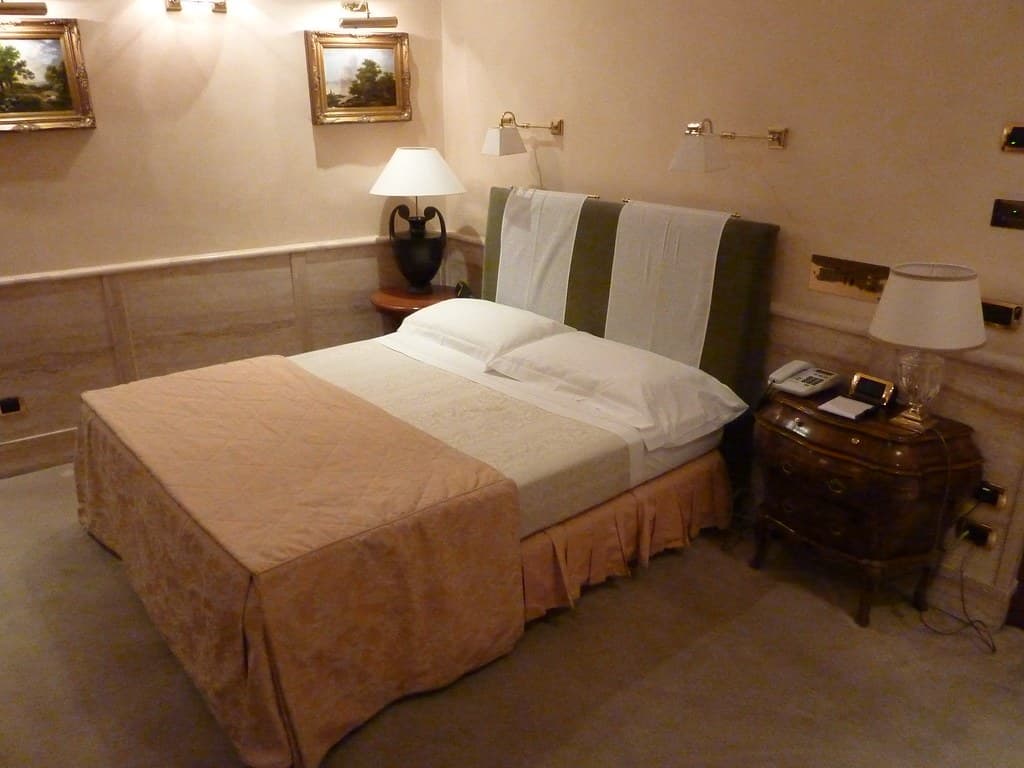 Hotel BaroccoA four-star hotel looking directly onto Piazza Barberini and Bernini's Triton Fo11 minutes walk · $$$$4.9The St. Regis RomeRome's oldest grand hotel and its most historic: opened in January 1894 as the G4 minutes walk · $$$$4.8
No. This is honestly not a first-timer's site, all the more so while the protohistoric section and the Natatio are shut. If you already hold the ticket, spend the time on Palazzo Massimo a few minutes' walk away instead, which is the strongest museum in the group by far. And if you want to see the Baths without losing an hour, step into the free church from Piazza della Repubblica and move on. Save the museum halls for your second trip to Rome.
Booking is optional and in practice unnecessary; the site is rarely busy. But there are no staffed ticket desks any more: you buy online or at the kiosks by the entrance, by card only, cash is not accepted at all and cards without a chip are refused. Note too that it is closed on Mondays, and that the Octagonal Hall is included in the 15-euro ticket and can also be bought on its own for 5 euro since July 2026.