
Socialist planning
Rebuilt with wide voids and spaced buildings rather than as it had been.
Lupus in Saxonia — CC BY-SA 4.0 · Bybbisch94, Christian Gebhardt — CC BY-SA 4.0 · Bybbisch94, Christian Gebhardt — CC BY-SA 4.0 · Bybbisch94, Christian Gebhardt — CC BY-SA 4.0
A square in central Dresden west of the Zwinger, and the city's main transport hub where most tram lines meet. Its story is the story of Dresden in concentrated form. Before 1945 the square was ringed by dense historic buildings and was among the liveliest places in the city. In the bombing of February 1945 it was completely destroyed. Under communist rule it was rebuilt not as it had been but with widely spaced modern buildings and broad open space, on the socialist planning principle that favoured emptiness and wide axes. After 1990 contemporary commercial buildings were added. The result is a square carrying three layers of time and belonging fully to none of them: remnants of the prewar city, socialist architecture, and contemporary retail. That makes it not beautiful in the usual sense, but useful for understanding: you stand in it and see how two different generations decided what the city should be after it lost itself. In practice it is the tram interchange you will inevitably pass through.
Rebuilt with wide voids and spaced buildings rather than as it had been.
Standing in it you see how two generations decided what the city should be after ruin.
You will pass through it inevitably moving around Dresden by tram.
West of the Zwinger, central Dresden
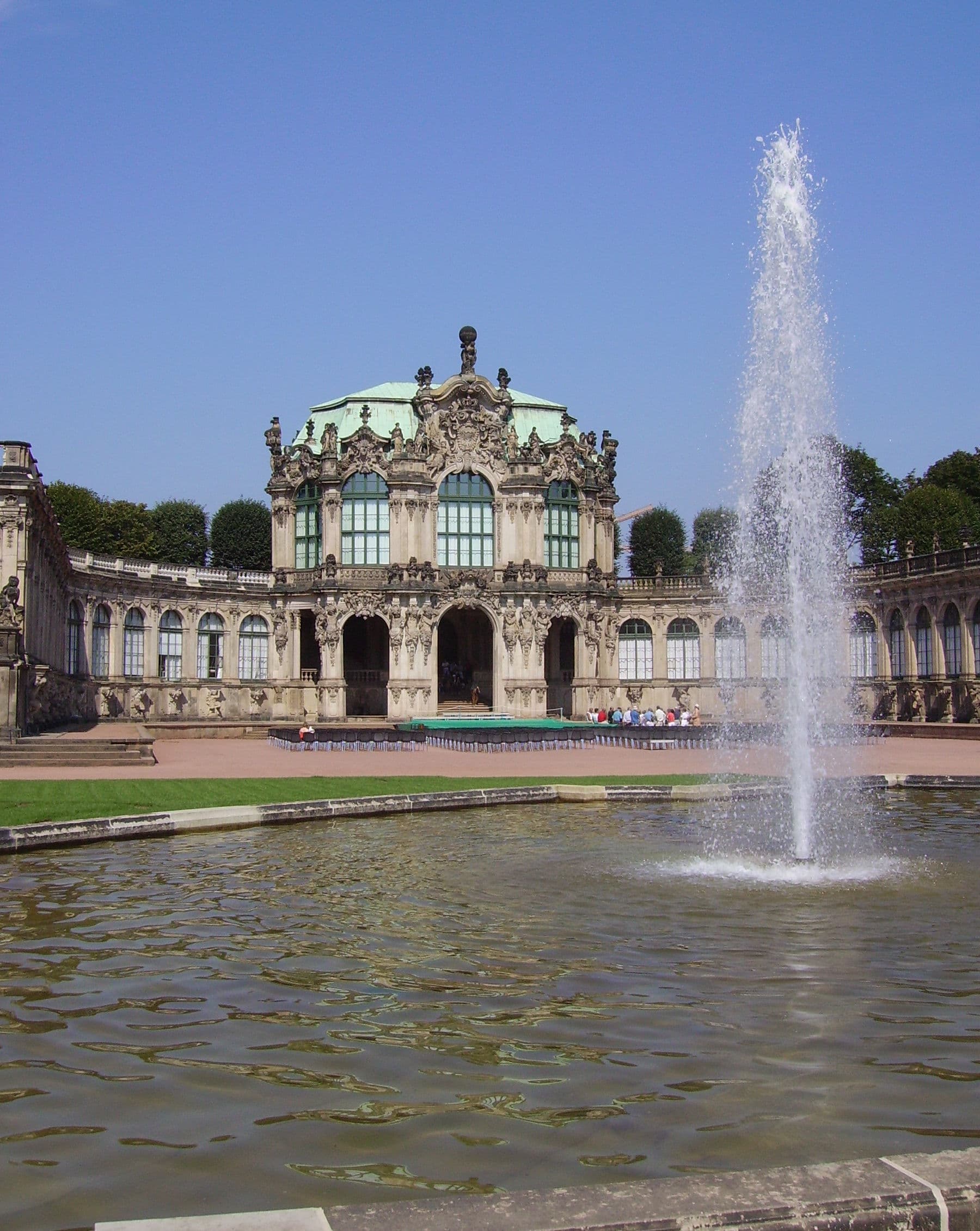 Zwinger PalaceThe Zwinger is Dresden's best-known building, a baroque complex put up between 13 minutes walk4.6
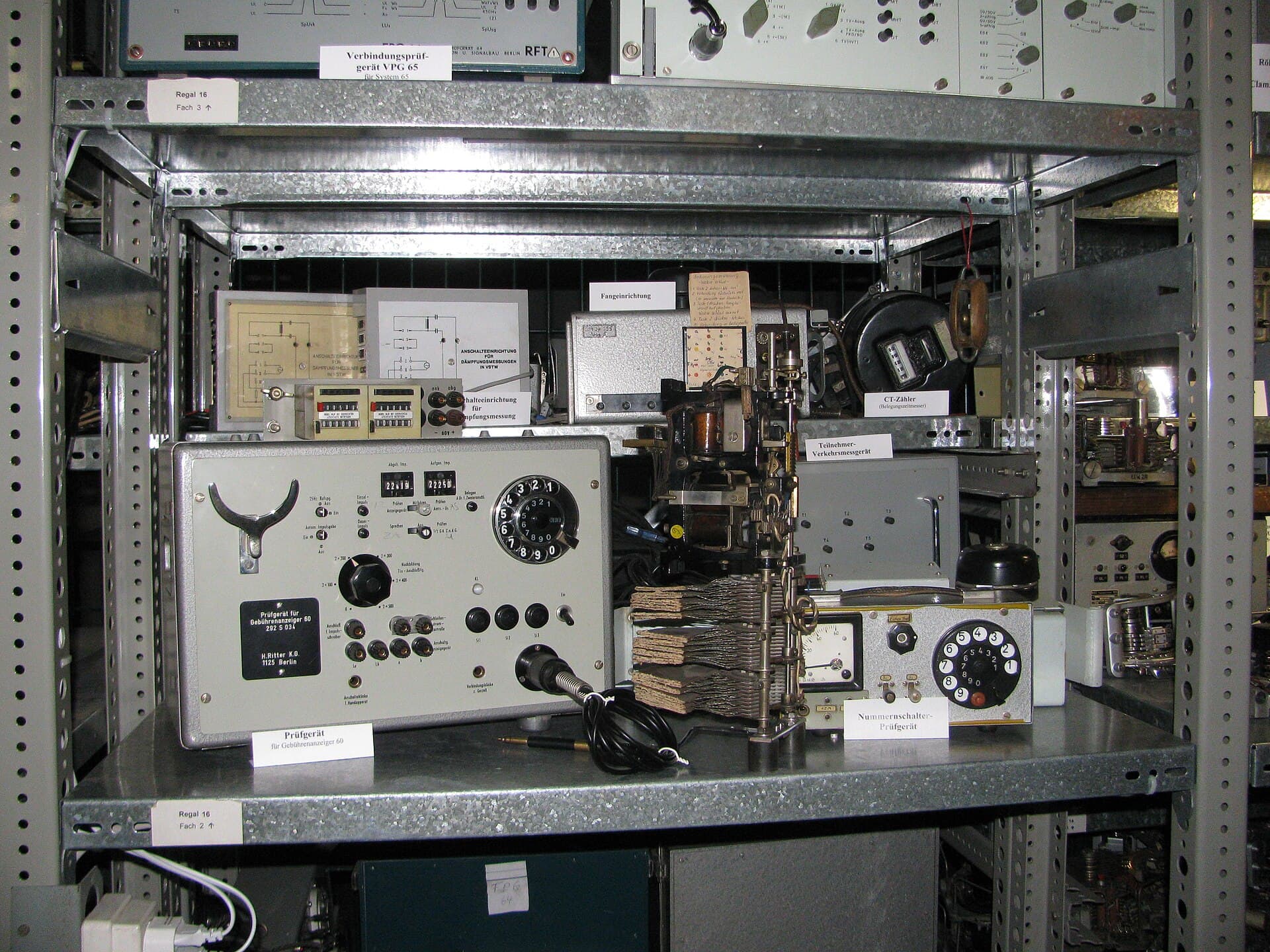 The Telecommunications MuseumDresden's telecommunications museum is a small technical museum on the history o3 minutes walk4.4
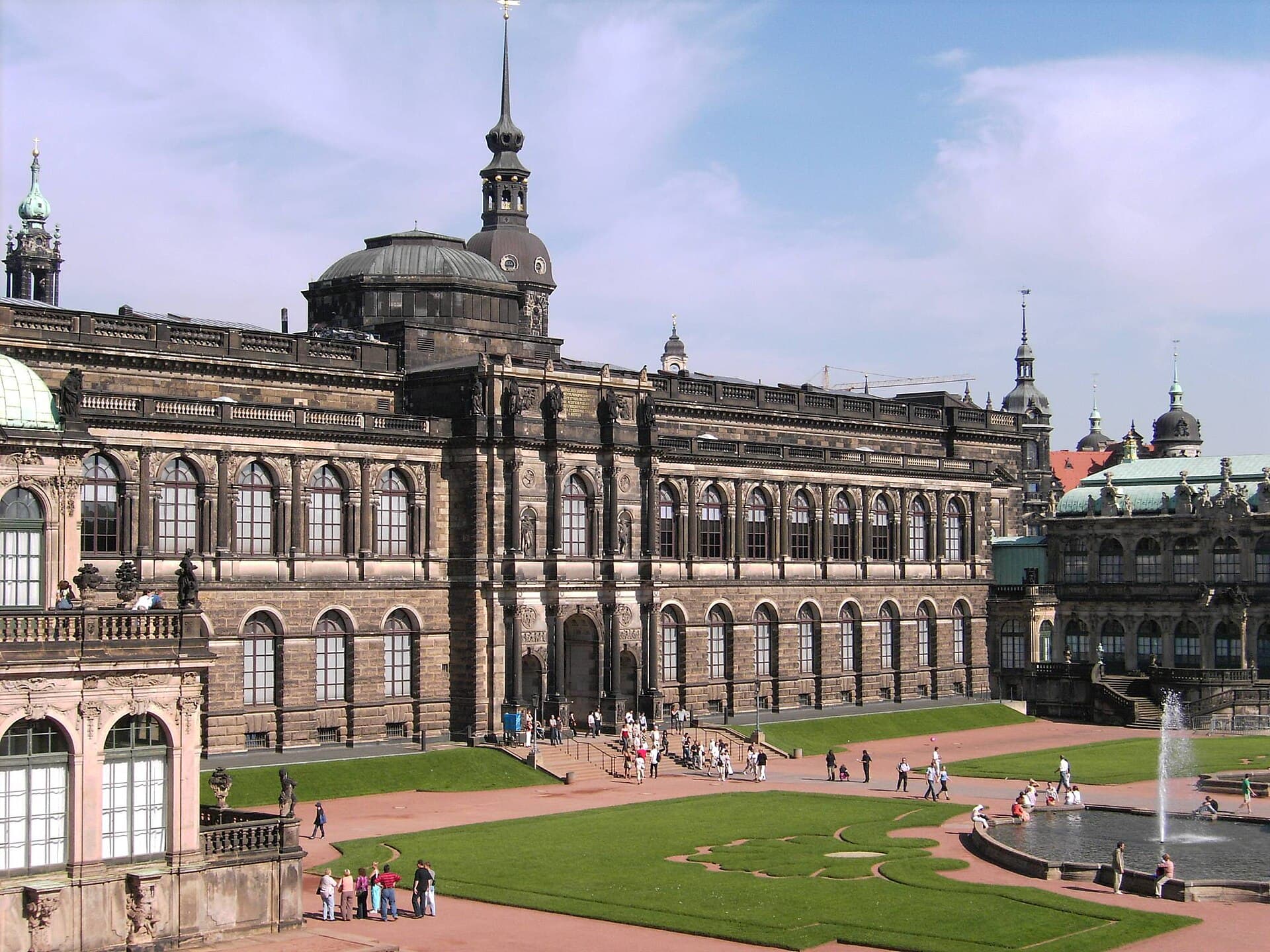 Old Masters Picture GalleryThe Old Masters Picture Gallery is one of Europe's most important painting colle3 minutes walk4.7
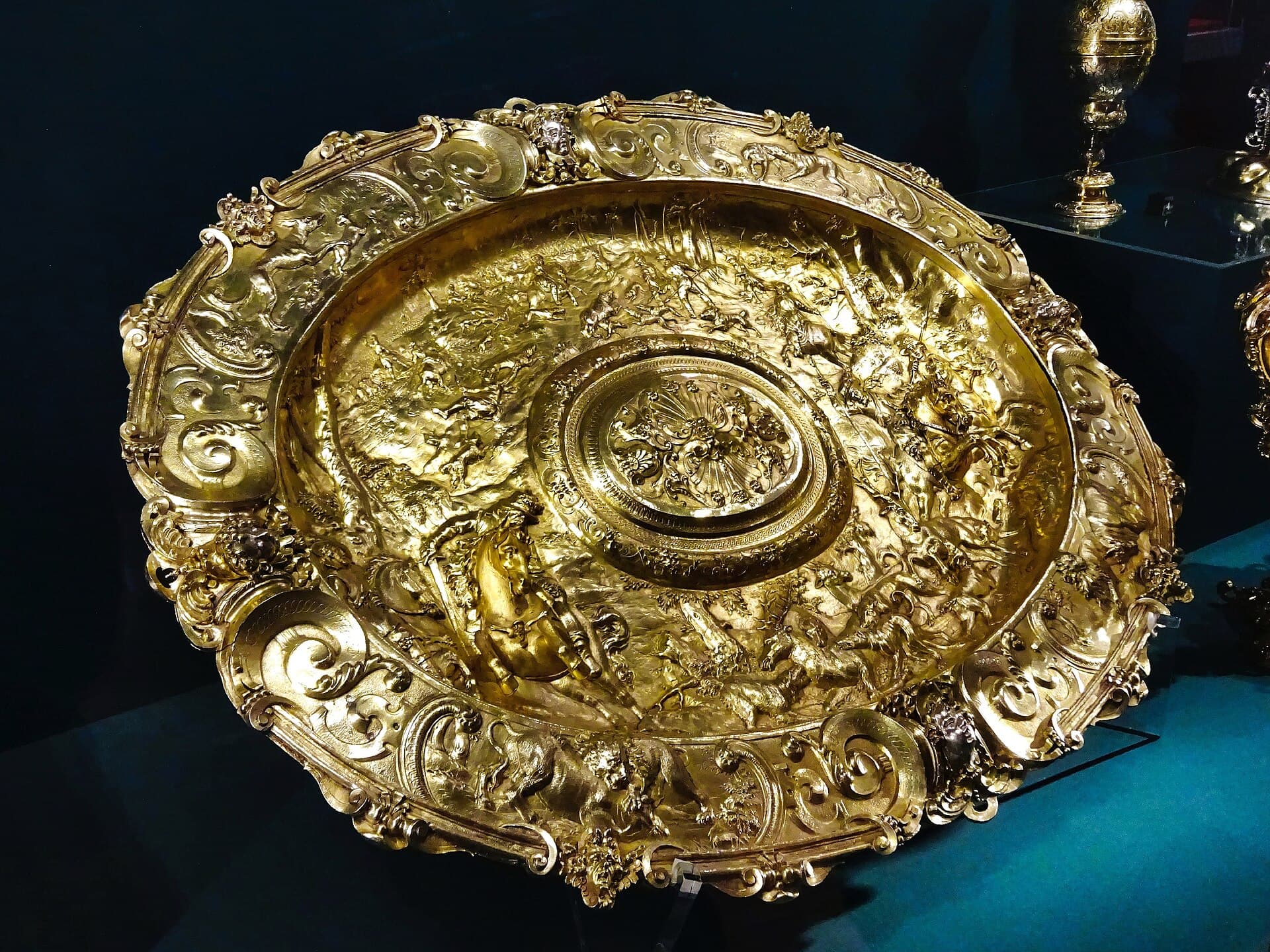 Dresden State Art CollectionsAn institution of fifteen museums in Dresden, among the oldest and richest art c4 minutes walk3.8
 Historic Green VaultThe Historic Green Vault is the treasure chamber of Augustus the Strong, ruler o4 minutes walk4.8
Between 13 and 15 February 1945 British and American bombers struck the city in a series of raids that ignited a firestorm destroying the historic centre entirely. Estimates of civilian dead range from twenty-five thousand upward, and inflated figures have been used for propaganda over the decades; an official historians' commission concluded in 2010 that the figure was around twenty-five thousand. The raid remains the subject of continuing moral and historical debate.
Not as a destination. But you will pass through it inevitably as the main tram interchange, and when you do, look around for two minutes: the buildings of different eras around you explain what Dresden went through better than any interpretive panel. Then continue to the Zwinger, minutes away.