
The Sistine Madonna
Raphael's famous painting — the two small angels at its foot are among the most reproduced images anywhere.
--Immanuel Giel 11:54, 22 September 2005 (UTC) — CC BY-SA 3.0 · VSchagow — CC BY 4.0 · VSchagow — CC BY 4.0 · Bybbisch94, Christian Gebhardt — CC BY-SA 4.0
The Zwinger is Dresden's best-known building, a baroque complex put up between 1710 and 1728 for Augustus the Strong, ruler of Saxony. It was never a residence but a great courtyard for festivities, ringed by ornate pavilions and gateways, the most famous being the Crown Gate with its distinctive gilded crown. It was destroyed in the bombing of 1945 and rebuilt completely. The courtyard and gardens are open to everyone for nothing, which is as far as many visitors go. The museums inside need a ticket, chief among them the Old Masters Picture Gallery, home to Raphael's Sistine Madonna with its two famous little angels, along with a vast porcelain collection and the Mathematics and Physics Salon with its early scientific instruments.
Raphael's famous painting — the two small angels at its foot are among the most reproduced images anywhere.
The gilded gateway, the palace's most photographed feature and its main entrance from the garden side.
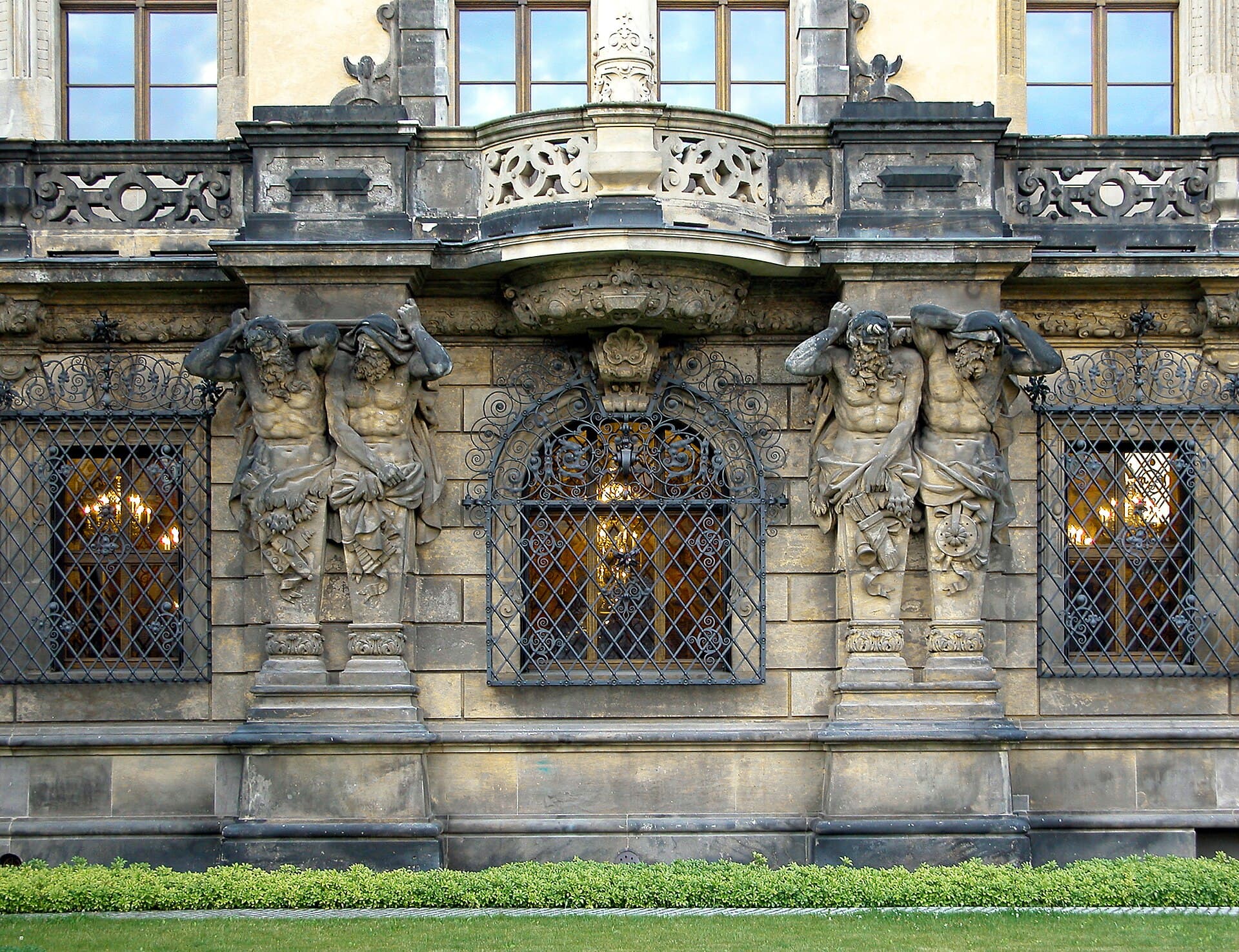
A baroque corner of fountains and stone figures — the quietest and most detailed part of the courtyard.
One of the largest porcelain collections in the world, with Chinese and Japanese pieces gathered by Augustus the Strong.
Sophienstraße, 01067 Dresden
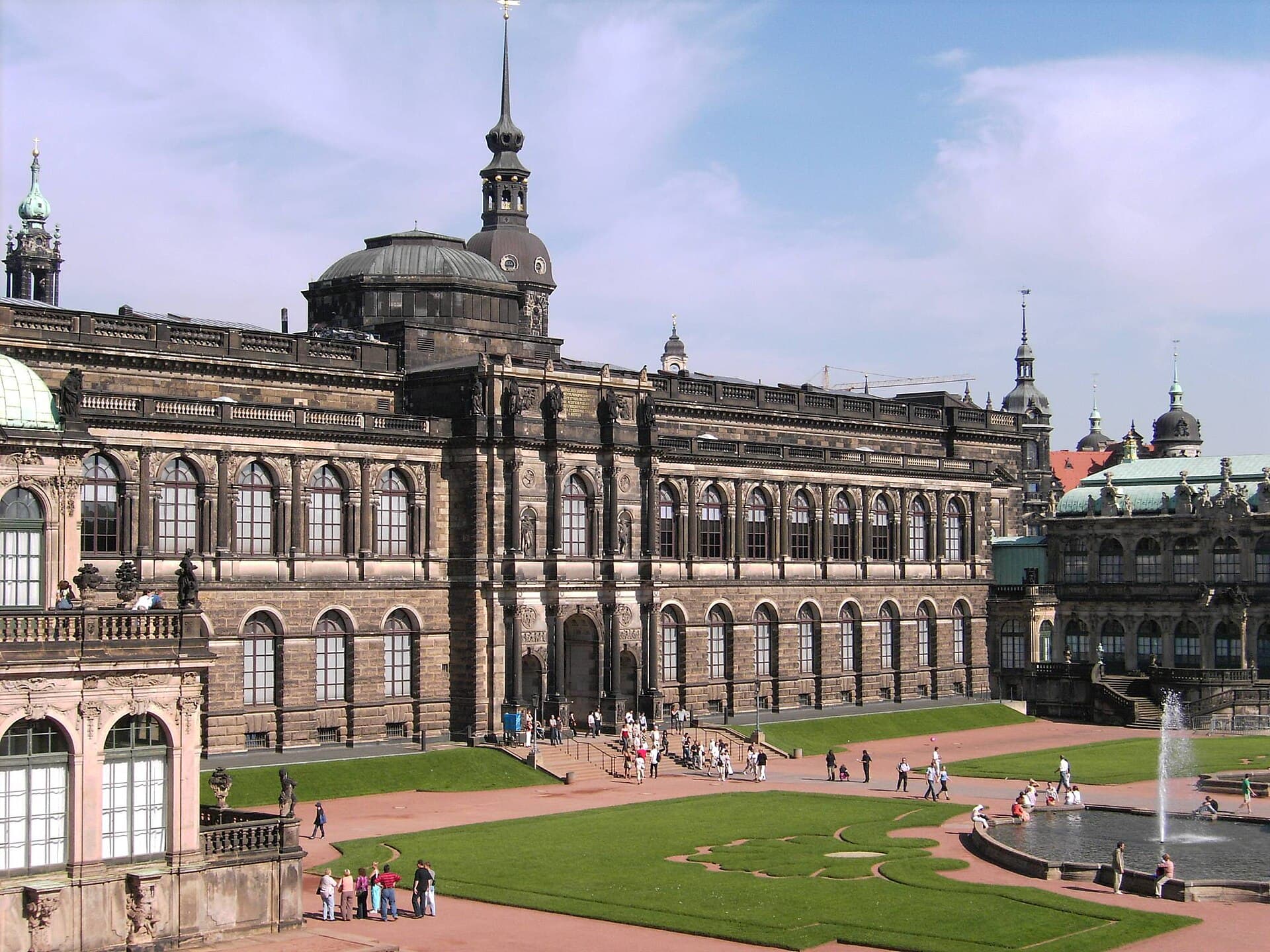 Old Masters Picture GalleryThe Old Masters Picture Gallery is one of Europe's most important painting colle1 minute walk4.7
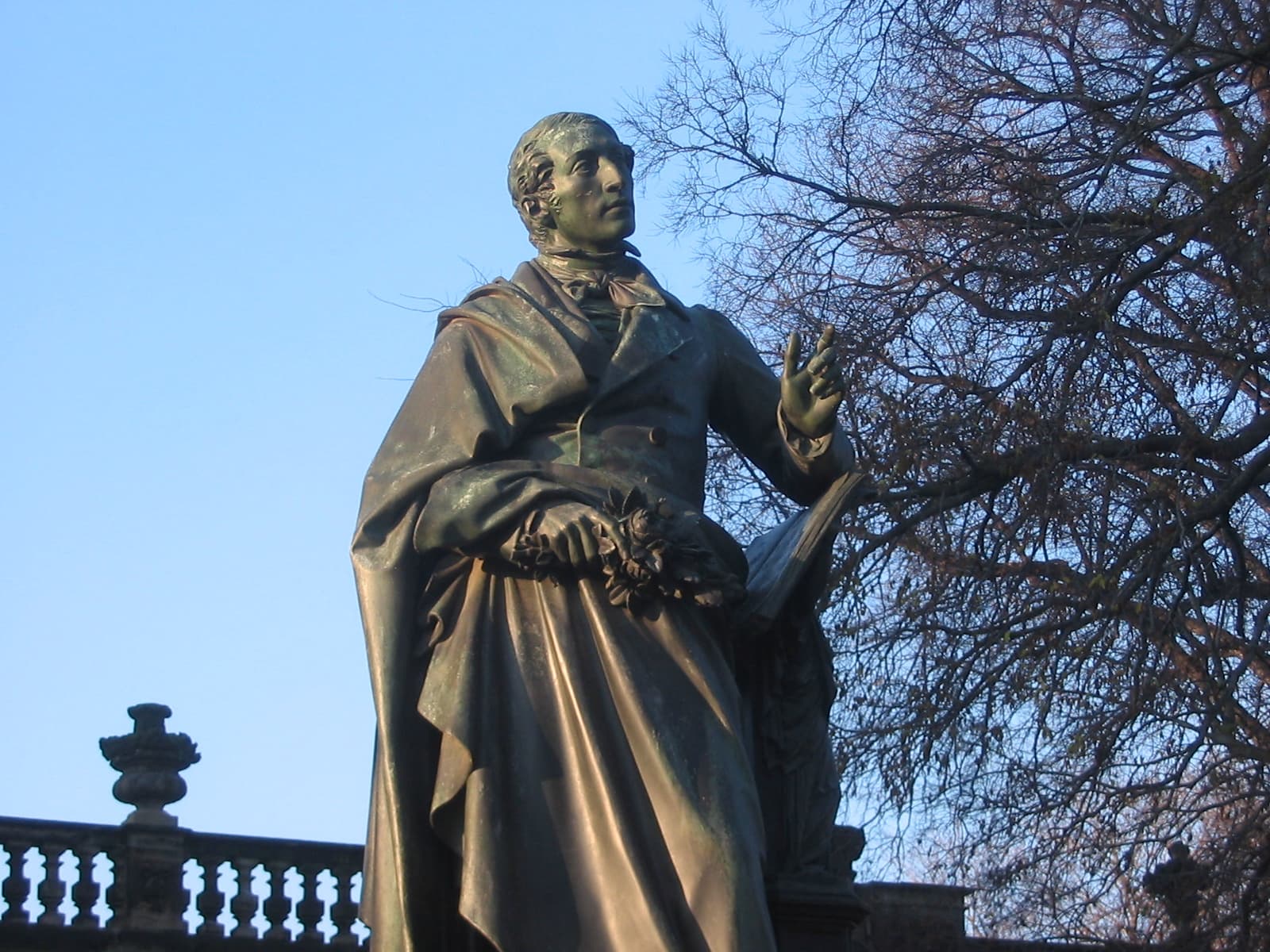 The Carl Maria von Weber MonumentA bronze statue in front of Dresden's Semper Opera House, to the composer Carl M1 minute walk4.9
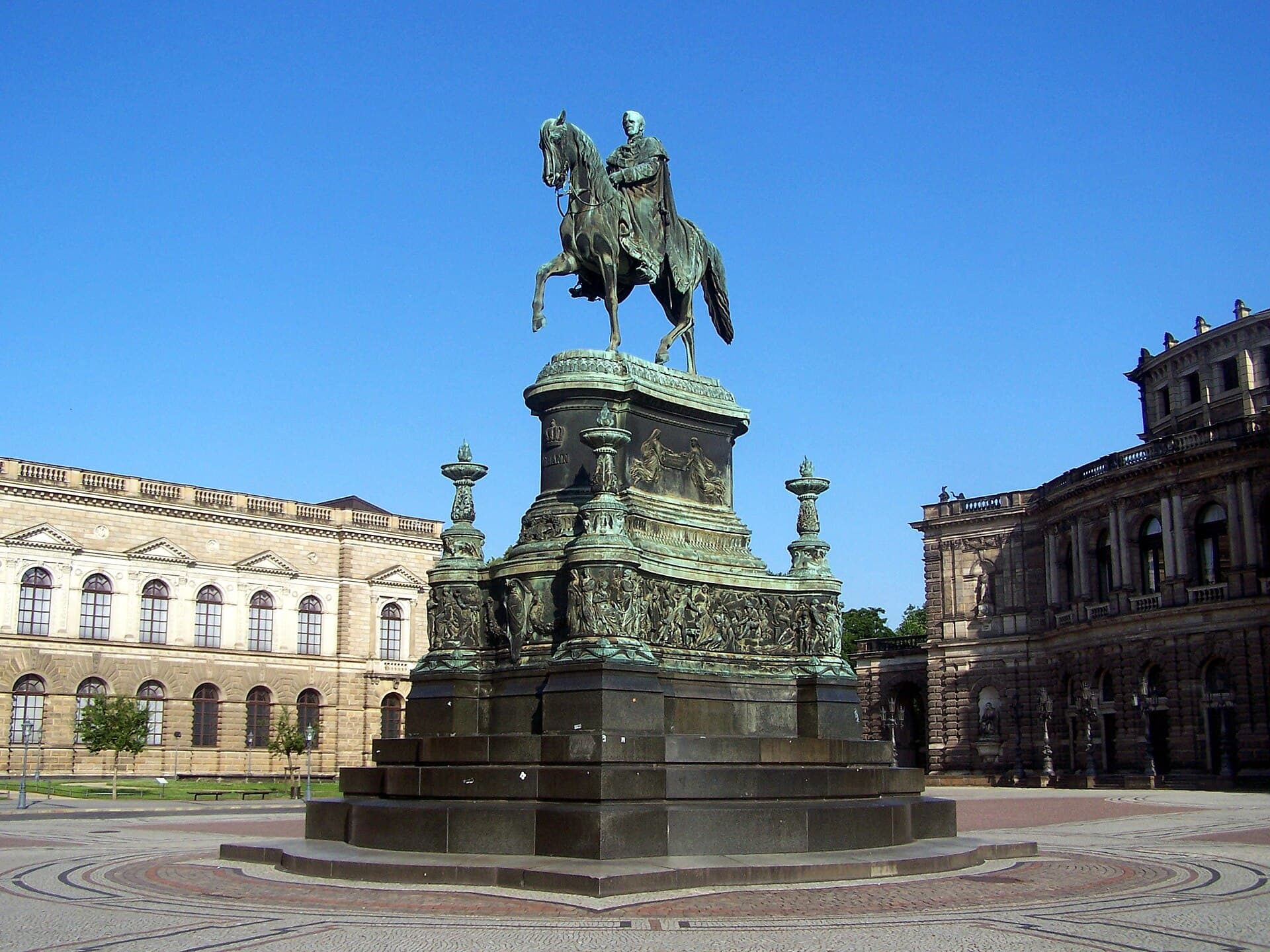 The King Johann MonumentAn equestrian statue of King Johann of Saxony standing on the Theaterplatz direc2 minutes walk4.9
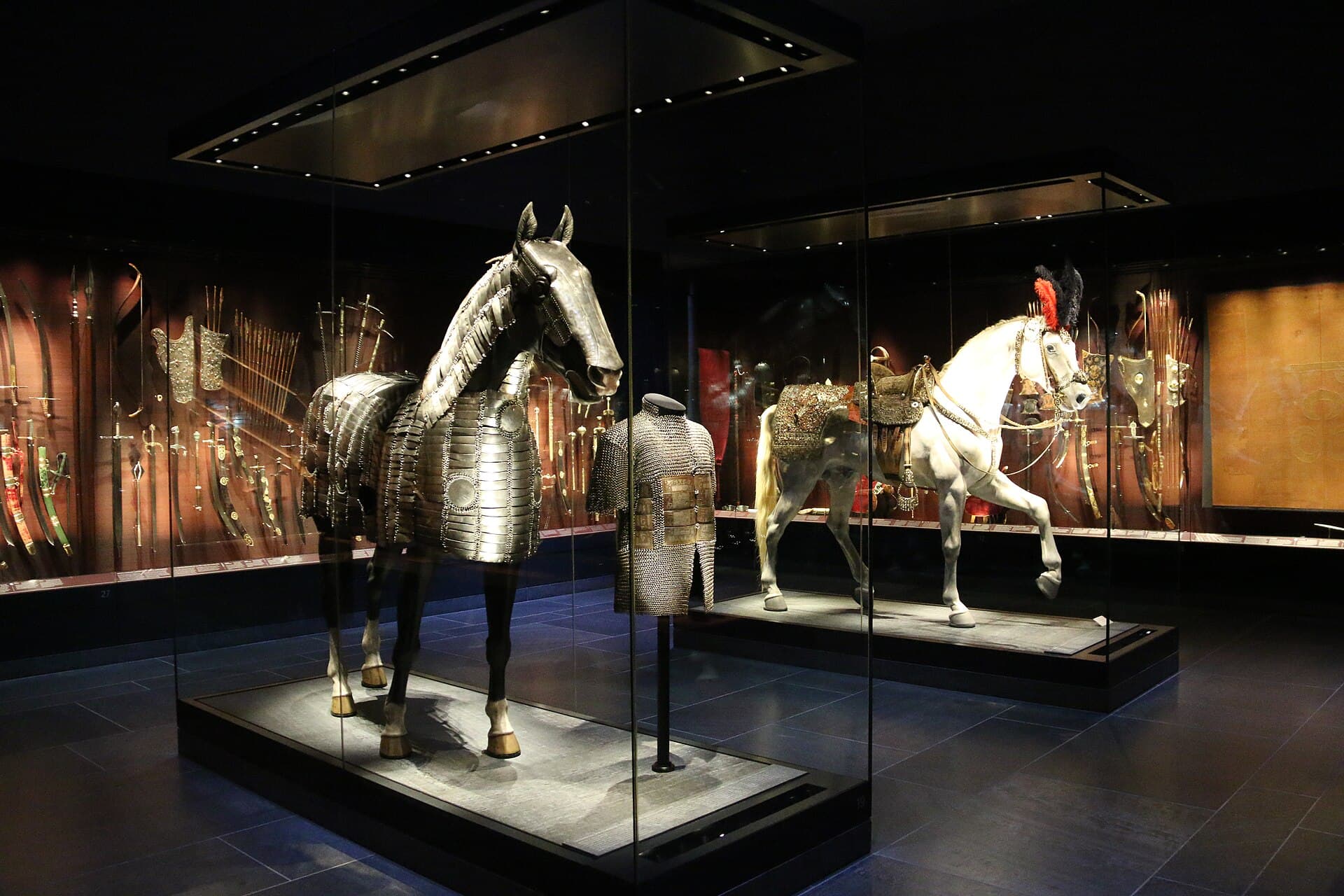 Turkish ChamberThis collection emerged inside the Saxon electors' armoury as early as fifteen n2 minutes walk4.9
 Historic Green VaultThe Historic Green Vault is the treasure chamber of Augustus the Strong, ruler o2 minutes walk4.8
Yes, entirely, and many visitors do exactly that. The courtyard, the gardens, the Crown Gate and the Nymphs' Bath are all free and open, and they are the finest part of the architecture. A ticket is only needed to enter the museums.
Half an hour for the courtyard alone; two to three hours if you go into the Old Masters gallery and the porcelain collection. The Zwinger sits in the old town, with Brühl's Terrace and the Frauenkirche minutes away on foot.
The design is eighteenth-century, but the palace burned and was destroyed in the bombing of February 1945, leaving little but the shell. It was rebuilt in stages after the war from the original plans, reusing original stone wherever possible.