
Sunset
Mountains and boats.
Amgauna — CC BY-SA 4.0 · Thiago Hirai from Seattle, USA — CC BY 2.0 · Biaduart3 — CC BY-SA 4.0 · Rodrigo Soldon from Rio de Janeiro, Brazil — CC BY 2.0 · Unknown — Public domain · Núcleo de digitalização / IMS — Public domain
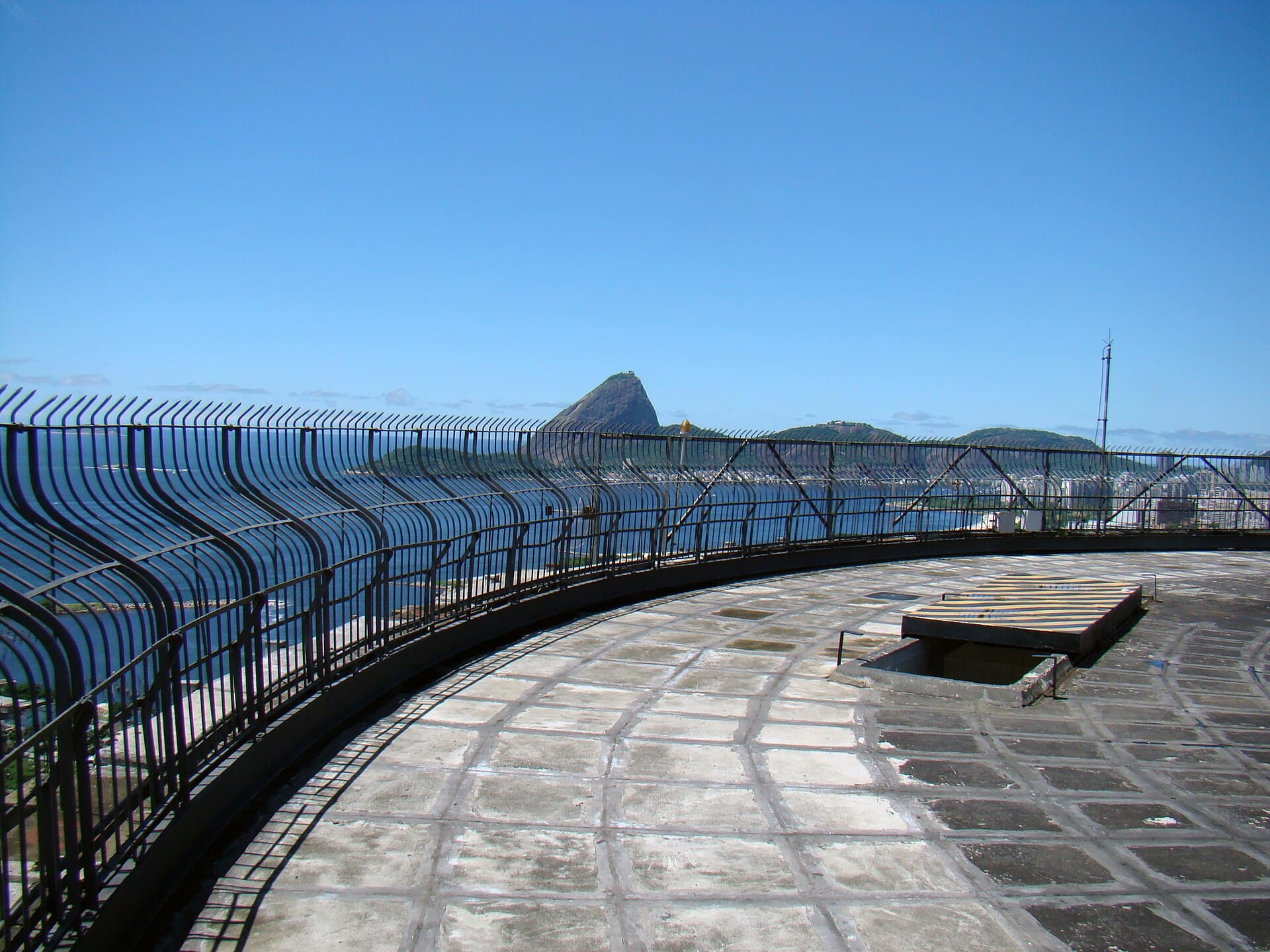
Botafogo Bay is one of Brazil's most famous views: a calm arc of sand and water inside Guanabara Bay, with Sugarloaf and Urca behind and Flamengo Park along one side. From its sand and the promenade beside it comes the classic picture of Rio, above all at sunset, when the lights reflect on the water and the moored boats. The district takes its name from João Pereira de Souza Botafogo, granted the land here in the 16th century, and today it is a neighbourhood of nearly 100,000 people known for its schools and clinics and for Botafogo football club, one of the country's oldest. The bay holds the yacht club, whose pier and marina can be seen from most of the district. The inner bay's water is usually too polluted for swimming, so the beach is for walking, running and cycling on the promenade and sitting on the sand to watch the mountains rather than for a dip. The promenade links north to Flamengo Park, near Botafogo and Flamengo metro stations.
Mountains and boats.
Walk and run.
The marina in the bay.
Avenida Pasteur, Botafogo, Rio de Janeiro
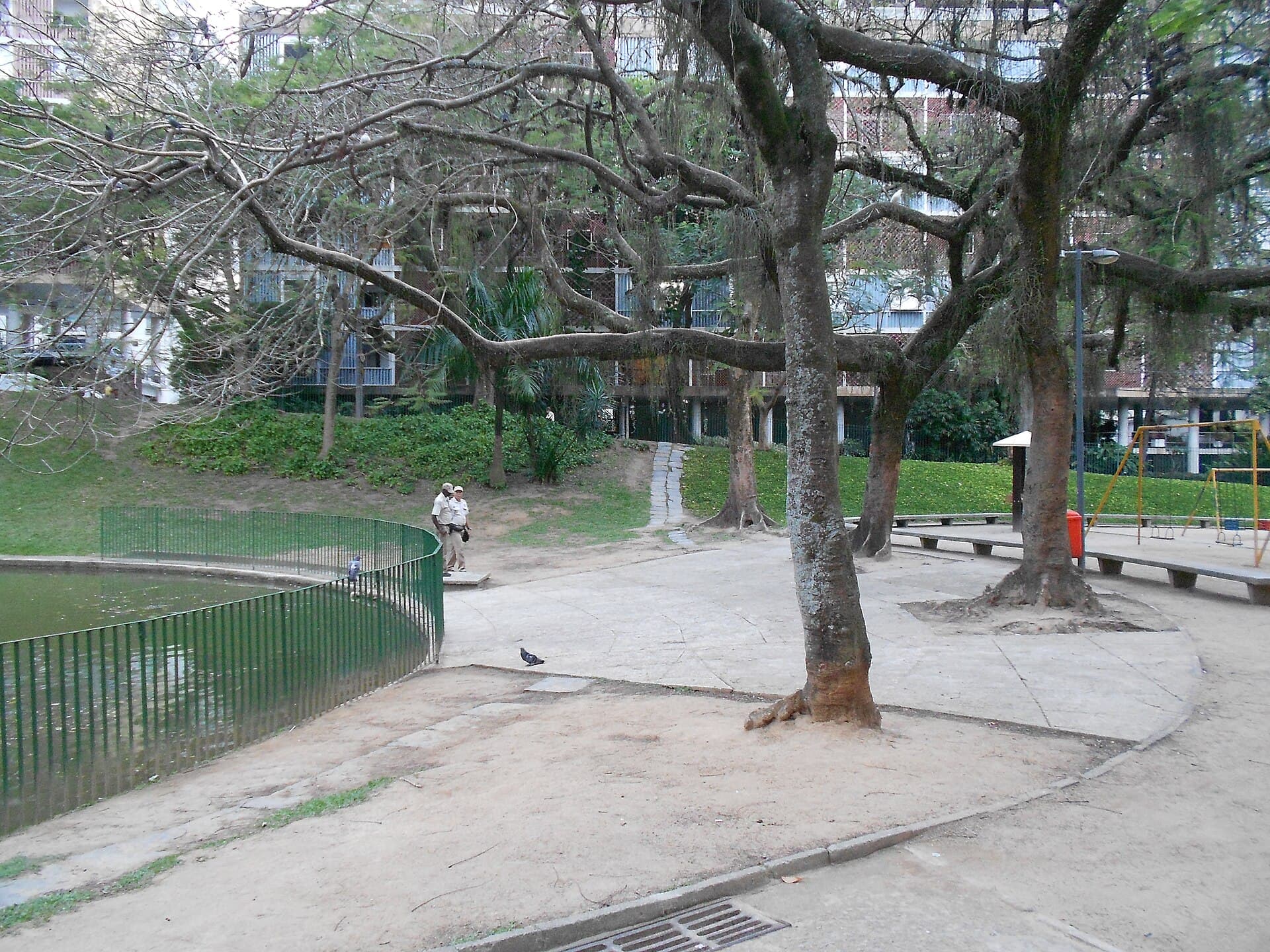 Parque GuinleParque Eduardo Guinle, «Guinle» to locals, is a quiet public park of about 24,7520 minutes walk4.8
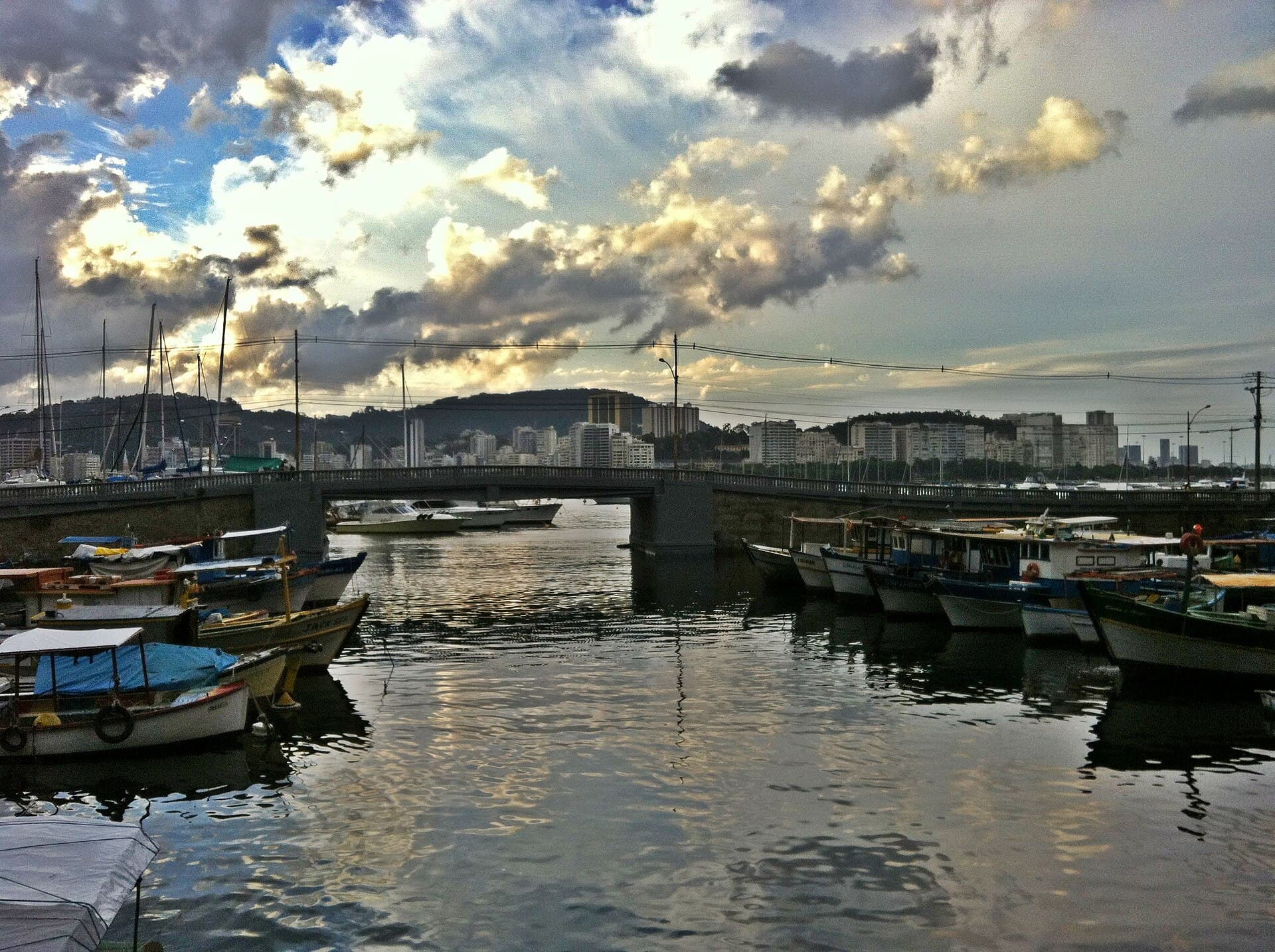 UrcaUrca is a quiet residential district of nearly 7,000 people squeezed between Sug22 minutes walk
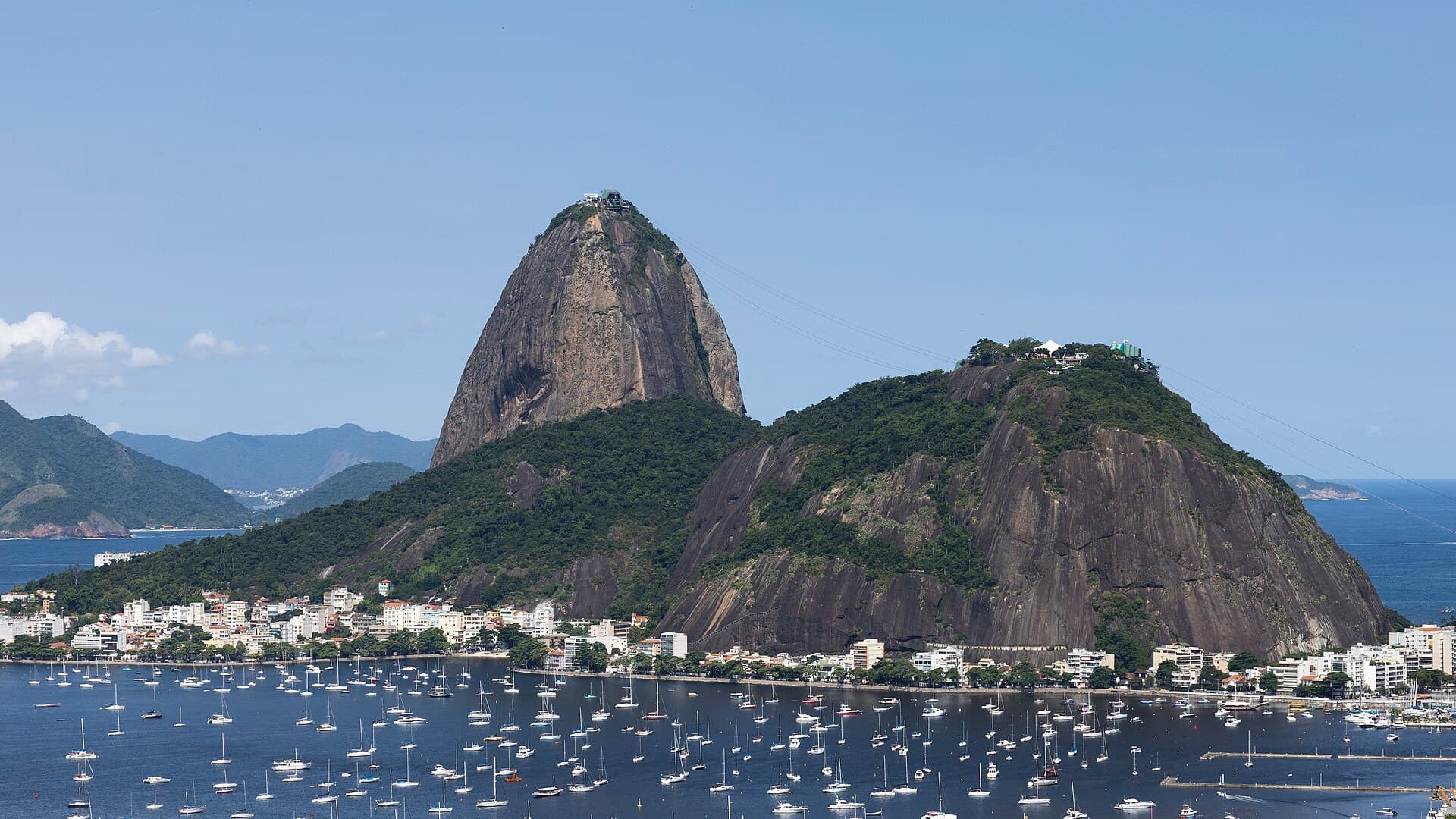 Sugarloaf MountainSugarloaf Mountain, Pão de Açúcar in Portuguese, is a granite peak that rises 3922 minutes walk4.8
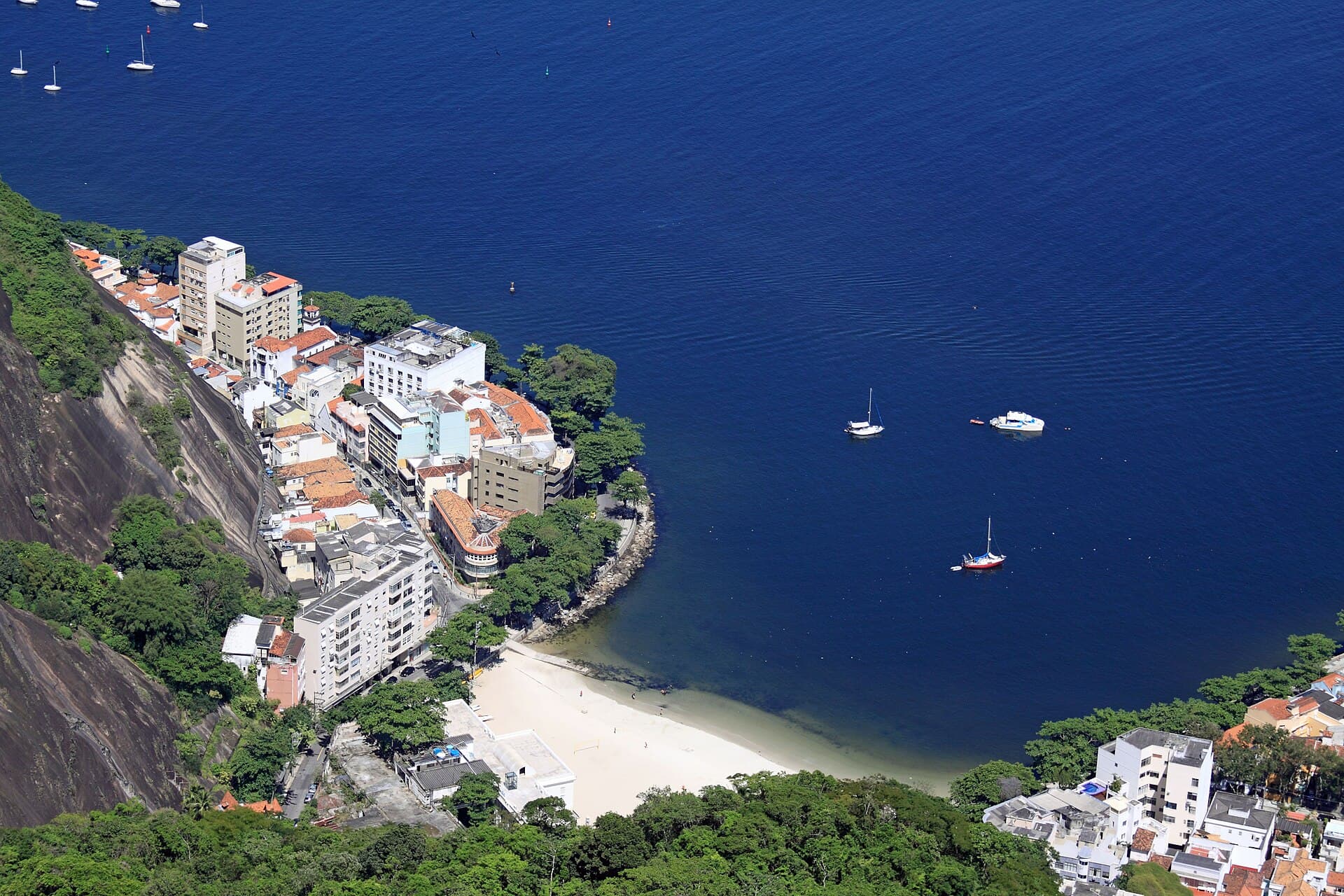 Praia da UrcaUrca beach is a small strip of sand on the side of the Urca district facing Guan23 minutes walk4.7
 Flamengo ParkFlamengo Park, also called the Aterro do Flamengo, is Rio de Janeiro's largest p24 minutes walk4.6
It isn't advised, as the inner bay's water is usually polluted; the beach is for walking and the Sugarloaf view.