
Modernist blocks
1948-1954.
Eduardo P — CC BY-SA 3.0 · Eduardo P — CC BY-SA 3.0 · Rodrigo S. Maior — CC BY 4.0 · Eduardo P — CC BY-SA 3.0 · Eduardo P — CC BY-SA 3.0
Parque Eduardo Guinle, «Guinle» to locals, is a quiet public park of about 24,750 square metres in Laranjeiras, in a small valley at the foot of the Nova Cintra hill. It began as the gardens of the wealthy Guinle family's mansion, built in the 1920s and laid out by the French landscape designer Gérard Cochet, with later touches by Roberto Burle Marx. The park holds a landmark of Brazilian modernism: the residential complex Lucio Costa designed and built between 1948 and 1954, its blocks raised on columns, their façades screened by concrete lattices that block the sun and let the air through. Costa planned six buildings around the park; three were built, and a later block by the Roberto brothers' firm completed the group. The Guinle mansion itself, known as the Laranjeiras Palace, is now the official residence of the governor of Rio de Janeiro state, so the park is guarded around the clock and considered a safe place to stroll. Entry is free from Rua Gago Coutinho, and half an hour among the trees and paths is enough.
1948-1954.
Cochet and Burle Marx.
Seen from the park.
Rua Gago Coutinho, Laranjeiras, Rio de Janeiro
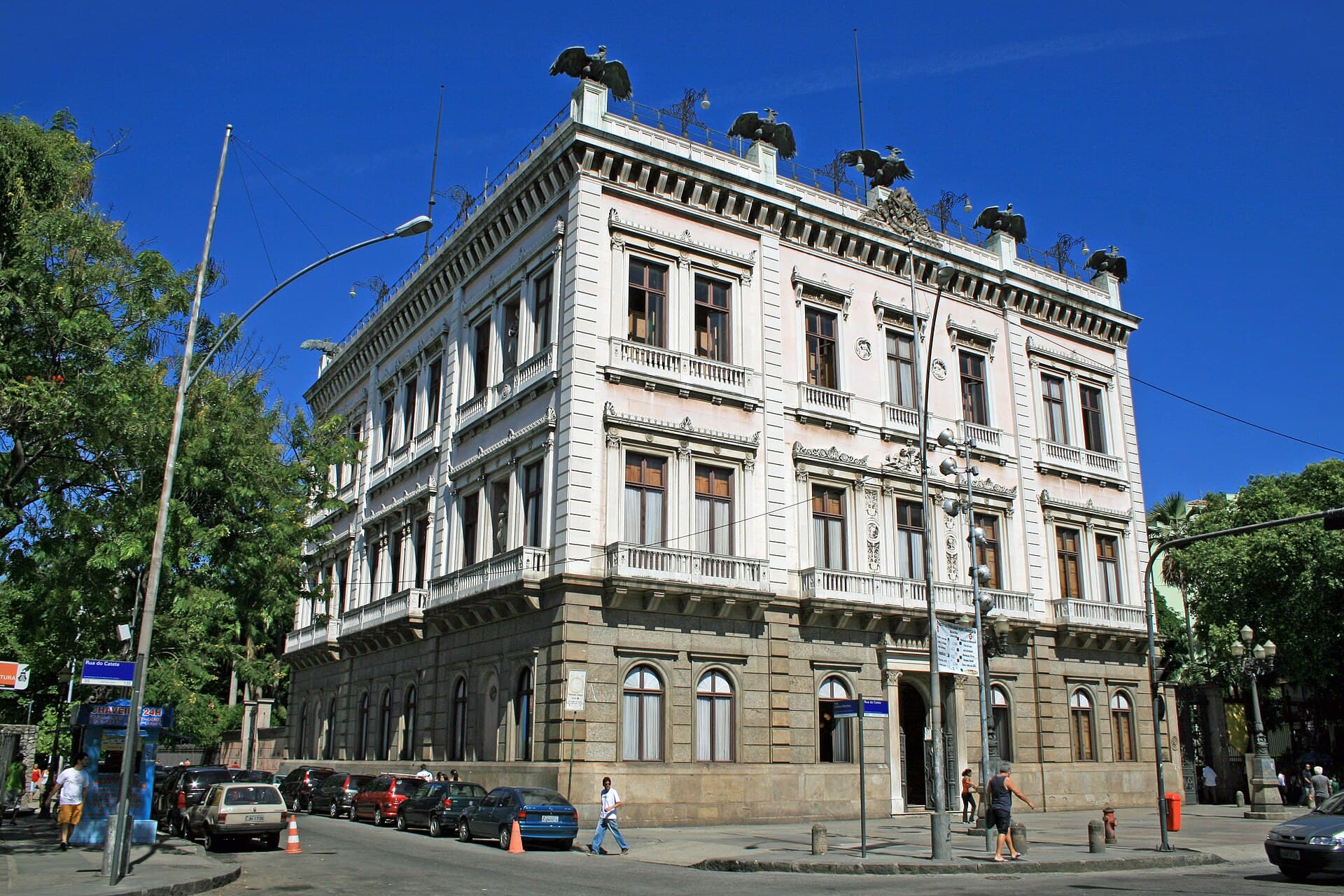 Catete Palace (Museum of the Republic)The Catete Palace, built between 1858 and 1867 in Flamengo for the Baron of Nova11 minutes walk4.9
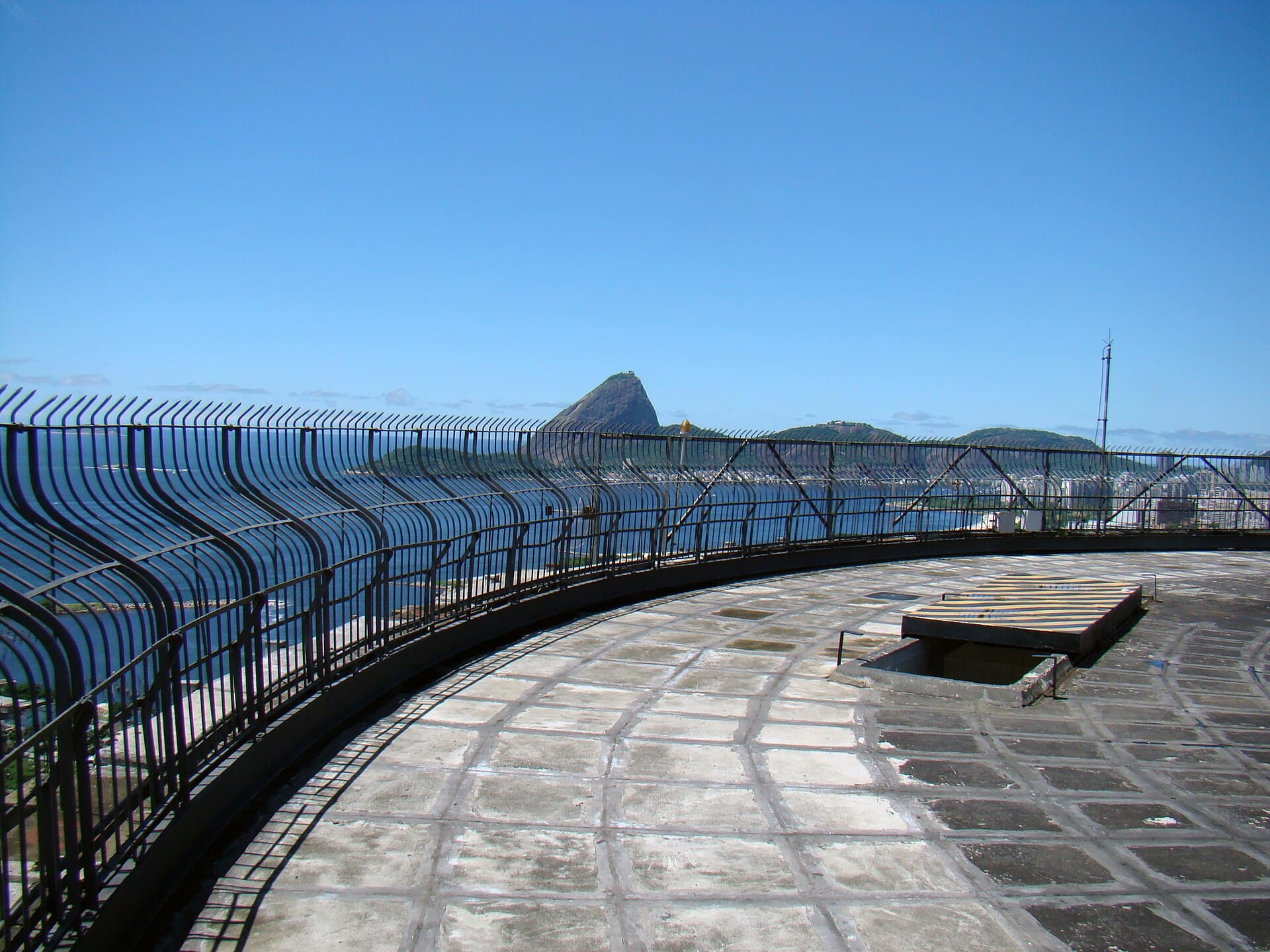 Flamengo ParkFlamengo Park, also called the Aterro do Flamengo, is Rio de Janeiro's largest p13 minutes walk4.6
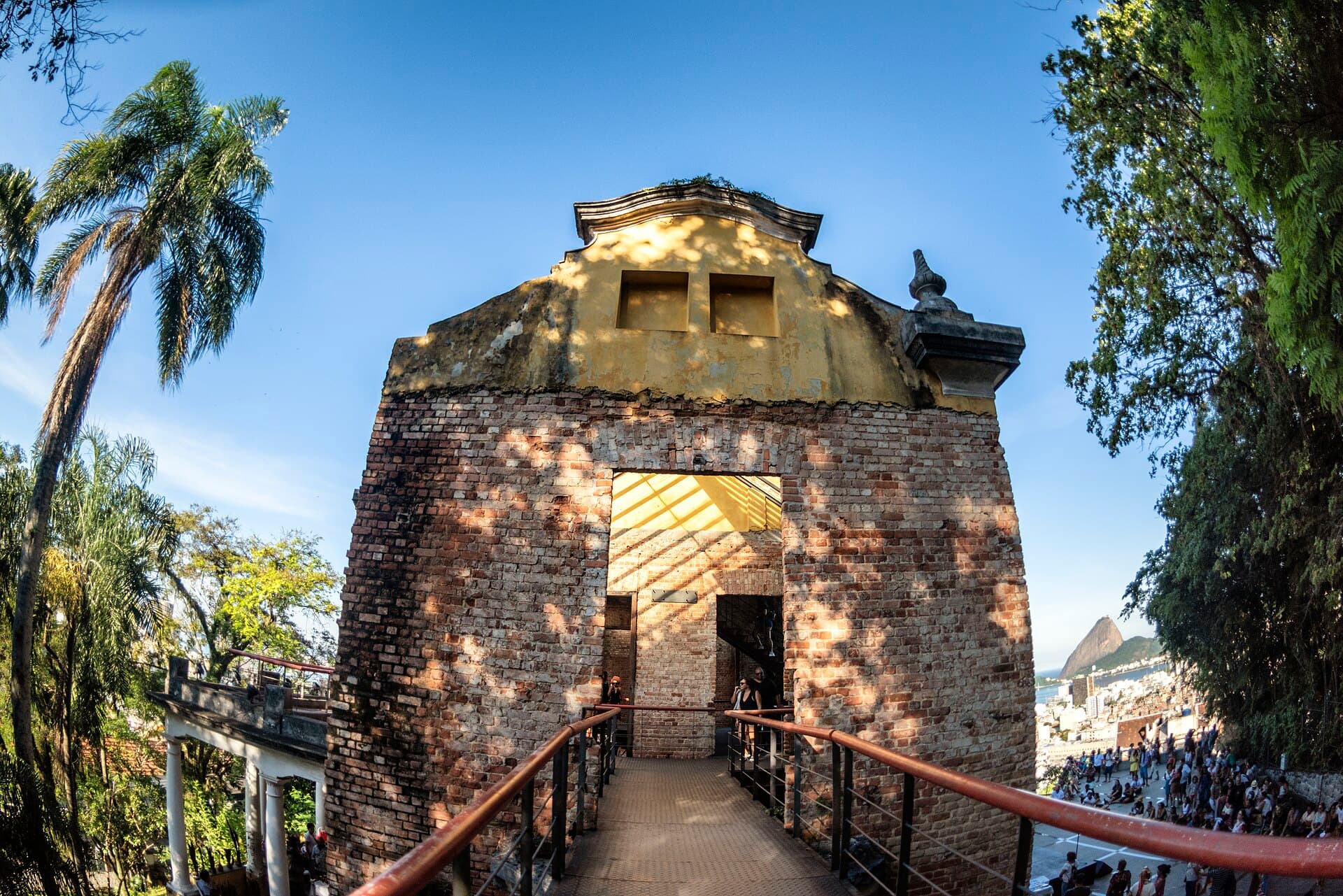 Parque das RuínasParque das Ruínas in Santa Teresa is a cultural centre built into the ruins of t18 minutes walk4.8
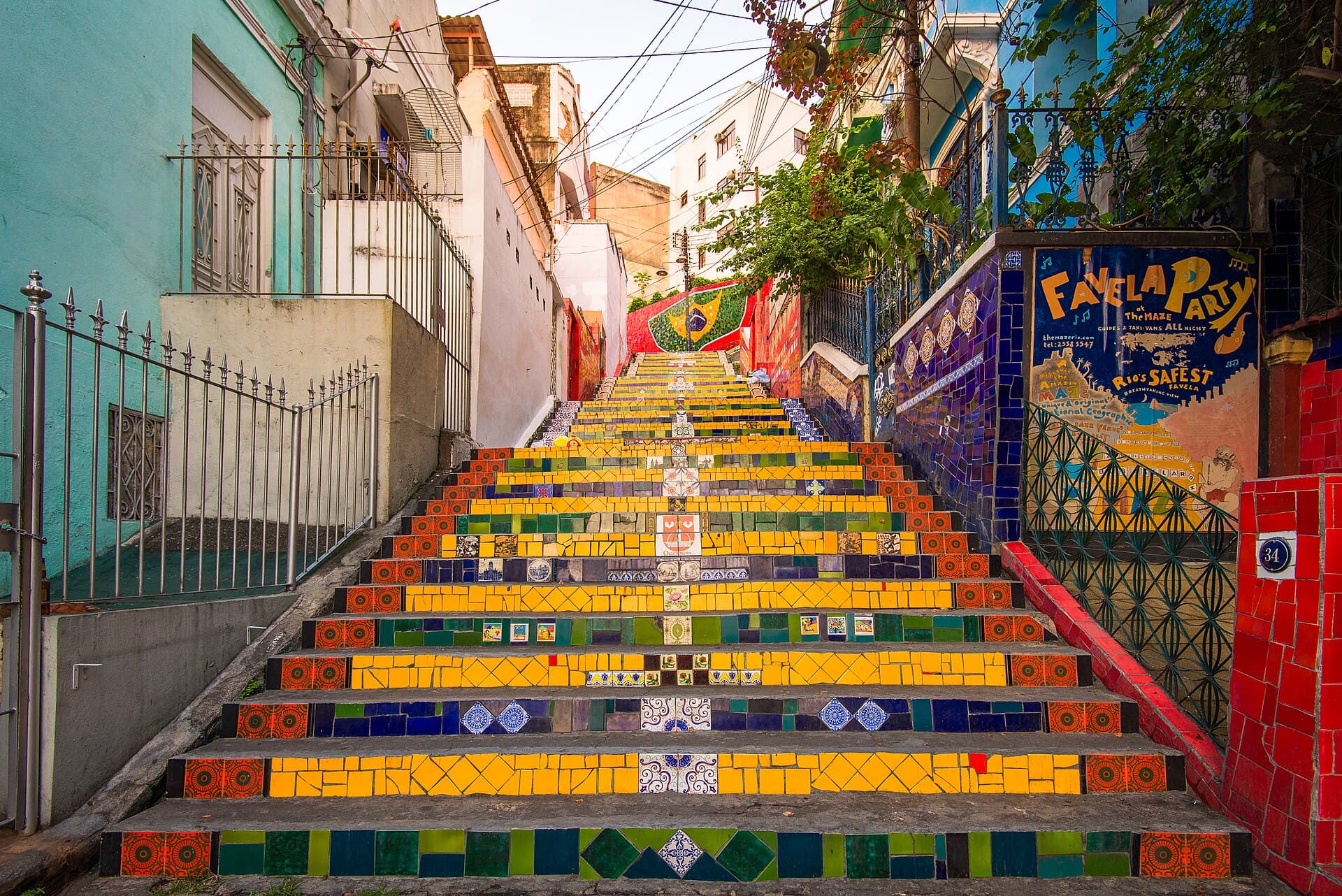 Selarón StepsThe Selarón Steps are a stairway of 215 steps, 125 metres long, climbing from La22 minutes walk4.7
No, the Laranjeiras Palace is the state governor's residence, but the park itself is open and free.