
A ceiling like an upturned hull
Woodwork dated 1314 carrying 416 small panels of saints' heads — the finest church ceiling in Verona.
This Photo was taken by Andrea Bertozzi. Feel free to use my photos, but please mention me as the author and send me a message. — CC BY-SA 4.0 · This Photo was taken by Andrea Bertozzi. Feel free to use my photos, but please mention me as the author and send me a message. — CC BY-SA 4.0 · Lo Scaligero, pseudonimo di Andrea Bertozzi — CC BY-SA 4.0 · This Photo was taken by Andrea Bertozzi. Feel free to use my photos, but please mention me as the author and send me a message. — CC BY-SA 4.0
San Fermo is not one church but two, stacked. What you walk into at street level is the Gothic upper church: Benedictine monks built the two-storey complex between 1065 and 1143, and the Franciscans, who took the site over in the 1260s, rebuilt the upper level into the form you see now, work that ran on until about 1350. It is one tall, bright, uninterrupted room with nothing to break your view of it. Directly beneath your feet lies a complete Romanesque church — squat columns, low vaults, permanent dusk — raised over an older shrine said to mark the spot where Saints Firmus and Rusticus were martyred. Going down the stairs is not an appendix to the visit. It is the other half, and it is the half people remember. The real headline, though, hangs over your head. The upper church is roofed in wood shaped like an upturned ship's hull, dated 1314, and along both flanks run rows of small trilobed panels carrying painted saints' faces — 416 of them in all. Walk in, stop halfway down the nave, and give the ceiling a full minute before you go anywhere. Visitors who head straight for the altar miss the thing they came for without ever knowing it was there. On the left wall, above the marble Brenzoni tomb, is Pisanello's Annunciation, finished by 1426 — the earliest major surviving work by the painter, and International Gothic at full strength: gold, lapis blue, tiny birds, fabric you could almost weigh. Be honest with yourself about it: the fresco sits high and the light is dim, and you will not see it the way you see it in books. Use your phone's zoom. This is one of the rare cases where the screen shows you more than your eyes do. Practically: the church stands on the Adige near Ponte Navi, about a ten-minute walk from Piazza delle Erbe along quiet streets off the main tourist run. Entry is EUR 4, or EUR 8 for the combined ticket that also covers San Zeno, the Cathedral complex and Sant'Anastasia and stays valid for ninety days; Verona Card holders go in free. No booking. From early March to the start of November the doors are open 09:30-18:00; in winter it is 10:00-17:00, a little later on Saturdays. The one warning that matters: the stairs down to the lower church are steep, and the building is not accessible to wheelchair users or pushchairs. Doors do not open to visitors before 1pm on Sundays and religious holidays, and visits pause during Mass. If you are choosing between churches — San Zeno is the greater piece of architecture, San Fermo has the better ceiling and a fraction of the crowd.
Woodwork dated 1314 carrying 416 small panels of saints' heads — the finest church ceiling in Verona.
The eleventh-century Romanesque lower church still stands, columns and frescoes and all, reached by stairs from inside the upper one.
The painter's earliest major surviving work, finished by 1426 above the Brenzoni tomb — high up and dimly lit, so use your camera zoom.
Stradone San Fermo, 37121 Verona, Italy — by Ponte Navi on the Adige
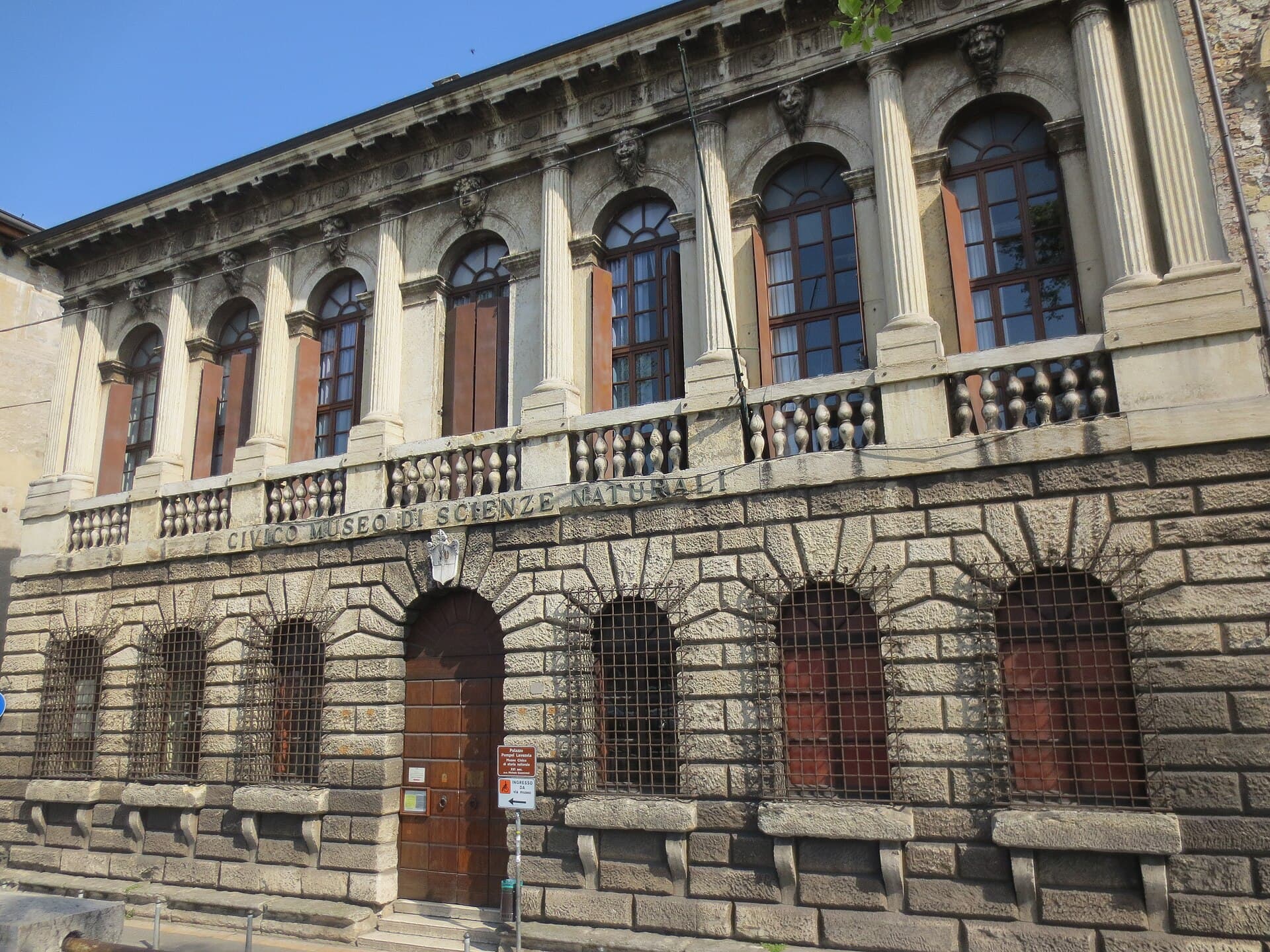 Verona Natural History MuseumThere are fish in this museum that died some fifty million years ago and still s2 minutes walk4.3
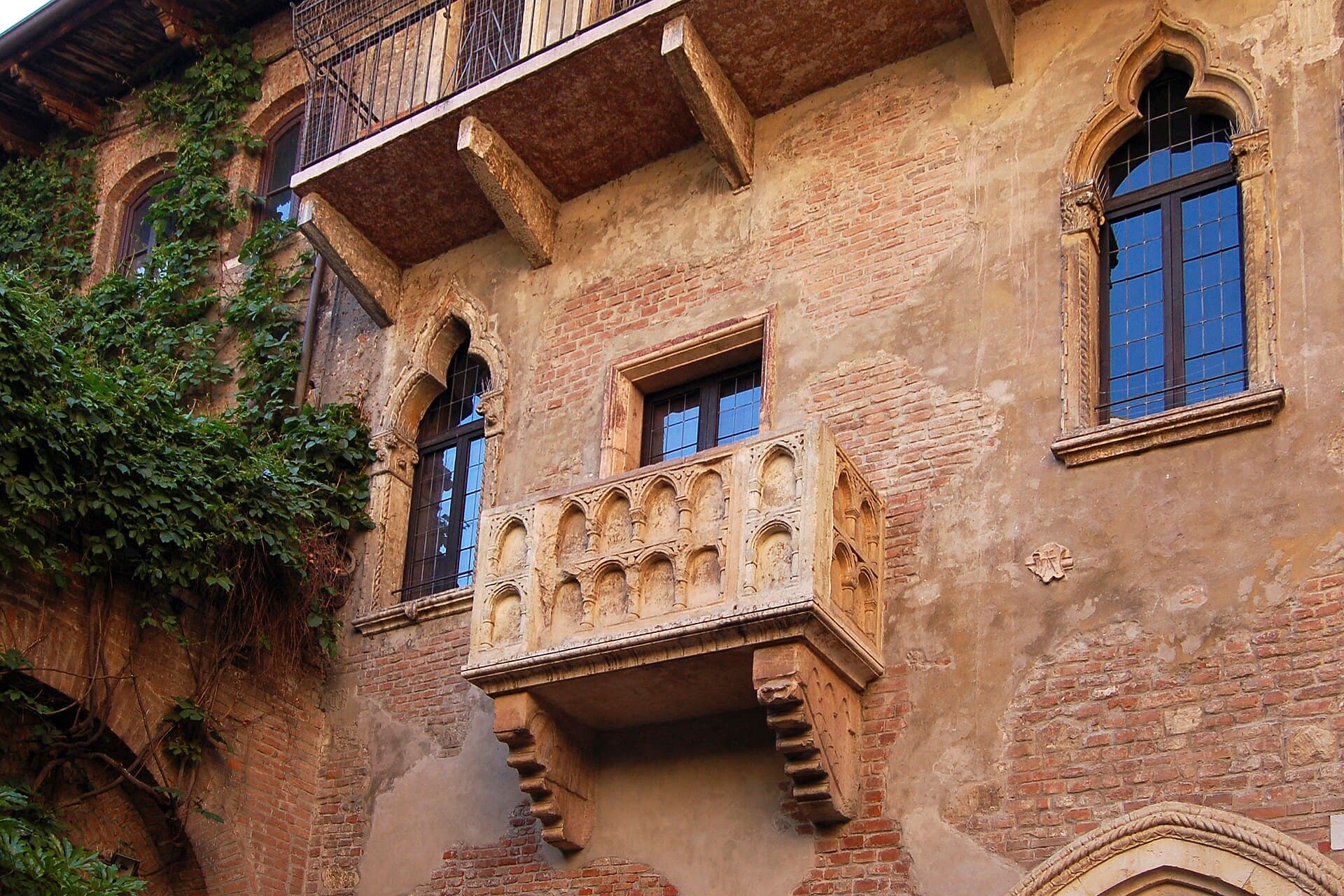 Juliet's HouseJuliet's House is Europe's most successful tourist legend — with every party a w4 minutes walk3.9
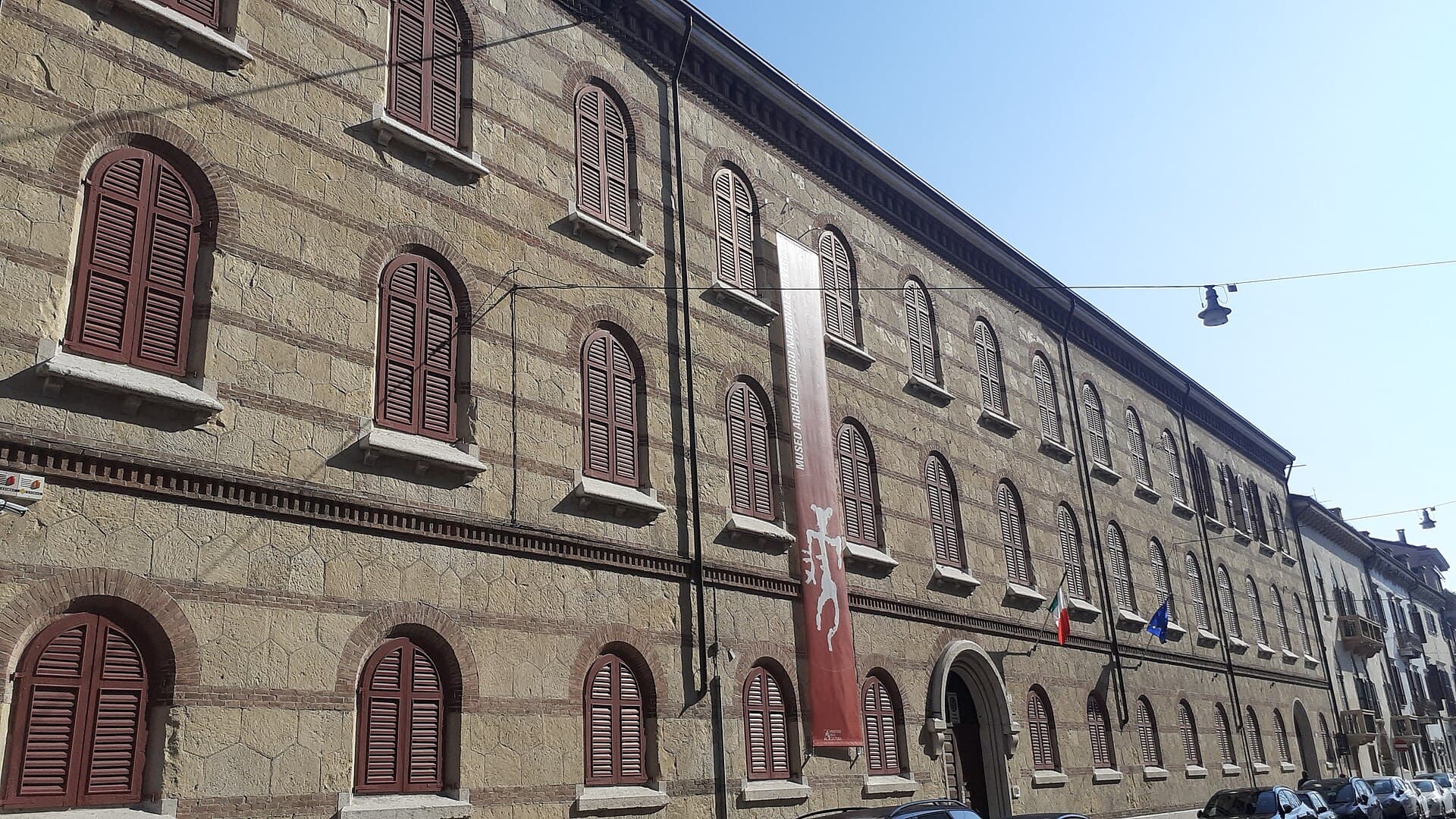 National Archaeological MuseumAn archaeological museum in a fifteenth-century convent standing on the slope ab5 minutes walk4.8
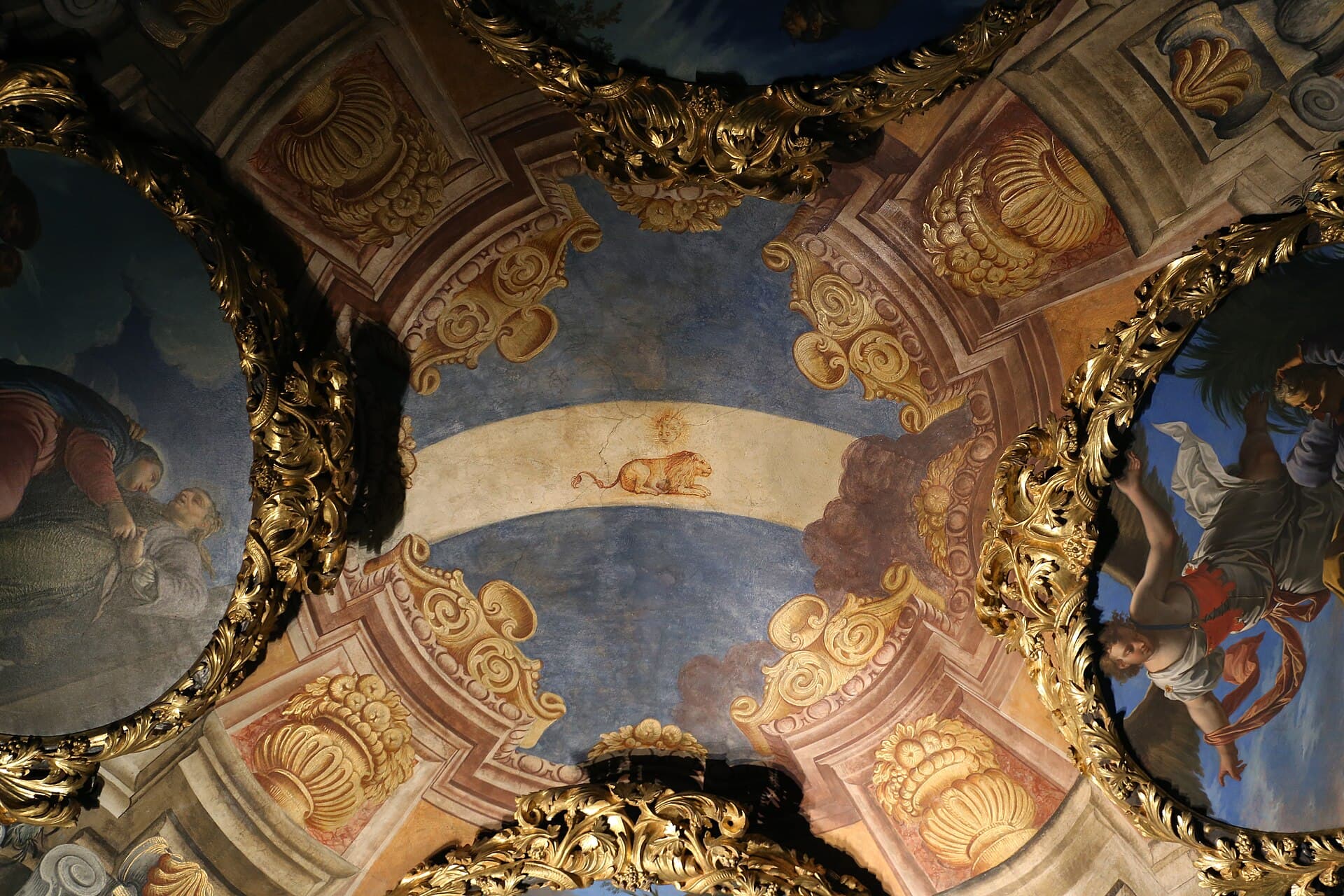 Cappella dei Notai (Chapel of the Notaries)A few steps above the vegetable market, behind a door nobody notices, hides one 5 minutes walk4.4
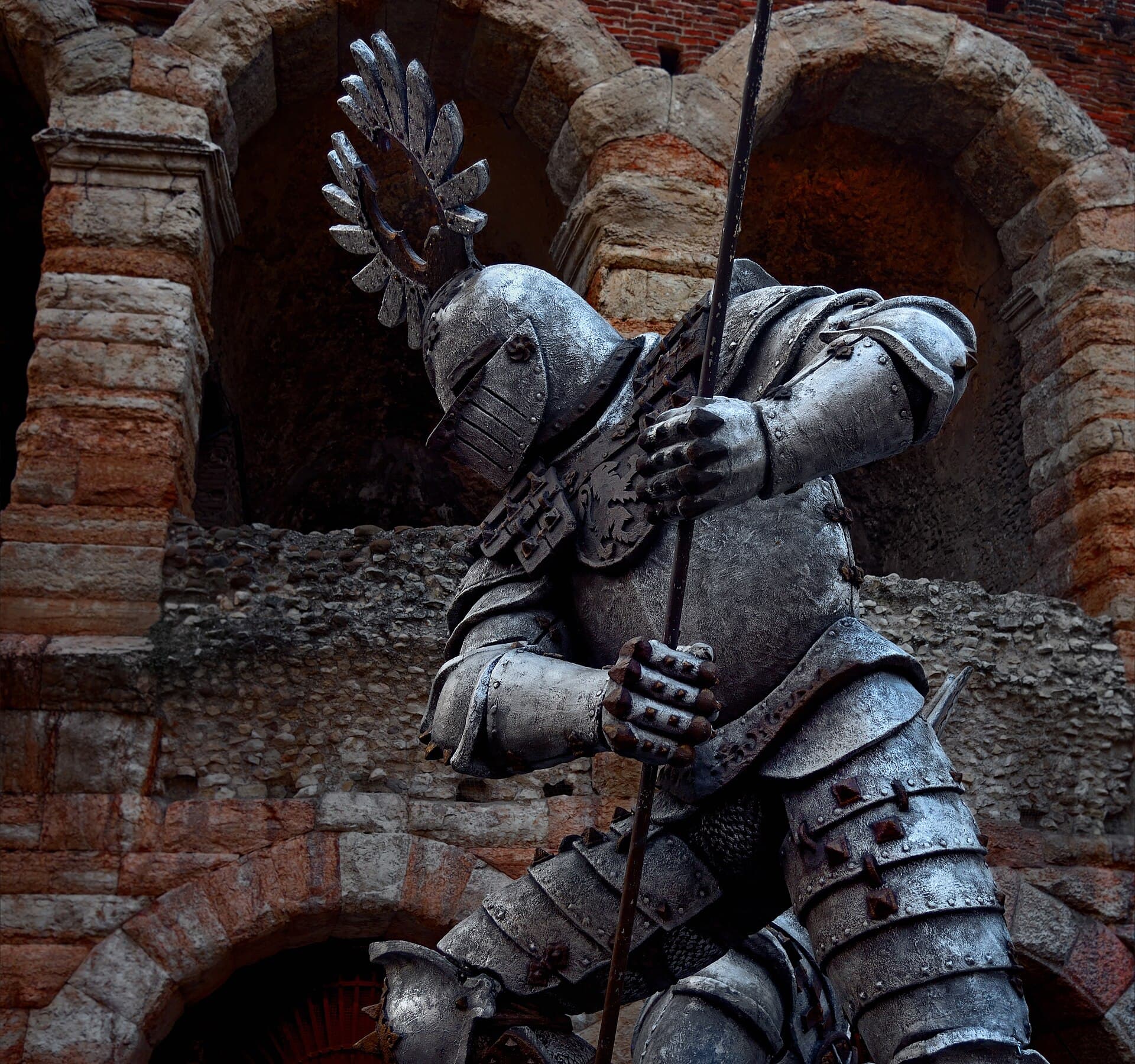 Arena di VeronaThe Verona Arena is a first-century Roman amphitheatre finished fifty years befo5 minutes walk4.8
Yes, because it is a different thing rather than more of the same: San Zeno is about architecture and bronze doors, San Fermo is about that wooden ceiling and the church buried under it. It is also one of the quietest churches in Verona — you can have it nearly to yourself at an hour when Sant'Anastasia is packed. That said, if you only have room for one church in the whole city, San Zeno still wins.
Only if you will visit two or more. A single church is EUR 4 and the combined ticket is EUR 8 for all four, so it pays for itself on the second stop — and since it is valid for ninety days, you do not need to cram them into one day. If you already hold a Verona Card, buy nothing: entry is included.