
The Bolca fish
One of the world's most famous Eocene fossil-fish deposits — and this is the collection they all came from.
Libens libenter — CC BY-SA 3.0 · Libens libenter — CC BY-SA 3.0 · Libens libenter — CC BY-SA 3.0 · Libens libenter — CC BY-SA 3.0
There are fish in this museum that died some fifty million years ago and still show their fins, their scales and the fine threading of their bones, as though someone had drawn them onto the stone with a brush. They come from the quarry at Bolca in the Lessini hills, an hour's drive north-east of Verona, where Eocene limestone caught an entire tropical sea — fish, crustaceans, leaves — and held it still. This collection is the museum's jewel and the real reason to come. Bolca's fame is older than the museum itself. For centuries local families split the slabs and sold them to naturalists and princes across Europe, until it became rare to walk into a major natural history museum in London, Paris or Vienna without finding a Bolca fish on its wall. The difference here is that you are in the collection's home: species after species from a single deposit laid out together, rather than one orphan specimen in a corner. The museum occupies Palazzo Pompei on the bank of the Adige, a mid-sixteenth-century building by Michele Sanmicheli that Count Alessandro Pompei gave to the city in 1833. The remaining halls are, frankly, a museum of the old school: wooden cases, minerals and rocks in long ranks, mounted animals in habitat dioramas arranged decades ago. That has its own charm if you like this kind of place, but it is not a modern interactive museum, and anyone expecting screens and hands-on stations will leave disappointed. Note too that the Veronese prehistory hall has been closed for refurbishment since 4 June 2026; roughly four months of work were announced, so check the museum's site before you go if that room matters to you. An hour to two hours is the sensible visit. Admission is six euros for adults and free for under-18s, which makes it one of the cheapest things a family can do in Verona. It suits children of eight and up, especially the ones who love fossils and rocks; very young children tire quickly in front of long rows of glass. The museum is about ten minutes' walk south-east of Piazza delle Erbe, so it slots easily into a day in the centre — and it is an excellent refuge from July heat or a wet afternoon.
One of the world's most famous Eocene fossil-fish deposits — and this is the collection they all came from.
A Sanmicheli facade facing the Adige, worth a short pause before you go in.
Under-18s enter free, and the halls work well for children of eight and up.
Lungadige Porta Vittoria 9, 37129 Verona
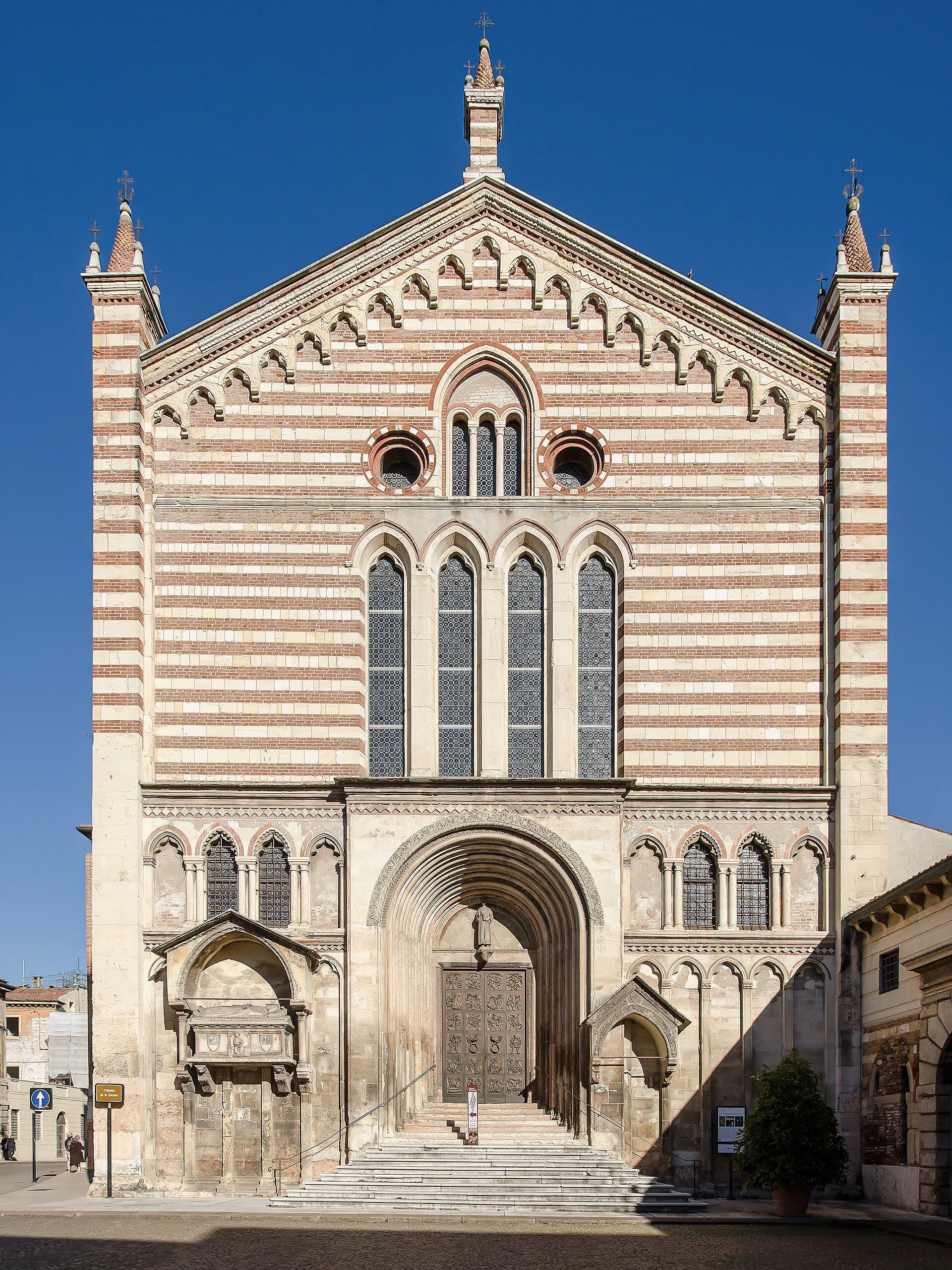 San Fermo MaggioreSan Fermo is not one church but two, stacked. What you walk into at street level2 minutes walk4.8
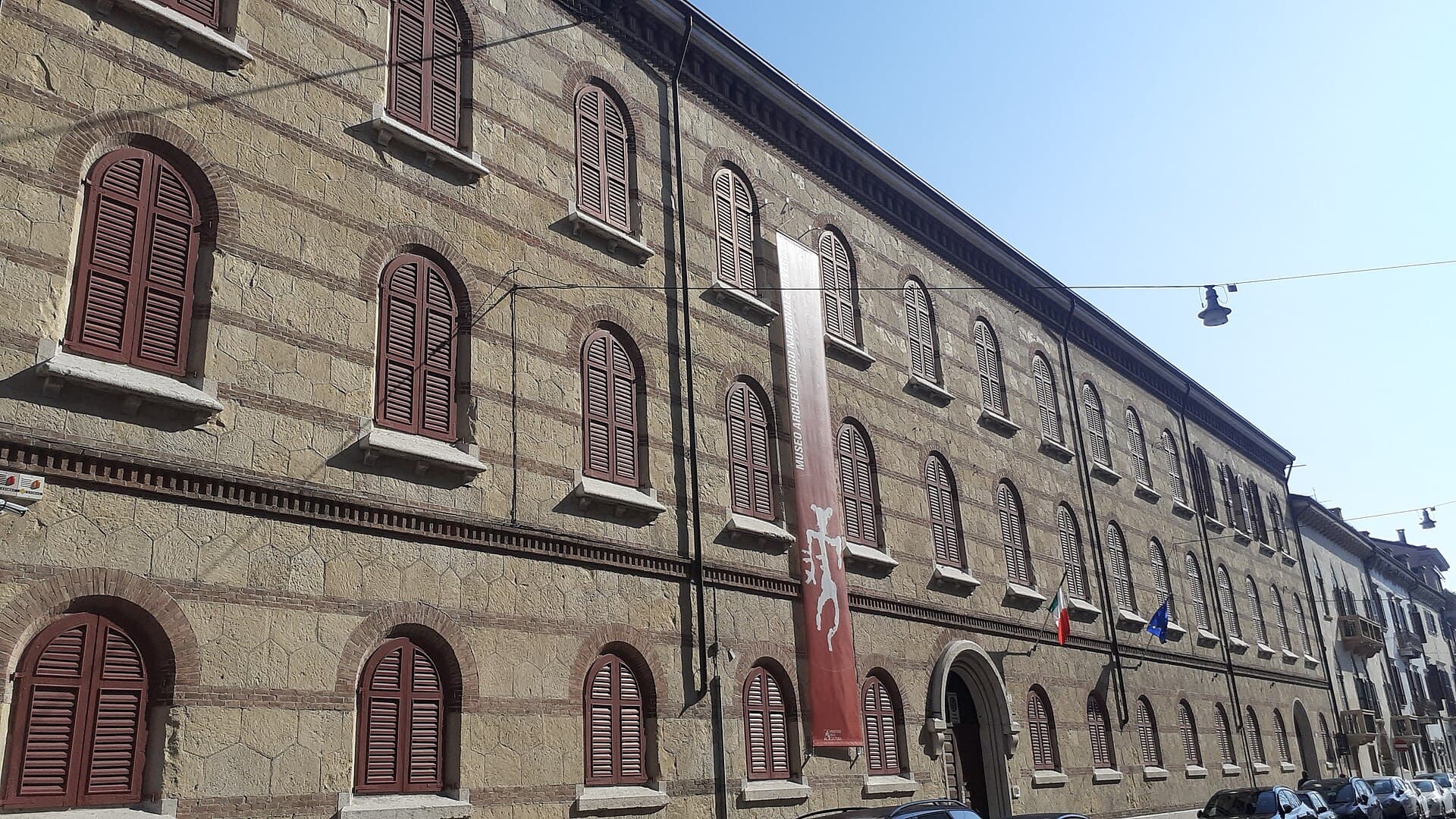 National Archaeological MuseumAn archaeological museum in a fifteenth-century convent standing on the slope ab5 minutes walk4.8
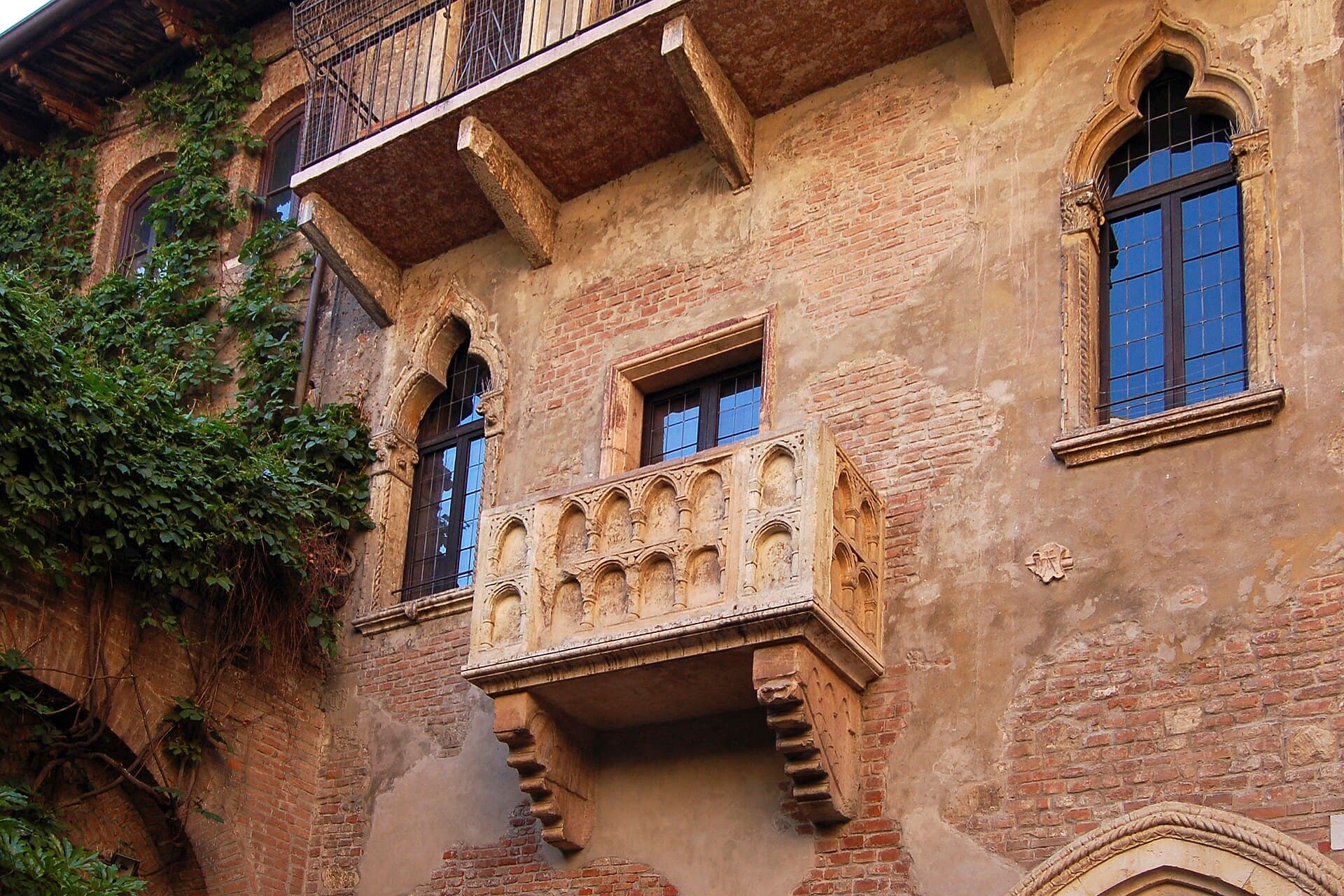 Juliet's HouseJuliet's House is Europe's most successful tourist legend — with every party a w6 minutes walk3.9
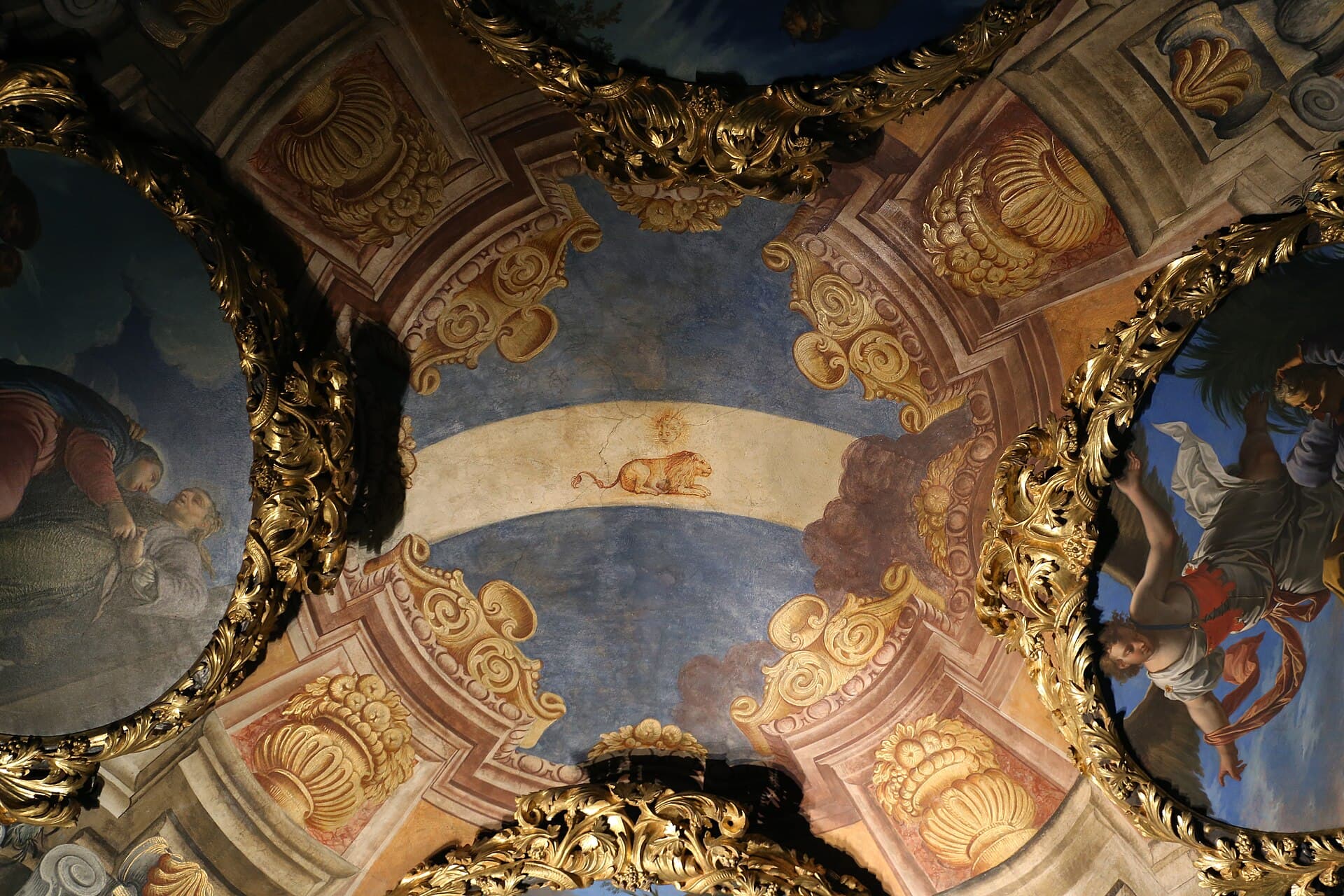 Cappella dei Notai (Chapel of the Notaries)A few steps above the vegetable market, behind a door nobody notices, hides one 7 minutes walk4.4
 Galleria Achille FortiA gallery of modern art inside the Palazzo della Ragione in the heart of Verona,8 minutes walk4.2
Honestly, no — not on a first visit. The Arena, Castelvecchio and the old squares deserve your limited hours first. But if you are travelling with a child obsessed with fossils, or you are back in Verona a second time and want something quiet and uncrowded, an hour here earns its keep.
From about eight upwards. The habitat dioramas and mounted animals will hold a smaller child for a few minutes, but most of the museum is glass cases and long labels — and the prehistory hall, the most child-friendly room, has been closed for refurbishment since June 2026, so check whether it has reopened before you count on it.