
Wooden houses
From the Edo period.
Zairon — CC BY-SA 4.0 · Zairon — CC BY-SA 4.0 · 663highland — CC BY-SA 4.0 · ncole458 — CC BY 2.0 · lienyuan lee — CC BY 3.0 · ESU — CC BY 3.0 · くろふね — CC BY 3.0 · Marie-Sophie Mejan — CC BY 4.0
Takayama's old merchant quarter on the east bank of the Miyagawa River, part of the town Kanamori Nagachika laid out around his castle in the Edo period. After Takayama came under direct shogunate rule in 1692 and the castle was pulled down in 1695, the quarter became the trading centre of the Hida region. Its narrow parallel streets are lined with dark wooden houses from the late Edo and Meiji periods, with lattice fronts, low eaves and small water channels along the road. It was chosen in 1979 as a national Important Preservation District for Groups of Traditional Buildings, with about 172 protected traditional buildings, and its power lines were buried in 2007 to keep the view. Many of the old houses now hold shops for woodwork, pottery and local food, as well as cafés and small museums such as the Fujii Folk Art Museum. Takayama is known for Hida beef and for sarubobo, red cloth dolls given as charms, both found in many of the quarter's shops. Walking around is free, and the quarter is about a 10-minute walk from Takayama Station. Most shops open from morning until about 17:00; it is quieter early, before the tour buses arrive, and it pairs easily with the nearby Miyagawa morning market.
From the Edo period.
Crafts and food.
Along the street.
Kami-sannomachi, east of the Miyagawa River, Takayama
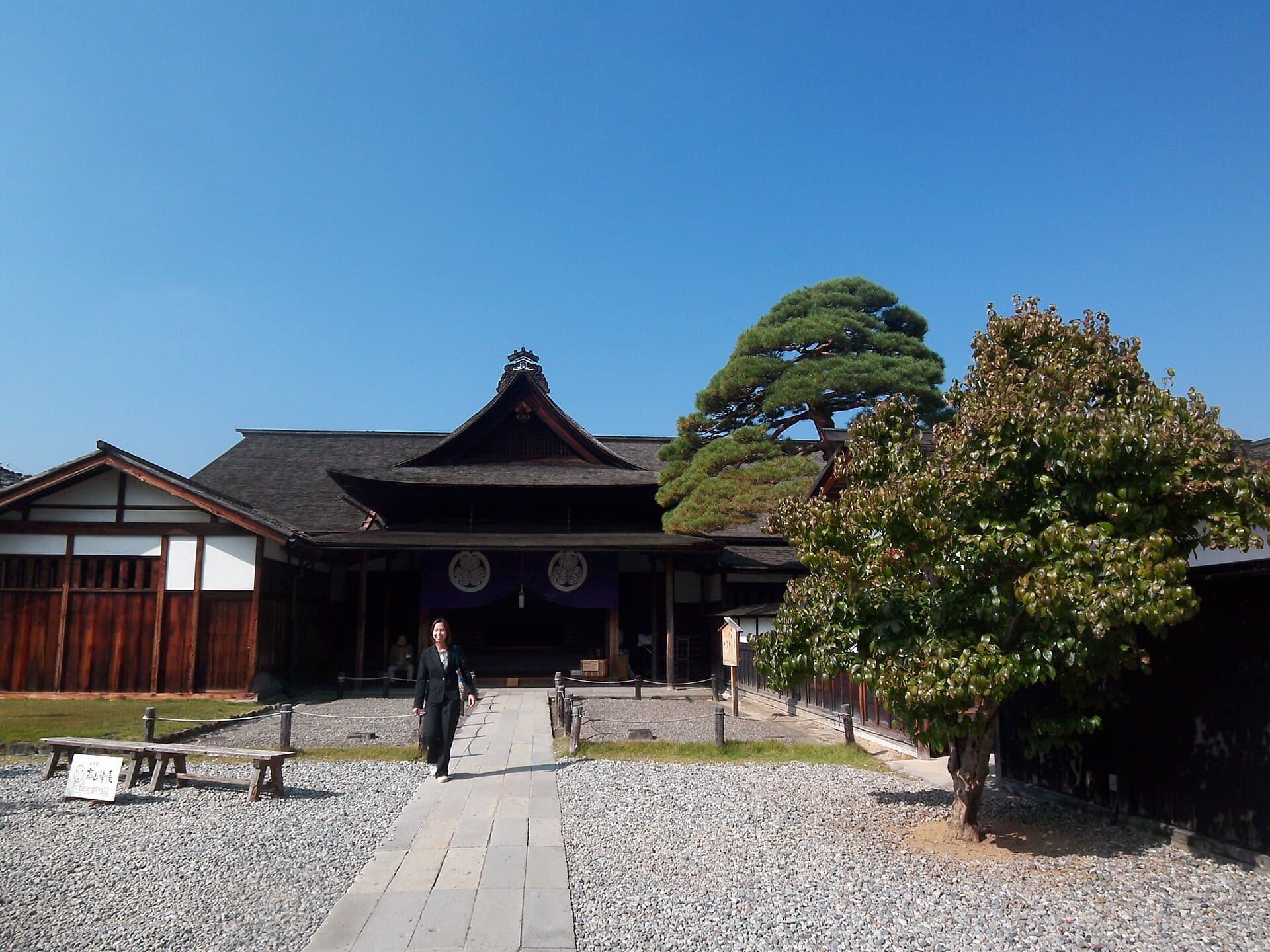 Takayama JinyaA surviving Edo-period government house, the office from which the shogunate rul3 minutes walk4.2
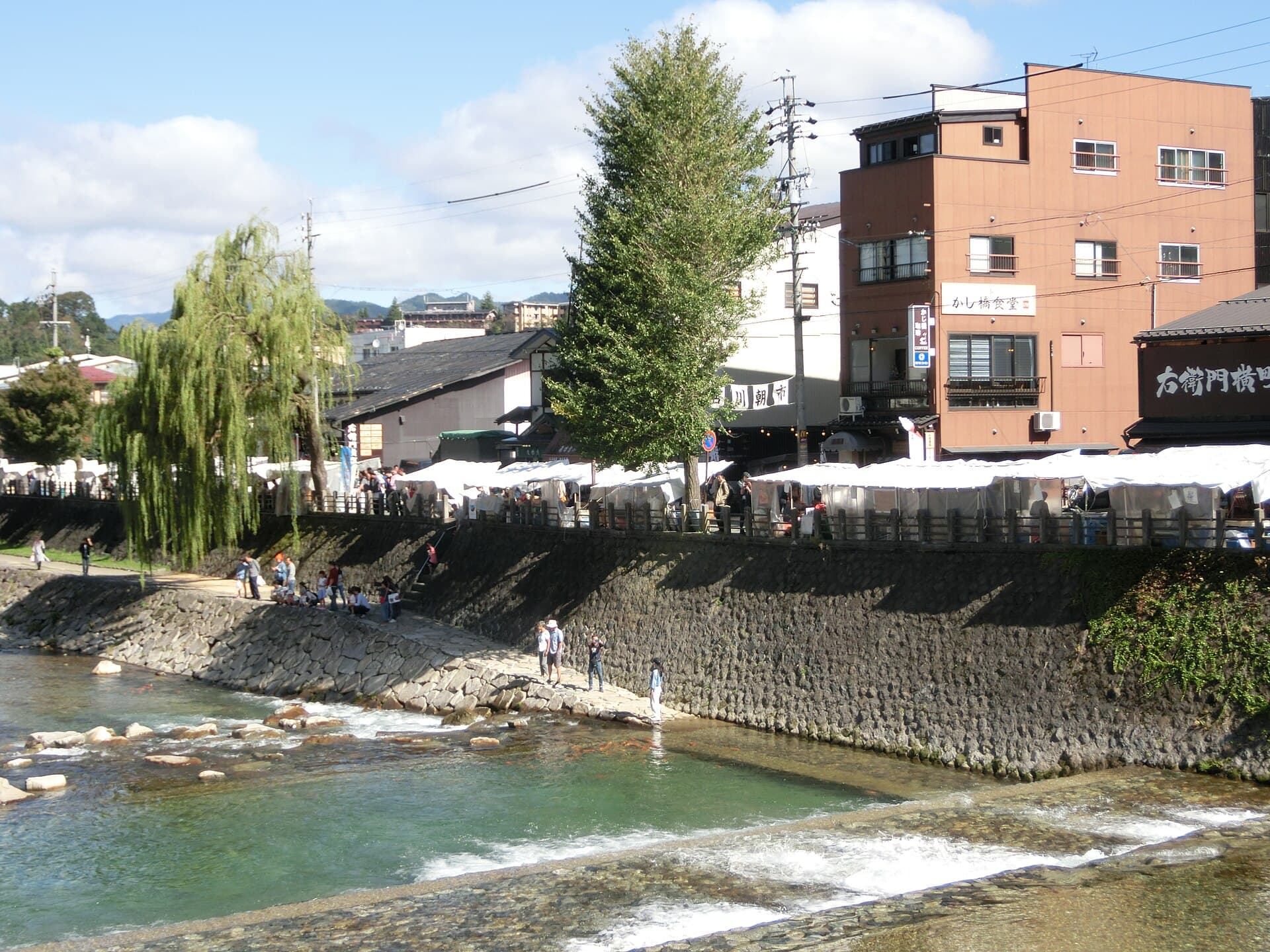 Miyagawa Morning MarketA morning market held almost every day along the east bank of the Miyagawa River5 minutes walk4.0
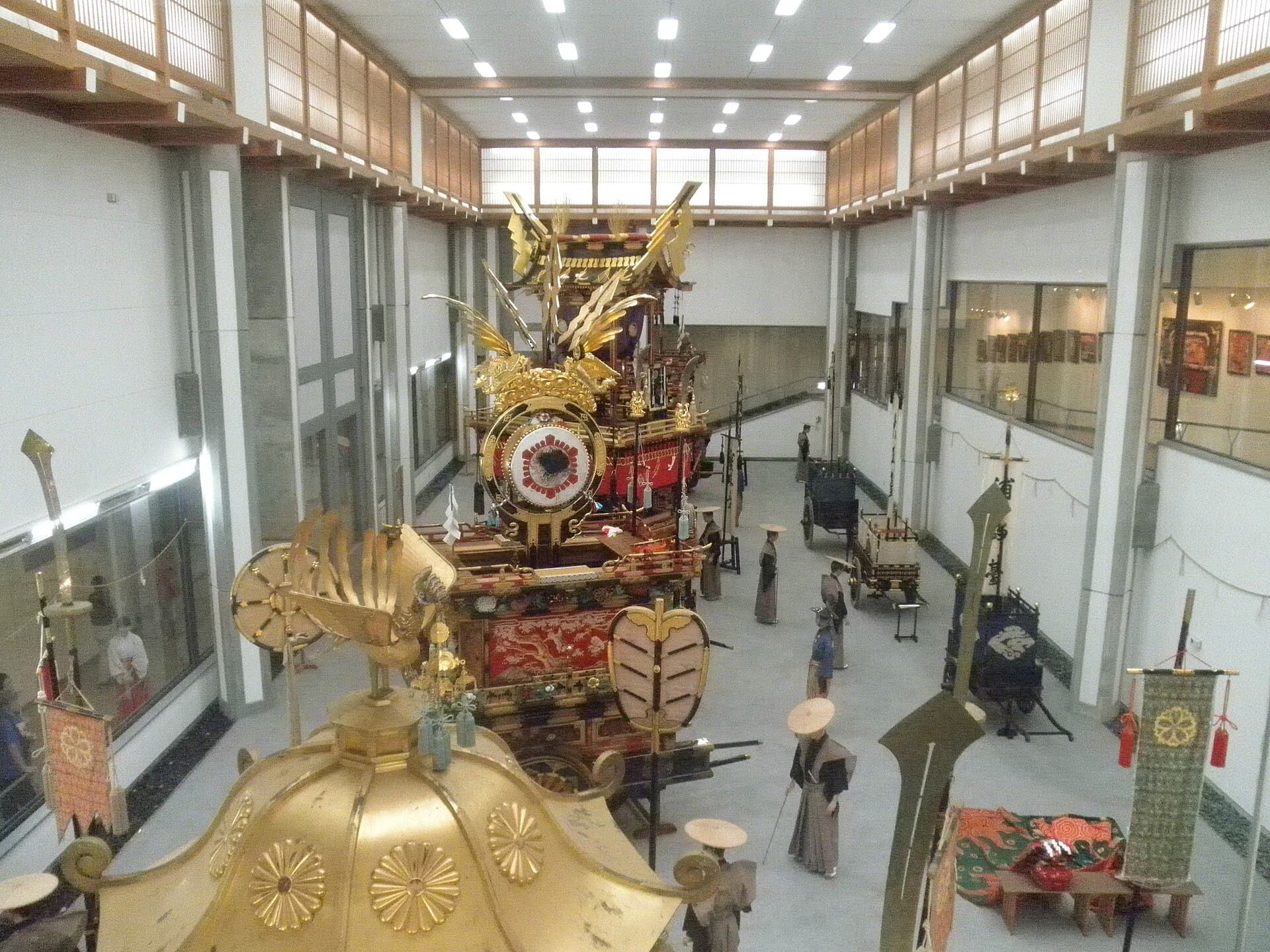 Takayama Festival Floats Exhibition HallAn exhibition hall in the grounds of Sakurayama Hachimangū shrine, opened in 19610 minutes walk4.0
It is not usually slaughtered to halal standards, so ask the seller or look for a restaurant serving certified halal meat before ordering.