
The yatai
Gold and carving.
Mti — CC BY-SA 3.0 · Daderot — CC0 · Mti — CC BY-SA 3.0 · Daderot — CC0 · Bernard Gagnon — CC BY-SA 3.0 · Bernard Gagnon — CC BY-SA 3.0 · Chme82 — CC BY-SA 4.0 · No machine-readable author provided. Fg2 assumed (based on copyright claims). — Public domain
An exhibition hall in the grounds of Sakurayama Hachimangū shrine, opened in 1968, that shows the floats of the autumn Takayama Festival all year round. The festival is one of Japan's best known and is on UNESCO's Intangible Cultural Heritage list among Japan's float festivals. The Takayama Festival is held twice a year, on 14-15 April and 9-10 October, when huge wooden floats called yatai, dating back to the 17th century, roll through the streets, decorated with gilded carvings, fine metalwork and embroidered drapes and lit at night by as many as a hundred lanterns each. Of the autumn festival's eleven floats the hall shows four, changing them three times a year, along with a giant portable shrine and shrine treasures. The ticket also covers the Sakurayama Nikkōkan next door, with a one-tenth scale model of Nikkō Tōshō-gū made by 33 craftsmen over 15 years in the Taishō era. Tickets are about 1,000 yen for both halls, and it opens 9:00-17:00 from March to November and to 16:30 from December to February, per visitor guides. It is about a 20-minute walk from Takayama Station, at the north end of the old town.
Gold and carving.
At one-tenth scale.
April and October.
Sakura-machi, in the grounds of Sakurayama Hachimangū, Takayama
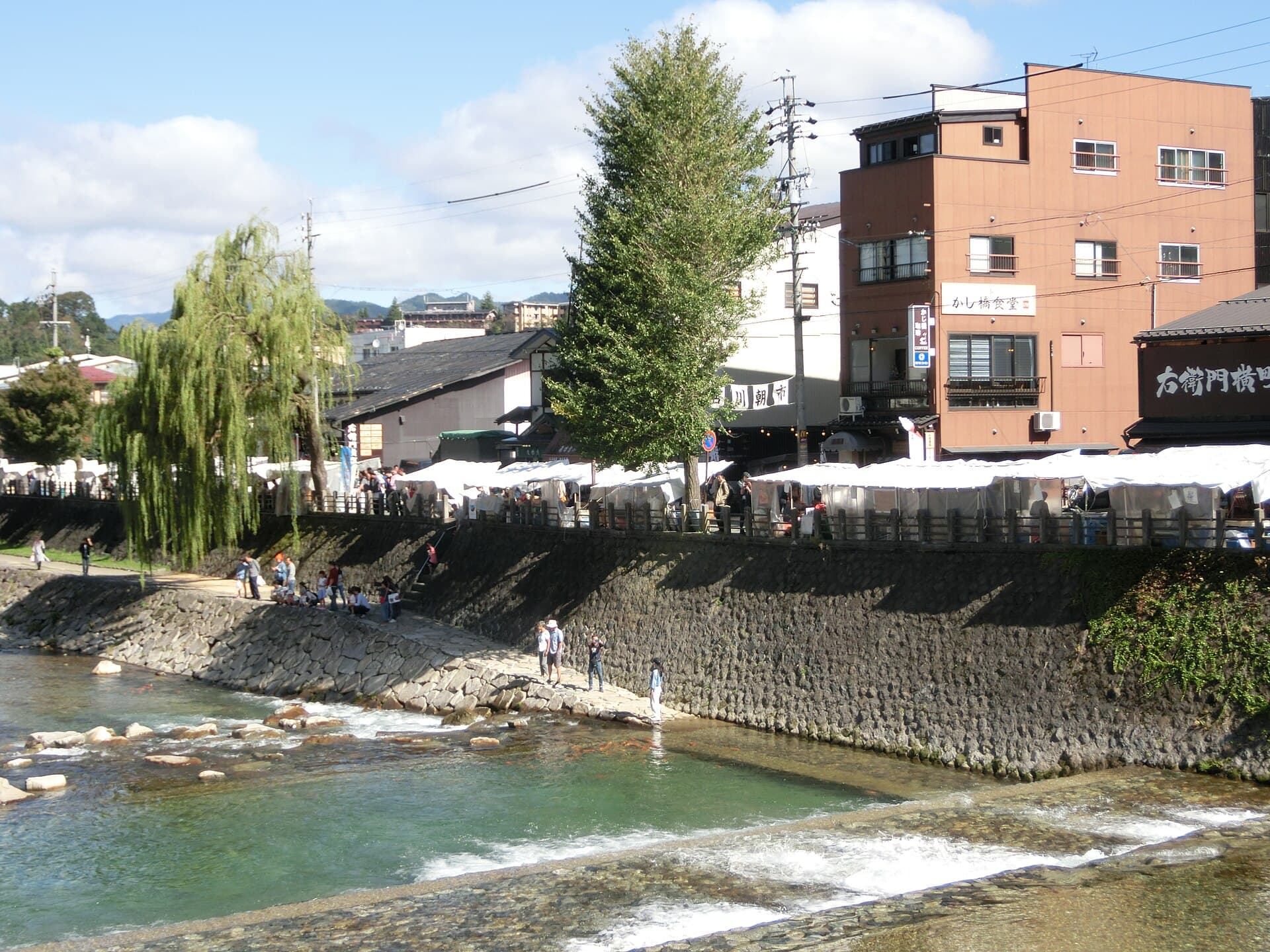 Miyagawa Morning MarketA morning market held almost every day along the east bank of the Miyagawa River6 minutes walk4.0
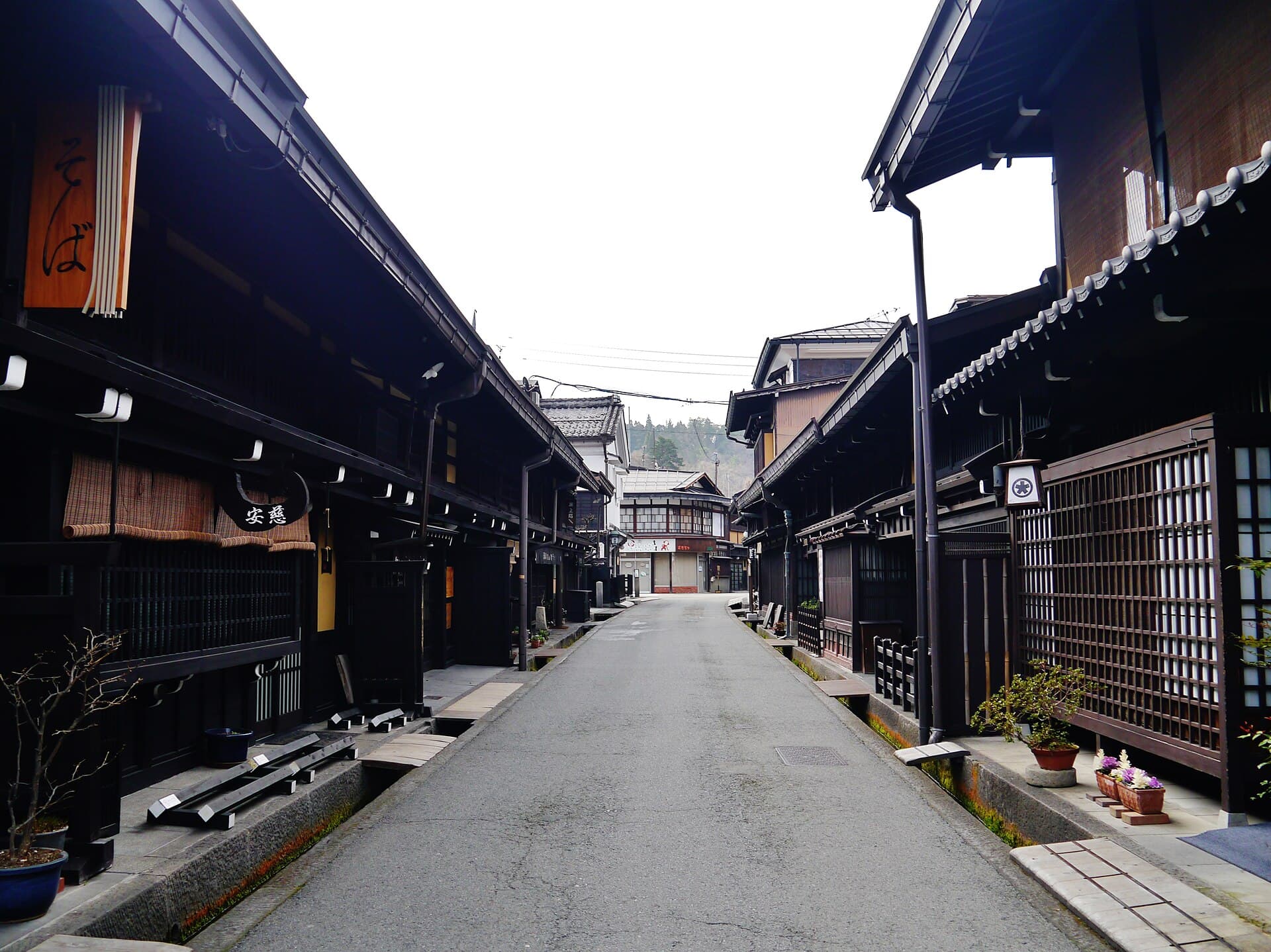 Sanmachi, Takayama's old townTakayama's old merchant quarter on the east bank of the Miyagawa River, part of 10 minutes walk4.4
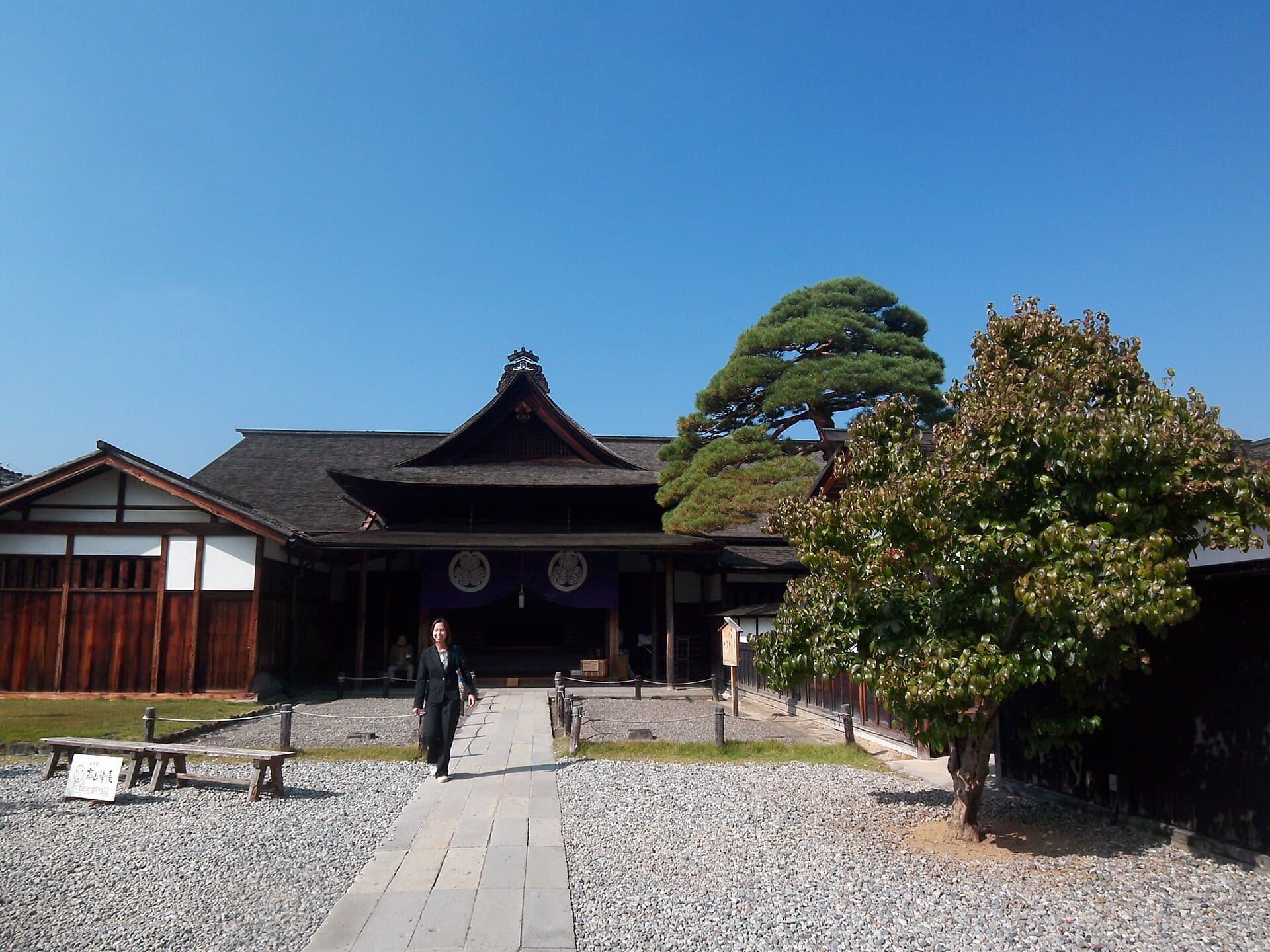 Takayama JinyaA surviving Edo-period government house, the office from which the shogunate rul12 minutes walk4.2
Twice a year, on 14-15 April and 9-10 October; the rest of the year four of the autumn festival's floats are on show in this hall.